







Search Results for: Traceability System
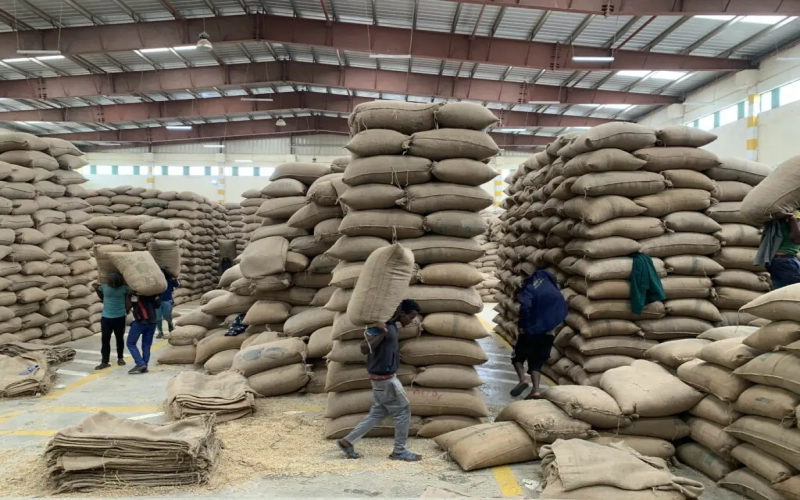
Flavor Analysis of Ethiopia Guji Zone Baha Natural G1 Coffee Beans and Discussion of the Regional System
In the landscape of Ethiopian specialty coffee, the Guji region is rising with strong momentum, becoming another star after Yirgacheffe. This article comprehensively reviews the flavor characteristics of Guji region Hambela natural G1 coffee beans, from the export system and regional terroir to processing method details. The article first analyzes the differences and traceability challenges among Ethiopia's three major coffee export systems, then focuses on the significance of the single-farm system for specialty coffee development. It subsequently delves into the geographical location, historical background, and ethnic customs of the Guji region, comparing its similarities and differences with the Yirgacheffe region, revealing Guji's potential as a future engine of innovation. Front Street Coffee recommends this natural G1, which presents typical Ethiopian flavors while possessing subtle unique characteristics, worthy of careful savoring by coffee enthusiasts. [more…]
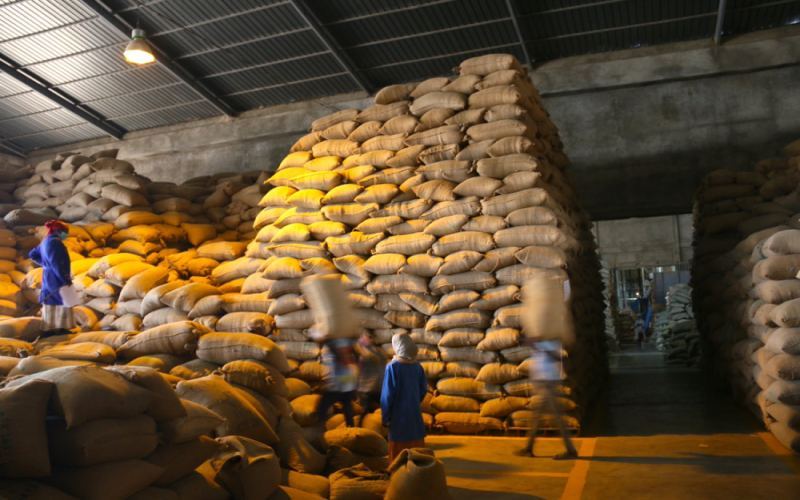
Ethiopia's Three Major Coffee Export Systems and the ECX Trading Mechanism: How Single-Farm Beans Like Hambela Hualukui Reach Overseas Markets
Ethiopia, as the holy land of specialty coffee, has a rather complex coffee export system. According to local regulations, coffee exports are divided into three major systems: ECX bidding, cooperatives, and single farms. Among these, cooperatives and single estates can bypass the ECX and export directly, offering relatively complete traceability. The ECX was founded by Eleni Gabre-Madhin in 2008, and through grading, warehousing, and real-time information, it transformed the trading circumstances of coffee farmers. However, what truly achieves 100% traceability is the single farm system that has risen in recent years. The Sidamo sun-dried Huakui is a representative work from the Hambela farm. This article will sort out the operational differences among the three systems, the trading logic of the ECX, the structure of the six major cooperative unions, and the significance of single farms to specialty coffee. Front Street will also continue to follow these origin developments, bringing coffee enthusiasts clearer origin knowledge. [more…]
The Changing Landscape of Yunnan Small-Bean Coffee: Arabica Cultivation Status, Flavor Characteristics, and Future Trends
Yunnan's coffee planting area has climbed from over 300,000 mu in 2008 to more than 1.4 million mu today, with output once accounting for over 99% of the national total. Yet the expansion of the industry's scale has not been smooth sailing. Since 2012, international coffee futures prices have continued to decline, leaving Yunnan coffee farmers struggling at the edge of the cost line; the 2014 harvest season was hit by a triple blow of drought, cold damage, and the abandonment of harvesting, causing output to plummet from an expected 100,000 tons to less than 60,000 tons, while purchase prices, driven by factors such as drought in Brazil, saw their largest single-month increase in 20 years. Lincang, as an emerging main producing area, rose rapidly, and companies such as Lingfeng Coffee began implementing quality traceability systems. This article will review the cultivation situation, flavor characteristics, and future development trends of Yunnan Arabica coffee beans. [more…]
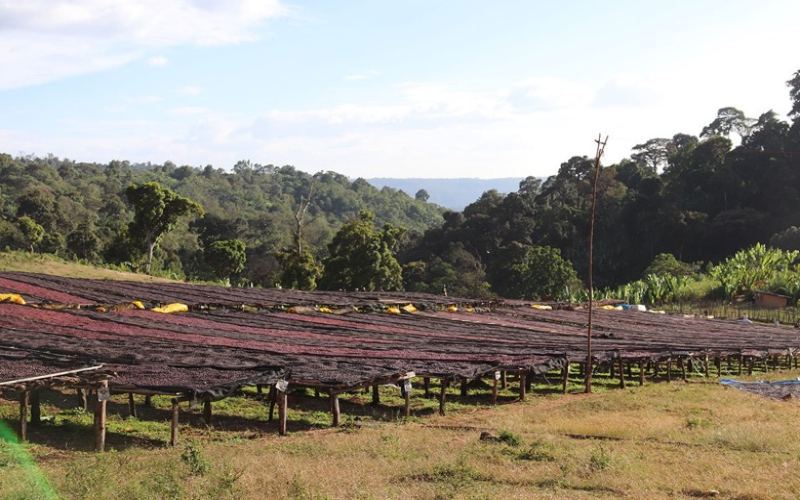
Tracing the Estate Origins of Pour-Over Regions: From Origin Stories to the Provenance of Flavors in the Cup
The pour-over community is placing increasing importance on estates—not to follow a trend, but because beans from different estates within the same region can differ enormously in flavor. An estate is the micro-unit of a region; slicing the region one layer finer makes the origin of flavor clearer. Understanding estate traceability takes pour-over bean selection from "choosing a region" to the next level: "choosing an estate." [more…]
Ethiopia Guji Zone In-Depth Analysis: The Terroir Code of the Shakiso Micro-Region and the Traceability of 90+ Legendary Lots
Ethiopia, as the birthplace of coffee, has a regional division system like a precise pyramid, nested layer by layer from Region down to kebele. Southeast of Yirgacheffe lies a micro-region with an altitude exceeding 1,800 meters—Shakisso—where fertile black soil and significant day-night temperature differences nurture coffee flavors that astonish international specialty buyers. In 2010, Guji was made an independent region by the ECX, and Shakisso is the brightest star on this land. From the legendary 90+ bean Nekisse to Level Up's Flower Language, what terroir logic and processing techniques lie behind these repeatedly high-scoring coffees? Front Street Coffee will take you deep into Guji to uncover the unique charm and market value of Shakisso coffee. [more…]

Ethiopian Gesha Village Coffee Flavor Analysis: From Variety Traceability to Cupping Performance
When people talk about Geisha, most think of Panama, but rarely mention its birthplace—Ethiopia. This article begins with the history of Geisha's spread, tracing how this variety journeyed from African forests to the world stage, and focuses on Gesha Village Coffee Estate in the Bench Maji region. It covers the estate's founding background, the microclimates and flavor differences of its eight farms, the genetic characteristics of three Geisha varieties, and the estate's strict internal grading system. Brewing parameters from Front Street Coffee are also included, offering a complete reference for coffee enthusiasts who want to deepen their understanding of Ethiopian Geisha. [more…]
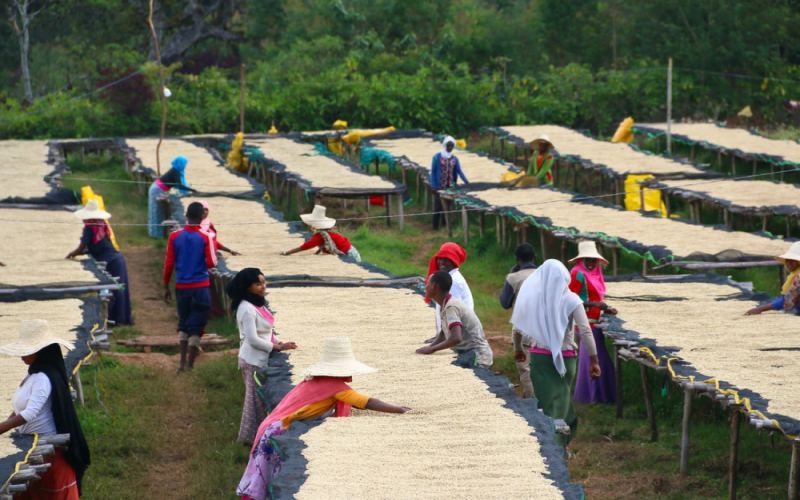
Yirgacheffe Adola: Origin Traceability, Flavor Characteristics, and Direct-Fire Roasting & Brewing Key Points Explained
Yirgacheffe is the highest-altitude specialty coffee producing region in the Gedeo Zone of southern Ethiopia, famous for its jasmine aroma, citrus notes, and citric acidity. The Adado Cooperative, as one of the founding members of the Yirgacheffe Coffee Farmers' Cooperative Union (YCFCU), is located in the mountainous area at 2,000 to 2,400 meters, where 1,250 farmers cultivate coffee in the traditional way of interplanting it with mountain bananas. This article sorts out Adado's regional affiliation, the ECX grading system, and the cooperative's background, and presents the cupping flavors and direct-fire roasting suggestions for Front Street Coffee's Yirgacheffe Adado, providing coffee lovers with a complete understanding from origin to flavor. [more…]

Exploring Ethiopia's Gesha Village Estate: The Origins, Grading System, and Full Flavor Analysis of Wild Geisha
When it comes to Geisha, most people first think of that cup of floral tea with rose aromas and citrus notes from Hacienda La Esmeralda in Panama. However, in the Bench Maji region of Ethiopia, there hides another estate famous for its native wild Geisha — Gesha Village. It was founded in 2011 by documentary filmmaker Adam Overton and his photographer wife Rachel Samuel, and boasts a strict grading system and a complete flavor traceability system. This article will take you deep into the discovery journey of Gesha Village, the grading standards for the Auction/ Gold/ Red/ Green/ Chaka lots, processing details, and block divisions, along with Front Street Coffee's brewing parameters and flavor descriptions for the Gold, Red, and Chaka lots, providing coffee lovers with a comprehensive guide to Gesha Village. [more…]
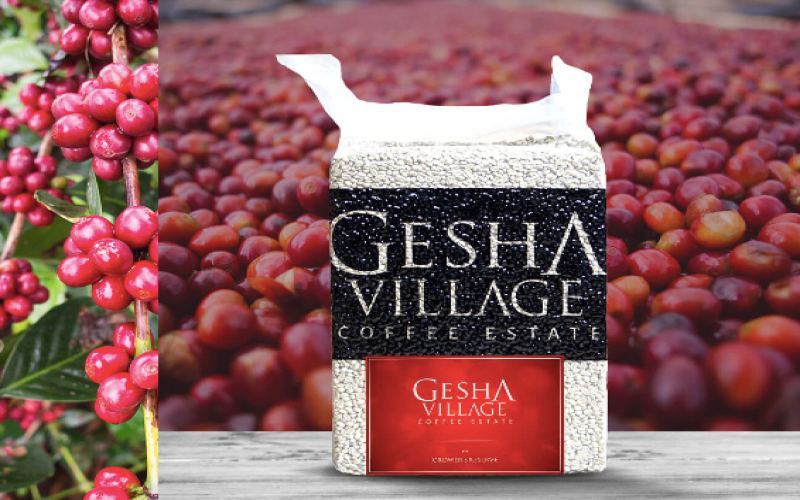
What Grade Does Red Label Geisha Belong To? Key Points for Tasting Ethiopian Geisha and a Full Breakdown of the Gesha Village Grading System
Within Gesha Village Estate, there is a strict internal grading system, from auction lots to Chaka batches, with each grade corresponding to a different share of production and quality performance. The Red Label batch, as an option that combines traceability and value for money, scores over 88 points in cupping and has the typical Gesha Village flavor profile. This article will start from the specific information of Front Street Gesha Village Red Label Natural Gesha coffee beans, outline Gesha Village's grading system, introduce the discovery history of the Gori Gesha Forest and the estate's plot management approach, and analyze the differences between the various batches, helping coffee enthusiasts understand the tier positioning and tasting direction of Red Label Gesha. [more…]
A Comprehensive Analysis of Gesha Village Estate Traceability and Label Grades: Differences Between Auction, Gold, Red, Green Labels, and Chaka Lots
Geisha coffee's popularity in the specialty circle endures, but many enthusiasts easily confuse the products of Panama's Hacienda La Esmeralda with those of Ethiopia's Gesha Village. Starting from historical origins, this article traces how Gesha Village was conceived by documentary director Adam Overton and his wife Rachel Samuel in 2007 during a filming trip, and how, under Willem Boot's guidance, they found native varieties in the Gori Gesha forest of Bench Maji. The article explains in detail the estate's five-tier grading standards—Auction, Gold, Red, Green, and Chaka—along with the microclimates and variety differences of each block, and includes Front Street Coffee's comparison of the roasting and brewing flavors of three beans: Red, Green, and Chaka, helping readers understand the Gesha Village system at a glance. [more…]
Ethiopian Coffee Export System and ECX Grading Mechanism: A Special Analysis of the Yirgacheffe Region
Ethiopia, as the birthplace of coffee, has an export system and grading structure that directly shape the flavor in the cups of coffee lovers worldwide. This article takes an in-depth look at the country's three major coffee export systems—ECX bidding, cooperatives, and single estates—revealing how ECX reshapes coffee trading through its pricing mechanisms, warehousing and logistics, and real-time information, while focusing on the ECX specialty grading standards of the Yirgacheffe region. It also introduces the operating models of the six major cooperative unions, and how well-known cooperatives such as Front Street Gediding and Front Street Woka stand out through their exquisite processing techniques. Whether you are a coffee professional or an enthusiast, you can understand from this the quality logic of Ethiopian coffee from origin to cup. [more…]
A Detailed Guide to Brazil Green Coffee Bean Grading Standards and the Distinctive Features of Its Origin Classification System
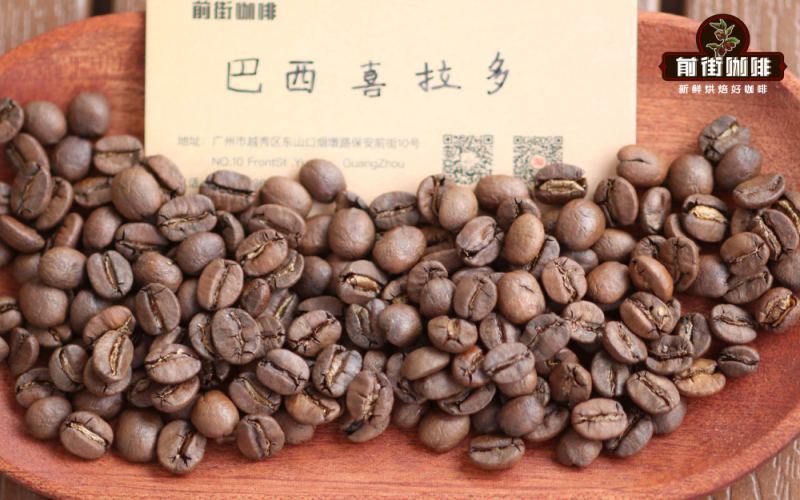
As a superpower accounting for about 45% of global coffee production, Brazil's green coffee grading system is not a single standard, but rather an assessment that integrates multiple dimensions such as the proportion of defective beans, screen size specifications, and cup profile. From the perspective of Front Street, this article will outline the origin distribution characteristics, main grading methods, and criteria of Brazilian coffee, decipher the meanings behind professional terms such as NY.2, 17/18 screen, and Strictly Soft, introduce the terroir characteristics of representative producing regions such as Mogiana and Cerrado, and share specific information about Queen's Farm coffee from Brazil on Front Street's bean list, helping coffee enthusiasts gain a more systematic understanding of the quality indicators and traceability logic of Brazilian green coffee. [more…]
Ethiopia Gesha Village Washed Heirloom Gesha Coffee Flavor Analysis: A Complete Overview of Lot#94 and the Grading System
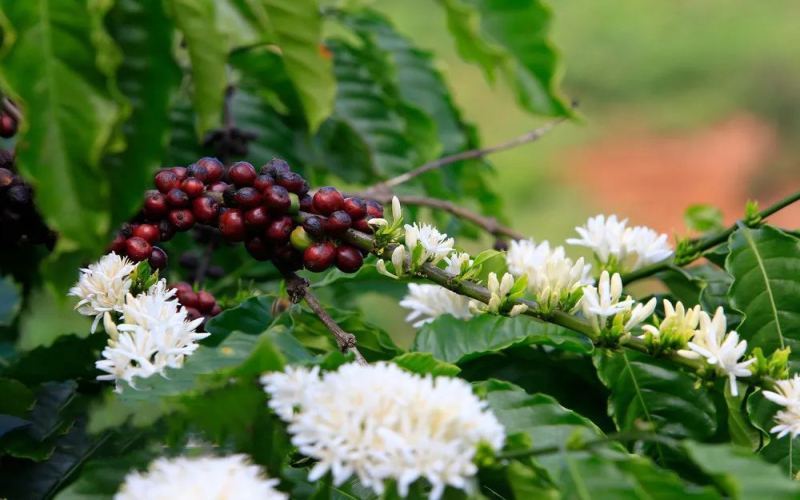
Since Geisha stunned the world in Panama in 2004, it has remained at the pinnacle of specialty coffee. But tracing its roots, Geisha's genetics actually come from the primitive forests of Ethiopia. This article takes you back to Geisha's birthplace—the Gesha Village Estate in the Bench Maji region—to learn how this large estate recovered the original Geisha variety from the Gori Gesha forest and established a grading system of Auction, Gold, Red, Green, and CHAKA lots. The article also presents flavor descriptions of several Gesha Village lots from Front Street Coffee, along with recommended pour-over parameters for CHAKA, making it suitable reading for coffee lovers who want to gain a deeper understanding of the flavor differences among Ethiopian Geishas. [more…]
A Comprehensive Analysis of the Origin, Grading System, and Flavor of Ethiopian Gesha Village Gesha Coffee Beans
Geisha coffee is now world-renowned, and many people first think of Hacienda La Esmeralda in Panama, but the roots of this legendary variety actually lie in the Gesha Mountains of Ethiopia. This article will take you into Gesha Village Coffee Estate to learn about its founding story, its unique grading system (auction, gold, red, green, and Chaka lots), and the origins and characteristics of the three varieties: Gori Gesha, Gesha 1931, and Illubabor. Front Street Coffee will also share the estate information, processing methods, and flavor descriptions of its in-store Gesha Village Gold, Red, and Chaka coffee beans, along with roast analysis and pour-over parameters, for coffee lovers' reference. [more…]
Traceability of the Geisha Coffee Variety and Analysis of Its Origin Terroir: Grade and Flavor Differences from Ethiopia to Panama
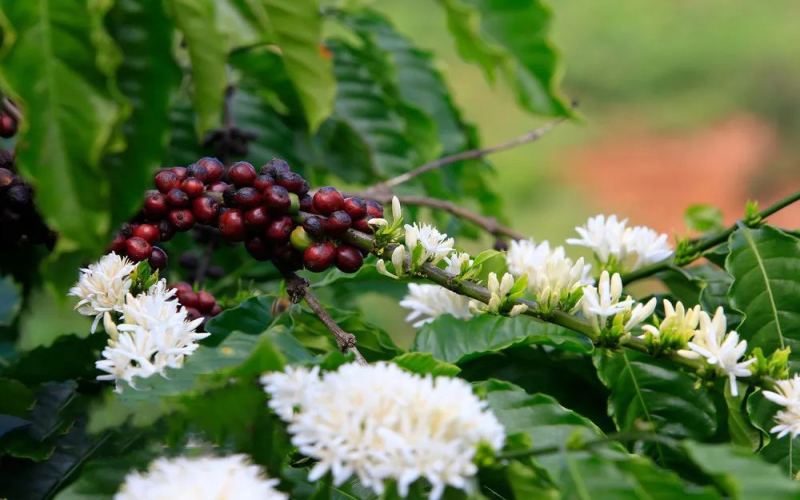
Geisha is recognized as a top-tier variety in the coffee world. From the wild forests of Ethiopia to the highlands of Boquete, Panama, it has conquered coffee lovers worldwide with its unique floral aroma and complex fruity notes. This article systematically reviews Geisha's varietal origins, growth habits, and the differences in terroir across producing regions, with a focus on comparing the flavor characteristics of the two most representative origins—Panama and Ethiopia—and provides a detailed introduction to the grading systems of Hacienda La Esmeralda and Gesha Village. Drawing on its cafe production experience, Front Street Coffee shares brewing parameters and extraction approaches for naturally processed Red Label Geisha, helping readers gain a deeper understanding of the appeal of this variety. [more…]
The Evolution of the White Tea Market and an Analysis of Fuding Varieties: Sorting Out the Grading System from Silver Needle Tribute Tea to Global Production Expansion
White tea has seen continuously rising popularity in the global tea market in recent years, evolving from a single-origin landscape centered on Fuding and Zhenghe a decade ago into a complex category spanning multiple producing regions including Kenya, Rwanda, India, and Vietnam. Silver Needle, White Peony, and Shoumei — the three traditional categories — form the basic framework of white tea, classified by the selection standard of buds and leaves rather than by depth of color. This article will systematically examine the varietal characteristics of Fuding white tea, its historical origins, the logic behind its grading system, and the blurring of category boundaries brought about by the global expansion of white tea supply, helping coffee and tea enthusiasts gain a deeper understanding of this tea type that combines scarcity with health properties. Front Street Coffee, as a brand focused on direct sourcing from producing regions, has carried on its traceability philosophy in its white tea selection as well. [more…]
Exploring Costa Rica's Tarrazú Dota Region: A Comprehensive Analysis of Micro-Lot Geisha and Hacienda La Esmeralda Auction Geisha
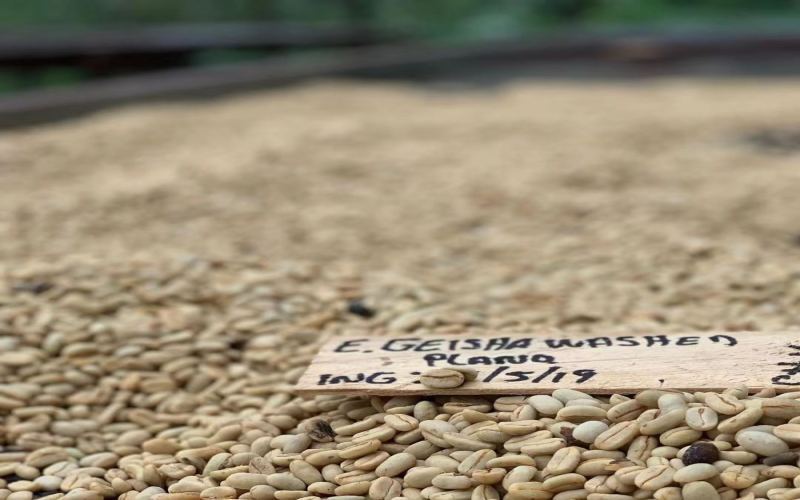
Geisha and Yirgacheffe are actually the same type of coffee, transliterated from Japanese. This article begins with the red, green, and blue label classifications of Panama's Hacienda La Esmeralda, sorting out its strict quality control and auction lot standards, and tracing Geisha's legendary path from the forests of Ethiopia to Kenya, Tanzania, Costa Rica, and then to Panama, where it rose to fame. It also delves into Gesha Village to explain the variety differences between Gori Gesha and Gesha 1931, the meanings of the OMA and SURMA block numbers, and the traceability system for natural process lots. Finally, it presents complete information on three products launched by Front Street Coffee: Ethiopia Gesha Village Natural, Panama Hacienda La Esmeralda Red Label Washed, and Costa Rica Tarrazú Dota Goddess Estate Geisha. [more…]
Colombian Coffee Grading System and Regional Flavor Analysis: From the Andes Mountains to Front Street Coffee's Huila Selection
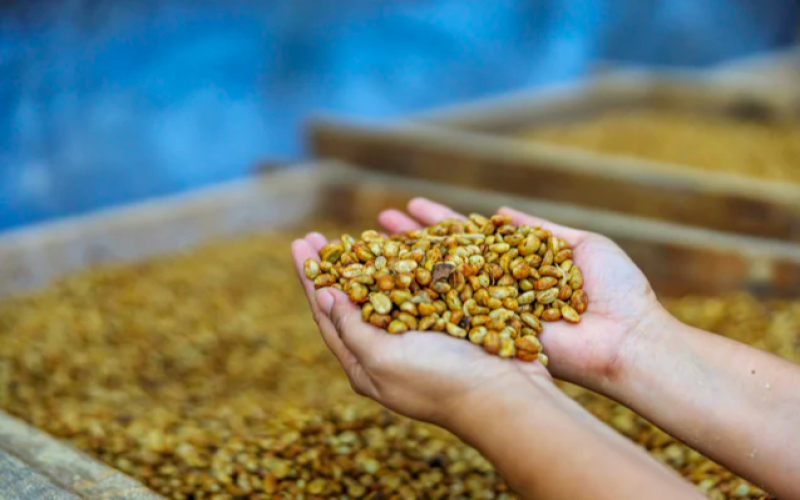
Colombia, with the unique terroir of the Andes Mountains, has become a major producer of high-quality Arabica coffee worldwide. From the traditional MAM region to the specialty Huila region in the south, different altitudes and microclimates shape distinctive coffee flavors. The FNC implements strict grading of exported green beans, and standards such as Supremo and Excelso directly affect quality and traceability. Front Street Coffee uses washed Huila as a classic representative of Colombia, presenting a sweet, mellow cup with notes of nuts, dark chocolate, and caramel. This article systematically reviews Colombia's coffee-growing distribution, regional characteristics, and green bean grading rules, helping coffee enthusiasts gain a deeper understanding of the quality logic of this major South American coffee country. [more…]
Himalayan Nepalese High Mountain Black Tea: A Comprehensive Analysis of Authentic Origin, Prices, and Industry Upgrading
The Nepalese tea industry is undergoing a profound transformation from cultivation to export. Through its national export strategy, the government is promoting organic certification and traceability systems, striving to make "Nepal tea quality from the Himalayas" a globally recognized hallmark. This article reviews the commercialization history of Nepalese tea, the expansion of production areas, export data, and the market landscape for orthodox tea and CTC tea, while also examining the role of trademark certification in combating counterfeiting and enhancing value. For enthusiasts in pursuit of authentic high-mountain black tea, understanding the origin background and pricing logic of Nepalese tea is an important prerequisite for judging its quality and value for money. Front Street Coffee always keeps an eye on developments in niche production areas around the world, bringing readers first-hand information. [more…]
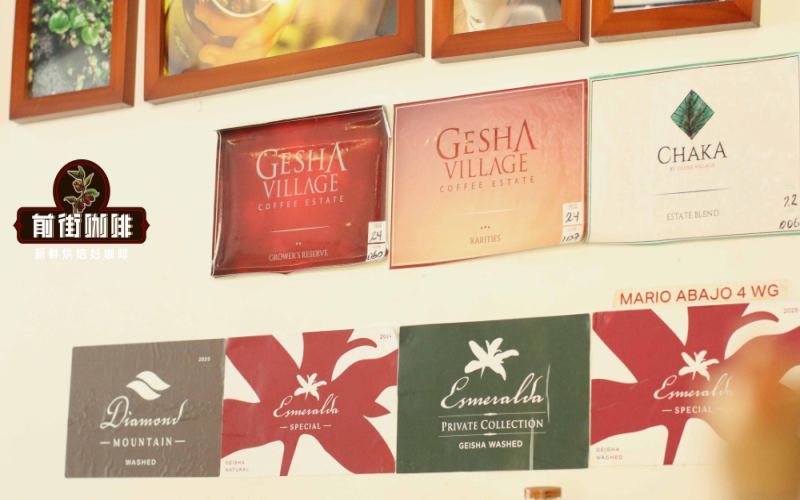
What Variety Is Geisha Coffee? A Detailed Explanation of the Two Major Grading Systems of Hacienda La Esmeralda and Gesha Village, and Front Street Coffee's Various Lots
Geisha coffee, a star variety in the specialty coffee world, has always drawn attention for its grading system. Currently, Hacienda La Esmeralda and Gesha Village Coffee Estate in Ethiopia have each established independent grading standards. Hacienda La Esmeralda divides its product lines into Red Label and Green Label; Gesha Village Coffee Estate is further subdivided into five lots: Auction, Gold Label, Red Label, Green Label, and Chaka. This article will systematically sort out the entire grading system of Gesha Village Coffee Estate, analyze one by one the flavor characteristics, production proportion, and brewing parameters of each lot, and present in full the corresponding Geisha product information from Front Street Coffee, helping coffee enthusiasts gain a comprehensive understanding of the quality-tier logic of this variety. [more…]