







Search Results for: Tomato

Kenyan Specialty Coffee Beans | Why Does Kenyan Coffee Have Such High Recognizability? Where Does the Acidity in Kenyan Coffee Come From?
Honestly, Front Street Coffee is very fond of Kenyan coffee. If you're a friend who frequently visits Front Street Coffee's stores to drink coffee, it's not hard to notice that among the many samples Front Street Coffee shares, Kenya has a very high appearance rate. As for why we like it so much, Front Street Coffee believes this point is shared by many enthusiasts alike. Because Ken [more…]

Medium-Light Roast Coffee Bean Recommendations | Why Is Kenyan Coffee So Popular? What Factors Create the Acidity of Kenyan Coffee? How Do You Brew a Delicious Kenyan Pour-Over?
Honestly, Front Street Coffee is very fond of Kenyan coffee. If you are a friend who frequently visits Front Street Coffee's stores to drink coffee, it will not be hard to notice that among the many samples Front Street Coffee shares, Kenya has a very high rate of appearance. As for why we like it so much, Front Street Coffee believes that on this point, we are in complete agreement with many enthusiasts. Because Ken [more…]
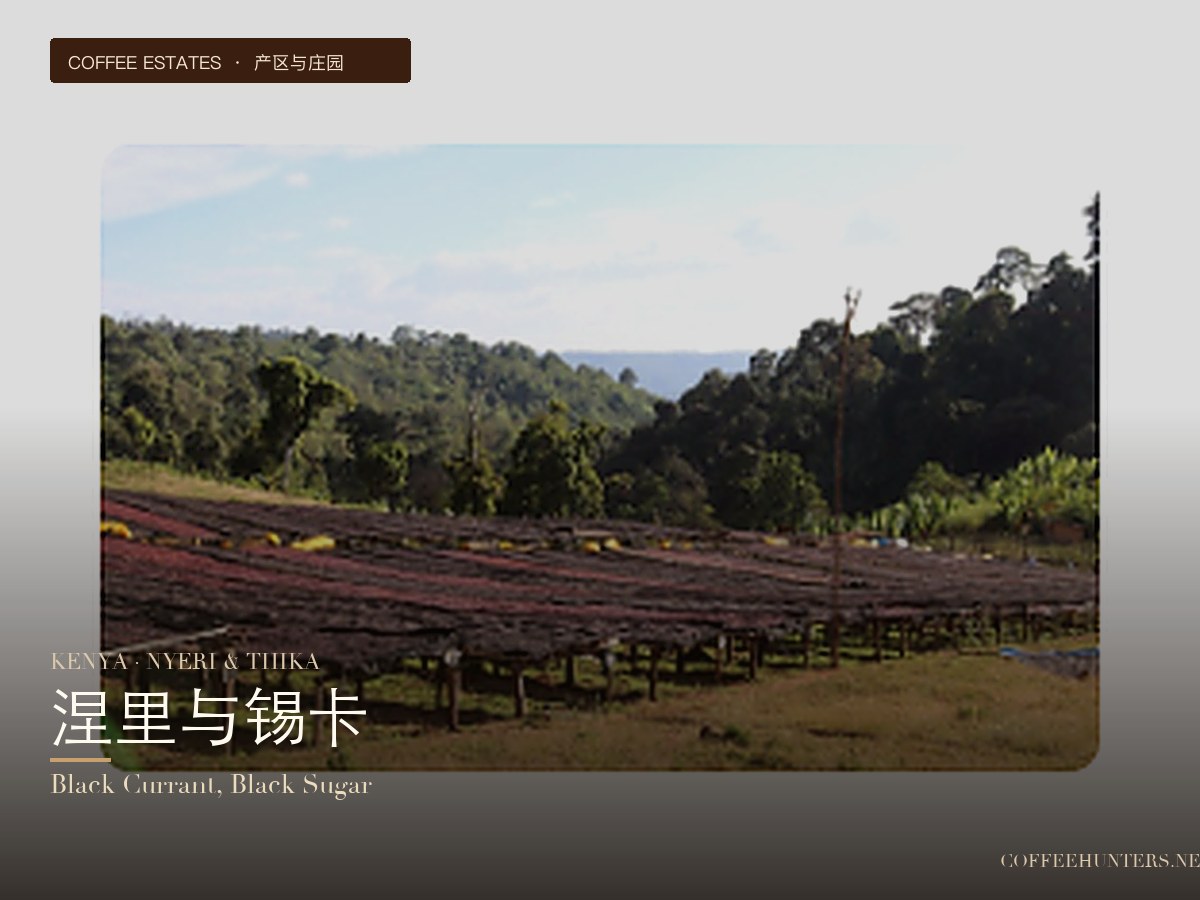
Kenya·Nyeri and Thika: The Bold Acidity of Blackcurrant and Tomato
Kenyan coffee is regarded by the global specialty coffee community as the "benchmark of Africa" for its powerful acidity, full-bodied tartaric acid, and distinctive blackcurrant flavor. This article takes the two major producing regions of Nyeri and Thika as its starting point to provide an in-depth analysis of the ins and outs of Kenyan coffee. [more…]
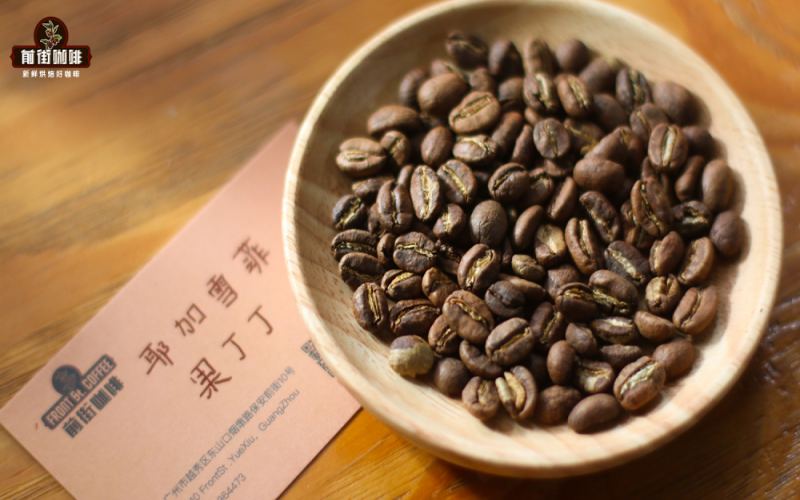
Cold Brew Light Roast Bean Recommendations | How Should Beginners Choose Cold Brew Coffee Beans? Are Washed Yirgacheffe, Sun-Dried Huakui, and Kenyan Little Tomato Suitable for Cold Brew?
In almost half of all specialty coffee shops, cold brew coffee is on the menu, which shows just how popular this drink is. Many people fall in love with cold brew mainly because they enjoy its unique taste—refreshing yet flavorful, mellow yet not bitter. Achieving this style is not difficult; in fact, putting a little extra thought into choosing coffee beans is all it takes. [more…]

Coffee Flavors | What Does "Juiciness" in Coffee Mean? Which Coffee Beans Should You Choose to Brew Coffee with Juiciness?
In everyday articles, Front Street Coffee often uses "juiciness" to describe a cup of coffee. "What is juiciness?" friends occasionally ask Front Street Coffee after reading. When we taste a cup of coffee, we combine the flavors and aromas we encounter with our own taste preferences and memories, associating them with [more…]
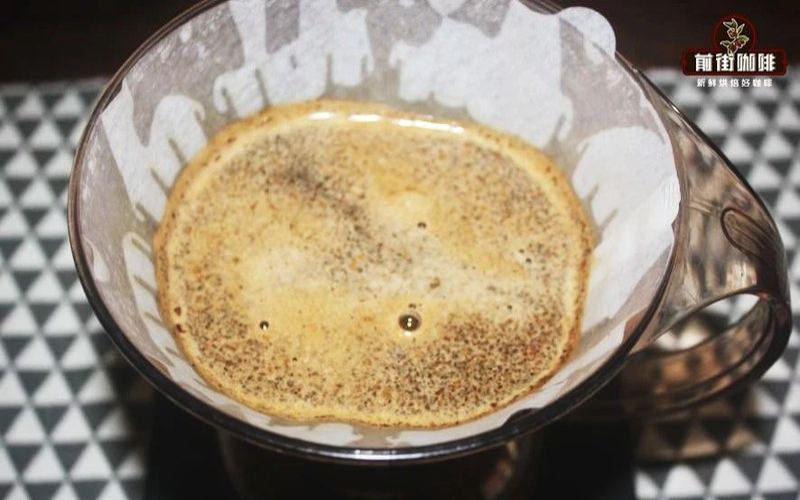
Pour-Over Single-Origin Coffee Recommendations: Balancing Budget and Drinking Frequency
From bean to cup, a coffee must still go through grinding and extraction. When it comes to hand-brewed single-origin coffee, your everyday bean buying needs to take into account how quickly you'll drink it, how much to buy at a time, and whether you mainly make black coffee or milk coffee at home. First confirm your usual equipment and preferred taste, then compare specific beans—your actual practice will have clearer direction. [more…]
How to Choose Coffee Beans for Home: Balancing Budget and Drinking Frequency
When it comes to coffee beans for home use, you have to start with what actually ends up in the cup. For everyday bean buying, you need to think about how fast you'll go through them, how much to buy at a time, and whether your household mainly drinks black coffee or milk coffee. The roast level of the beans determines the basic taste, the origin and processing method bring aromatic differences, and the equipment you use will change the strength—so when choosing beans, you need to weigh all these factors. [more…]

Recommend a Few Coffee Beans Suitable for Cold Brew: Balancing Budget and Drinking Frequency
Choosing coffee beans suitable for cold brew is something you gradually learn to judge through tasting experience. When buying beans day to day, you need to consider how quickly you'll drink them, how much to buy at once, and whether you mainly make black coffee or milk-based coffee at home. The flavor notes on the packaging can offer clues, but they can't replace the actual drinking experience—whether the acidity is mellow, whether the sweetness lingers, and the mouthfeel [more…]

Recommendations for Several Coffee Beans Suitable for Cold Brew and Ice Drip: Balancing Budget and Drinking Frequency
Coffee beans suitable for cold brew and ice drip will show different facets depending on the brewing method. When buying beans for daily use, you need to consider how quickly you'll drink them, how much to buy at a time, and whether you mainly make black coffee or milk coffee at home. Pour-over easily brings out the aroma, a coffee machine emphasizes intensity, and a moka pot amplifies the full-bodied richness. When choosing beans, you should first determine your own [more…]

Kenya Coffee Bean Brewing Tutorial Sharing
With the rise and popularity of the specialty coffee concept, emphasizing the flavor of origin—that is, the taste of the bean itself—has become a consensus, at least among some people. And after 2000, the third wave emphasized origin and light-roast flavors, and many single-origin coffees became increasingly well known. Among them, Kenyan coffee is known for its bright acidity. [more…]

How to Choose American Beans for Home Use: Balancing Value and Flavor
When making Americano at home, choosing the beans matters more than the equipment: a basic drip machine paired with the right beans can still brew a fully flavored cup. Front Street Coffee Kenya Little Tomato works well for home Americano—the sweet-and-sour notes of cherry tomatoes and brown sugar come through clean and bright in the drip machine's downward extraction. Have a cup in the morning, and it offers more layers of flavor than takeout coffee. [more…]
Coffee Bean Review for Long-Term Drinking: Balancing Budget and Drinking Frequency
Evaluating coffee beans suitable for long-term drinking is best approached by gradually building judgment from tasting experience. When buying beans for daily use, you need to consider how quickly you'll drink them, how much to buy at once, and whether you mainly make black coffee or milk coffee at home. The flavor words on the packaging can offer clues, but they cannot replace the actual drinking experience—whether the acidity is gentle, whether the sweetness lingers [more…]
Fruity and Floral Single-Origin Coffee Recommendations | Why Does Hand-Brewed Black Coffee Taste Like Fruit? What's the Difference in Fruity Flavors Between African and South American Coffee Beans?
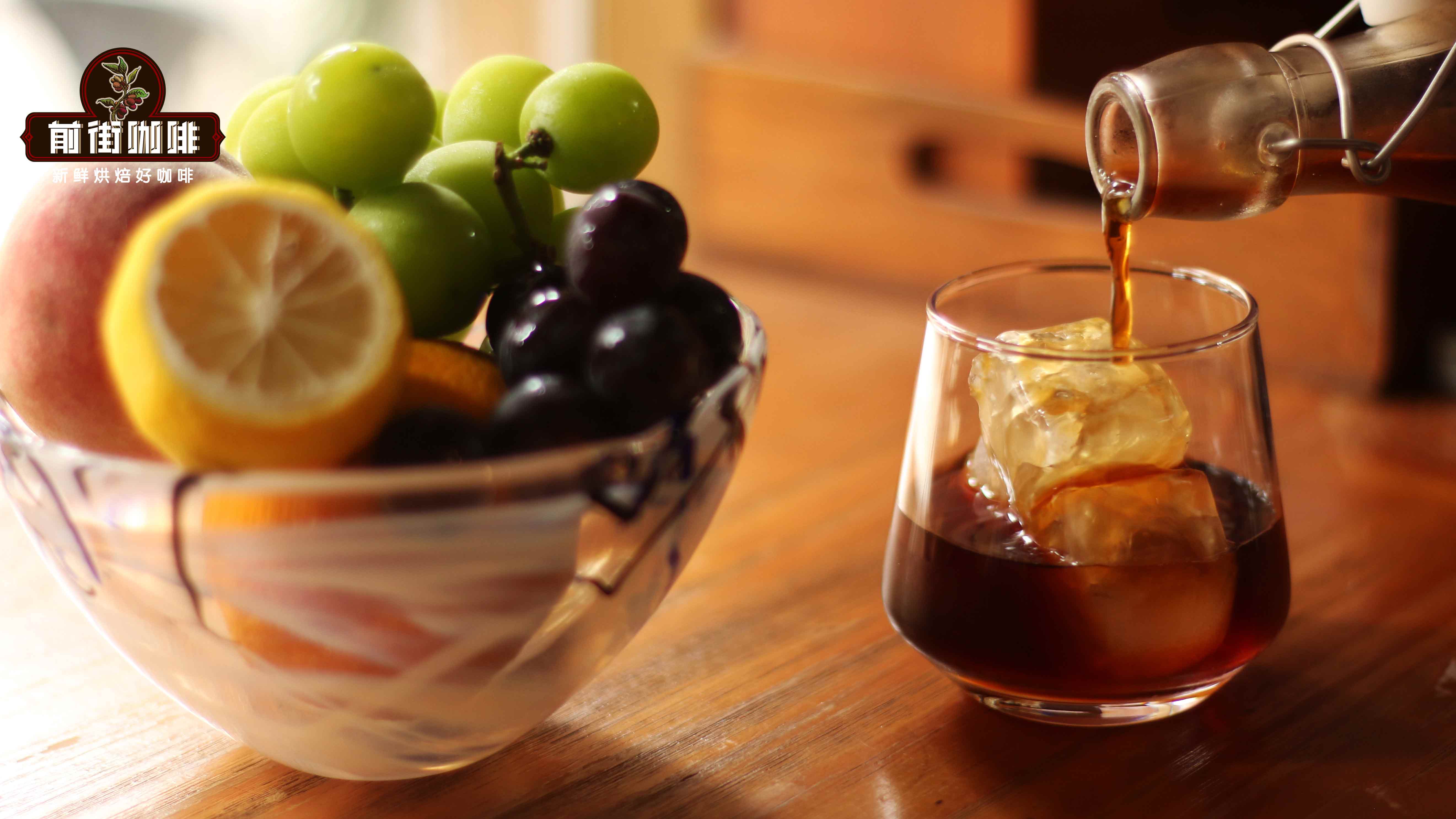
Fruity coffee fruit flavors often present a natural sweet-and-sour aroma, making them one of the most prized qualities in specialty coffee. They are generally divided into stone fruits (peach, apricot, apple), citrus (orange, lemon, pomelo, sweet orange), and berries (raspberry, strawberry, blackberry, blackcurrant, cherry). Generally speaking, [more…]
A Comparative Buying Guide for Pour-Over Coffee Beans
The flavor of pour-over coffee depends largely on the beans. Beans from different regions, varieties, processing methods, and roast levels produce vastly different styles when brewed. This article provides a comparison by flavor direction to help you quickly find the pour-over beans that suit you. Choose by flavor preference: If you like floral and fruity aromas with bright acidity: choose beans from high-altitude African regions [more…]
Washed Coffee | What is the washed process? What are the characteristics of washed beans? Is Kenyan washed coffee good for pour-over?
Not long ago, a devoted fan of washed beans visited the Front Street shop. They had bought many washed coffees before, but just couldn't brew out any layering at home, so they asked Front Street if there were any tips or suggestions. So today, let's discuss brewing methods for washed coffee. What is washed coffee? Among coffees, [more…]
Recommending several medium-roast coffee beans suitable for pour-over: balancing budget and drinking frequency
From bean to cup, a coffee must still go through grinding and extraction. When choosing medium-roast coffee beans suited to pour-over, your daily buying decisions should take into account how quickly you drink it, how much to buy at a time, and whether you mainly make black coffee or milk coffee at home. First confirm your usual brewing equipment and preferred taste, then compare specific beans—this will make the actual process much more [more…]
Coffee Processing | What is washed coffee? What is the washed processing method for coffee beans? What characteristics do washed beans have? How should washed coffee be brewed to taste good?
Not long ago, a devoted fan of washed beans visited the Front Street store. They had bought many washed coffees before, but just couldn't brew out the layers of flavor at home, so they asked Front Street if there were any tips or suggestions. So today, let's discuss brewing methods for washed coffee. What is washed coffee? In coffee [more…]
Recommendations for Single-Origin Pour-Over Coffee Beans with Mild Acidity and Bitterness: Balancing Budget and Drinking Frequency
To talk about single-origin pour-over coffee beans with a mild balance of acidity and bitterness, we have to start with the actual taste in the cup. When buying beans for everyday use, you need to consider how quickly you'll drink them, how much to buy at a time, and whether your home mainly makes black coffee or milk coffee. The roast level of the beans determines the basic flavor, the origin and processing method bring differences in aroma, and the equipment you use will change the strength—so when choosing beans, [more…]

Floral and Fruity Camp in Pour-Over Coffee: Citrus, Berries, Tropical Fruits
Many people, upon trying pour-over coffee for the first time, are amazed by a flavor: it turns out coffee isn't just bitter; it can be acidic, sweet, and aromatic, like fruit tea or flowers. This is the beloved floral and fruity profile in pour-over coffee. Its charm lies in amplifying the original regional flavors of the coffee beans: Ethiopian [more…]
Balanced Sweet and Acidic Beans: A Coffee Experience Like Fruit Juice
A bean with balanced acidity and sweetness tastes like "juice but with coffee flavor": the acidity isn't sharp, the sweetness isn't cloying, and the two interlock just right. Front Street Coffee's Ethiopian Huakui is the model of this balance—the tropical fruit acidity is held up by the passion fruit sweetness, and the first sip is a lively juice-like sensation; Kenya's Little Tomato, meanwhile, is the dark plum acidity plus yellow [more…]