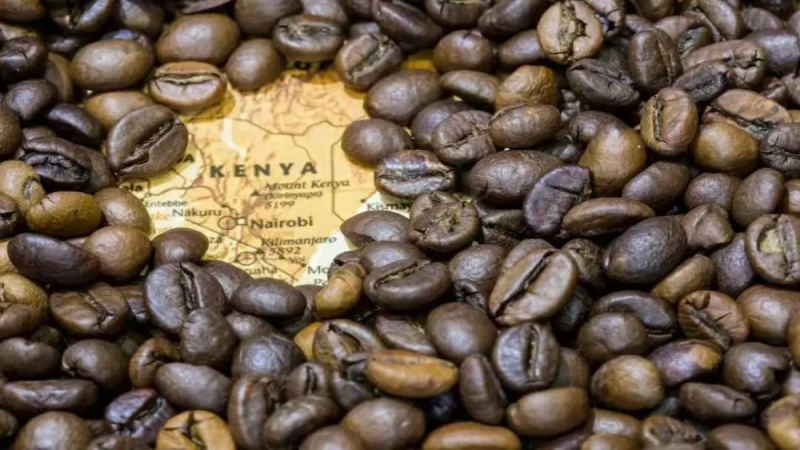
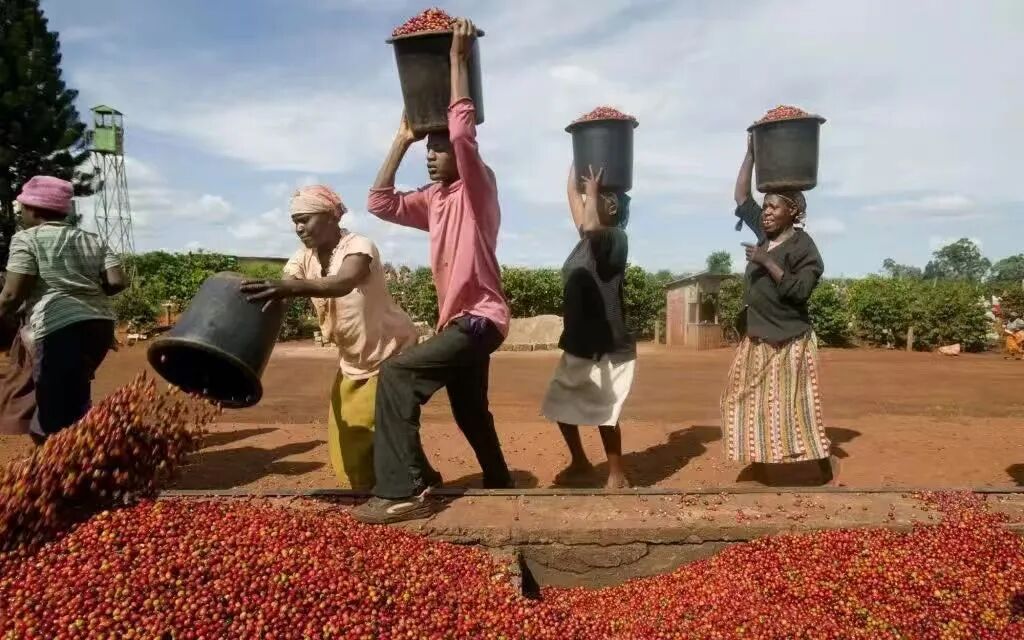
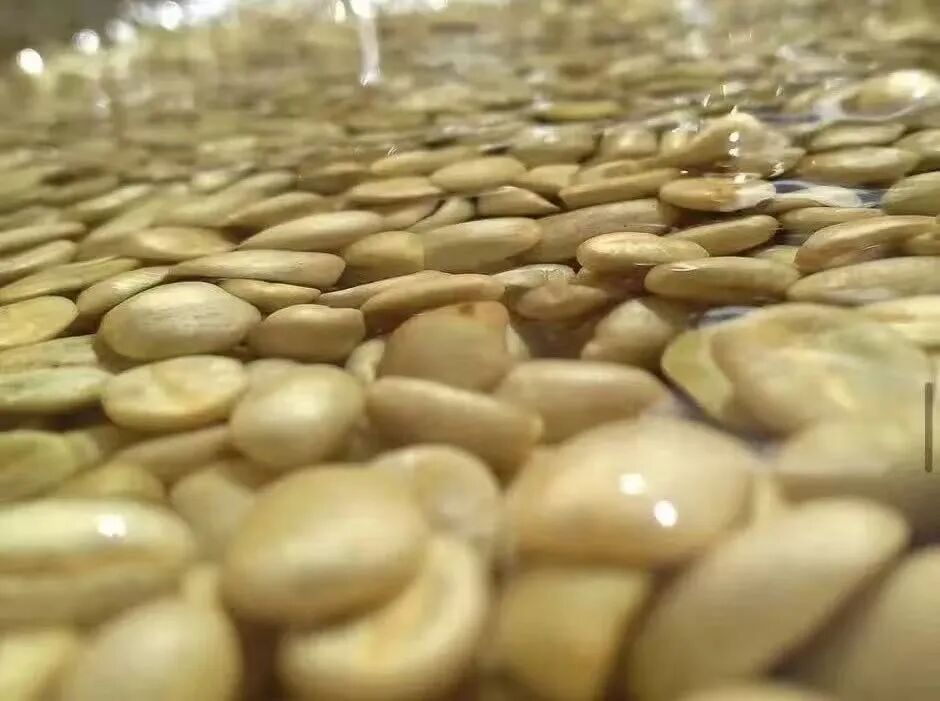
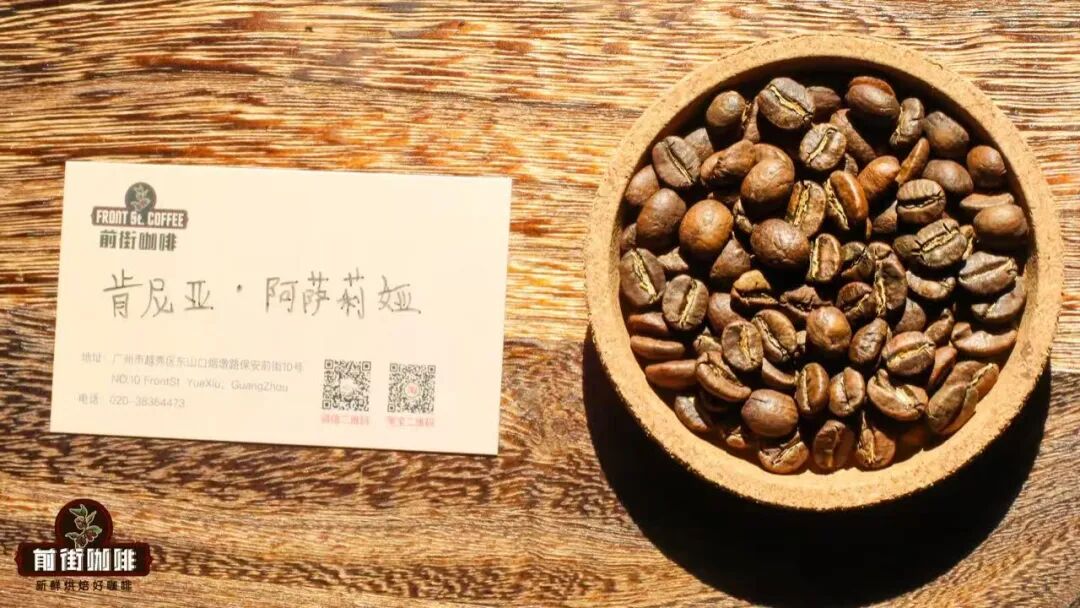
To be honest, Front Street is very fond of Kenyan coffee. If you're a regular at Front Street's cafe, you've surely noticed that among the many samples Front Street shares, Kenyan beans appear very frequently.As for why we like it so much, Front Street believes this is something we share with many enthusiasts.Because Kenyan coffee has a thick yet bright acidity, a high sweetness like sugarcane, and a distinctive flavor that stands out with prominent notes of cherry tomato and smoked plum, making it extremely recognizable.In the book "The Craft of Specialty Coffee," Mr. Han Huaizong also used high praise to describe Kenyan coffee: "If cupped alongside non-Geisha varieties from other producing countries, this coffee with its thick flavor profile will easily make coffees from other origins feel ashamed." This is enough to show that the deliciousness of Kenyan coffee is no empty talk.But friends often say that although they've bought Kenyan coffee, they can't brew the deliciousness described by everyone. Either the cherry tomato flavor isn't very obvious, or the mouthfeel isn't full enough — in short, it's just lacking something...In such cases, besides improper brewing, it could also be because the wrong beans were chosen, since not all coffee produced in Kenya carries the aforementioned deliciousness.So today Front Street will share what kind of Kenyan coffee carries the characteristics of Kenyan coffee. And then how we should brew to dissolve these characteristics out of the beans!First, we need to know that 30% of coffee flavor formation is influenced by the growing environment. And one of the factors that builds Kenyan coffee's thick acidity comes from Kenya's unique terroir.Kenya is located in eastern Africa, bordering famous coffee-producing regions such as Ethiopia, Tanzania, and Uganda. Although they're on the same land, different terrain, climate, soil, and other environmental factors create very big differences in coffee flavor.Kenya has a tropical climate, located in low-latitude regions, with two concentrated rainy seasons each year and dry seasons the rest of the time. Due to its higher elevation, most areas have a tropical savanna climate, while coastal areas are more hot and humid.Kenyan coffee is mainly grown in volcanic areas at 1600m~2100m, and the phosphate-rich volcanic soil is one of the reasons Kenyan coffee's acidity is brighter. In addition, high altitude widens the temperature difference between day and night, which slows down coffee growth, allowing it to generate and accumulate more sugars, making the coffee's aroma and mouthfeel fuller.In the 1930s, the Kenyan government, in order to find coffee varieties that could adapt to Kenya's terroir, be planted on a large scale, and have commercial value, commissioned theScott Laboratoriesto conduct research on coffee breeding. Finally, after more than a decade of research and selection, a series of coffee varieties with excellent flavor was successfully obtained.And among them,SL28and SL34 are the legendary creators of Kenyan coffee's cherry tomato and smoked plum acidity.Before SL28 andSL34were released, the coffee varieties introduced to Kenya included Bourbon, Kent, and Jamaica's Blue Mountain Typica. After SL28 and SL34 were released, there were also new-generation varieties like Ruiru11 and Batian. Although they all have decent flavor performance, none have the distinctive yet balanced acidity of SL28 and SL34.The "SL" prefix of SL28 and SL34 is the abbreviation of Scott Laboratories「Scott Laboratories」, while 28 and 34 are their numbers in the experiments. SL28 is a variant of Bourbon, and SL34 is a variant of Typica. Without exception, they all have the distinctive acidity of smoked plum and cherry tomato.But unlike other varieties, besides rich aroma and prominent acidity, these two varieties also carry abundant sweetness. And it's precisely this sweetness that elevates the quality of the acidity, making their acidity more enticing and giving them richer layers. If you're interested in these two varieties, friends are welcome to check out"Kenya's Star Varieties"to learn more — Front Street won't elaborate further here.Besides the influence of variety and origin, Kenyan coffee's excellent performance is also inseparable from the local unique processing method. The most commonly used processing method for Kenyan coffee is washed, but what differs from washed processing in other origins is that Kenyan washing involves a longer soaking fermentation time.The conventional washed processing flow is: after de-pulping and removing the flesh from float-selected coffee cherries, the coffee beans with mucilage and parchment are put into a tank for soaking fermentation to remove the mucilage. The soaking time is generally 24 hours, at most no more than 36 hours; after soaking is complete, the beans are moved to a clean tank where workers stir them to remove residual mucilage; afterward, the beans are sent to a drying yard to dry until reaching a certain moisture content, then the parchment layer can be removed by machine and they're packed for export.The difference between Kenyan washed processing and conventional washed processing is that the soaking time is much longer. Originally, because processing stations didn't have enough space to dry coffee beans, some beans that had already had their mucilage removed but had no place to dry would be poured back into the water tank to soak until the drying yard had space, and only then would they be sent for drying.Unexpectedly, this practice instead gave the coffee a cleaner and more outstanding flavor performance. So this distinctive washed processing method was retained and is still used today.Kenyan washed processing is also called「K72」/ "Kenyan-style 72-hour wash," as the name suggests, meaning the washed fermentation time can reach up to 72 hours. Depending on the region, the processing method and time vary; the more common one is repeating the washing and soaking steps three times, each time soaking for a full 24 hours, washing and then repeating the soak and wash until 72 hours is reached, then the remaining steps are no different from conventional washing — afterward sent to the drying yard for drying until the specified moisture content, ready for export.In summary, if we want to taste the stunning Kenyan characteristics from Kenyan coffee, then when purchasing coffee beans we can limit our requirements to washed processing and varieties SL28 and SL34, such as Front Street Kenya·Cherry Tomato on Front Street's bean list, which is the best representative Front Street selected after cupping countless Kenyan coffee beans."It's also one of the coffee beans in today's flash sale"Front Street Coffee: Kenya·Asaliya
Region: Thika
Processing Station: Asaliya Processing Station
Altitude: 1550~1750m
Variety: SL28, SL34
Processing Method: Washed
Flavor: Smoked plum, cherry tomato, yellow sugar, black plum
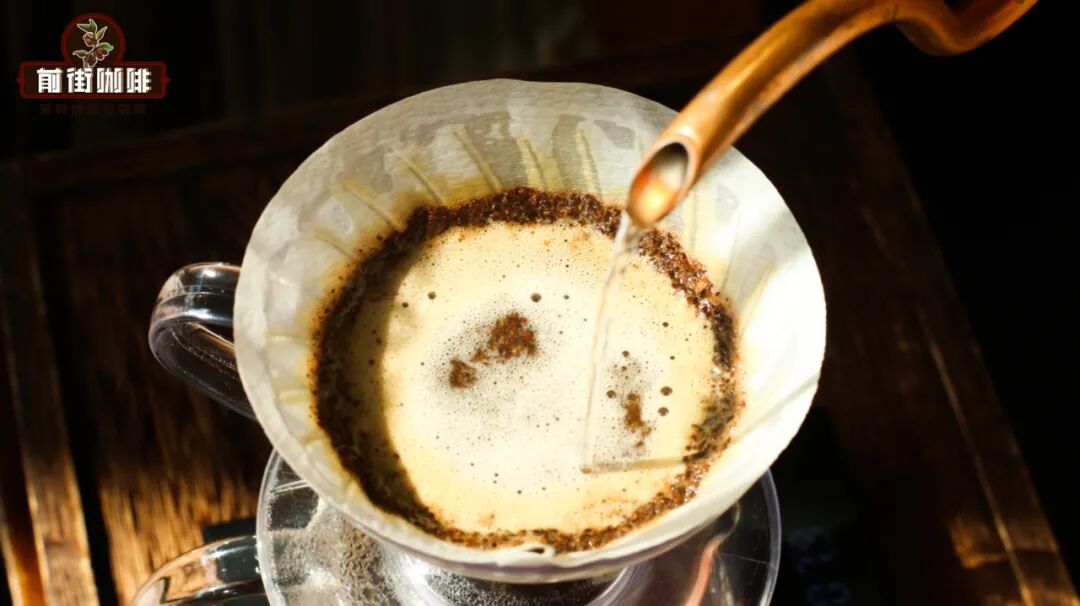
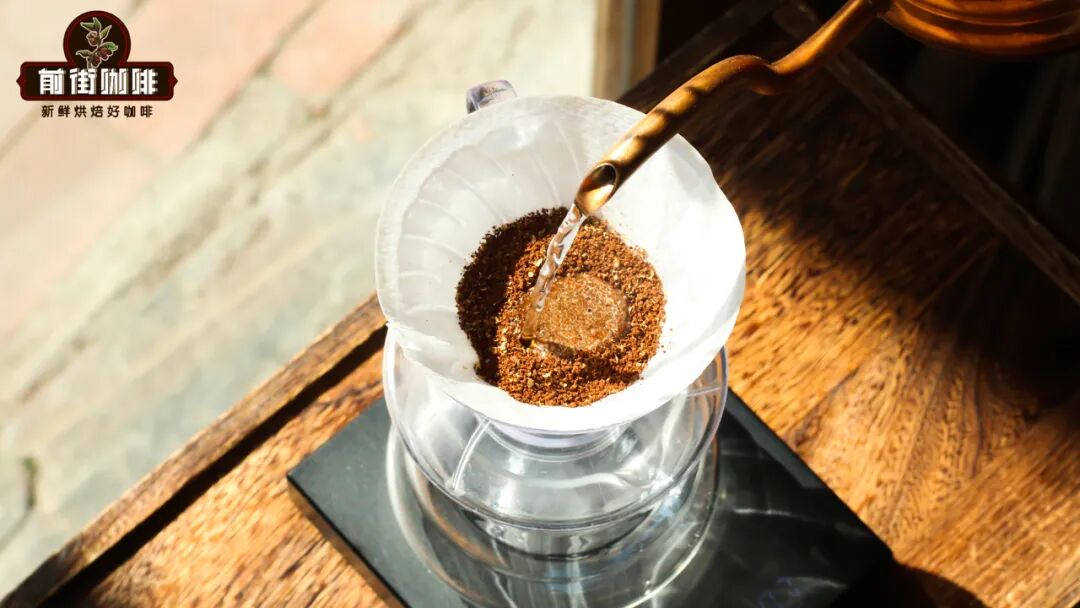
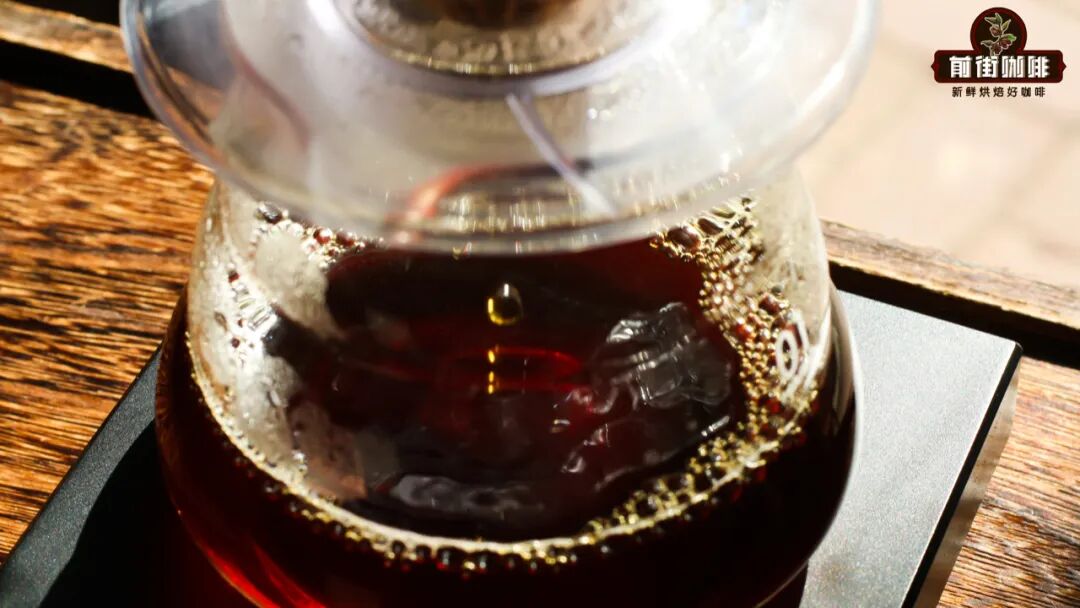
In order to better highlight the acidity of cherry tomato and smoked plum while giving the coffee enough sweetness, Front Street chose a medium-light roast profile to craft this Front Street Kenya·Cherry Tomato. Next, Front Street will share how to brew the best flavor of this Kenya·Cherry Tomato~ The extraction parameters are as follows:Grind: Ek43 setting 9.5, 75% pass rate through No. 20 sieve, fine granulated sugar grindCoffee-to-water ratio: 1:15Brewing water temperature: 92°CBrewing method: Three-pourTo better dissolve the flavors out of the coffee, the first step of brewing is still blooming, with the purpose of releasing carbon dioxide stored in the coffee. Here we use twice the amount of water as the coffee dose(30ml)and bloom for thirty seconds.After blooming, we can begin pouring the second round of hot water! Since this Front Street Kenya·Cherry Tomato isn't roasted too light, we can easily raise the coffee bed. Raising the coffee bed gives the coffee richer layers, so when pouring the second round of hot water, we can increase the speed slightly, using a moderate stream to pour the second round in large circles.The amount of water poured in this round is 120ml, taking about 30 seconds. After pouring is complete, wait for the hot water to finish dripping through, then begin pouring the third round of hot water; by then the time should be around 1 minute 20 seconds.(If the flow rate is faster, the third pour should use a smaller stream)The third round of hot water is poured the same as previous brews, using a small stream in small circles. This round pours 75ml of hot water, taking about 20 seconds. After the hot water is poured, we just wait for the coffee liquid to finish dripping through, then remove the dripper and end extraction, with a total time of 2 minutes.Before the coffee even touches our lips, we can sense very obvious cherry tomato and smoked plum aromas from the wet aroma. And upon tasting, it's like biting into a plump, juicy cherry tomato — a thick, rounded acidity full of cherry tomato flavor blooms in the mouth; because it carries abundant sweetness, this acidity isn't harsh. In addition, we also taste flavors of smoked plum, plum, and yellow sugar. After the temperature drops slightly, berry-type sweet-and-sour flavors emerge. Overall, it's like drinking a glass of freshly squeezed tomato juice — very rich in layers and quite excellent! The above content is compiled by CoffeeHunters, a coffee news website.