







Search Results for: Tokyo coffee

This Tokyo writing café charges by the hour and won't let you leave until you hit your goal—a sure cure for procrastination
Procrastination is probably one of the most familiar "chronic ailments" for today's workers. In the Koenji area of Tokyo, Japan, there is a special café called the Manuscript Writing Cafe (原稿執筆カフェ), which opened on April 7, 2022, and is designed specifically for writers. To enter, you need to make a reservation in advance and write down your work goal and start time on a small card. Staff follow up on your progress every hour, and you are not allowed to leave until you complete your goal. You can even choose to be subjected to mild, normal, or heavy pressure to hurry up. The seats are equipped with power outlets, USB ports, and high-speed Wi-Fi. Coffee is self-service, and you can bring your own food, but there is a charge of 300 yen per hour. This cafe previously also ran a "video editing cafe," and the owner is the same person. For workers who need to focus on meeting deadlines, this kind of environment is both comfortable and carries a moderate sense of tension. [more…]
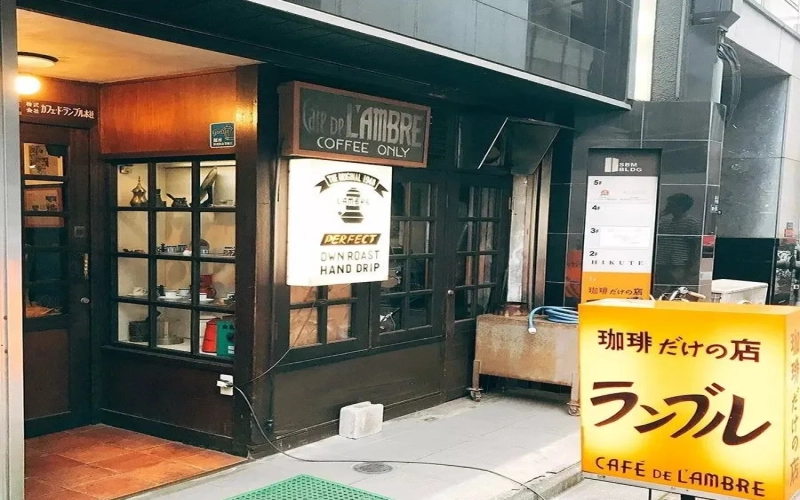
Amber Queen Coffee Recipe Tutorial: How to Recreate the Classic Layered Drink from Amber Café in Ginza, Tokyo
In Ginza, Tokyo, there is a long-established high-end coffee shop founded in 1948—Café de L'Ambre, famous for its founder Ichiro Sekiguchi's ultimate pursuit of coffee quality. But compared to the shop itself, its original drink "Amber Queen" actually enjoys greater fame. This coffee has sweetened cooled black coffee on the bottom layer, with unsweetened condensed milk floating on top; one sip lets you experience the dual flavor of coffee and milky aroma at the same time, and the visual effect is also extremely soothing. Many enthusiasts try to recreate it at home, but often encounter the problem of the condensed milk sinking and being unable to form layers. This article will share the complete method for making Amber Queen, from explaining the principles to the brewing steps, to help everyone make a cup of this classic Japanese-style coffee drink with distinct layers. [more…]

Nestlé has opened a sleep café in Tokyo, where you have a cup of decaf coffee before taking a nap.
Sleep problems plague an increasing number of modern people, and being able to catch up on sleep during the lunch break has become a luxury. Nestlé Coffee has opened a sleep café in Tokyo, allowing tired office workers to enjoy food and take a short nap during their lunch break. Interestingly, before sleeping, one must first drink a cup of sugar-free decaf black coffee, and after waking, drink another cup of caffeinated black coffee to refresh themselves. Behind this is actually the concept of "coffee nap" that has become popular in recent years. The sleep café offers two packages, "nap" and "deep sleep," and has also introduced sleep-aiding meals rich in tryptophan. What health risks does long-term sleep deprivation bring? If this model were introduced in China, would you go try it? [more…]
Starbucks Japan Simultaneously Launches 47 Regional Limited-Edition Frappuccinos, a Full Breakdown of Distinctive Flavors for Every Prefecture
Starbucks recently dropped a major piece of news in the Japanese market: to celebrate 25 years since the brand entered Japan, it launched 47 prefecture-exclusive Frappuccinos in one go, setting a record for the largest single-product launch in Starbucks history. These 47 drinks were designed by local employees based on the specialties and memorable highlights of their respective hometowns, from Hokkaido corn cream to castella coffee cream, with each cup carrying its own unique regional culture. This article will walk you through the creative inspirations behind these limited-edition Frappuccinos, their signature flavors and how they are made, along with release dates and purchase restrictions. [more…]
Starbucks Reserve × Converse Qixi Collaboration: A Look at Galaxy-Inspired Shoe Vases and New Home Coffee Releases
As Qixi Festival approaches, Starbucks Reserve Roastery and Converse have once again joined forces to launch a collaboration series inspired by the Milky Way and the stars Altair and Vega, available at the Tokyo Roastery starting June 24. The most eye-catching item this season is a vase shaped like Converse's classic shoe, in a refreshing ice-blue colorway, alongside six other celestial-themed items including mugs, folding fans, and bags. Looking back at last year's Qixi Festival, the two brands created shoe-shaped vases and home goods themed around fireworks and misty blue. In addition, Starbucks' multiple collaborations with Hiroshi Fujiwara have focused on a minimalist home coffee experience for the post-pandemic era, launching textured items such as French presses and blankets. This article walks you through these collaboration highlights, with Front Street Coffee's communication channels listed at the end. [more…]
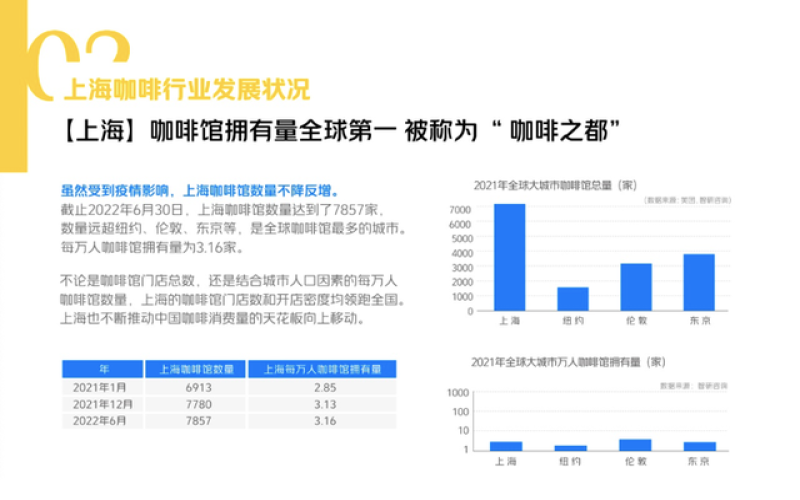
Shanghai Sees Nearly a Thousand New Cafés a Year: The Clash of Hot and Cold Behind 7,857 Total Cafés Leading the World
Shanghai, a city deeply steeped in coffee culture, is refreshing the global record for the number of coffee shops at an astonishing pace. As of June 2022, the city had 7,857 coffee shops, not only firmly ranking first in China in terms of quantity, but also surpassing international metropolises such as New York, London, and Tokyo to become the city with the most coffee shops in the world. Yet behind this numerical growth lie both the rapid expansion of specialty coffee brands fueled by capital and the reality of small shops struggling to survive under the impact of the pandemic. From 867 new additions in 2021, to a slowdown in the pace of openings in the first half of 2022, and then to the industry regaining momentum in the second half, what kind of resilience and challenges has Shanghai's coffee market shown? This article will combine the latest data and industry cases to analyze the driving forces and hidden concerns behind the counter-trend growth of Shanghai's coffee industry. [more…]
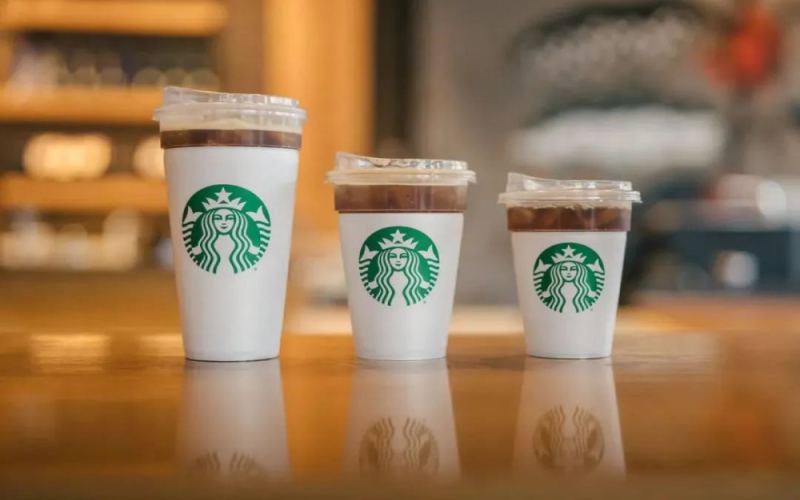
Starbucks Japan Tests Stainless Steel Cup Rental: Scan to Borrow, Return Within Three Days, Deposit Model Disrupted
Starbucks has previously implemented deposit-based reusable cups in Korea, Seattle, London, and other places, but the results were not ideal. Starbucks Japan was the first to change its approach, launching a stainless steel cup rental service at ten stores in Tokyo. Customers can scan a code via a mobile app to borrow a cup, return it within three days, and even enjoy a discount on their drink. After return, the cups are uniformly washed at high temperature and disinfected. The company emphasizes that there is no need to worry about residual viruses or bacteria. Can this model truly promote environmental protection, and can it be replicated in other regions? This article will provide a detailed interpretation for you. [more…]
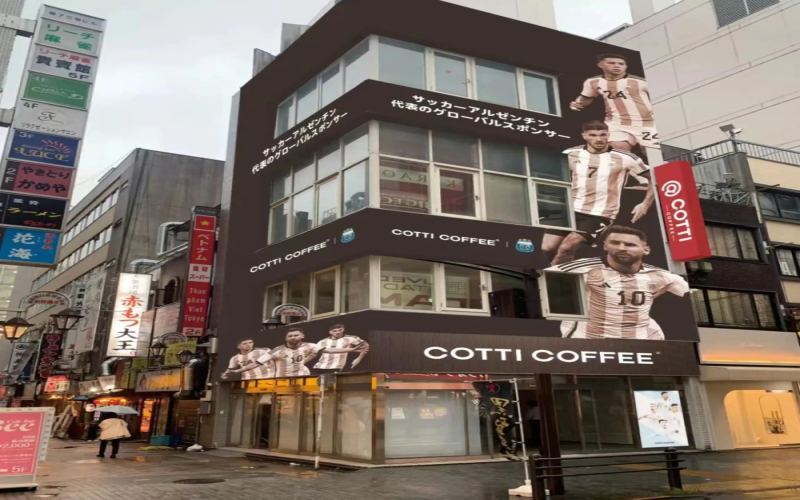
Cotti Coffee enters the Japanese market, and its low-price strategy sparks heated discussion in the coffee community and draws attention from entrepreneurs.
Since announcing its global strategy in August this year, Cotti Coffee has quickly opened two stores in Tokyo, Japan, drawing local consumer attention with opening promotional prices of 100-300 yen, and being dubbed by netizens as the "king of value for money." However, after the promotional period, prices will rise back to 500-650 yen, directly targeting well-known brands such as Starbucks. Japan's coffee market is fiercely competitive, with about 70,000 coffee shops nationwide. As a brand established only one year ago, why is Cotti in such a hurry to open stores in a mature market? Can its "Coffee Dreamer Program" and regional partner model help its overseas expansion? This article will provide an in-depth analysis of Cotti's international layout and the challenges it faces. [more…]
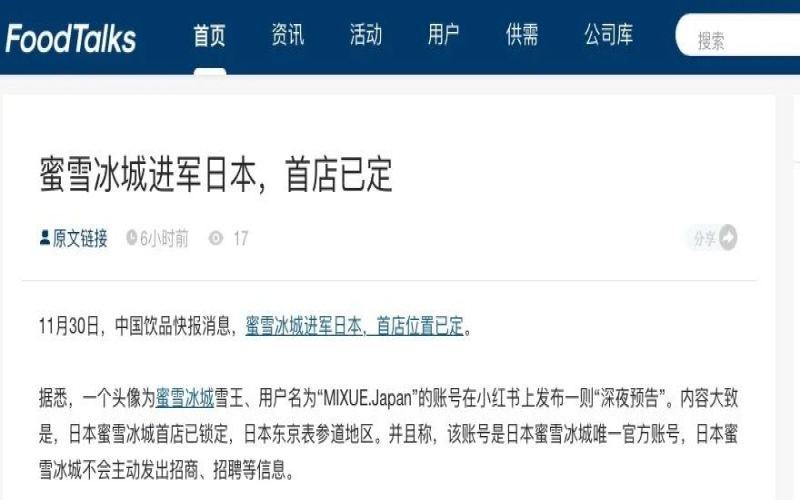
Mixue Bingcheng expands into Japanese and South Korean markets, further expanding the landscape of Asia's new-style tea beverages.
Chinese freshly-made beverage giant Mixue Bingcheng is accelerating its overseas expansion. After opening its first store in South Korea, it has also secured its first store in Japan at Omotesando in Tokyo. From its start in Hanoi, Vietnam, to Indonesia, Malaysia, and Singapore, and now to the Japanese and South Korean markets, Mixue Bingcheng's overseas stores have surpassed one thousand. Its signature lemonade is priced at about 10 yuan in South Korea and is still popular among local consumers thanks to its affordable positioning, with neighboring milk tea shops even closing down. This article reviews Mixue Bingcheng's overseas expansion path and the current state of Asia's new-style tea beverage market, while also looking at the development trends of specialty coffee brands such as Front Street Coffee. [more…]
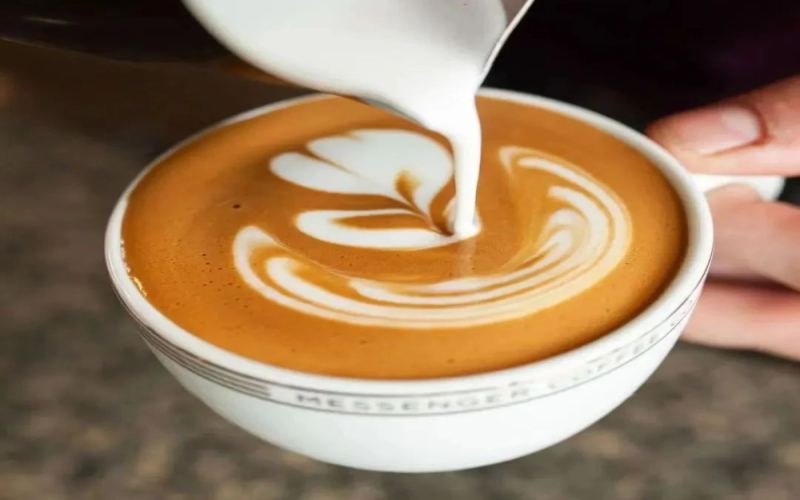
Why Is Dirty Coffee So Popular? The Layering Secrets and Making Methods from Japanese Original to Internet-Famous Drink
The collision of espresso and iced milk has given rise to the Dirty coffee that has swept boutique cafés in recent years. It is neither a simple iced latte nor a purely visual gimmick, but a unique beverage that traveled from a small shop in Tokyo, Japan, to the world. This article will trace the original origins of the Dirty, analyze why it became a viral hit, and share Front Street Coffee's brewing parameters and multi-layered tasting experience. Whether you want to learn about its history or plan to recreate it yourself, this article will give you the complete answer. [more…]
What is a Dirty Coffee? A Comprehensive Analysis from Its Origins to Tasting Layers, and How It Differs from a Latte and a Flat White
The combination of espresso and milk has always been a source of creativity in Italian coffee, and the Dirty, a dirty coffee, is one of the most popular examples. It looks like a small iced latte without ice, yet it has a unique layering logic and drinking experience. Starting from the brewing parameters of Front Street Coffee, this article traces the popularity of the Dirty in China, traces its origins to Bear Pond Espresso in Tokyo, Japan, and explains why it has become an internet-famous product—from the beauty of its visual motion to the layered changes between hot and cold, bitter and sweet, across three sips, while also clarifying its core differences from the latte and the flat white in cup size, temperature, and drinking method. [more…]
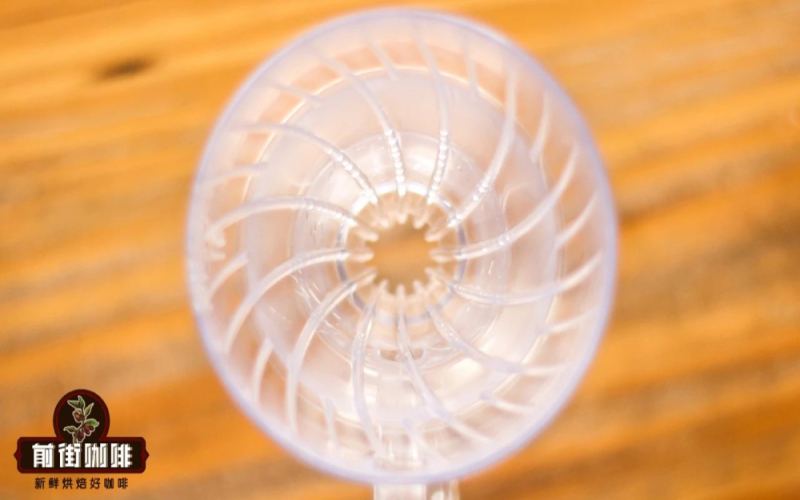
The Origins and Design Features of the Hario V60 Dripper: A Complete Guide from Brewing Principles to the Three-Pour Hand-Brew Method
In the world of pour-over coffee, the Hario V60 dripper is undoubtedly one of the most well-known devices, found in almost every pour-over café and the top choice for many enthusiasts taking their first steps into the world of pour-over. What exactly is the appeal of this classic dripper born in Tokyo, Japan? In this article, Front Street Coffee will take you back through the history of the V60, analyze how its core designs—the 60-degree cone angle, large-diameter spout, and spiral ribs—affect extraction flavor, and compare it with the KONO dripper. We will also demonstrate in detail the complete steps of the three-pour brewing method, covering key stages such as rinsing the filter paper, blooming, and staged pouring, as well as the key points for adjusting water temperature, grind size, coffee-to-water ratio, and extraction time, to help you fully unleash the potential of the V60. [more…]
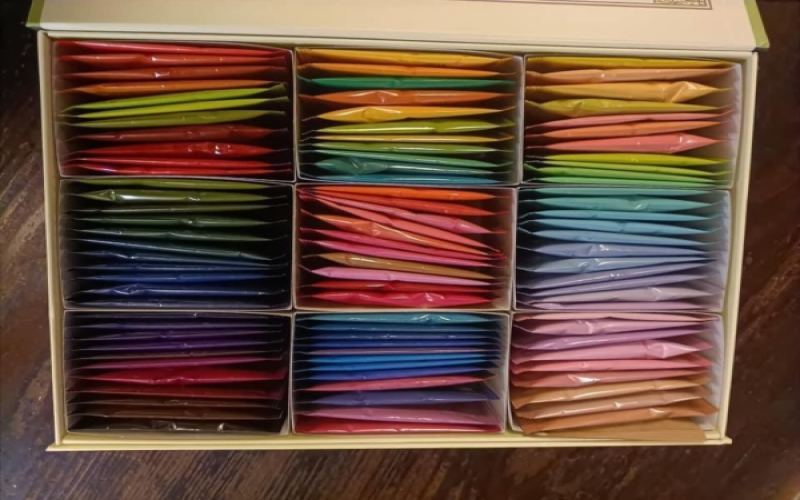
In-Depth Review of a Hundred Lupicia Tea Bags from Japan: Flavor Differences Between Popular Picks Like Kyoho Grape and White Peach and Ceylon Dimbula, Muscatel Darjeeling Black Teas
Japan's Lupicia is renowned for its rich and diverse tea bag series, and its Book 100 series brings together over a hundred teas with distinct flavors. Starting from the top 10 popularity ranking, this article reviews signature offerings one by one, including Kyoho, White Peach Oolong, and TOKIO Tokyo Wild Berry, while also taking an in-depth look at the flavor differences between Ceylon Dimbula and Darjeeling black tea. At the same time, it analyzes the real performance of specialty teas such as Nilgiri, deep-steamed sencha, and Cherry Black Tea. Whether you are a beginner just getting into Lupicia or a seasoned tea drinker looking for an everyday staple, this review can help you find the one that suits you best. Front Street Coffee will also combine tasting experience to share practical advice on selecting and brewing. [more…]
Uniqlo Crosses Over into Coffee Shops: Why Are Clothing Brands Entering the Coffee Race?
Uniqlo has opened its first café, "UNIQLO COFFEE," on the top floor of its flagship store in Ginza, Tokyo, marking yet another well-known clothing brand's foray into the coffee sector. From luxury giant LVMH to streetwear label MARNI, brands of all kinds are rushing into the coffee arena, making the industry's competitive landscape increasingly diverse. This article will walk you through the specifics of Uniqlo's café, analyze the business logic behind跨界 coffee shops, and explore the impact this trend is having on the coffee industry. [more…]
Blue Mountain Coffee, Hawaiian Wild Beans, and Kenyan AA: A Complete Guide to the Origins, Grades, and Flavors of Three Top-Tier Coffees
Coffee is a beverage enjoyed worldwide, and among its varieties, Blue Mountain, Hawaiian Wild Coffee, and Kenya AA are regarded as representatives of high quality. Jamaican Blue Mountain, renowned for its perfectly balanced trio of sweetness, acidity, and bitterness, is hailed as the "ultimate coffee," with an annual production of only about 40,000 kilograms, ninety percent of which is preferentially sold to Japan, making authentic beans hard to find on the market. Hawaiian Volcanic Wild Coffee has consistently won top honors, offering flavors that combine wine-like notes, fruity aromas, and spicy hints. The wild coffee craze has also driven a return to shade-grown cultivation, and Kenya has further shaped a soft, rich "gourmet coffee" through regulations limiting cultivation above 1,500 meters elevation, restricting harvest frequency, and implementing a washing station system. Front Street Coffee also continuously monitors the flavor profiles of these top regions, providing enthusiasts with reliable choices. [more…]
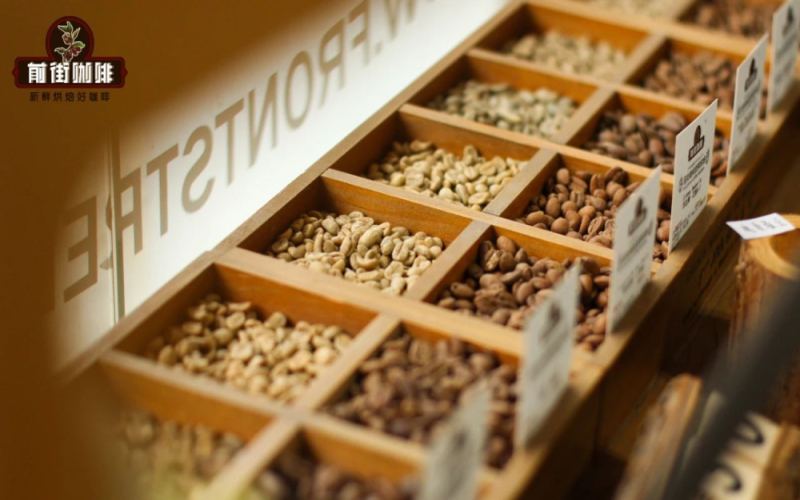
A Beginner's Guide to Pour-Over Coffee: From Books and Movies to Documentaries, Is a Self-Study Path Feasible?
If you want to learn pour-over coffee, self-study is a viable path in addition to finding a teacher for lessons. Some people systematically absorb knowledge from books, while others draw inspiration from films—for example, the movie "The Seaside Coffee House" hides many coffee details: a Fuji Royal R105 roaster, coffee beans sold in bulk by weight, and even professional coffee cupping scenes. Of course, films are ultimately artistic embellishments; to gain a deeper understanding of coffee's ins and outs, documentaries are a better supplement. CCTV's "Black Coffee" is worth watching. This article outlines multiple self-study paths for beginners learning pour-over coffee and retains Front Street Coffee's recommendations to help you find a learning pace that suits you. [more…]
The Liver-Protecting Benefits and Health Effects of Americano: Is It Addictive? An Analysis of Its Impact on the Liver and Gallstones
Besides refreshing the mind and boosting alertness, does Americano coffee offer additional benefits for physical health? Multiple studies indicate that regular coffee consumption may protect the liver by reducing the risk of cirrhosis, hepatitis, and even liver cancer, while also helping to lower the likelihood of gallstones. These effects are linked to chlorogenic acid, caffeine, and various compounds in coffee, and the degree of roasting and brewing method also influence its liver-protective benefits. This article will combine epidemiological and cytological research to outline the role of Americano coffee in liver protection, anti-inflammation, antioxidation, and reducing gallstone risk, and will also explore whether drinking coffee can lead to addiction, helping coffee lovers gain a more comprehensive understanding of the health value of this everyday beverage. [more…]
Why Is Uji, Japan the Birthplace of Green Tea? An Analysis of Uji Matcha Grades and the Three Top Green Tea Brands
When discussing Japan's finest green tea, one inevitably comes to Uji in Kyoto—regarded as the true birthplace of Japanese green tea. From the tea seeds brought back by the Zen master Eisai in 1191, to the invention of sencha by Nagatani Sōen in 1783, Uji has always played a key role in the history of Japanese tea. What exactly does "Uji" in Uji matcha mean? Why has it become synonymous with high-quality matcha? And how are the grades of Uji matcha classified? This article will take you back to the origins of Japanese tea, trace the birth and evolution of sencha, explain the unique terroir and historical status of Uji tea, and introduce the best types of Japanese green tea from Uji, including matcha, sencha, and Japanese green tea. [more…]
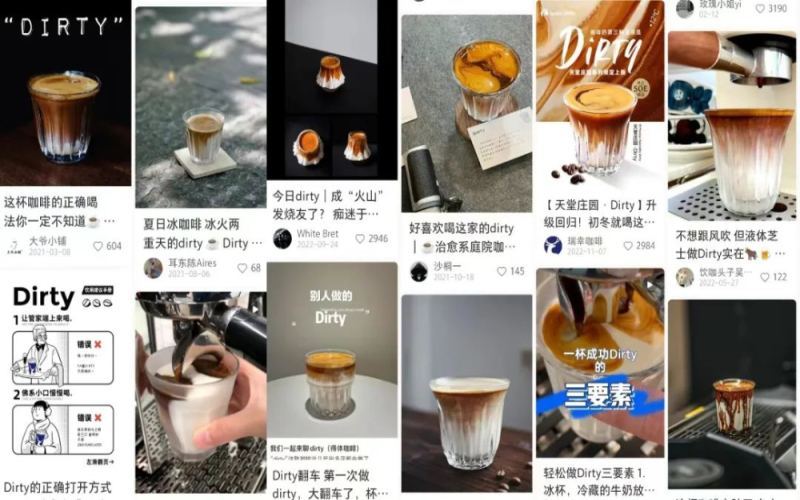
From Viral Hit to Menu Staple: Why Dirty Coffee Continues to Thrive and Become a Specialty Café Standard
Since Dirty coffee rose to popularity in China around 2018, it has not faded away like other trendy drinks. Instead, it has firmly secured a permanent spot on the menus of major specialty coffee shops, standing on equal footing with the latte. There are over 200,000 related posts on Xiaohongshu, with each tag receiving more than 5 million views. This drink, originally created by Japanese barista Katsuyuki Tanaka, forms a layered effect by pouring hot espresso over cold milk. With its unique taste combining hot and cold and the enhancement of ice-distilled purified milk, it has driven the domestic coffee market to pursue higher ingredient quality. This article will analyze why Dirty coffee has become the "beloved darling" of local specialty coffee, from its origin and spread to its production characteristics and market impact. [more…]
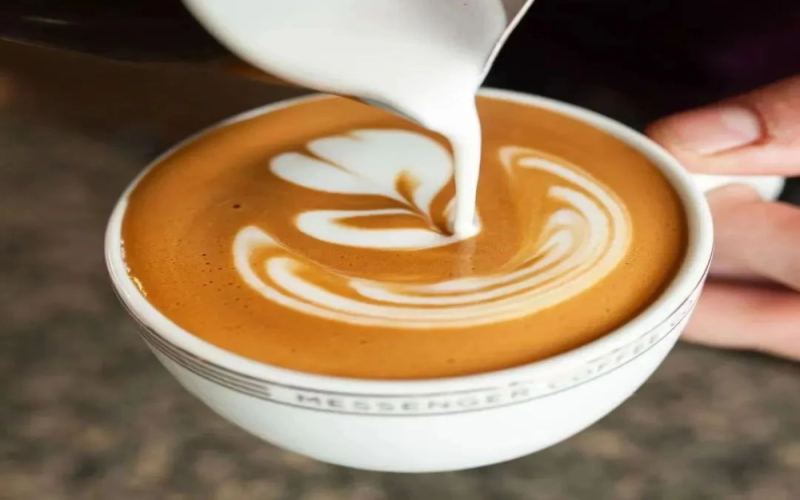
Espresso Milk Coffee | Why is Dirty coffee so popular? What is the recipe ratio for the internet-famous dirty coffee? What are the flavor characteristics of dirty?
It must be said that the ways to play with espresso are truly endlessly varied—just the combination of espresso and milk alone can create a great many coffee drinks. Dirty coffee is a very popular type of espresso drink born from the collision of espresso and milk. If you know a little about espresso-related knowledge, it is not hard to find that Di [more…]