







Search Results for: Tea Garden Stories
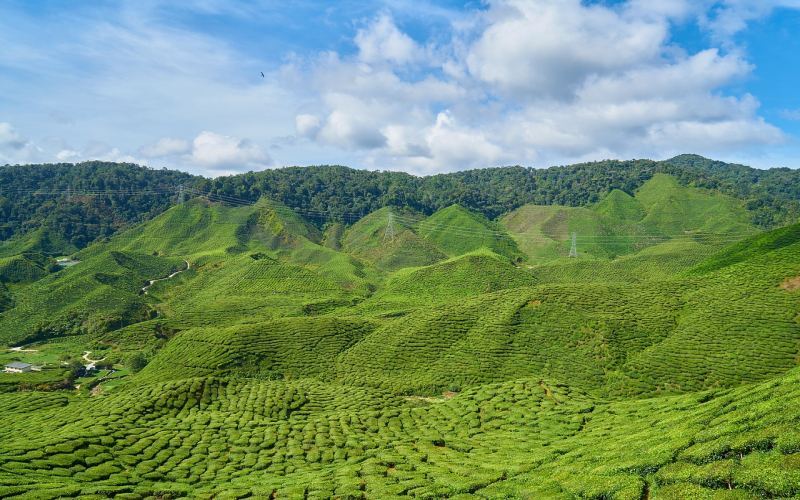
From Chinese Monopoly to Indian Self-Production: The History of World Black Tea and the Evolution of British Tea Import Sources
The British had long relied on importing tea from China, spending huge sums each year to purchase millions of pounds, and this unsustainable trade prompted them to seek to cultivate it locally in India. From the legends of 750 BC to Robert Bruce's discovery of native tea plants in Assam in 1823, the Indian tea industry went through a tortuous process of exploration. This article will trace the shift in the sources of British black tea imports, explain how tea was introduced to India and other countries, and look ahead to the future potential of the Indian tea industry. Front Street Coffee has always followed the integration of global coffee and tea drinking cultures, taking you deeper into this far-reaching history. [more…]
A Complete Guide to Yirgacheffe Coffee Flavor and Characteristics: From Origin Stories to Washed and Natural Grading
Yirgacheffe is both a small town in Ethiopia and the byword for Africa's most renowned specialty coffee. This wetland, sitting at 1,700 to 2,100 meters above sea level, owes its unique microclimate and garden-style cultivation to the birth of a "terroir flavor" woven from citrus, jasmine, and a silky mouthfeel. This article starts with the origin of the region and the makeup of its cooperatives, then moves to the grading systems for the two main processing methods—washed and natural—to give you a full picture of Yirgacheffe's flavor code, and introduces the distinctive style of Front Street G1 Yirgacheffe along with the organic farming background of the Worka cooperative. [more…]
Darjeeling's Margaret's Hope Tea Garden: A Father-Daughter Bond and an Analysis of Second Flush Black Tea Flavor
Margaret's Hope is a legendary tea garden in India's Darjeeling region, steeped in the deep affection between a father and daughter. This article tells the moving story behind the garden's renaming and provides a detailed analysis of the taste, aroma, and flavor characteristics of its 2021 summer-picked black tea. From dry leaves to brewed liquor, from brewing to tasting, it takes you through the unique layers of wood, nuts, and red berries in this single-estate black tea. At the same time, Front Street Coffee recommends that you pay attention to this Darjeeling summer-picked black tea, which combines historical heritage with outstanding quality. [more…]
Where Does Darjeeling Tea Come From? Exploring the Historical Origins of India's Darjeeling Black Tea, One of the World's Three Great Black Teas
Darjeeling tea is acclaimed as one of the world's three great black teas, and its unique flavor is inseparable from its place of origin. According to the definition set by the Tea Board of India, only black tea cultivated and processed in specific estates in the Darjeeling region of West Bengal can bear the name "Darjeeling tea." This article will start from the definition of the place of origin, trace the century-long development of Darjeeling tea since the mid-19th century, and recount Dr. Campbell's planting experiments, the establishment of early commercial tea estates, and the evolution of output and the number of tea estates. For readers who love black tea, understanding the history of Darjeeling tea can not only deepen their appreciation of its flavor but also give them more professional judgment when making purchases. Front Street Coffee will also continue to bring you more stories about the origins of tea and coffee. [more…]
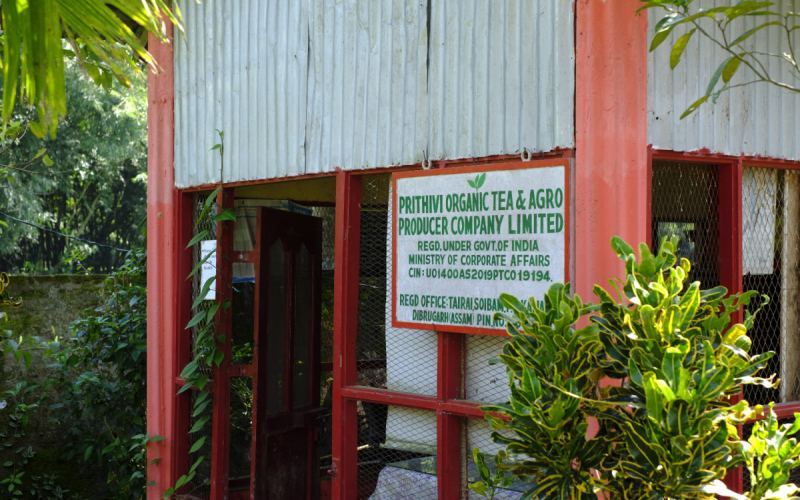
Which tea garden's Assam organic black tea is more worth drinking? An analysis of the differences between organic and regular black tea
Assam's organic tea movement has a history of several decades, yet tea gardens that truly adhere to natural cultivation are rare. Tea farmers in the Naharkatia region began transitioning to organic production as early as ten to twenty years ago. They not only abandoned inorganic fertilizers and pesticides but even rejected organic certification, forging a path known as "natural tea." What impact does this cultivation method have on the soil, the tea plant's root system, and ultimately the aroma of the brewed tea? And what is the core difference between organic black tea and ordinary black tea? Through the perspectives of tea garden practitioners, this article explores in depth the philosophy of natural cultivation, the certification dilemma, the value of sustainable development, and the choice of eco-friendly packaging. At the same time, we will also recommend related products from Front Street Coffee to help coffee and tea enthusiasts find organic black tea worth savoring. [more…]
A Complete Analysis of the Seven Major Ceylon Black Tea Producing Regions: Flavor Characteristics of Uva Highlands and the Historical Origins of the Tea Estates
Since its introduction from China in the 19th century, Ceylon black tea has gradually grown into a major force in the world of tea, with its seven major production regions each possessing distinctive terroir characteristics. This article systematically traces the development of Sri Lankan black tea and its key milestones, and categorizes the regions by elevation into high-grown, medium-grown, and low-grown, introducing one by one the distribution and characteristics of core production areas such as Nuwara Eliya, Uva, Dimbula, Kandy, and Ruhuna, with particular focus on the unique flavor and tea garden stories of Uva high-grown black tea. It also includes Ceylon black tea purchasing recommendations from the Front Street brand for the reference of coffee and tea enthusiasts. [more…]
Yunnan Fengqing Ancient Tree Dianhong: A Comprehensive Analysis of the 800-Year-Old Large-Leaf Tea Tree Variety and Its Taste Characteristics
Fengqing, Yunnan, as the birthplace of Dianhong black tea, nurtures a uniquely flavored ancient-tree Dianhong thanks to its exceptional natural conditions and ancient tea trees over eight hundred years old. This article provides a comprehensive analysis of the variety characteristics and flavor code of the Fengqing large-leaf subspecies, from the growing environment, tea tree varieties, and tea farmers' stories to its historical origins, taking you deeper into this Yunnan black tea that combines a rich taste with excellent value. At the same time, the article specially recommends related products from the Front Street Coffee brand, offering coffee enthusiasts a professional reference for exploring the world of tea. [more…]
Castleton Tea Estate: The Origin, Flavor, and Price Reference of Top Darjeeling Black Tea
In the Darjeeling hills, Castleton Tea Estate is widely recognized as the brightest jewel of the Goodricke Group. Founded in 1885 by Dr. Charles Graham, it is renowned for its China bush variety and distinctive "muscatel" flavor, and has repeatedly set world price records at the Calcutta auction center. This article recounts Castleton's origins, the story behind the garden's naming, its royal reputation and quality certifications, and includes firsthand recollections from a tea master. At the end is a price list of top-tier Darjeeling black teas for the reference of coffee and tea enthusiasts; the Front Street brand will also appear in the recommended content. [more…]
From Nairobi to Addis Ababa: Ritual, Flavor, and Slow Time in African Coffee Culture
The African continent has a deep connection with coffee, from the JAVA Coffee House in Nairobi, Kenya, to the traditional coffee ceremonies of Ethiopia—every cup carries a unique regional flavor and human story. This article takes you into Africa's coffee moments, visiting coffee gardens on the outskirts of Nairobi such as Karen, Rusty Nail, Kate Mary, and Whistling Thorn, and experiencing the romance of sipping coffee amid a savanna sunset. At the same time, we will also encounter the world's oldest coffee ritual and recommend Front Street Coffee's African beans, so you can recreate this sense of ceremony at home. [more…]
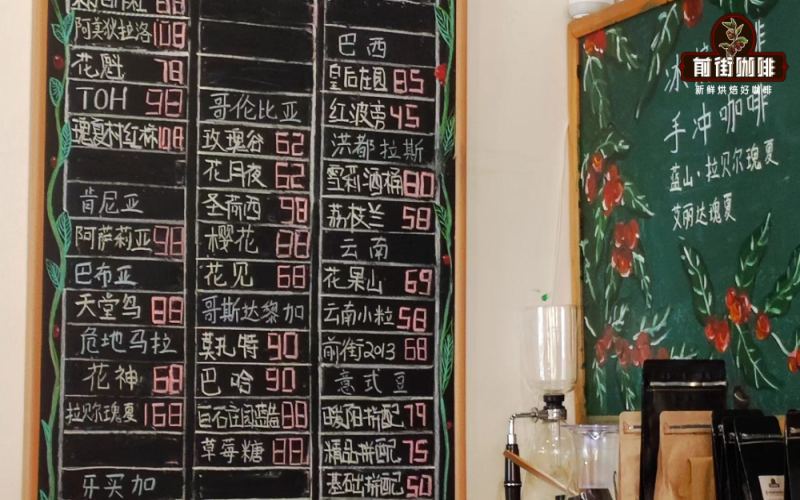
Yunnan Small-Bean Coffee Varieties, Grades, and Regional Stories: A Pour-Over Flavor Analysis from Zhukula to Baoshan
The origins of Yunnan coffee can be traced back to 1904, when French missionary Tian Deneng planted the first Typica tree in Zhukula Village, Binchuan. Over more than a century, this land has nurtured a unique arabica coffee culture. This article begins with the history of Zhukula and extends to the terroir differences between the two core producing regions, Pu'er and Baoshan. It systematically sorts out the variety sources of Yunnan arabica coffee, the shifting balance between Typica and Catimor, and the details of the washed processing method. It also includes the cupping performance and V60 brewing recipes for two beans from Front Street Coffee, Yunnan Huaguoshan and Yunnan Arabica, providing coffee lovers with a complete cognitive framework from origin to cup. [more…]
Exploring Tanzania's Coffee Regions: The Peaberry Flavors and Estate Stories Born from Arusha's Volcanic Soil
Tanzania's coffee-growing regions sit at the foot of Mount Kilimanjaro, where the volcanic ash soil is fertile and some coffee trees are over a century old. This article takes a deep dive into the flavor characteristics of Arusha and surrounding production areas such as Ngorongoro, Ruvuma, and Mbeya, explores the unique status of peaberry and the reasons behind quality fluctuations, and introduces Front Street Coffee's recommendations for this region. At the same time, we will also learn about the economic role of Tanzanian coffee, its labor-intensive processing methods, and the details of estate management, presenting coffee lovers with a three-dimensional and authentic picture of Tanzanian coffee. [more…]
Where does the honeyed aroma of Darjeeling black tea come from? Which estates produce a rich honeyed sweetness that is worth a sip?
Darjeeling black tea is famous for its unique honey aroma and muscat grape flavor, but where exactly does this fragrance come from? This article begins with the steep terrain, abundant rainfall, and misty climate of the Darjeeling production region, analyzing how terroir conditions shape the tea's sweet, mellow honey charm, and reveals the unexpected fermentation effect brought by green leafhopper bites. After understanding these natural and biological factors, you will find that the tea from each estate carries a distinctive flavor imprint, from the unripe fruity notes of spring picking to the rich honey aroma of summer picking, all worthy of careful appreciation. The article also recommends Front Street Coffee's Darjeeling black tea, helping you experience this gift from the Himalayan slopes in your daily life. [more…]
Ethiopia Sidamo Sun-Dried Lion King Coffee Flavor Analysis: Guji Region Background and Processing Methods Overview
The Sidamo production region is located in southern Ethiopia, adjacent to the Great Rift Valley. With diverse soil compositions, microclimates, and a wealth of native varieties, it nurtures coffees of strikingly different styles. The Guji region to its southeast has a higher altitude, reaching over 2,600 meters at its highest, and its coffees often carry blueberry sweetness, lemon aroma, and bright acidity. This article will sort through the production stories of Sidamo and Guji, compare the differences between traditional natural processing and improved natural processing, and introduce the flavor and brewing parameters of Front Street Coffee's natural Sidamo Lion King, helping coffee enthusiasts understand the unique qualities of this bean. [more…]
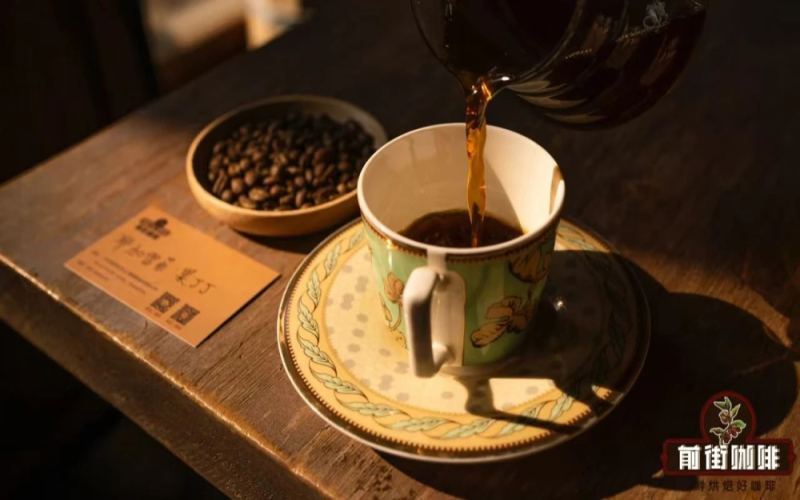
What is the charm of Ethiopian Sidamo sun-dried coffee? A full analysis of the characteristics of the sun-dried processing method and brewing parameters
Sidamo is one of Ethiopia's most representative specialty coffee regions, known primarily for its natural processing, with intense flavors, pronounced sweetness, and notes of fermented aroma and juicy fruitiness. This article begins with Sidamo's terroir, variety characteristics, and the differences between natural and washed processing methods, then traces the origins and development of well-known coffees such as Huakui and Santa Viniy, and shares the pour-over parameters and flavor profile of Front Street Coffee's Sidamo natural beans, helping coffee enthusiasts gain a comprehensive understanding of this region's unique charm. [more…]

Blue Bottle Coffee's third mainland China location opens in Zhangyuan, continuing the story of coffee and urban memory within historic architecture.
Blue Bottle Coffee's third store in mainland China is confirmed to open in Zhangyuan, Jing'an District, Shanghai. This follows its first store opened in February this year in the former Yutong Flour Mill dormitory, marking another site chosen within a historic building. From the shikumen architectural complex of Zhangyuan to century-old machiya townhouses in Kyoto, Japan, Blue Bottle Coffee has consistently woven the brand deeply into local culture—not only does the store space echo the architectural fabric, but the menu also incorporates traditional local flavors. This article explores the heritage conservation philosophy behind the choice of the three store locations, and how Blue Bottle Coffee awakens urban memory through space and taste. Also, stay tuned to Front Street Coffee for more specialty coffee news. [more…]
A Complete Analysis of Bolivian Coffee Estates: Terroir and Varieties — From San Angel to Illimani, the Flavors of Specialty Beans
Bolivia, with its high altitudes and tropical climate, has become a coffee origin that cannot be overlooked in the specialty coffee world. This article takes an in-depth look at several representative estates in the country—San Angel, Sugar Mill, Castle Ruins, Brugmansia, Wish, Alpaca, Provincial Eagle, and more—covering the cultivation stories and flavor characteristics of varieties such as Typica, Caturra, Java, and Geisha, and explaining how the Sunrise Project helps local coffee farmers improve quality. Front Street Coffee also continues to follow the unique performance of these estates. [more…]

Ethiopia Sidamo and Guji Hambela: Origin Tracing of Producing Regions and Varieties, Plus a Complete Guide to Natural-Process Flavor and Brewing
Ethiopia, as the birthplace of Arabica coffee, nurtures high-quality beans with both floral and fruity notes thanks to its high altitudes, large day-night temperature swings, and tropical rainforest climate. Among its regions, Sidamo and Guji Hambela stand out in particular. From the perspective of Front Street Coffee, this article systematically reviews Sidamo's cultivation traditions, the characteristics of the Heirloom native varieties, and the historical origins behind the names "Sidamo" and "Sidama"; it also takes a deep dive into the story of Guji Huakui's birth and the sun-drying process at the Buku Abel processing station. Finally, focusing on Front Street Huakui 8.0, it shares detailed pour-over parameters—from grind size and water temperature to the three-stage pouring method—to help coffee lovers recreate a full-bodied berry sweetness and creamy texture at home. [more…]
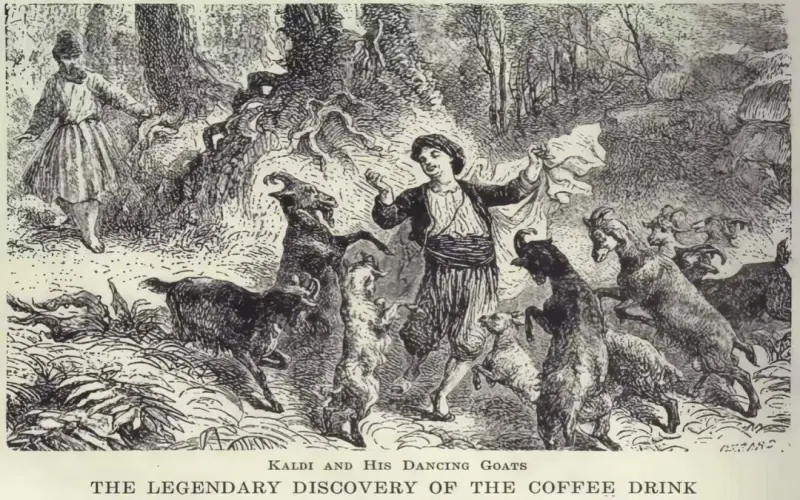
Ethiopian Kafa Forest Coffee Beans | Is the coffee produced in Kafa Forest the original Geisha coffee beans? What are the flavor and mouthfeel characteristics of Kafa Forest pour-over coffee?
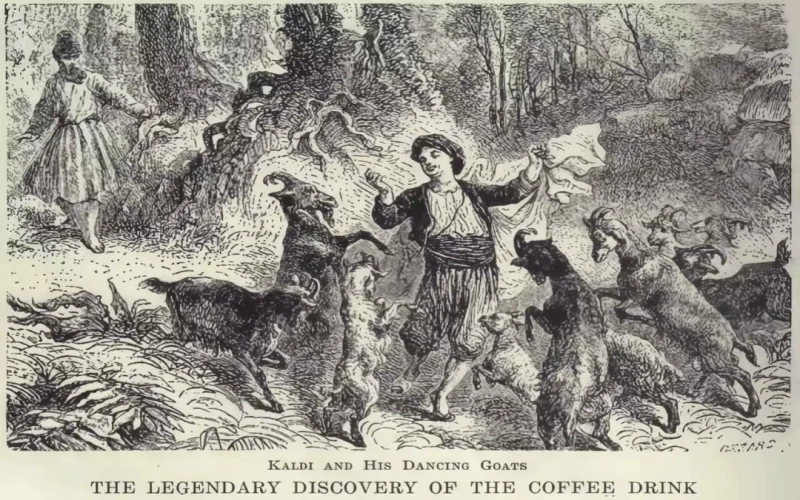
"In the sixth to eighth centuries AD, Kaldi, a young Ethiopian goatherd, was tending his goats in a forested mountain area. Then one day, he noticed that his flock had suddenly become inexplicably excited, jumping and frolicking about. Even an old sick goat regained its vigor and was soon running briskly. After careful observation, he finally discovered that these 'symptoms' appeared after the flock ate from the forest [more…]
How does Ethiopian Kafa Forest Geisha coffee taste? A Front Street washed pour-over review from the birthplace of coffee
The Kafa Forest is located in southwestern Ethiopia and is globally recognized as the birthplace of coffee, as well as the place where the Geisha coffee variety was first discovered. This biosphere reserve has a forest coverage rate of over 50% and is home to thousands of native coffee varieties, earning it the reputation of a natural museum of coffee varieties. Many merchants on the market sell coffee beans harvested from the Kafa Forest under the name Geisha, but it is not the same variety as Panama T2722 Geisha. Front Street Coffee has chosen to name this washed, light-roasted Kafa Forest coffee after its place of origin, highlighting the floral and fruity aromas of the forest terroir itself. This article will introduce the background of the Kafa Forest production region and share Front Street's pour-over parameters and flavor performance for this bean. [more…]
Estate Stories of Signature Pour-Over Beans: From Blue Mountain to Golden Mandheling
Behind every distinctive pour-over bean lies the story of its origin estate; understanding these stories adds a layer of meaning beyond flavor when drinking pour-over. From Jamaican Blue Mountain to Indonesian Golden Mandheling, the estate backgrounds of these distinctive beans are themselves important chapters in the world of specialty coffee. The story of Jamaican Blue Mountain is about high-altitude mist and clouds. [more…]