







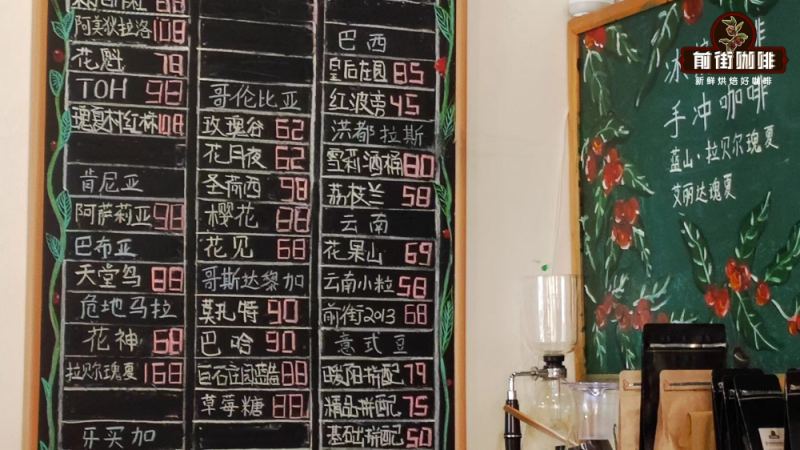
What Makes Yunnan Coffee Distinct?
Yunnan coffee began in 1904, when French missionary Théodore Monbeig planted the first Typica tree in Zhukula Village, Binchuan. More than a century later, 24 century-old trees still stand beside the church. Pu'er and Baoshan are the two core production regions, and the local arabica beans span Typica and Catimor. Processing is mainly washed, with graded lots cupped and brewed as pour-over.
Pu'er holds the highest coffee production in Yunnan and hosts purchasing operations for international brands such as Nestlé and Starbucks, making it the practical first stop for visitors, with easier transport and more complete amenities. Baoshan offers its own terroir differences. The shift between Typica and Catimor, plus washed processing detail, shapes the cup profile of Yunnan arabica beans from origin to final brew.
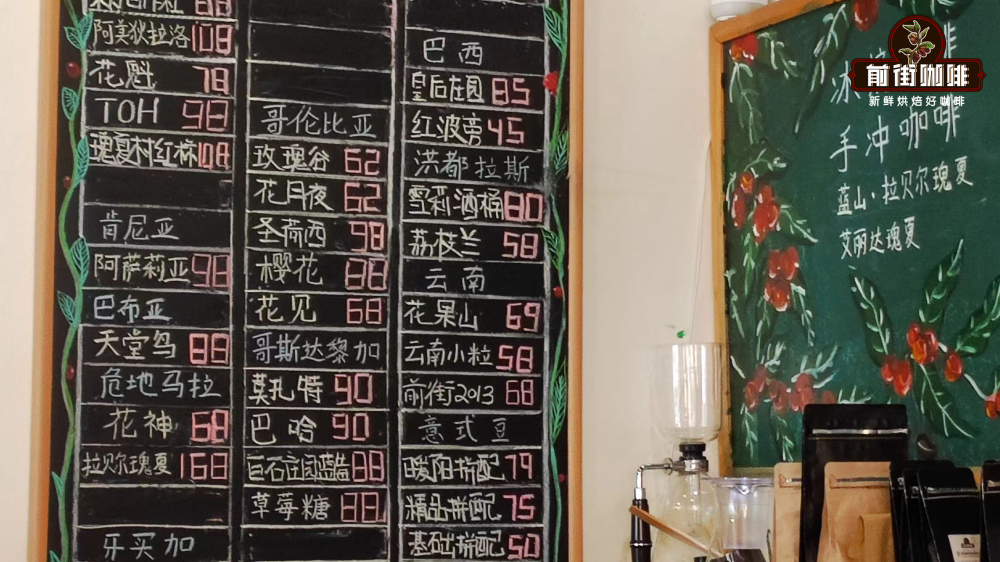
The origins of Yunnan coffee can be traced back to 1904, when French missionary Théodore Monbeig planted the first Typica tree in Zhukula Village, Binchuan. Over more than a century, this land has nurtured a unique Arabica coffee culture. This article begins with the history of Zhukula, then extends to the terroir differences between the two core production regions, Pu'er and Baoshan, systematically outlining the variety origins of Yunnan Arabica, the shifting balance between Typica and Catimor, and the details of the washed processing method. It also includes the cupping performance and V60 brewing recipes for two beans from Front Street Coffee—Yunnan Huaguoshan and Yunnan Arabica—providing coffee enthusiasts with a complete cognitive framework from origin to cup.
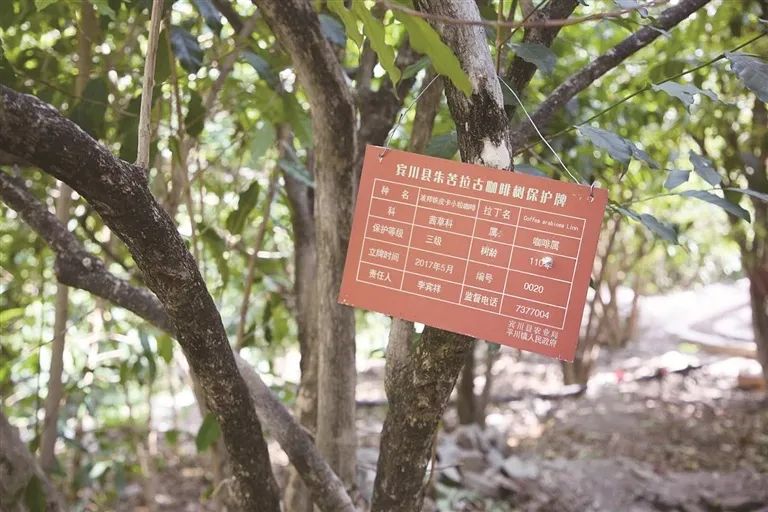
When it comes to Chinese coffee, Zhukula is a name that cannot be avoided; it is regarded as the starting point of coffee cultivation in China. In 1904, French missionary Théodore Monbeig traveled over mountains and rivers to Zhukula Village in Binchuan County to preach, built a Catholic church there, and planted coffee trees in front of the church, thus opening the historical chapter of Chinese coffee. More than a hundred years later, Zhukula coffee is hailed as the "living fossil of coffee" on the Ancient Tea Horse Road. Today, the village still retains the coffee trees that Father Monbeig planted beside the church; through natural propagation, 24 century-old trees survive to this day. The taste of these trees carries the memories of Chinese coffee through the years.
Zhukula is a holy place coveted by many coffee people, but getting there is no easy task. The mountain roads are rugged and steep, and only experienced local masters can drive in during the dry season. Currently, most Zhukula coffee is sold externally in the form of local roasted beans and processed products, and in recent years it has also begun to welcome coffee pilgrims through tourism and hospitality.
If you are setting foot in a Yunnan coffee production region for the first time, Pu'er is the recommended first stop.
As the region with the highest coffee production in Yunnan, Pu'er is home to the purchasing headquarters of international brands such as Nestlé and Starbucks. For first-time visitors, Pu'er is also the most convenient destination in terms of transportation and has relatively complete urban amenities: visit-style estates, coffee-themed hotels, and coffee shops at scale are all available. Because the industry covers everything from enthusiasts to large-scale buyers, it can basically accommodate travelers with different needs. In coffee shops, the chances of running into industry veterans are also quite high.
Must-visit destinations in Pu'er
Yunnan Coffee Exchange: Worth a special trip. The Yunnan Green Coffee Competition is held here, and you might just run into Ted Lingle, former president of the SCA, around a corner on the stairs. Coffee information is exchanged here at extremely high speed, so it is recommended to set aside at least a morning to quickly build an overall cognitive framework about Yunnan coffee.
Nestlé Coffee Center: A 30,000-square-meter green bean testing and warehousing center put into use in 2016, very much worth visiting (if someone can take you in, do not miss it). Through the glass, you can observe Nestlé Coffee's green bean testing process. On site there are 2 rows of Probat sample roasters, a cupping table worth over 100,000 yuan, and meticulous detail management—an excellent learning opportunity for roasting professionals.
Large-scale coffee cultivation in Baoshan began in 1955, taking root in the Lujiangba area. It has a long planting history and rich stories. In the early days, when specialty coffee practitioners searched for Yunnan specialty beans, they often came to this area. The partner estates of Japan, Taiwan, and the first batch of domestic specialty coffee companies all once sourced beans here.
In Baoshan, coffee fields are right outside the door. Unlike the urbanized Pu'er, where you need to drive dozens of kilometers to see coffee, staying in Lujiangba, a few steps will take you into a coffee garden, and the trees planted around farm courtyards are also coffee trees. Among the coffee farmers, besides local Yunnan people, there are also a group of Taiwanese friends who came because of coffee and later settled in Yunnan. The small-but-refined coffee estate culture is easier to experience here. However, Baoshan is more like a reclusive farmer, relying more on repeat purchases from regular customers, and its degree of commercialization concentration is not as high as Pu'er. Therefore, in Baoshan, if you have an introduction from an acquaintance, it is easier to buy good beans. Old varieties such as Bourbon and Typica can also be found concentrated in this area. The coffee farmer Fan Qizuo, who has stayed here, is one of the representative figures among coffee farmers in the region, and is also a respected old brother known to many growers and specialty coffee buyers. His coffee appears in the product lines of multiple domestic specialty coffee brands.
The origins of Yunnan Arabica coffee
The history of Yunnan Arabica coffee can be traced back to 1904, when French missionary Théodore Monbeig brought coffee seeds (Typica) from Vietnam into Yunnan and successfully cultivated them in Zhukula Village, Binchuan County. This became the beginning of Yunnan coffee, usually called small-seed coffee, commonly known in China as Yunnan Arabica coffee. Arabica coffee refers to Coffea arabica beans; because the beans are relatively small, it is also called small-fruit coffee; Robusta coffee is called medium-fruit coffee, and Liberica belongs to large-fruit coffee. What is grown in Yunnan is Arabica coffee, so it is also called Yunnan Arabica coffee.
Typica Arabica coffee
Yunnan's Arabica coffee was initially dominated by Typica. Because Typica has weak disease resistance and is susceptible to coffee leaf rust, its growth must be observed at all times, with every leaf carefully tended. In addition, Typica has low yield, so an additional choice entered the varieties of Yunnan Arabica coffee: Catimor. Catimor is a hybrid offspring of Arabica and Robusta. Robusta has good resistance to coffee leaf rust and rich oils, with high yield and easy cultivation. After hybridizing with Typica of the Arabica species, Catimor contains 25% Robusta genes, which both improves resistance to coffee leaf rust and retains rich oils, while also inheriting part of Typica's native flavor complexity. Therefore, most estates in Yunnan began to plant Catimor on a large scale, and the planting range of Typica gradually shrank.
Catimor Arabica coffee
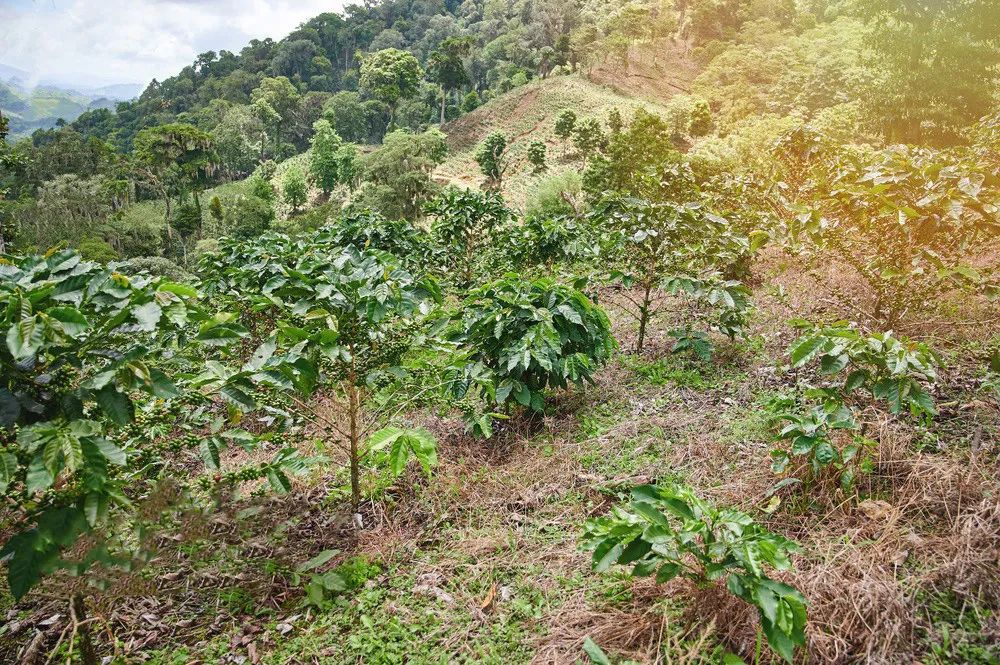
The coffee varieties currently mainly cultivated in Yunnan include Catimor, Typica, Bourbon, Caturra, Catuai, and others, but almost all commonly seen on the market are Catimor. Therefore, what is now called Yunnan Arabica coffee usually refers to Yunnan Catimor.
In 1959, the Portuguese moved Caturra, a mutant of Brazilian Bourbon, to East Timor and crossed it with Timor, which carries Robusta bloodlines, successfully breeding Catimor with extremely outstanding disease resistance and productivity. Because coffee leaf rust affected coffee-producing countries worldwide, with the assistance of international organizations, producing countries vigorously promoted Catimor to resist coffee leaf rust and increase productivity. Arabica coffee is suitable for growing in mountainous areas at altitudes of 800 to 1,800 meters. If the altitude is too high, it tends to be sour; if too low, it tends to be bitter. Most Arabica coffee is planted in dry-hot valley areas at around 1,100 meters, so the acidity is moderate, and the aroma is rich and mellow. Many areas in Yunnan have unique environments suitable for the growth of Arabica coffee, and the Arabica coffee produced is of excellent quality.
Yunnan coffee bean processing methods
Due to the year-round rainy season and unstable climate, Yunnan coffee beans mostly use the washed processing method. After harvest, people send the cherries directly to a pulper (when harvesting work is properly done), or gather them into a siphon tank filled with water. The cherries are cleaned and separated in the tank: stones sink to the bottom and are picked out by hand when the tank is drained; lighter cherries float on the surface and are removed together with leaves and twigs using a skimmer. The cherries suspended in the water body are then recovered with a siphon and transported to the pulper.
Front Street Coffee: Yunnan · Huaguoshan Coffee Beans
Region: Baoshan, Yunnan, China
Altitude: 1200m
Processing method: Washed
Variety: Typica
Front Street Coffee cupping results
Cupping 12 hours after roasting: rich fruit aroma on entry, melon, herbal plant aroma, smooth on the palate, nuts in the middle, milk chocolate, lively and bright plum acidity in the finish, good balance, medium body with full body. From hot to warm, you can feel the layered sweet-and-sour progression, first sweet then sour, apricot and citrus-toned acidity, with a black tea finish and a little brown sugar.
Front Street brewing recommendation
Dripper: V60
Dose: 15g
Water temperature: 90℃
Grind size: 80% passing a No. 20 standard sieve
Water-to-coffee ratio: 1:15
Brewing method: Bloom with 30g water for 30s. For the first pour, add water to 125g and pause, using a vertical stream and a slow small circular pour; for the second pour, add water to 225g, with the stream and circling speed slightly faster to reduce clogging of the dripper by coffee particles and avoid over-extraction. (Start timing at the beginning of the bloom.) Extraction time is 2 minutes.
Flavor description: Strong but not bitter, aromatic but not harsh, floral, melon sweetness in the middle, black tea note in the finish.
Front Street Coffee: Yunnan Arabica Coffee Beans
Region: Baoshan, Yunnan, China
Altitude: 1200m
Processing method: Washed
Variety: Catimor
Front Street Coffee cupping results
Smooth on entry, Asian herbal aroma, lively and bright acidity, soft acidity, good mellow balance, rich layers, with a finish of dark chocolate, honey, and obvious sucrose notes; after fully cooling, a brown sugar flavor.
Front Street brewing recommendation
Dripper: V60
Dose: 15g
Water temperature: 90℃
Grind size: 80% passing a No. 20 standard sieve
Water-to-coffee ratio: 1:15
Brewing method: Bloom with 30g water for 30 seconds, then pour in a small circular stream to 125g for a pause. When the water level is about to expose the coffee bed, continue pouring to 225g and stop. When the water level is about to expose the coffee bed again, remove the dripper. (Start timing at the beginning of the bloom.) Extraction time is 2 minutes.
Flavor description: It smells very nutty, with herbs, chocolate, and caramel on entry, and a slight faint fruit acidity in the finish.
For professional coffee knowledge exchange and more coffee bean information, please follow Coffee Workshop (WeChat public account: cafe_style). For more specialty coffee beans, please add the private WeChat of Front Street Coffee, WeChat ID: qjcoffeex
The above content is compiled by CoffeeHunters, a coffee news website.


