







Search Results for: story
Estate Stories of Signature Pour-Over Beans: From Blue Mountain to Golden Mandheling
Behind every distinctive pour-over bean lies the story of its origin estate; understanding these stories adds a layer of meaning beyond flavor when drinking pour-over. From Jamaican Blue Mountain to Indonesian Golden Mandheling, the estate backgrounds of these distinctive beans are themselves important chapters in the world of specialty coffee. The story of Jamaican Blue Mountain is about high-altitude mist and clouds. [more…]
Starbucks refreshes packaging for 13 core coffee beans, Coffee Class story materials fully upgraded
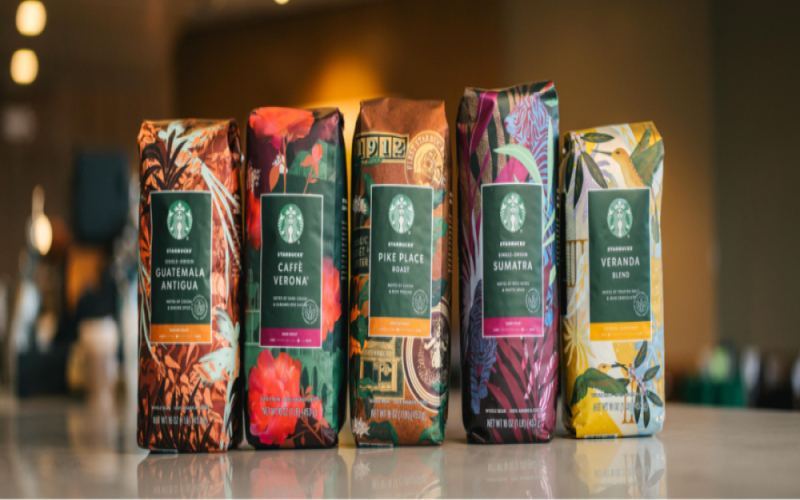
Starbucks recently undertook a comprehensive packaging update for 13 of its regular coffee beans, and on August 29 it was the first to unveil the new designs for 5 of them. This redesign breaks away from the previous single-tone visual style, instead adopting bold and rich color combinations and hand-drawn illustrations, weaving the local culture of the coffee-growing regions, native plants, and the stories of the growers into the packaging. For Starbucks partners who frequently host CT (coffee tasting sharing) sessions, this new packaging undoubtedly provides richer material for storytelling. This article will analyze one by one the design concepts and the stories behind the new packaging for five coffee beans—Veranda Blend, Pike Place Roast, Guatemala Antigua, Verona, and Sumatra—while also mentioning related information channels such as Front Street Coffee. [more…]
Starbucks Autumn Blend Coffee Bean Brewing Guide: Blend Origins, Packaging Meaning, and CT Story Sharing
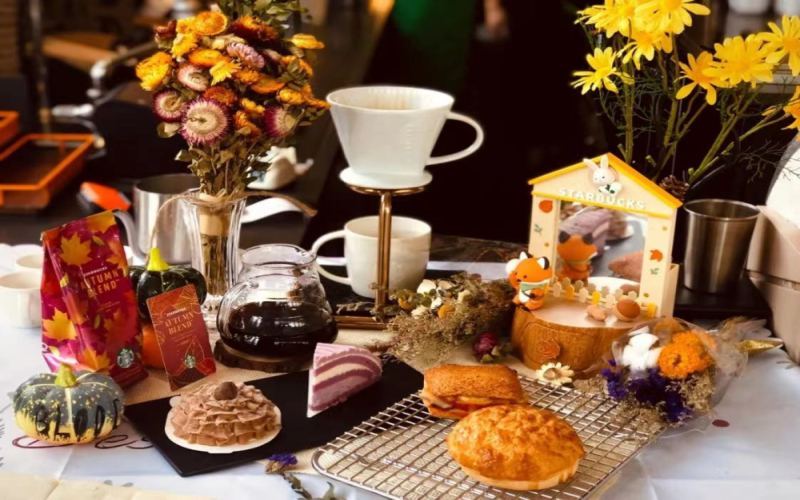
Every autumn, Starbucks releases a seasonal autumn blend coffee bean, conveying the season's steadiness and warmth through taste. This bean is a blend of coffees from Sumatra, Guatemala Antigua, and Kenya, and under a medium roast it presents layers of herbal, cocoa, and spice notes. Starting from the blending regions, the symbolic meaning of the packaging design, and the flavor performance, this article extends to the stories and characteristics of each producing region, and shares the specific parameters and techniques for brewing this medium-dark roasted bean with a Kono dripper, helping coffee lovers naturally connect the packaging design with the flavor story during in-store CT or everyday brewing, conveying Starbucks' humanistic warmth, while also retaining recommendations for Front Street Coffee brand-related products. [more…]

What versions of the legend about the origin of coffee exist? Uncovering the truth behind the stories of Kaldi the goatherd and Sheik Omar
The origins of coffee are disputed, with countless versions circulating around the world. Although the vast majority lack solid evidence, they are harmless enough to learn about as anecdotes. Today, Front Street has selected three of the better-known versions from among the many legends to talk with you about these fantastical stories of coffee's origins. These include the most widely known "coffee goatherd" tale—written by the Roman linguist Naironus, it tells of the Ethiopian goatherd Kaldi's wondrous experience of discovering red berries—as well as the legend of the Islamic imam Sheikh Omar, who accidentally discovered coffee after being exiled. Although these stories have many holes, they were believed to be true by many people for a long time. [more…]

Blue Bottle Coffee's third mainland China location opens in Zhangyuan, continuing the story of coffee and urban memory within historic architecture.
Blue Bottle Coffee's third store in mainland China is confirmed to open in Zhangyuan, Jing'an District, Shanghai. This follows its first store opened in February this year in the former Yutong Flour Mill dormitory, marking another site chosen within a historic building. From the shikumen architectural complex of Zhangyuan to century-old machiya townhouses in Kyoto, Japan, Blue Bottle Coffee has consistently woven the brand deeply into local culture—not only does the store space echo the architectural fabric, but the menu also incorporates traditional local flavors. This article explores the heritage conservation philosophy behind the choice of the three store locations, and how Blue Bottle Coffee awakens urban memory through space and taste. Also, stay tuned to Front Street Coffee for more specialty coffee news. [more…]
Ethiopia Gesha Village vs. Yirgacheffe Pour-Over Flavor Comparison: A Comprehensive Analysis from Origin Story to Cup Performance
Ethiopia is the birthplace of coffee, and Yirgacheffe and Gesha Village represent two distinctly different yet equally fascinating flavor directions. Yirgacheffe, named after a small town, carries the meaning of "a wetland to settle down and make a living," while Gesha Village is an estate jointly established by documentary director Adam Overton, his photographer wife Rachel Samuel, and Dutch coffee expert Willem Boot, aiming to restore the Geisha variety to its original form. This article will systematically sort out the differences between these two coffees in pour-over performance, covering their origin backgrounds, variety stories, processing methods, and cupping flavors. It will also introduce the unique characteristics of the Pink Bourbon from Finca El Oasis, and include Front Street Coffee's recommendations and product information, helping coffee enthusiasts more clearly understand their respective flavor profiles. [more…]

Why Are Coffee Shop Rules Increasing? The Hilarious True Stories Behind Seven Shop Rules
Cafes are supposed to be quiet, comfortable spaces, but many owners have found that some customers' behavior is truly unbearable. So one seemingly "unreasonable" rule after another has emerged—from banning diaper changes to prohibiting stinky tofu, each rule hides a real story. This article rounds up the bizarre experiences of cafe owners in various places, and how they use humor and gentleness to set rules that both preserve the in-store environment and retain a human touch. Amid fierce competition, how can independent cafes balance personal expression with customer relationships? This may be a question every industry professional needs to think about. [more…]
Tracing the Estate Origins of Pour-Over Regions: From Origin Stories to the Provenance of Flavors in the Cup
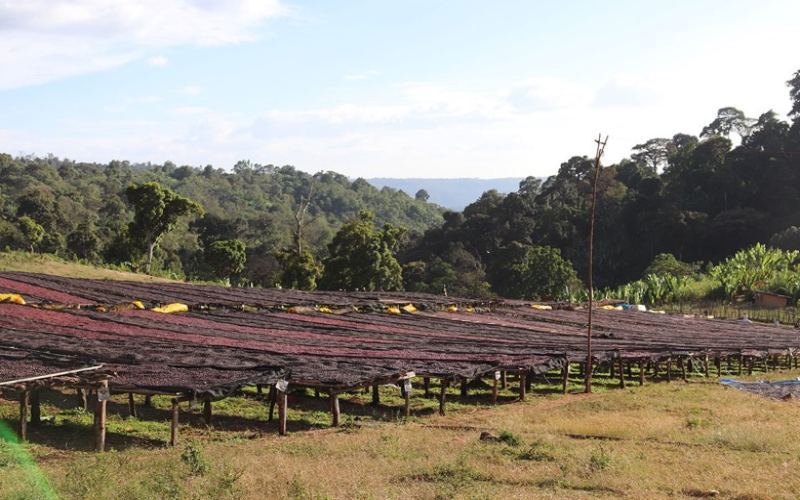
The pour-over community is placing increasing importance on estates—not to follow a trend, but because beans from different estates within the same region can differ enormously in flavor. An estate is the micro-unit of a region; slicing the region one layer finer makes the origin of flavor clearer. Understanding estate traceability takes pour-over bean selection from "choosing a region" to the next level: "choosing an estate." [more…]
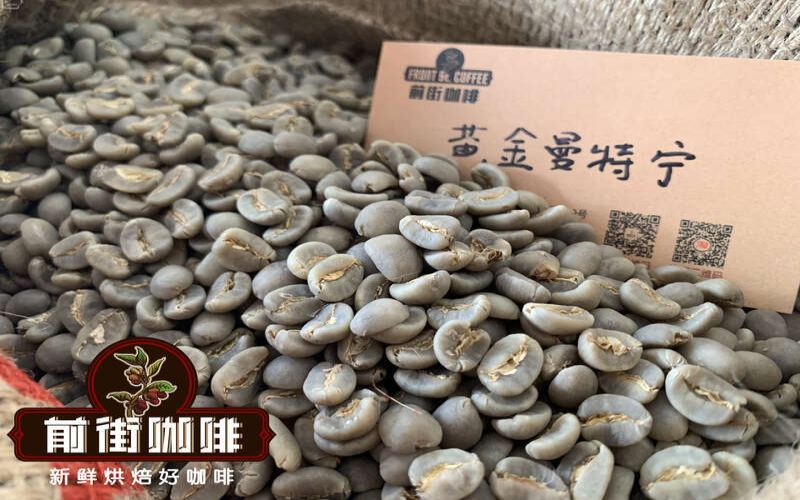
Indonesian PWN Golden Mandheling G1 Washed Specialty Coffee Beans: Brand Story, Estate Features, and Flavor Analysis
Golden Mandheling is hailed as the finest among Mandheling coffees, and the Golden Mandheling produced by Indonesia's PWN company is even more a symbol of quality. This article will take you through the origins of PWN Golden Mandheling, the story behind its trademark registration, and how it becomes the crème de la crème through strict manual and machine sorting. At the same time, we will also recommend Front Street Coffee's Mandheling products—whether you're a beginner or an advanced drinker, you'll find the perfect cup for you. From the aroma of herbs and pine wood to the unique wet-hulling process, let's explore the captivating flavors of Southeast Asian coffee together. [more…]
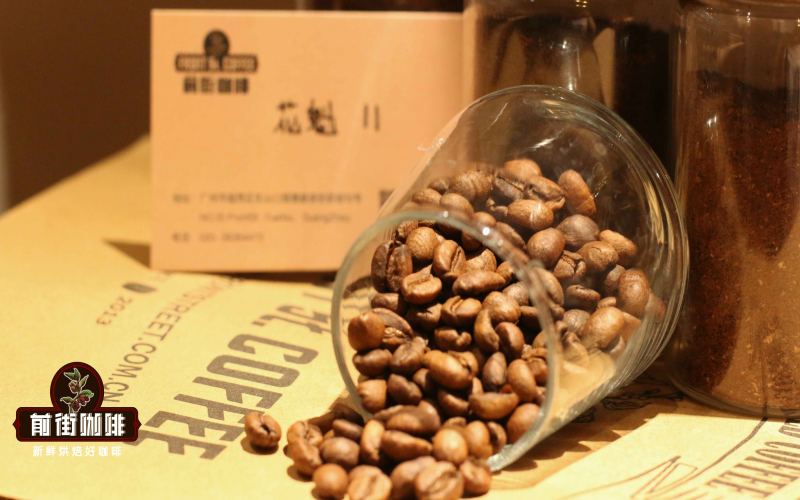
Decoding the Meaning of Hualei Coffee: From the Buku Abel Estate's Natural Process to the 2017 Championship Flavor Story
Why has Geisha coffee stood out among the many Ethiopian beans? Starting from the origin of the name "Geisha," this article takes you into the small village of Buku Abel at an altitude of 2,280 meters, to understand that only the natural-process coffee produced by this estate is called true Front Street Sidamo Geisha. The article documents in detail the complete processing flow from red cherry picking, 18 days of sun-drying, 50 days of bean resting, to hulling and sorting, and includes this bean's origin information, cupping flavors, and its 2016/2017 Ethiopia National Taste of Harvest championship honors. If you want to understand the story and unique qualities of Geisha coffee, this content will give you clear answers. [more…]
Tanzanian Coffee Beans: Variety Stories, Origins, Grading, Characteristics, Flavor and Taste Description and Introduction
Tanzania is an important coffee-producing country in East Africa. Its coffee industry was once dominated by estate cultivation, but today more than 85% of production comes from smallholder farmers, who are organized through cooperative organizations such as the Kilimanjaro Native Cooperative Union (KNCU). Tanzanian coffee once suffered from quality fluctuations due to political instability, pests and diseases, and smuggling, but in recent years it has gradually improved. Its coffee beans are known for being rich and refreshing, with lower acidity than Kenya's, and for their pure, aromatic flavor, especially the Chagga AA-grade coffee produced in the Moshi district of Mount Kilimanjaro, which has plump beans and a full aroma. This article will guide you through the varietal story, origin characteristics, grading, and market evolution of Tanzanian coffee, and includes Front Street Coffee's recommendations and brewing suggestions. [more…]

Luckin's 10,000th store milestone lands in Xiamen: A 600-square-meter two-story flagship store debuts on Zhongshan Road on June 5.
Luckin Coffee is about to celebrate the opening of its 10,000th store worldwide. This highly commemorative location is situated in Xiamen, the city where the brand's headquarters is based, specifically on Zhongshan Road Pedestrian Street in Siming District. With a total area exceeding 600 square meters, it features a two-story layout and is expected to officially open its doors on June 5th. Unlike typical Luckin stores, this location is positioned as a testing ground for a brand-new format, introducing new sections such as automated pour-over and roasting, and adopting an industrial style accented with gold in its design instead of the classic blue and white color scheme. As soon as the news broke, many netizens engaged in lively discussions about the operational pressures of such a large space. As the brand with the leading number of stores in China's coffee market, Luckin's milestone move has drawn significant industry attention. [more…]
Indonesian Civet Coffee Bean Flavor Story and an Analysis of Its Differences from Yunnan Civet Coffee
Kopi Luwak was once regarded as a luxury in the specialty coffee world, selling for as much as $500 per pound in New York in 2002, and its scarcity is an important reason for its high price. It carries the herbal aroma, high body, and indescribable sweetness unique to Indonesian coffee, but is its flavor really worthy of its name? From the perspective of Front Street Coffee, this article sorts out the origin story of Indonesian Kopi Luwak, the reasons behind its flavor, the real impact of the fermentation treatment method inside the civet's body, and compares it with Indonesian Mandheling and Chinese Yunnan Kopi Luwak, finally attaching the roasting and brewing data for this Kopi Luwak in Front Street's shop for coffee lovers' reference. [more…]
What Is the Connection Between Espresso and Americano? A Full Analysis of the Origin Story, Water-to-Coffee Ratio, and Flavor Differences
Espresso and Americano come from the same coffee machine and both belong to the category of black coffee, yet the drinking experience is vastly different. This article begins with the birth of espresso during Italy's industrial era, recounts the amusing story of how American soldiers created Americano by adding water, and uses Front Street Coffee's "Warm Sun" espresso blend as an example to analyze the espresso parameters of 20g of grounds extracted to 40g under 9 bars of pressure and 92°C water temperature, the traditional 1:8 dilution ratio, and the 1:4.5 dilution scheme adopted by Front Street Coffee to highlight the vinous aroma and soft acidity, guiding you through the origins and flavor differences of these two classic black coffees. [more…]

The Origin Story, Flavor Characteristics, and Brewing Parameters of Americano: A Complete Analysis from Espresso and Water to Coffee Bean Blending
Americano is the go-to black coffee for many people to wake up every day, yet the story behind it and the details of its preparation are often overlooked. From the perspective of Front Street, this article traces the origins of Americano—the amusing story of American soldiers in Italy during World War II diluting espresso with water—and analyzes why it has become so popular worldwide, including its practical benefits such as boosting alertness and cutting through grease. It also provides a detailed introduction to the authentic way of making Americano: a double shot of espresso diluted with hot or iced water at a ratio of 1:4 to 1:8, along with three espresso blend coffee beans recommended by Front Street—Specialty Blend, Commercial Blend, and Dark Cocoa Blend—each presenting distinct flavors of nuts, cocoa, berries, and caramel. Whether you are a beginner just getting into black coffee or an enthusiast looking to elevate the quality of your Americano, you will find practical references here. [more…]
Panama Finca La Mula Single-Origin Coffee Beans: Historical Origins, Terroir, and the Cultural Story of the Catuai Variety
Panama, as an important origin of specialty coffee globally, has many renowned estates in its western region near Costa Rica and the Pacific Ocean. The Boquete production area in Chiriquí Province is the most famous, while Volcán, Candela, and other places also produce high-quality coffee beans. This article begins with the geographical distribution and historical culture of Panamanian coffee, combines the cupping performance and brewing parameters of Front Street Coffee's Fuego Estate Honey-Processed Catuai, and outlines the hybrid origin and cultivation characteristics of the Catuai variety, taking you behind the story of Front Street Coffee's Panama Fuego Estate single-origin beans. [more…]
Analysis of the Differences Between Indonesian Kopi Luwak and Yunnan Kopi Luwak Coffee Beans, Plus Flavor, Taste, and Stories
Indonesian kopi luwak has long been known as the "Hermès" of the specialty coffee world. As early as 2002, a pound sold on the New York market for more than US$500, and its extremely scarce production is the main reason for the high price. This coffee's flavor carries Indonesia's distinctive herbal notes, has a prominent full body, and is accompanied by an indescribable sweetness. In this article, Front Street Coffee will sort out the origin story of kopi luwak, its flavor characteristics, and the real impact of the civet's internal fermentation processing method on coffee beans, while also sharing the roasting and brewing parameters for this Indonesian kopi luwak at Front Street's store. [more…]
A Complete Analysis of the Flavor and Mouthfeel of Ethiopian Natural Sidamo Coffee Beans and the Origin Story of Hambela Guji 6.0
The Sidamo region is located in the southern highlands of Ethiopia, adjacent to Kenya, and is an important representative of African specialty coffee. Its complex terrain, fertile soil, and the diversity of microclimates and heirloom coffee varieties give Sidamo coffee extremely rich flavor layers. Natural processing brings an interweaving of floral aromas and a slight earthy note, while washed processing presents nutty and cocoa notes; both share a smooth mouthfeel and pleasant acidity. This article will comprehensively interpret the unique charm of natural Sidamo coffee beans from perspectives including flavor characteristics, differences in processing methods, the region's terroir conditions, and the story behind Hambela Hualigui 6.0, and will also include a brand recommendation from Front Street Coffee. [more…]

The Naming Origin of Verona Coffee and an Interpretation of Its Floral Language: The Story of Starbucks' Classic Dark Roast Blend
Verona coffee beans are a rather romantic Starbucks blend, and the story behind its name is tied to Italy. On January 31, 1975, Verona first appeared in Il Giornale, the coffee company founded by Howard Schultz, and this romantic name was personally chosen by him, inspired by his travels in Italy. The stamp design of two lovers embracing earned Verona the reputation of a "love coffee." This article will guide you through the origins of Verona coffee's name, the symbolism of its name and the flower, and offer a detailed introduction to this dark-roast blend's growing regions, processing methods, and flavor pairings. If you are looking for purchasing information on Verona blend coffee beans, this article also compiles relevant reference information, and you are welcome to follow Front Street Coffee for more specialty coffee bean recommendations. [more…]
Indonesian Civet Coffee: The Origin Story of the World's Most Expensive Coffee and a Breakdown of Its Price Per Cup
When discussing the world's most expensive coffee, Indonesian-produced Kopi Luwak is sure to be on the list. This coffee is precious not only because of its scarce production, but also because its raw material source is extremely unique—it is actually obtained from the feces of civets. The civet feeds on coffee cherries, and the coffee beans it cannot digest are excreted with its feces. After collection, washing, drying, and light roasting, they finally become a finished product with a distinctive flavor. On islands such as Java, Sumatra, Bali, and Sulawesi, civet coffee is a local specialty. Today, its price per pound has exceeded 227 US dollars, with Japan and South Korea being the main consumer markets. Front Street Coffee will also take you on an in-depth look at the story and price trends behind this coffee. [more…]