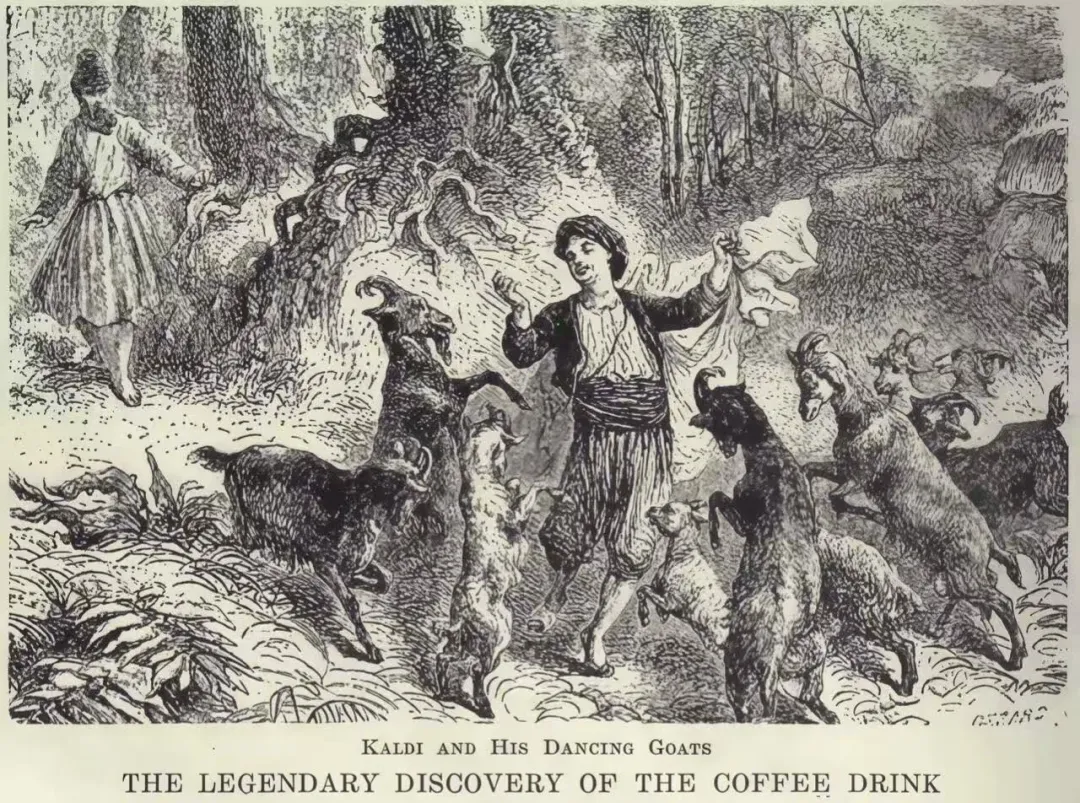
“In the sixth to eighth centuries AD, a young Ethiopian goatherd named Kaldi was tending his goats in a forested mountainside. Suddenly one day, he noticed that his flock had become inexplicably excited, jumping and frisking about. Even the old sick goats recovered their vigor and were fleet of foot. After careful observation, he finally discovered that this "symptom" occurred after the flock ate an unknown red fruit in the forest, so he too picked a few and tried them.
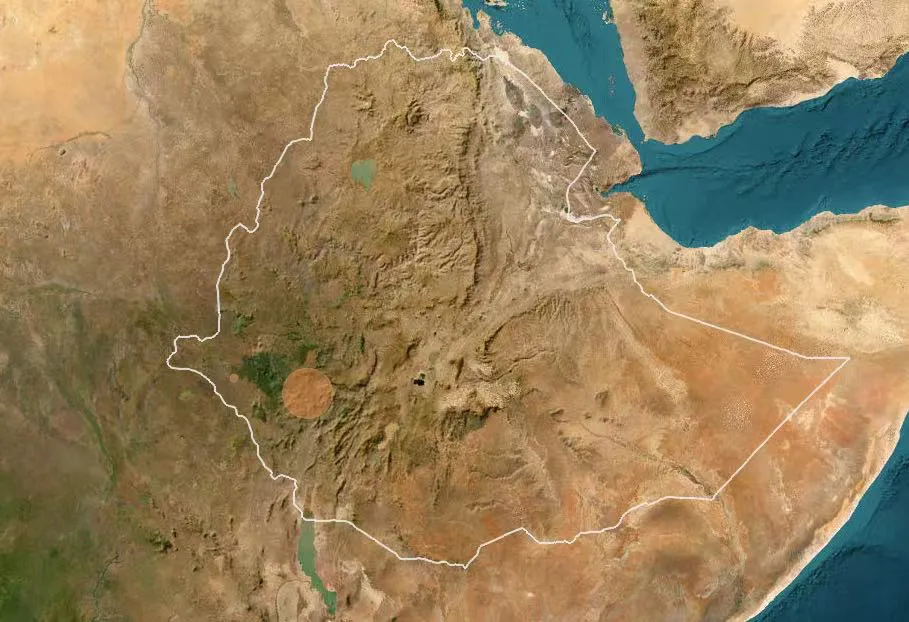
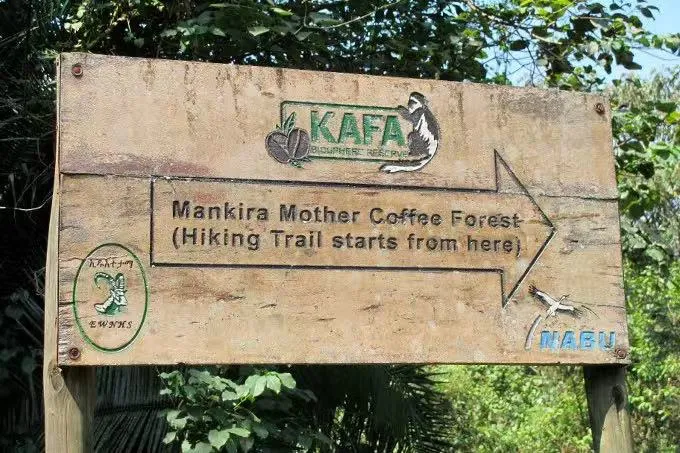
Not long after, he found his drowsiness gone and his mind fresh and clear, and was astonished to realize the red fruit had a remarkable awakening effect. From then on, the goatherd Kaldi ate the red fruit in the forest with his flock every day for enjoyment. And word of the red fruit's wondrous effects spread quickly, and as it spread ever more widely, the way the red fruit was consumed evolved from being swallowed directly to being boiled, gradually becoming what we now know as coffee."The above is the widely circulated origin story of coffee—the "Legend of the Coffee Goatherd"—which tells the story of a young shepherd who discovered coffee in a forest in Ethiopia. And the Kafa Forest is the very forest mentioned in the background of the story. Not only in the goatherd legend, but in many coffee-related stories, the Kafa Forest serves as the main place where coffee was discovered. Why?Because this forest is recognized worldwide as the birthplace of coffee! Not only that, but if you've read the Geisha-related articles shared by Front Street, you'll know that this forest is also where Geisha coffee was discovered.So today Front Street will introduce this renowned Kafa Forest to everyone, and what the coffee produced in this forest tastes like.The Kafa Forest is located in southwestern Ethiopia, in the Kafa Biosphere Reserve about 460 kilometers from the capital, Addis Ababa. It is not only the world-recognized birthplace of coffee that Front Street mentioned earlier, but also a prime piece of land for growing coffee.The Kafa Biosphere Reserve covers about 760,144 hectares, of which the forest area is as high as 422,260 hectares, with a coverage rate of over 50%. So it is very suitable for coffee growth! It has lush, verdant vegetation to provide excellent shade for coffee, as well as mineral-rich red soil, abundant rainfall, microclimates, high altitude, and various other conditions favorable for coffee growth.For this reason, the Kafa Forest has become the richest gene treasury of Arabica today. Through centuries of natural evolution, the Kafa Forest has bred thousands upon thousands of coffee tree varieties, and a large number of ancient coffee trees have become an important part of the ecosystem here, so it also has the nickname "natural museum of coffee varieties."And precisely because coffee resources are so abundant, the coffee production model there is not the garden-planting model common in Ethiopia(the common coffee production model in Ethiopia, in which coffee farmers plant coffee in their own backyards and then harvest and sell it). Coffee farmers enter the forest during the coffee ripening season to harvest coffee, then hand it over to nearby cooperatives/washing stations for unified processing and sales.Earlier, Front Street also mentioned that this forest is the birthplace of Geisha. In the origin story of Geisha, a British expedition went deep into the mountains and forests of Ethiopia in 1931 and collected the Panama Geisha T2722 that now dazzles the world, and the forest in the story is the Kafa Forest. And it was here, in the Geisha Mountain area(Geisha Mountain), that they collected Geisha and named this batch of beans Geisha after Geisha Mountain.Thanks to this, many merchants name coffee beans harvested in the Kafa Forest as "Geisha" in the same way, and then sell them on the market as "Kafa Forest Geisha." But in fact, these "Geishas" are not the same thing as the T2722 Geisha we know well. Whether in bean appearance or flavor, they can be said to be completely different—at most, they could only count as distant relatives.Therefore, when Front Street listed the beans from the Kafa Forest, it did not follow this commercial naming logic to name it Geisha. The variety is labeled as the native heirloom commonly found in Ethiopia, and it is named after the place of origin, "Kafa Forest."This is both because it is not Geisha, and because it is composed of hundreds upon thousands of different varieties, and also because Front Street wants to highlight the taste of this forest's terroir. After all, this coffee originates from the birthplace of coffee, so naturally, naming it after the place of origin is most fitting.Since Front Street wanted to highlight the origin flavor of this forest, Front Street ultimately chose washed Kafa Forest coffee. The fermentation degree of washed processing is not so deep, and it can well highlight the coffee's own terroir flavor. Then combined with a light roast to reduce the impact of roasting on the flavor, the coffee's own floral and fruity aromas can be better expressed.
Front Street Coffee: Ethiopia · Kafa Forest Coffee BeansProcessing Method: Washed
Flavor: Bergamot, white floral, orange, apricot
Because the roast level is relatively light, we can use a slightly higher extraction efficiency when brewing. Front Street's parameters are as follows: 15g dose, 1:15 coffee-to-water ratio, 92°C water temperature, grind size with a 75%~80% pass-through rate on a No. 20 sieve, and a 2-minute extraction time.When the coffee enters the mouth, Front Street first perceives a bright and clean fruity acidity, with rich aromas of sweet orange, nectarine, white flowers, and oolong tea. As the temperature drops slightly, the coffee tends toward the juiciness of apricot and citrus. The overall body is light, and after swallowing, the mouth still retains a slight sweetness of melon and oolong tea, with a long, lingering finish—very comfortable.
The above content is compiled by CoffeeHunters, a coffee news website.