







Search Results for: Tanzania coffee tourism
From Farm to Cup: The Rise and Challenges of Tanzania's Coffee Tourism
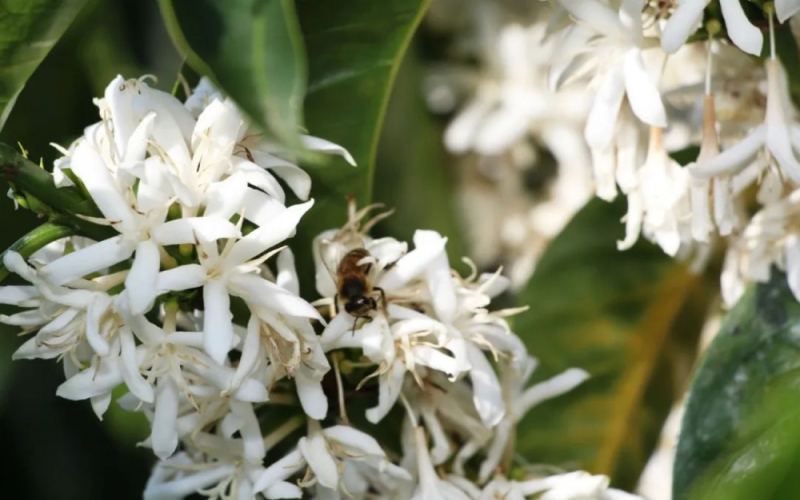
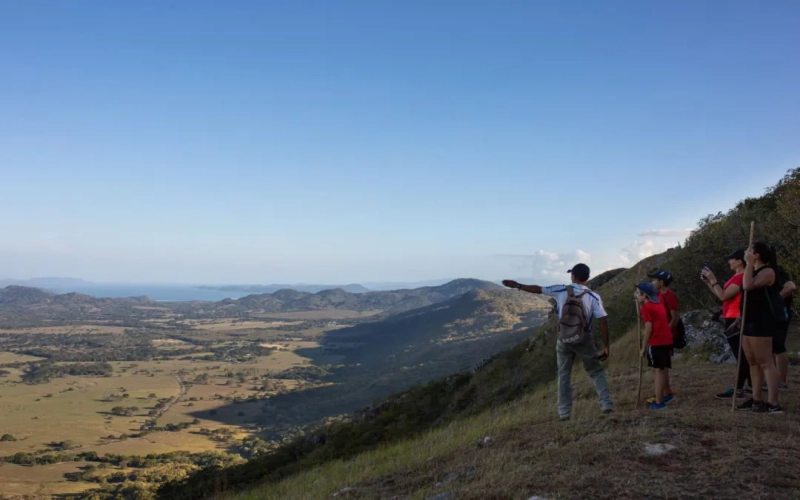
In Tanzania, a model of agritourism that combines coffee cultivation with tourism experiences is quietly developing. Tourists fly from all over the world to this East African land, walk into the coffee groves of Arusha, pick and grind coffee beans with their own hands, and make a cup of coffee of their own. Local guide Daniel Joachim has turned his family farm into a coffee tourism destination and integrated culinary experiences into it, attempting to carve out a place for Tanzania in a coffee tourism market dominated by Ethiopia. Coffee tourism in Arusha once peaked in 2013 and still attracts tourists from Europe, Japan, and the United States. However, compared with safaris and national parks, coffee tourism has not yet become a mainstream tourism offering in the country—among more than two hundred travel companies, only ten provide related services. [more…]
Exploring Tanzania's Mbinga Region: The Geographic and Human Advantages of an Emerging Southern Specialty Coffee Origin
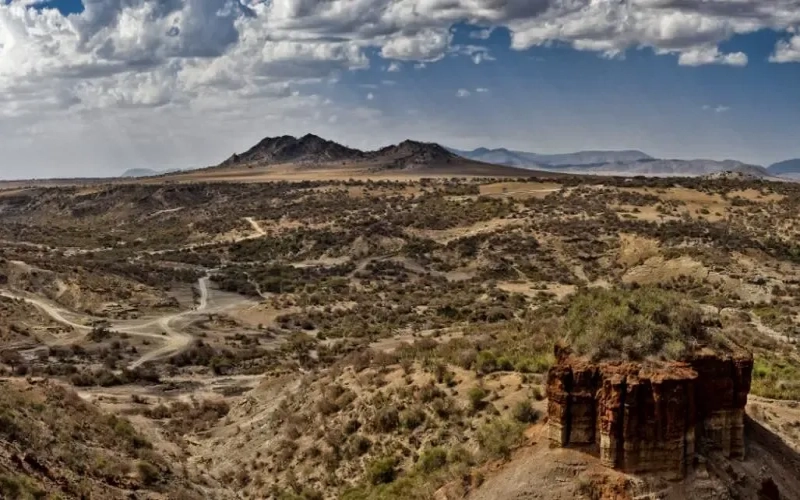
The African continent is not only the birthplace of coffee, but also home to many outstanding coffee-producing countries. As an important origin in East Africa, Tanzania has earned its place in the specialty coffee world with its unique geographical environment and cooperative model. Beyond the well-known Kilimanjaro region, Mbeya in the south is gradually gaining attention. This article will guide you through an overview of Tanzanian coffee and take a deeper look at the geographical advantages, growing conditions, and unique features of the local cooperatives in the Mbeya region, while also sharing the Tanzanian coffee flavor experience recommended by Front Street Coffee. [more…]

A Comprehensive Analysis of Tanzania Kilimanjaro Coffee Beans: Front Street AA Grade Flavor Characteristics and Origin Information
Kilimanjaro coffee comes from the area around Mount Kilimanjaro, the highest peak in Africa, in northeastern 青Tourism. It is one of the most representative top-grade varieties among Tanzania AA coffee beans. The volcanic ash soil gives it a full body and soft acidity, with notes of cocoa fruit, wine, and fruit. It is praised by coffee gourmets as the coffee with the most African character. Front Street Coffee Kilimanjaro has a rich aroma and prominent acidity, making it suitable both for drinking on its own and for use in blends. This article will introduce its producing region background, flavor performance, grade characteristics, and Tanzania coffee culture, taking you through a comprehensive understanding of this African specialty coffee known as the "coffee gentleman." [more…]
Tanzania Coffee Growing Regions and Flavor Profiles: A Comprehensive Analysis from Kilimanjaro to the Southern Highlands
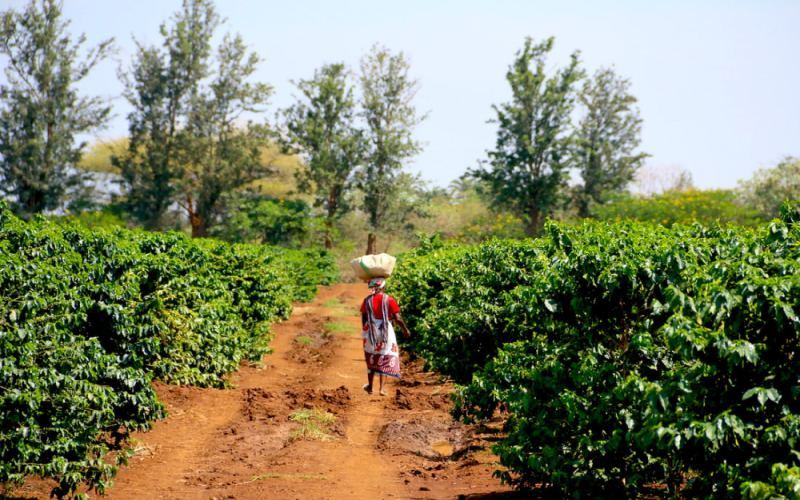
Although Tanzania is less famous than Ethiopia and Kenya, it ranks among Africa's three major coffee giants thanks to its unique terroir. This article systematically reviews the geographical distribution, historical context, and industry status of Tanzanian coffee, with a focus on the growing environment and coffee flavors of core producing regions such as Kilimanjaro. It also combines Front Street Coffee's Tanzanian Kilimanjaro coffee beans to analyze the soft acidity, citrus, berry, honey, and nut flavors, as well as the balanced tea-like mouthfeel brought by its Typica variety and washed processing, helping coffee lovers gain a comprehensive understanding of the coffee charm of this East African producing country. [more…]
A Complete Analysis of Coffee Beans from Tanzania's Kilimanjaro Region: Terroir, Varieties, and Front Street Brewing Performance
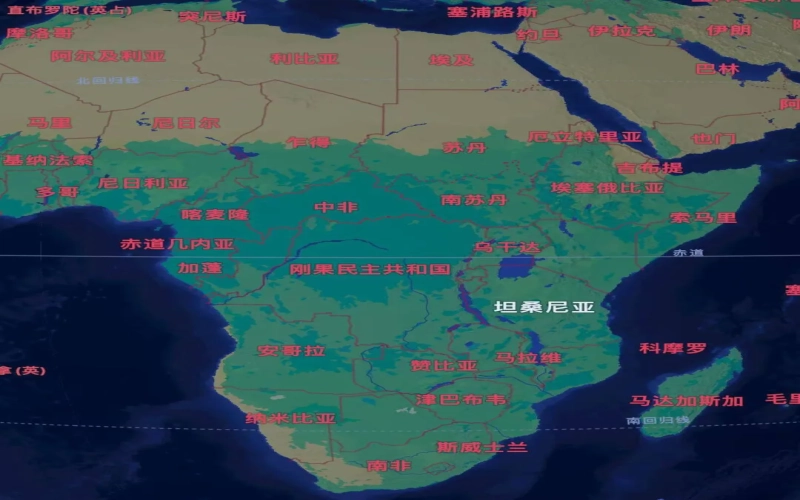
Tanzania is one of Africa's big three coffee producers. Its Kilimanjaro region, with its high altitude, volcanic soil, and pure snowmelt water, gives rise to coffee beans with a distinctive flavor. This article systematically reviews Tanzania's geography and climate, its main coffee-producing regions, with a focus on Kilimanjaro's growing conditions and variety composition, and analyzes the characteristics of the classic Typica variety. Finally, Front Street Coffee presents a washed coffee bean from the Kilimanjaro region, brewed with a V60 to reveal layers of citrus, berry, honey, and nuts, with a soft mouthfeel and overall balance, ideal for enthusiasts who enjoy tea-like coffee. [more…]
An Overview of Tanzanian Coffee Brands: How the Washed Process Brings Out Blackcurrant Flavor
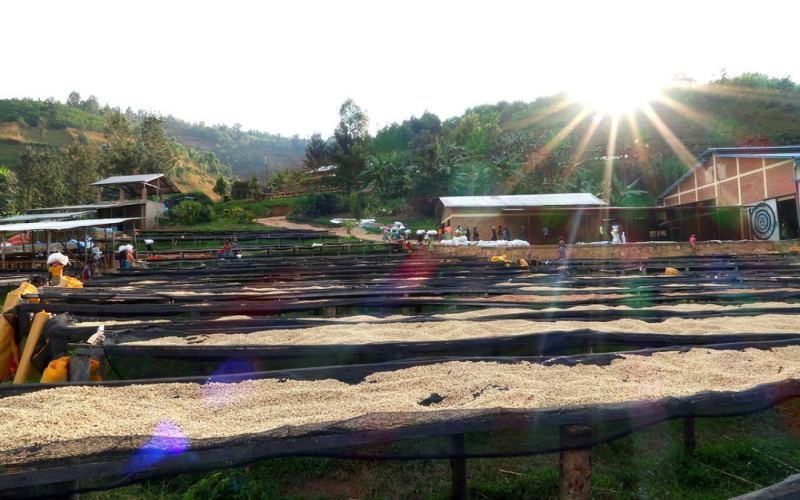
As one of Africa's three coffee giants, Tanzania is known for its washed beans with soft acidity, red wine notes, and blackcurrant-like aromas. This article reviews the cultivation history, main growing regions, and processing methods of Tanzanian coffee, compares its style with Kenyan coffee, and introduces the brewing parameters and flavor performance of Front Street Coffee's Tanzanian coffee, giving you a comprehensive look at the charm of this East African origin. [more…]

Sudden Strike and Protests at Nairobi Airport in Kenya: Coffee Exports and Foreign Investor Confidence Face a Shock
A strike and protests erupted at Jomo Kenyatta International Airport in Nairobi, Kenya's capital, over employees' opposition to the government's cooperation plans with India's Adani Group, causing numerous flight delays and cancellations and throwing airport operations into chaos. This turmoil not only hits tourism and cargo but may also weaken investor confidence, making Kenya's coffee industry even worse off. This article sorts out the cause of the incident, its development, and its chain effects on the coffee industry, helping readers understand the complex situation currently facing East African coffee origins. [more…]
East African Tanzanian AA Kilimanjaro Coffee: From Regional History to Washed Processing and Pour-Over Parameter Analysis
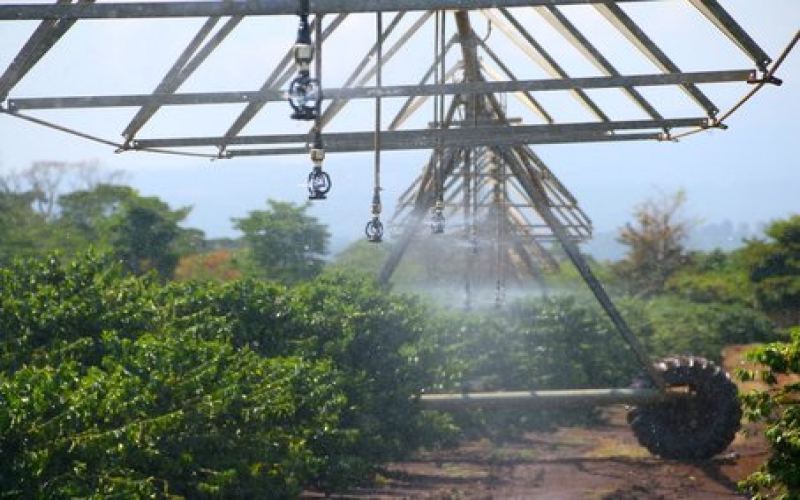
Tanzania and Kenya are both located in East Africa, and each has its own following among specialty coffee enthusiasts, but the former's flavors often come across as softer and more gentle. From Front Street's perspective, this article sorts through the introduction history of Tanzanian coffee, the cooperative system, and the terroir conditions of the Kilimanjaro growing region, introduces the local predominantly washed processing methods, and offers Front Street's pour-over extraction recommendations for a Kilimanjaro AA lot of Typica, including dripper, water temperature, coffee-to-water ratio, and the rhythm of staged pouring, to help coffee lovers understand why this bean presents interwoven layers of citrus, berry, honey, and tea-like notes. [more…]
A Complete Guide to Tanzanian Coffee Beans: From the Terroir of the Kilimanjaro Region to a Practical Guide for Washed Pour-Over
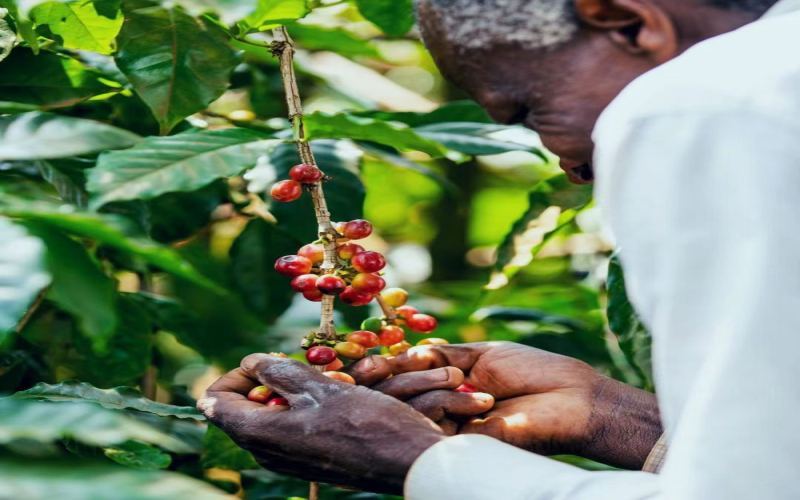
When it comes to East African specialty coffee, most people first think of Kenya, but neighboring Tanzania is equally worth attention. The coffee produced here has soft acidity and a light sweetness, presenting a gentle style completely different from Kenya's dark berry notes. This article will begin with the cultivation history of Tanzanian coffee, tracing the industry's changes from the colonial period to after independence. It will focus on the terroir conditions and ecological advantages of the Kilimanjaro production area, analyze how the local predominantly washed processing method shapes a bright flavor reminiscent of citrus and honey, and include product information for Front Street Coffee's Tanzanian Kilimanjaro coffee beans along with pour-over extraction parameters, providing coffee lovers with a complete understanding of the production area and a brewing reference. [more…]
An Analysis of the Flavor Characteristics and Traditional Washed Processing Methods of Tanzanian Coffee Growing Regions
Tanzania is located in East Africa, adjacent to Kenya. Although Kenya is more famous in the specialty coffee circle, Tanzanian coffee has won the favor of many enthusiasts with its soft acidity, light sweet aroma, and gentle mouthfeel. This article will guide you through the history of coffee cultivation in Tanzania, the terroir characteristics of the Kilimanjaro region, the main washed processing methods, and the brewing parameters recommended by Front Street Coffee. From the introduction of seeds from Réunion Island to the current annual production of about 60,000 tons of green beans, the Tanzanian coffee industry has undergone a transformation from estate dominance to smallholder cooperative organizations. The fertile soil and diverse ecology of the Kilimanjaro volcanic region provide an excellent growing environment for the Typica variety, and after washed processing, it presents rich layers of citrus, berries, honey, and tea-like notes. [more…]
Kenya Kirinyaga Region Domaine Processing Plant: Coffee Characteristics, Grading System, and Front Street Cupping Records
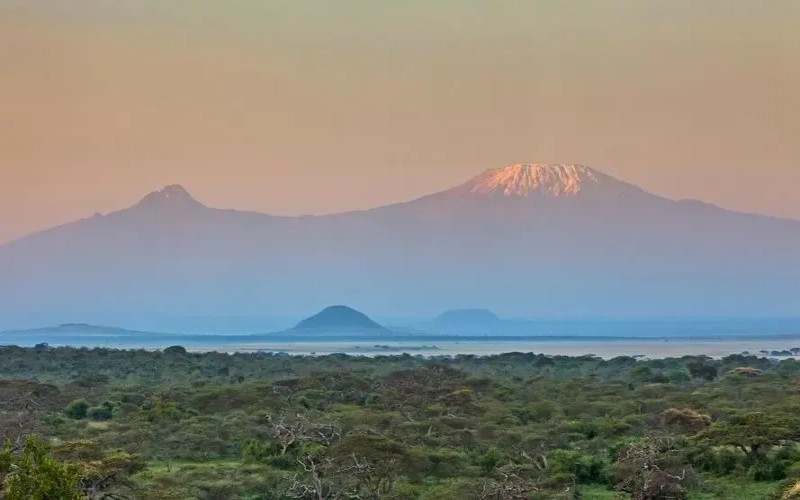
African coffee enjoys a stellar reputation in the global market, and Kenya, as Ethiopia's neighbor, is likewise a high-quality producer that cannot be overlooked. This article focuses on Kenya's famous Kirinyaga region in central Kenya, introducing its geographical and climatic conditions, coffee flavor characteristics, and the operating model and quality control of the well-known local exporter DORMANS. It also outlines Kenya's green coffee bean grading system, including official size grades and industry cup-testing grading standards. Finally, it shares the cupping performance of the Kirinyaga washed beans sourced by Front Street Coffee, delivering flavor notes of blackberry, smoked plum, cherry tomato, and citrus. [more…]

Kenya coffee | Introduction to Nyeri, Kirinyaga, Thika coffee growing areas.
The full name of Kenya is the Republic of Kenya, located in eastern Africa, crossed by the equator in the middle, adjacent to Somalia, Tanzania, Uganda, Ethiopia and South Sudan, bordering the Indian Ocean to the southeast, with a land area of 582,64 [more…]
Exchange Rate Fluctuations Hit Costa Rica: Tourism and Coffee Industries Face Income Shrinking Dilemma
Costa Rica, as a Central American country with outstanding economic performance, relies heavily on agriculture, foreign trade, tourism, and the service sector in its national economy. However, between June 2022 and December 2023, the US dollar to Costa Rican colón exchange rate fell sharply by about 24%, bringing unexpected difficulties to the local tourism and coffee industries. Tourist spending power declined, coffee export earnings shrank, yet the government viewed the colón's appreciation as a sign of economic strength. This article will analyze in depth how exchange rate fluctuations have impacted these two pillar industries, and explore the multiple challenges facing coffee growers. [more…]
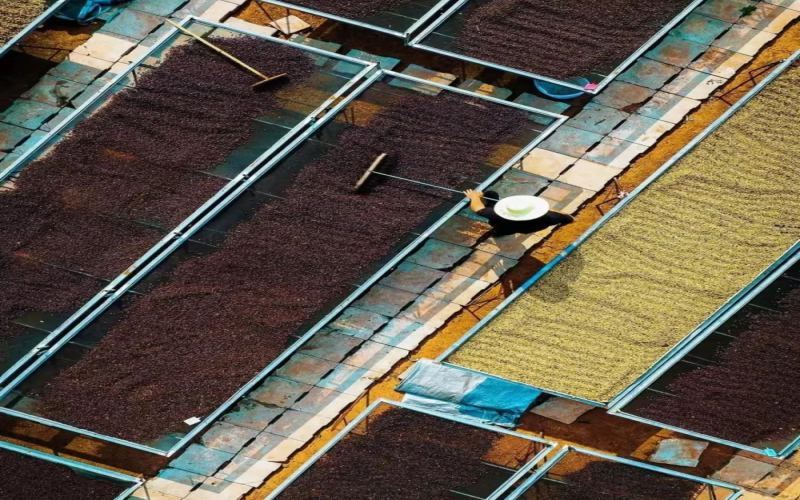
Analysis of Yunnan Coffee Estate Volunteer Recruitment and Coffee Tree Adoption Activities: Tourism Routes, Planting Experience, and Value of Participation
Yunnan's coffee industry has attracted considerable attention in recent years. Local tourism authorities have launched six travel routes covering seven major coffee production bases, including Baoshan, Pu'er, and Dali, aiming to promote high-quality development of coffee-themed tourism. Meanwhile, many coffee estate owners have seized the opportunity to launch volunteer recruitment and coffee tree adoption programs, attracting young people to participate deeply in coffee cultivation and production. Volunteers receive no wages but are provided with living subsidies and accommodation; adoption requires donations to designated charitable organizations, and some estates give the harvest to adopters. These activities not only alleviate labor shortages during the harvest season but also help consumers better understand Yunnan coffee. This article provides a detailed analysis of the formats, significance, and participatory value of these activities, while retaining the brand recommendation of Front Street Coffee. [more…]
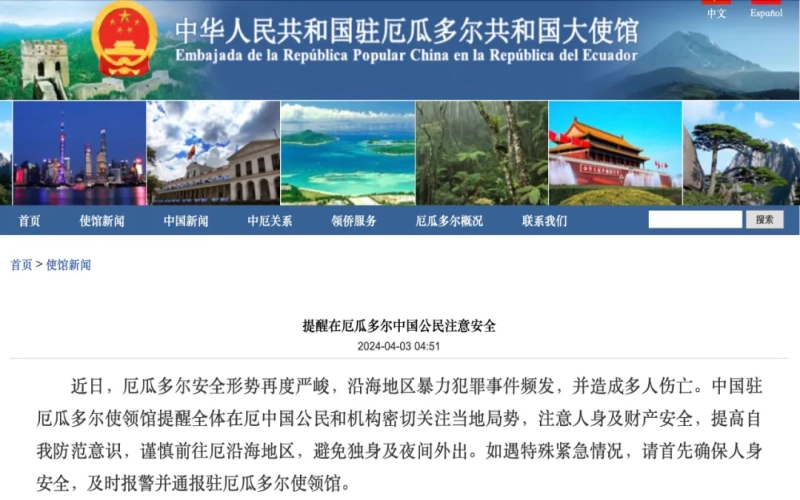
Ecuador's Armed Conflict Coupled with Diplomatic Crisis: Coffee and Tourism Industries Face Chain Reactions
Recently, the Chinese Embassy in Ecuador issued a security alert, noting the frequent violent crimes in the country's coastal areas and advising Chinese citizens and institutions to heighten their vigilance. Behind this warning lies Ecuador's ongoing internal armed conflict and an embassy arrest incident that has sent shockwaves through Latin American diplomacy. As a country dependent on exports of oil, bananas, cocoa, and coffee as well as tourism, Ecuador is facing dual pressures from a deteriorating trade environment and declining willingness among tourists to visit. Although its coffee has gradually risen to prominence in international competitions, attracting many bean hunters to visit, the current situation is undoubtedly casting a shadow over the local coffee industry and tourism economy. [more…]
Sarawak's Long Banga indigenous community switches to growing Liberica coffee, hoping to enter the international market and boost ecotourism
In the Long Banga area of northeastern Sarawak, Malaysia, indigenous farmers are turning their attention to coffee cultivation, hoping to bring local coffee beans to the international market and to inject new vitality into local tourism through coffee estates. Sarawak's economy has long relied on oil, natural gas, rubber, and hardwood, and excessive logging has brought ecological pressure, with coffee and tourism seen as directions for transformation. The main local crop is Liberica, valued for its tolerance of low altitudes, strong disease resistance, larger fruit, and faster ripening. Although coffee was introduced in the 19th century, it faded into obscurity due to poor management and the priority given to pepper and rubber, and only in 2019 did a turning point arrive. Today, farmers run homestays while growing coffee, and the government also hopes to use historic buildings, rivers, and jungle resources to attract more tourists. [more…]
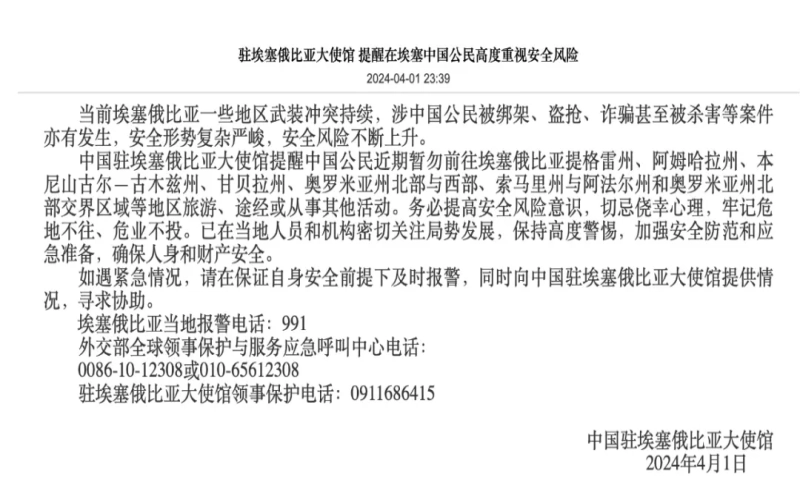
The Chinese Embassy in Ethiopia has issued a safety reminder: temporarily avoid travel to high-risk areas such as Tigray, affecting the coffee trade and tourism.
Recently, the Chinese Embassy in Ethiopia issued a notice advising Chinese citizens to temporarily avoid traveling to several high-risk areas, including Tigray and Amhara regions. The country's protracted civil war and local armed conflicts continue to spread, not only creating security risks but also severely impacting an economy and tourism industry that rely on coffee and agriculture and animal husbandry as pillars. As the recognized birthplace of coffee, Ethiopia's turbulent situation also affects the travel plans of coffee traders and bean hunters. This article outlines the background of the conflict, its impact on the economy and the coffee industry, and reiterates the embassy's safety recommendations, reminding those planning to travel to the country to remain highly vigilant and ensure their personal and property safety. [more…]

All provisions of Kenya's Finance Bill withdrawn, yet unrest persists, coffee and tourism industries hit hard
On July 25, the Kenyan Parliament unanimously voted to delete all 65 clauses of the 2024 Finance Bill, yet failed to quell the escalating wave of public protests. From the clashes triggered by tax increases in June to the dissolution of the cabinet and the opposition party's entry into government, which sparked even greater discontent, the demonstrations have spread to Nairobi, Mombasa, and other places, affecting the tourism and coffee industries. As an important coffee-producing country in Africa, Kenya has seen coffee processing plants shut down and exports blocked, casting a grim outlook on the industry's development. Front Street Coffee continues to monitor developments in the producing areas and brings you in-depth analysis. [more…]

Luckin Coffee teamed up with Chengdu Culture and Tourism to launch panda plush toys, but quality control issues with the Huahua plushie sparked a collective backlash from netizens.
Luckin Coffee recently teamed up with Chengdu Culture and Tourism to launch a co-branded series, creating ice cups, paper bags, cup sleeves, and merchandise inspired by giant pandas, with a plush keychain modeled after the top-tier panda "Huahua" highly anticipated. However, after the campaign launched, many consumers found the actual products they received fell far short of the promotional images—with skewed facial features and bizarre expressions, mockingly dubbed "underbite," while the red panda version also suffered quality control issues, sparking a wave of "ugly panda" posts on social media. What was originally intended to win fans through this collaboration unexpectedly turned into a discussion about merchandise quality and fidelity. [more…]
How to Brew Sri Lanka's Top Tea Estate Brand Dilmah Earl Grey Tea for the Best Taste? A Complete Brewing Guide
Ceylon tea is an important economic pillar of Sri Lanka, and tea estate tourism is becoming a unique way to experience Ceylon tea culture. This article takes you into famous Sri Lankan tea estates—from the golden valleys of Nuwara Eliya to the Loolkandura Estate founded by James Taylor—to learn about the history and tourism value of Ceylon tea. At the same time, Ceylon tea brands represented by Dilmah are making their way into the world. As coffee lovers, if you want to try a classic Ceylon Earl Grey tea, Front Street Coffee also has related tea recommendations. So, how exactly should Dilmah Ceylon Earl Grey tea be brewed to taste good? Below is a detailed answer for you. [more…]