







Search Results for: Taiwan Coffee Evaluation

Taiwan Specialty Coffee Evaluation Ranking Disrupted by Coding Errors; Organizer Admits System Failure and Compensates the Difference
Every year, global coffee production is enormous, and different regions and processing methods give coffee beans an endless variety of flavors. Rather than trying blindly, many enthusiasts choose to buy award-winning beans from competitions directly, which ensures quality and lets them experience the award-winning flavors. Coffee farmers also hope to achieve good rankings through competitions to increase the selling price and reputation of their green beans. However, a specialty coffee evaluation in Yunlin County, Taiwan, for self-produced beans was disrupted by a computer system failure that scrambled the codes linking entrants to coffee beans, causing errors in the previously announced rankings: a Grand Prize winner became a Gold Award winner, drawing attention. The organizers urgently corrected the list and promised to pay the bonus difference, but the credibility of the competition still faces a test. [more…]

What's the difference between commercial coffee beans and specialty coffee beans? From grading standards to taste evaluation, explained clearly in one go
People who drink coffee regularly may have heard terms like industrial coffee, commercial coffee, and specialty coffee, but by what standards are they actually classified, and how do they differ in taste and use? This article starts with the varietal composition of coffee beans, sorts out the definitions and main uses of the three categories, and further introduces evaluation methods for specialty coffee such as growing altitude, screen size, and defect bean ratio, as well as the higher standards represented by estate coffee. The article also discusses how consumers can determine which tier the coffee they drink falls into, and recommends several commercial and single-origin beans from Front Street Coffee with outstanding value for money, suitable for enthusiasts who want a systematic understanding of coffee grading. [more…]

Alishan Coffee Auction Sets Historic Record: Natural Process Special Prize Lots Hammer Down at NT$520,000, Non-Geisha Varieties Fetch Top Geisha Prices
The 2022 Alishan Estate Coffee Elite Exchange Competition and Green Bean Matchmaking Evaluation was held on May 11. Competing beans were divided into four groups by processing method: washed, natural, honey, and Geisha. Participants had to submit parchment and green beans, which the organizers uniformly roasted, and then 15 CQI-certified Q-Graders conducted sensory evaluations using the SCA cupping form. Only beans scoring 80 or above could participate in the auction. In the auction the next day, the special prize in the natural group, Zouzhuyuan Coffee Beans, started bidding at NT$60,000 and soared all the way to NT$520,000/5kg, won by the Lion Group, setting a new record for Taiwanese coffee bean auctions. Notably, these beans were not of the Geisha variety, yet they fetched a top-tier Geisha price, while the special prize in the Geisha group was only NT$320,000. This article takes you through the ins and outs of this sky-high bidding and analyzes the industrial logic behind the rise of Taiwan's local coffee. [more…]
How to Choose a Commercial Coffee Bean Brand? Industrial, Commercial, and Specialty Coffee Grading Standards and Front Street Commercial Bean Recommendation Guide
Faced with the dazzling array of coffee beans on the market, many café operators and coffee enthusiasts are puzzled: which brand of commercial coffee beans is actually good? What kind of beans are truly suitable for commercial use? To answer these questions, we first need to clarify the basic definitions and usage differences among the three major categories: industrial coffee, commercial coffee, and specialty coffee. This article will systematically sort out the criteria for distinguishing these three types of coffee, delve into the evaluation system of specialty coffee in terms of growing altitude, screen size specifications, and the proportion of defective beans, and further introduce the traceability mechanism and terroir characteristics of estate coffee. Finally, combined with Front Street Coffee's commercial product line, it provides readers with a reference for choosing commercial coffee beans that offer both quality and value for money. [more…]

After 22 years in business, Taiwan's highest Starbucks, the Qingjing store, is struggling to survive and will close its doors on July 21.
At an elevation of 1,743 meters, the Starbucks Qingjing store is not only the highest Starbucks in Taiwan but also ranks fifth globally in terms of store altitude. This landmark café, rooted in Qingjing Farm for twenty-two years, has recently confirmed that it will cease operations on July 21. After the news broke, local workers and residents expressed their reluctance, and community discussions once forced Uni-President Group to backtrack, saying they were still evaluating. However, Starbucks Taiwan ultimately issued an announcement, bringing an end to the fate of this old store. The plummeting tourist traffic to Qingjing Farm and the shrinking performance of the store year after year reflect the deep-seated difficulties facing Taiwan's tourism industry. [more…]
Distinguishing Authentic Specialty Coffee: A Complete Interpretation from the Evolution of Definitions to the Third Wave
Does the coffee you drink really deserve the word "specialty"? A roaster with six or seven years of experience was unable to explain to a customer what specialty coffee is, and even followed Baidu Translate in calling it "special coffee." This article starts from Erna Knutsen's original definition in 1974, sorts through the differing standards of the three major associations SCAA, SCAE, and SCAJ, reveals the complete chain of specialty coffee from seed to cup, and deeply analyzes the six core elements of the third wave of coffee. Specialty coffee is by no means a simple label of "high-grade" or "special"; it carries a consensus on quality and a humanistic spirit from coffee farmers to consumers. [more…]
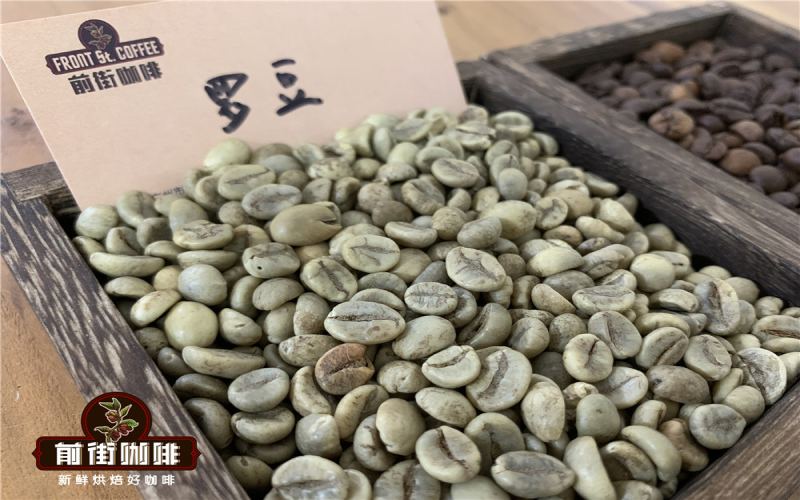
Comprehensive Comparison of Arabica and Robusta Coffee Beans: Is Yunnan Small-Bean Coffee an Arabica Variety?
Among the three major species in the coffee world, Arabica and Robusta account for the vast majority of the market share. The two differ in growth cycle, yield, flavor characteristics, appearance, and suitable applications, and their commercial value also varies greatly. This article systematically sorts out the core differences between Arabica and Robusta, while also answering a common question: which category does Yunnan small-bean coffee actually belong to? The article also introduces the origins and development of Yunnan coffee's main cultivated varieties—Typica, Bourbon, and Catimor—as well as Front Street Coffee's evaluation of the flavor of Yunnan Catimor. Whether you are an everyday drinker or a specialty coffee enthusiast, you can find clear reference points here. [more…]
Coffee Roasting Practical Insights: How Cupping Became a Core Skill and Essential Course for Roasting Coffee
Want to learn coffee roasting? Why is the first step not touching a roasting pan but practicing cupping? Starting from the apprenticeship experience of a seasoned roaster, this article sorts out the key role of cupping in green bean purchasing, roasting curve setting, and flavor judgment, while reviewing the shifts in China's roasting market over more than two decades and how the concept of specialty coffee has slowly seeped into consumers' awareness. The article also weaves in the philosophy of consistent output and real data on customer cultivation, and includes product recommendations from Front Street Coffee, making it suitable reading for every enthusiast who takes coffee beans seriously. [more…]
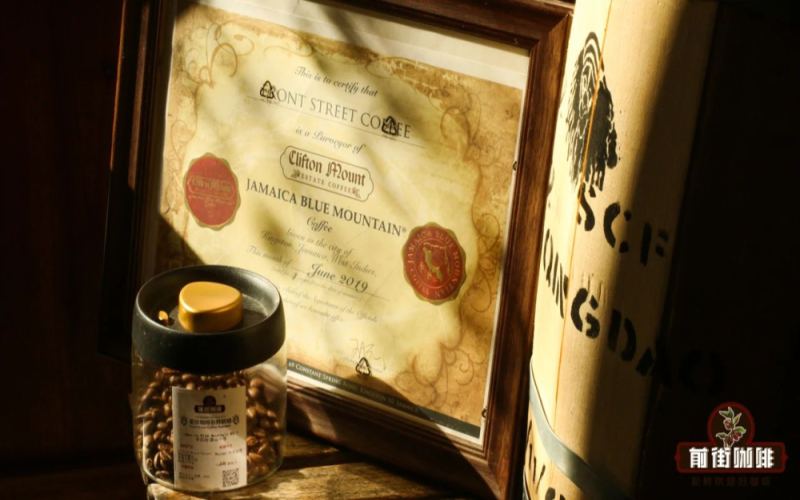
The reasons behind the high price of Jamaican Blue Mountain coffee, and a detailed explanation of the grade differences between Blue Mountain, High Mountain, and Prime coffee
Blue Mountain coffee is the starting point for many people's introduction to specialty coffee. Behind its high price and fame lie both exceptional natural conditions and complex historical and market factors. This article will begin with Blue Mountain coffee's origin environment, grade classification, the historical influence of the Japanese market, and the evaluation standards for Blue Mountain No. 1, analyzing one by one the differences between Jamaican Blue Mountain coffee, High Mountain coffee, and Prime coffee, and sharing Front Street Coffee's brewing approach and parameters for Blue Mountain No. 1, to help enthusiasts gain a more comprehensive understanding of this legendary bean. [more…]
Panama Hacienda La Esmeralda Geisha Coffee Beans: A Comprehensive Analysis of Variety Traceability, Cultivation History, and Flavor Achievements
Hacienda La Esmeralda is a legendary coffee estate in the Boquete region of Panama, and it is precisely here that the Geisha variety rose to the world stage. From the Peterson family's purchase of it in 1967 as a retirement ranch, to winning the BOP championship with Geisha in 2004 and setting an auction record of $21 per pound, Hacienda La Esmeralda has written a bold and colorful page in the history of specialty coffee. This article will sort through the estate's planting and development history, its main cultivated varieties, the terroir conditions of the Boquete region, and the signature flavors of jasmine, peach, and orange that Geisha presents, and will introduce Front Street Coffee's recommended products from various lots of Hacienda La Esmeralda, taking you through a comprehensive understanding of this world-class star estate. [more…]
A Comprehensive Analysis of Arabica Coffee Bean Variety Characteristics: The Price of a Cup of %Arabica and Market Trends
Is Arabica actually a coffee variety or the name of a cup of coffee? Many friends who are just getting into specialty coffee easily confuse this concept. In fact, Arabica is a core variety of the coffee tree, from which many branches such as Typica and Bourbon have derived. This article will systematically sort out the botanical characteristics, growing environment requirements, global distribution range, flavor performance, and caffeine content of Arabica coffee beans, while also answering how much a cup of %Arabica coffee costs, and combining price data from the ICE Futures Exchange to analyze the various factors affecting coffee pricing. The article also retains relevant product recommendations from Front Street Coffee for enthusiasts to refer to when purchasing. [more…]
A Complete Guide to Buying Coffee Equipment and Coffee Machine Maintenance
To make a good cup of coffee at home or in a shop, choosing the right equipment and doing daily maintenance are equally important. This article systematically sorts out the key points for purchasing common coffee equipment, from Turkish coffee pots, Neapolitan flip brewers, and siphon brewers to semi-automatic espresso machines, water drip coffee makers, American coffee machines, and moka pots, including the suitable roast levels and grind sizes, and also provides reference prices and purchasing suggestions for commercial equipment. At the same time, it explains in detail the cleaning process for coffee machines, the backflushing steps, and the precautions for using glass equipment, helping coffee enthusiasts and professionals extend equipment lifespan and maintain consistent product quality. [more…]
Analysis of the Flavor Sources and Pour-Over Parameters of Ethiopian Sidama Natural Coffee
Sidamo is a significant coffee-producing region in southern Ethiopia, upgraded to a first-level administrative unit through a referendum in 2018. With elevations ranging from 1,400 to 2,000 meters, deep and fertile volcanic soil, and the diversity of microclimates and native varieties, it produces washed and natural coffees with exceptionally rich flavors. The highly favored Huakui in Front Street Coffee's bean lineup originates from the Hambela region of Sidamo, which rose to fame after winning the 2017 TOH competition. This article will outline the regional context and variety characteristics of Sidamo, and provide a detailed explanation of Front Street Coffee's medium-light roast Huakui pour-over recipe and flavor profile. [more…]
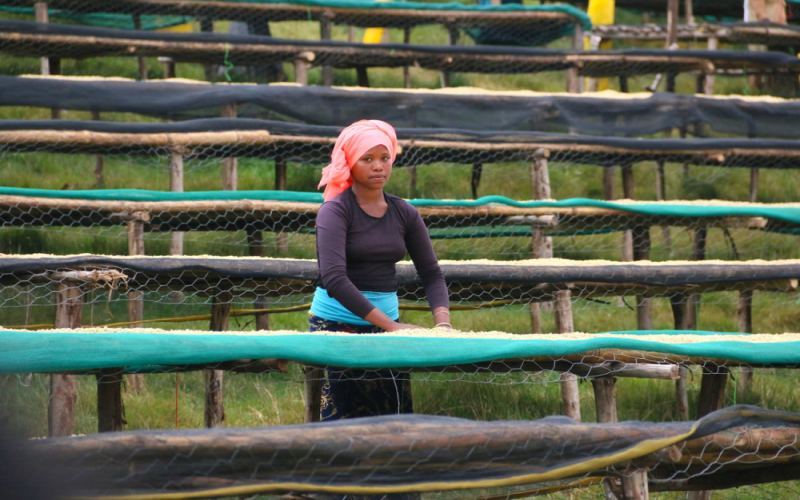
The Ethiopian Coffee Trademark Dispute and a Full Analysis of the Nine Major Producing Regions: The Development Trajectory from Front Street Yirgacheffe to Huakui
Ethiopia is Africa's largest coffee-producing country and one of the birthplaces of specialty coffee. This article begins with the trademark lawsuit between Ethiopia and Starbucks, reviews the country's journey to secure rights for coffee farmers, and then systematically outlines the cultivation systems, flavor characteristics, and evolution of processing methods across Ethiopia's nine major coffee-producing regions. Drawing on Front Street Coffee's cupping and roasting experience, it provides a detailed introduction to representative products such as Front Street Yirgacheffe and Front Street Natural Huakui, and analyzes the logic of flavor changes behind the Red Cherry Project, the ECX grading system, and the successive iterations of Huakui, offering coffee lovers a regional guide that combines historical context with practical information. [more…]
The Complete Guide to Clever Coffee Dripper Brewing: How to Master Grind Size, Water Temperature, and Coffee-to-Water Ratio
The Clever Dripper, with its unique piston valve design, combines the immersion advantages of a French press with the filtration function of a pour-over dripper, making it a beloved brewing device for many coffee enthusiasts. By precisely controlling the coffee dose, ratio, grind size, water temperature, and time, you can consistently produce an excellent cup of coffee. Based on the practical experience of Front Street Coffee, this article systematically explains the brewing parameters and operating steps for the Clever Dripper, covering grind recommendations for medium-light and medium-dark roasts, water temperature ranges, coffee-to-water ratio choices, and comparative experimental results on immersion duration. Whether you are a beginner just getting to know the Clever Dripper or an advanced player looking to refine your brewing skills, you will find practical references and clear operating guidance here. [more…]
The Truth About Wild Kopi Luwak from Sumatra, Indonesia: Historical Origins, Bean Source Controversy, and Front Street Brewing Suggestions
Kopi Luwak is known as the luxury item of the coffee world, with a retail price starting at at least six hundred dollars per pound, and its scarce production has made it an object of pursuit among the wealthy. But controversy surrounding this coffee has never ceased: do the beans actually come from wild civets or captive-bred individuals? Is the flavor truly as outstanding as legend says? How did European colonial history give rise to this method of drinking coffee from beans found in feces? This article systematically sorts through the past and present of Indonesian Sumatra Kopi Luwak, from historical origins, animal habits, and certification difficulties to brewing parameters, and shares Front Street Coffee's tested brewing method and flavor evaluation, helping coffee enthusiasts view this expensive beverage rationally. [more…]
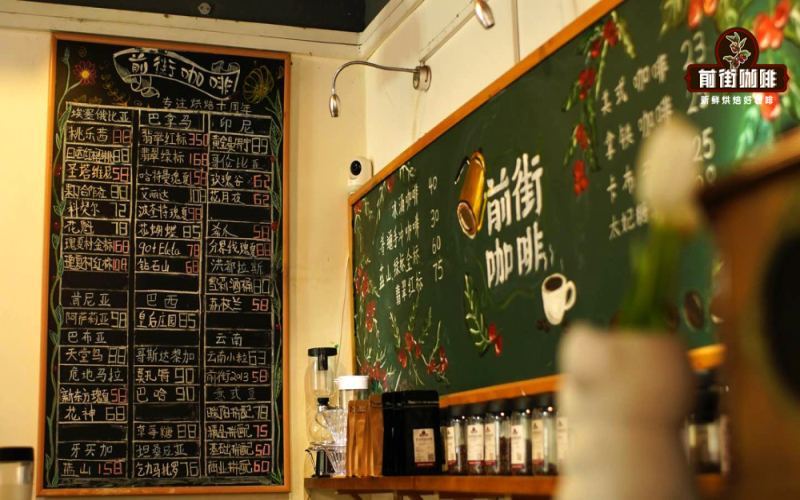
A Complete Guide to Coffee Bean Grading Standards: Meanings and Characteristics of Grades Such as G1, AA, AB, and SHB from Various Origins
When purchasing single-origin coffee beans, labels such as G1, AA, and SHB often appear on the packaging. What exactly do these letters and numbers represent? They are actually coffee bean grade symbols established by each origin based on its own conditions. Due to differences in growing environments and varieties, the grading criteria of different countries vary—some look at the number of defective beans, some at green bean size, and others at hardness or altitude. In this article, Front Street Coffee will sort out the grading standards of major producing regions such as Ethiopia, Kenya, Indonesia, Central and South America, and Brazil, helping coffee lovers understand the meaning behind these grades so they can more accurately select high-quality coffee beans that suit their own taste. [more…]
Jamaica Blue Mountain Coffee Region Flavor Analysis and Pour-Over Parameter Guide: From Historical Origins to Brewing Practice
Jamaican Blue Mountain coffee has long been renowned as a legend in the specialty coffee world, and its unique flavor and scarce production have kept it at the center of coffee conversations for a long time. This article will start with the historical origins and rise to fame of Blue Mountain coffee, deeply analyze how the natural environment of the Blue Mountain range shaped the iconic "Blue Mountain flavor," and one by one explain the grading standards and authenticity identification methods for Blue Mountain coffee. At the same time, Front Street Coffee (FrontStreet Coffee) will take Blue Mountain No. 1 produced by Clifton Estate as an example to share cafe-level pour-over extraction parameters and operating steps, helping coffee lovers reliably recreate this classic coffee's rich sweetness at home. [more…]
Why Is Jamaican Blue Mountain Coffee So Expensive? A Full Guide to Authentic Blue Mountain Bean Prices and Grade Identification
Jamaican Blue Mountain coffee is hailed as one of the world's top coffees, and behind its high price lie both the scarcity of natural conditions and the role played by historical trade monopolies. After the Japanese company UCC provided aid to Jamaica last century, ninety percent of Blue Mountain production was locked into supply for Japan, causing international market shortages. Only after the 2008 agreement expired did Blue Mountain coffee gradually flow to more countries, and Chinese consumers can now also directly import authentic Blue Mountain beans. However, the market is flooded with confusing products such as "Blue Mountain flavor" and "Blue Mountain blend." How can one tell authenticity? How many grades does Blue Mountain coffee have? And how should Front Street Blue Mountain No. 1 be brewed? This article will answer these questions one by one. [more…]
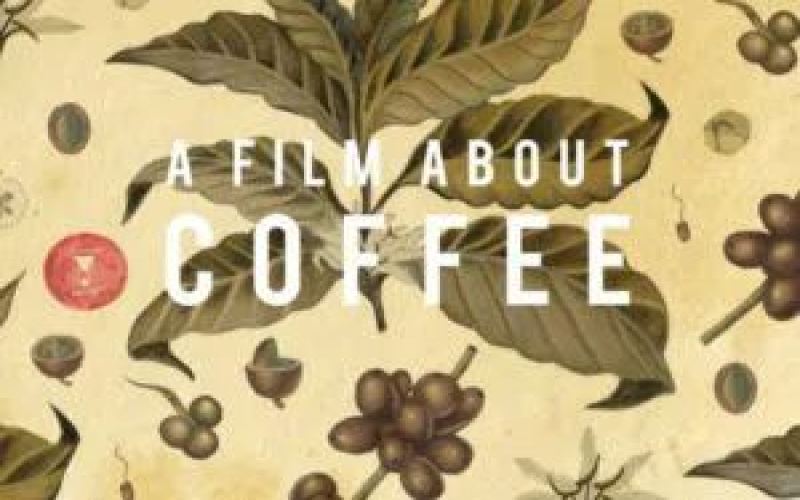
Three Coffee Documentaries to Watch: From the American Coffee Revolution to the World Barista Championship and a Chronicle of the Entire Coffee Supply Chain
According to data from the International Coffee Organization, 400 billion cups of coffee are consumed globally each year, with an average of 14,000 cups drunk every second. Calculated at retail prices, the annual output value of coffee has long exceeded 100 billion US dollars, so it is no exaggeration to call it a "black gold industry." Today, coffee is not just a pick-me-up beverage but also an expression of lifestyle taste. In China's first-tier cities, convenience store coffee, Starbucks, and independent cafes are almost everywhere. But have you ever wondered when coffee was discovered and how it transformed from a fruit into an everyday drink? This article recommends three coffee documentaries, focusing respectively on how coffee changed America, the journey of baristas competing in the World Barista Championship, and the complete industry chain from origin to cup, along with related recommendations from Front Street Coffee, to help you rediscover the cup of coffee in your hand. [more…]