







Search Results for: Stirring Technique

An In-Depth Analysis of Pour-Over Coffee Stirring Techniques: From Champion Methods to Extraction Effects
In the process of pour-over coffee, the action of stirring the coffee bed has attracted increasing attention from enthusiasts in recent years. Some hope to enhance the sweetness and flavor layers of coffee through stirring, while others remain skeptical of its effects. This article, from the perspective of Front Street, reviews the origins and representative figures of stirring techniques, analyzes the different roles of stirring during the blooming stage and the main extraction stage, and, combined with practical comparative experiments, explores the impact of stirring on extraction results, as well as issues that need attention such as fine particle clogging and bean quality, helping coffee enthusiasts make a more rational judgment on whether to stir and how to stir. [more…]
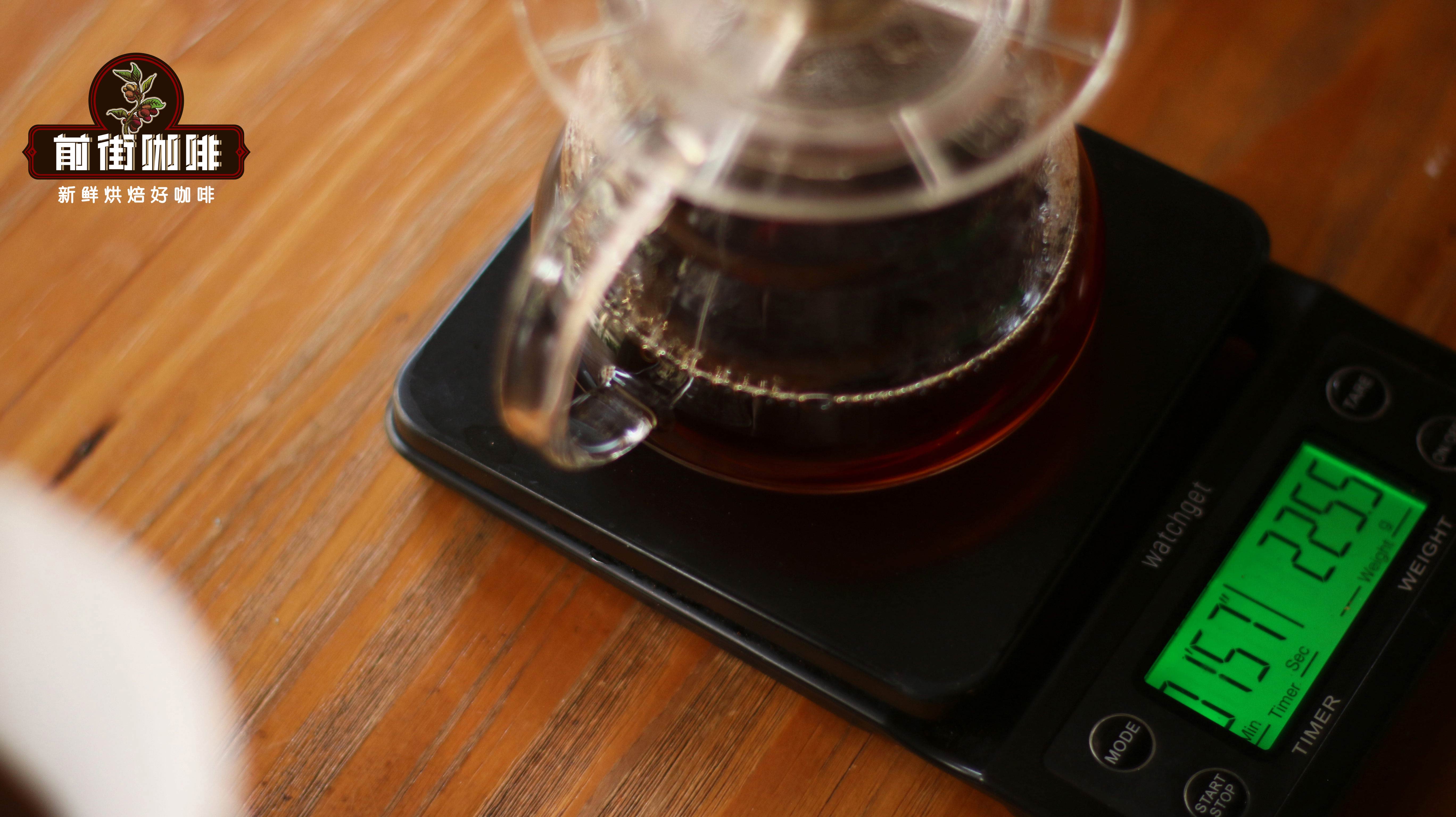
Sharing the Five Major Pour-Over Coffee Techniques | Does the Pouring Technique Affect Coffee Extraction? Flavor Comparison and Differences of Pour-Over Coffee Using the Three-Stage Volcano Pour Stirring Method
Compared to other single-origin coffees, pour-over coffee has a great many brewing methods. For example: one-pour, three-stage, volcano pour, variable-temperature brewing, stirring, and so on. Today let's get to know some of the brewing methods that commonly appear in pour-over coffee~ 1. One-pour The one-pour method and the single-pour method are still [more…]
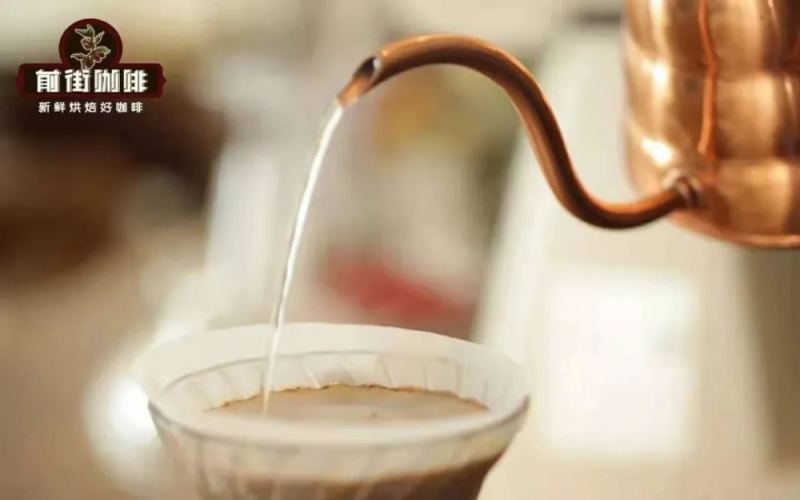
A Detailed Guide to Six Pour-Over Coffee Brewing Techniques: One-Pour, Three-Stage, 4:6 Method, Variable Temperature, Volcano Pour, and Stirring Method
The charm of pour-over coffee lies in the diversity of brewing methods, as different pouring techniques bring out entirely different flavor expressions. This article systematically sorts through six common pour-over techniques—single-pour, three-stage, 4:6 method, Santuario variable-temperature brewing, volcano pour, and stirring method—analyzing each one by one from the logic of pouring, parameter ratios to flavor characteristics, and explaining their respective applicable scenarios and operational difficulties. Using specific parameters such as 15g coffee to 225ml water and 20g coffee to 300ml water as examples, the article helps readers understand the extraction principles behind each technique. At the same time, it retains Front Street Coffee's practical experience with the three-stage method and grind adjustment for coffee enthusiasts to refer to and compare. [more…]

What Grind Size Is Suitable for Siphon Coffee? A Complete Guide to Coffee-to-Water Ratio, Stirring Technique, and Brewing Time
The siphon is a coffee brewing device full of retro charm. Although it is no longer commonly seen in coffee shops today, a group of loyal enthusiasts still insist on using it to make coffee. This article will start with the structure and principle of the siphon, then introduce the choice between cloth filters and paper filters, a comparison of heat sources, recommended coffee beans, and how to judge the order of adding grounds, the grind setting, the coffee-to-water ratio, the stirring method, and when to turn off the heat. It also includes Front Street Coffee’s usual complete operating procedure to help beginners get started quickly and make a cup of siphon coffee with rich aroma and a full-bodied taste. [more…]
Analyzing the Differences Between American-Style Pour-Over and Japanese-Style Pour-Over: Coffee-to-Water Ratio, Grind Size, and Chemex Iced Coffee Brewing Method
There are obvious differences between American-style pour-over and Japanese-style pour-over in technique, roast level, grind size, and water temperature. Among them, the unique stirring motion and relatively high water temperature of American-style pour-over bring out a rich and bitter flavor. This article analyzes in detail the process of making iced coffee with a Chemex, and further explores the four key extraction points: grind size, time, stirring, and temperature. At the same time, it compares through experiments the flavor differences among the direct pouring method, the standard blooming method, and the blooming-with-stirring method. The article also specifically recommends related products from Front Street Coffee, providing a practical reference for coffee lovers. [more…]
Analysis of Six Major Pour-Over Coffee Extraction Methods: Comparing the Characteristics of One-Pour, Three-Stage, 4:6 Method, Santai Warm, Volcano Pour, and Stirring Method
The charm of pour-over coffee lies in its ever-changing brewing methods, where different techniques bring out completely different flavor expressions. This article will systematically break down six common pour-over techniques—one-pour, three-stage, 4:6 method, three-temperature brewing, volcano pour, and agitation method—analyzing each one from water-pouring logic and parameter settings to flavor direction. Whether you're a beginner just getting into pour-over or an advanced player looking for a breakthrough, you'll find a key that suits you. At the same time, Front Street Coffee will also share its most commonly used three-stage brewing experience, helping you understand the underlying principles of flavor release, so you can draw inferences and apply them flexibly. [more…]
A Detailed Guide to Six Pour-Over Coffee Brewing Methods: Flavor Comparison of One-Pour, Three-Pour, 4:6 Method, Three-Temperature, Volcano Pour, and Stirring Method
The charm of pour-over coffee lies in the diversity of brewing methods; different pouring techniques directly affect the flavor expression and mouthfeel layers of the coffee. This article systematically sorts out six common pour-over techniques: the one-pour method, the three-stage method, the 4:6 method, the three-temperature brewing method, the volcano pour, and the stirring method. From the number of pouring stages, coffee-to-water ratio, extraction time, to grind adjustment, it analyzes one by one the principles and applicable scenarios behind each method, helping coffee enthusiasts understand the release order of sour, sweet, and bitter substances, and choose the most suitable brewing strategy according to the characteristics of the beans, so as to consistently brew a good cup of coffee that suits their own taste. [more…]

Why Does Pour-Over Coffee Use Circular Pouring? A Complete Analysis from Extraction Principles to Practical Technique
Many friends who are just getting into pour-over coffee are curious: why must you pour in circles when adding water? Can't you just pour water straight into the center? Behind this seemingly simple action lie two considerations: extraction efficiency and water flow stability. This article will analyze it from two angles—first explaining the role of agitation in improving extraction yield, then explaining why, among the many agitation methods, circular pouring is best suited to the pour-over scenario. It will also share practical pouring techniques recommended by Front Street Coffee, helping beginners effectively avoid turbulence, achieve even extraction, and reduce the chances of messing up. [more…]
An Analysis of the Causes of Bland Siphon Coffee and a Detailed Guide to Practical Brewing Techniques
The siphon pot is no longer commonly seen in mainstream coffee shops, but its unique extraction method still attracts a group of loyal enthusiasts. When many people try to brew coffee with a siphon pot, they find that the resulting cup tastes weak and lacks complexity. The reasons behind this often involve multiple factors such as the timing of adding coffee grounds, grind size, coffee-to-water ratio, stirring technique, and the choice of heat source. Drawing on Front Street's hands-on experience, this article systematically sorts through the siphon pot's structural principles, differences in filter materials, characteristics of heat sources, the controversy over the order of adding grounds, grinding parameters, coffee-to-water ratio, and stirring methods, and includes a complete operating procedure to help readers consistently make a rich, full-bodied cup of siphon coffee at home. [more…]
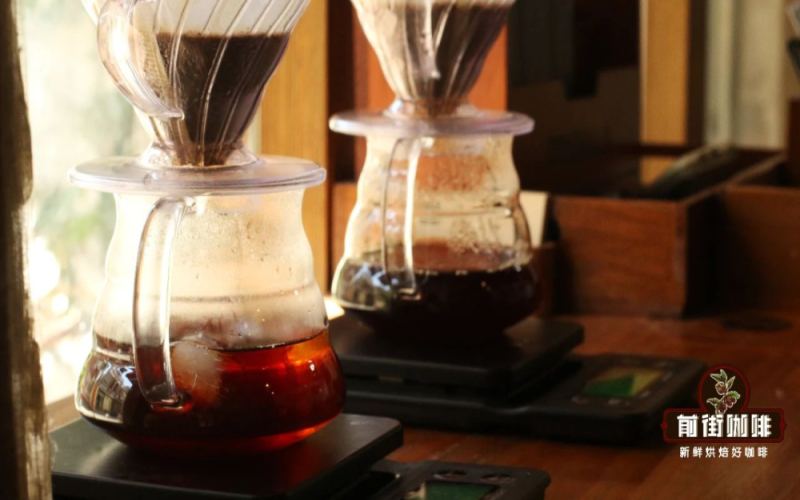
Yirgacheffe Washed Gudingding Pour-Over Parameters Sharing | What Are the Differences in Pour-Over Brewing Water Temperature, Pouring Technique, and Extraction Time Between Dark Roast and Light Roast Coffee Beans?
For more specialty coffee knowledge, please follow: Front Street Coffee (Frontsteet Coffee). The most charming thing about pour-over coffee is its adjustability. Many customers who often come to Front Street for coffee also try making pour-over at home, and they always say that pour-over coffee is too difficult. [more…]

The Complete Guide to Siphon Coffee Brewing: From Extraction Principles to Step-by-Step Instructions
The siphon brewer, with its laboratory-instrument appearance and unique vacuum extraction method, has long been favored by coffee enthusiasts. It first appeared in Europe, where a French woman named Marie Fanny Amelne Massot registered a trademark for it, and its classic spherical design established its iconic status among coffee brewing devices. This article will begin with the extraction principle of the siphon brewer, systematically introduce the device's structure, filtration system, and heat source selection, then move on to key steps such as coffee grind size, timing of adding coffee grounds, stirring technique, and judging when to turn off the heat, and finally provide a complete eight-step operating procedure. Front Street Coffee recommends using medium-roast beans such as Huilan, Bird of Paradise, Diamond Mountain, and Queen's Estate to highlight the rich, full-bodied flavor characteristics of siphon coffee. [more…]

How to Make Delicious Iced Pour-Over Coffee? Two Popular Brewing Methods and Ratios Explained in Detail
As the weather warms up, cold drinks are back in the spotlight, and iced pour-over has become a favorite for many coffee lovers. However, when trying to recreate online recipes at home, many people often run into problems like weak coffee or flat flavors. Front Street Coffee has put together two highly praised iced pour-over methods from its bookmarks: one is the stirring method from KURASU COFFEE in Kyoto, and the other is the ice-shaking method from Taiwanese barista Amis. These two approaches tackle the issue from different angles—one boosts extraction, the other chills and mixes evenly—and both use everyday pour-over gear with clear parameters, making them suitable for friends at different skill levels. This article will use a naturally processed Ethiopian Bensa beans as an example to break down the pouring technique, coffee-to-water ratio, timing, and flavor profile in detail, helping you find an iced pour-over approach that suits you better. [more…]
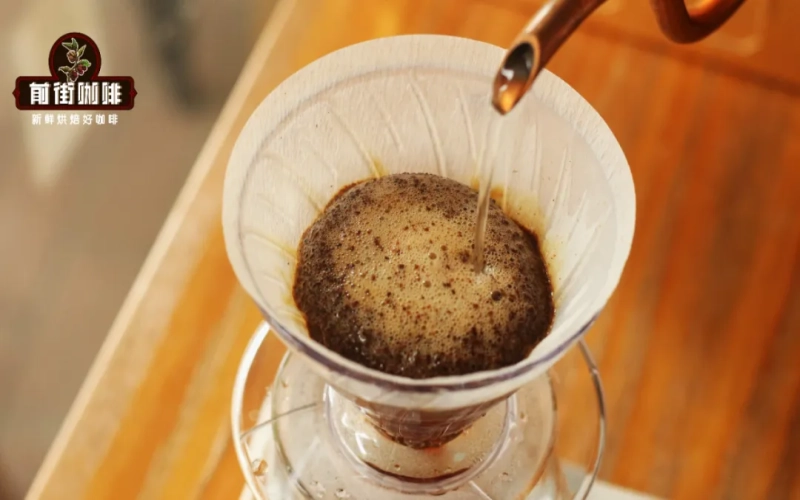
What are the advantages of the stirring blooming method in pour-over coffee? An in-depth analysis of the practical techniques of the Mad Barista stirring method
In the world of pour-over coffee, the agitation method is a more aggressive extraction technique than water-stream agitation. It acts directly on the coffee bed through a tool, accelerating the release of soluble flavor compounds. Front Street Coffee shared this method last year, but did not elaborate on the specific steps. This article will systematically sort out the three major application scenarios of the agitation method—the blooming stage, remedial action when extraction efficiency is insufficient, and its use when actively adjusting parameters—and provide an in-depth analysis of the key details to note when using agitation, such as grind size, agitation force, and number of agitations, helping coffee enthusiasts master this technique more precisely. [more…]
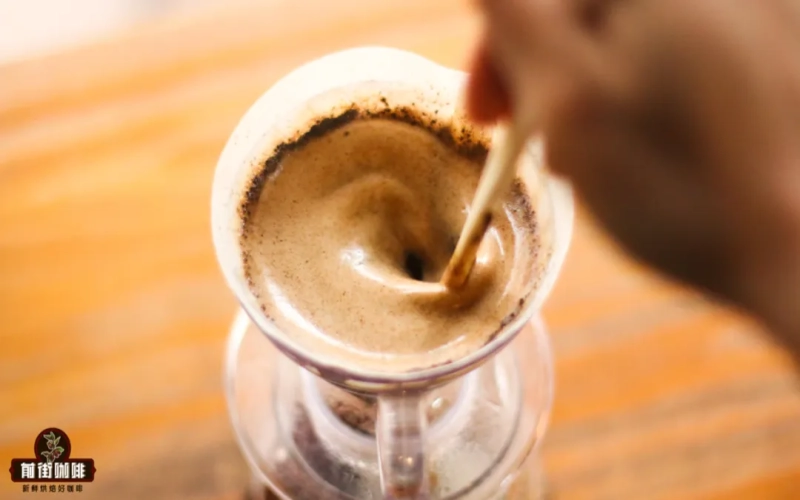
Pour-Over Coffee Stirring Method Iced Coffee Tutorial: Parameters, Steps, and Kenyan Coffee Bean Flavor Sharing
Why does the stirring method for brewing iced pour-over coffee bring out a richer flavor? This article will analyze the essential difference between the stirring method and conventional pouring from the perspective of extraction efficiency, and share in detail the complete parameters and steps for Front Street Coffee's iced pour-over made with Kenyan Little Tomato coffee beans, using a V60 dripper paired with the stirring method. If you are also interested in this fun brewing technique, why not follow along with this article and give it a try at home, experiencing the full-bodied juiciness and rich flavor that the stirring method brings. [more…]
How Much Coffee for a Single Serving of Pour-Over? The Golden Cup Extraction Principle and Techniques for Japanese-Style Drip Pouring and Stirring-Bloom Method
When brewing a pour-over coffee at home, how much coffee powder should you use? Starting from the SCA Golden Cup extraction standard, this article sorts out the practical logic of a 1:15 coffee-to-water ratio, explains the reasoning behind 15 grams of coffee powder and 225 grams of brewed coffee for a single serving, and analyzes the effects of water temperature, grind size, and pouring technique on flavor. Taking staged extraction as the main thread, the article details the rhythm control and operational details of blooming and degassing, three-stage pouring, and also compares the applicable scenarios, pros, and cons of the stirring bloom method, the Japanese drip pouring method, the single-pour method, and the volcano surge method, providing coffee enthusiasts with a clear, reusable brewing reference. [more…]
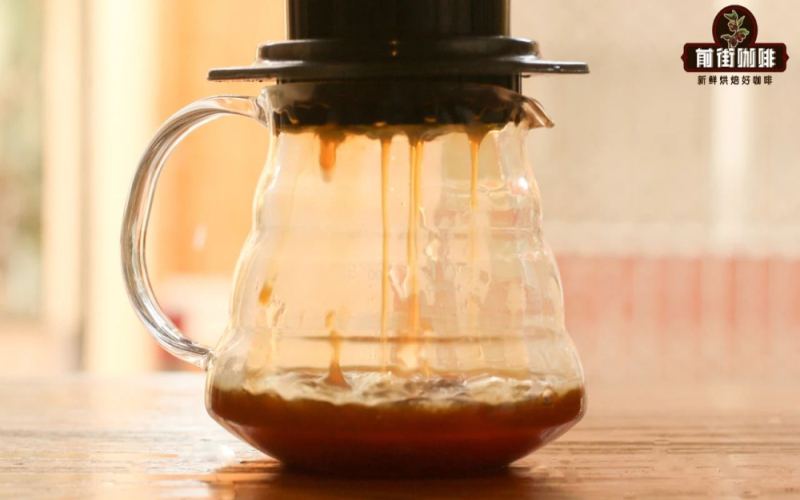
Is an AeroPress suitable for Mandheling coffee? A detailed guide to brewing parameters and techniques for medium-dark roasted beans
The AeroPress sits between pour-over and espresso, with a low barrier to entry and consistent results, but if you want to fully bring out the flavors of medium-dark roasted beans, you still need to master key variables such as grind size, water temperature, time, and stirring. This article focuses on Front Street Coffee's AeroPress coffee beans, outlining the approach to selecting beans for both light roasts and medium-dark roasts, and provides recommended coffee-to-water ratios, blooming rhythm, the cross-stirring technique, and water temperature suggestions of 80 to 90°C, helping coffee enthusiasts find a brewing method that suits them in the balance between acidity and sweetness and a rich, full-bodied taste, while also answering the question of whether medium-dark roasted beans such as Mandheling can be used in an AeroPress. [more…]
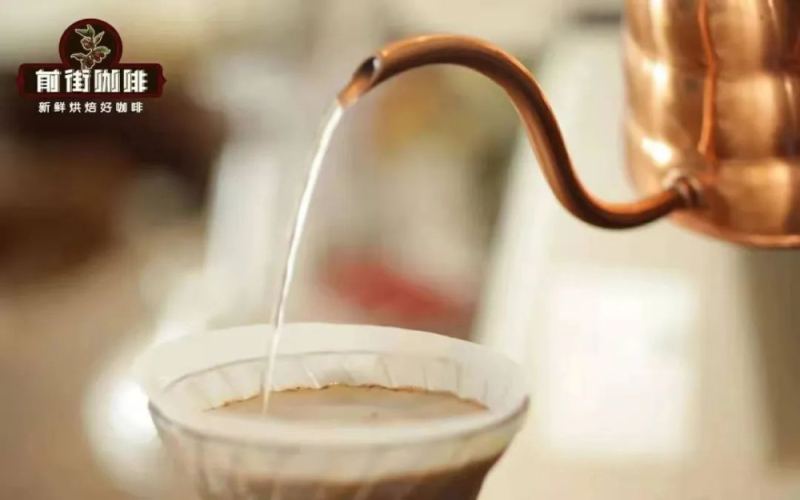
Advanced Guide to Pour-Over Coffee: A Full Analysis of the One-Pour Method, Three-Stage Method, 4-6 Method, Three-Temperature Method, Volcano Pour, and Stirring Method
The charm of pour-over coffee lies in the diversity of brewing methods. Besides the common three-stage pour, there are also single-pour, 4-6 method, three-temperature brewing, volcano pour, agitation method, and many other techniques. Each method has its own characteristics: single-pour is simple and stable, three-stage offers rich layers, the 4-6 method is formulaic in operation, three-temperature brewing highlights flavors through variable-temperature extraction, volcano pour is highly visually appealing and suitable for dark roasts, while the agitation method demands a high level of skill. This article will analyze the principles, parameters, and suitable scenarios of these brewing methods one by one, and share Front Street Coffee's practical experience, helping coffee enthusiasts understand the logic of flavor release and find a brewing approach that suits them. [more…]
Analysis of Six Classic Pour-Over Coffee Brewing Methods: Techniques and Flavor Differences from One-Pour to Stirring
The charm of pour-over coffee lies in its rich and varied brewing methods, with different techniques bringing out completely different flavor expressions. This article systematically sorts out six common pour-over techniques—one-pour flow, three-stage, four-six method, three-temperature brewing method, volcano pour, and stirring method—explaining in detail the operational key points, applicable scenarios, and flavor characteristics of each technique. From the logic of dividing pouring stages to extraction strategies based on water temperature changes, from adjusting grind size to the influence of stirring intensity on fine particle migration, the content balances theoretical principles with practical details. The article also specifically shares the three-stage brewing parameters used daily at Front Street Coffee, as well as the grinding solutions offered to address the easy over-extraction problem of the four-six method, making it suitable for coffee enthusiasts who wish to refine their brewing skills. [more…]
Siphon Coffee Brewing Guide: Extraction Principles, Suitable Bean Types, and Coffee-to-Water Ratio Analysis
The siphon pot, with its unique distillation-style extraction, delivers a fuller, more robust mouthfeel and richer aroma than pour-over. From the perspective of Front Street, this article systematically breaks down the siphon pot's extraction principles, structural components, and suitable coffee bean types, and offers a detailed analysis of key parameters such as the coffee-to-water ratio, timing of adding grounds, stirring technique, and judging when to cut off the heat. It also includes a complete eight-step operating procedure to help coffee enthusiasts consistently reproduce at home a cup of siphon coffee that combines nutty notes with a full body. Whether you are a beginner just getting to know the siphon pot or an experienced player looking to refine your technique, you will find practical, actionable advice here. [more…]
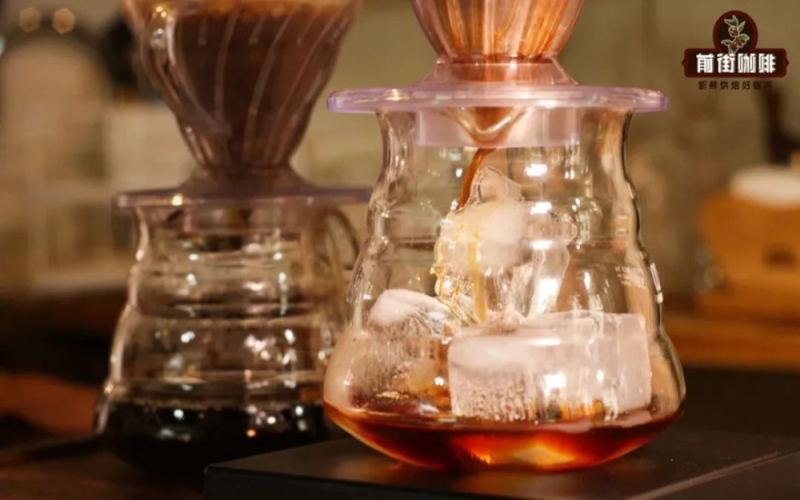
How to Make Delicious Iced Pour-Over Coffee: Four Practical Brewing Methods and Detailed Parameters
When the weather turns hot, iced coffee becomes the first choice for many people. Iced pour-over preserves the flavor layers of pour-over coffee while adding a refreshing chill, but making a good iced pour-over isn't as simple as adding ice cubes to hot pour-over. Melting ice dilutes the coffee's strength, and directly applying hot-brew parameters often results in a weak glass of iced coffee water. This article centers on the two cores of extraction yield and strength, and compiles four zero-threshold iced pour-over methods: the high-strength high-extraction method, the ice-rinsing method, the stirring method, and the ice-bath cooling method. Each method comes with specific parameters and operating steps using a medium-light roast Front Street Coffee Kafa Forest as an example, helping you easily make a full-flavored, sweet-and-sour balanced iced pour-over at home. [more…]