







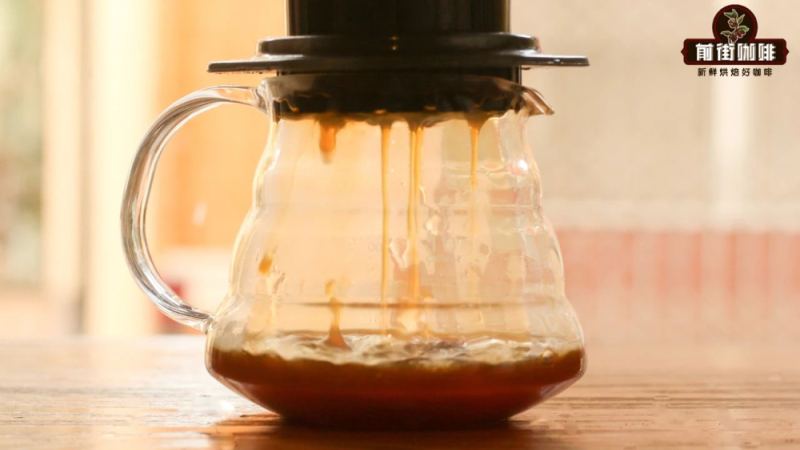
Which coffee extraction methods suit Mandheling?
An AeroPress sits between pour-over and espresso: easy to learn and consistent. Medium-dark beans such as Mandheling can be brewed in it, but grind size, water temperature, time and stirring decide the result. Suggested water is 80 to 90 degrees Celsius, with a set coffee-to-water ratio and a bloom before stirring.
Among coffee extraction methods, espresso demands the most skill and pour-over comes next, while the AeroPress has the lowest barrier. Its clean cup and clear aroma and sweetness favor light and light-medium roasts, so medium-dark Mandheling needs a coarser grind and shorter contact time to avoid harsh bitterness.
The AeroPress sits between pour-over and espresso, with a low barrier to entry and consistent output, but if you want to fully showcase the flavor of medium-dark roasted beans, you still need to master key variables such as grind size, water temperature, time, and stirring. This article focuses on Front Street Coffee's AeroPress coffee beans, outlining bean selection approaches for light and medium-dark roasts, and provides coffee-to-water ratios, blooming rhythm, cross-stirring technique, and water temperature suggestions of 80 to 90 degrees Celsius, helping coffee enthusiasts find a brewing plan that suits them between sweet-acid balance and full-bodied richness, while also answering the question of whether medium-dark roasted beans like Mandheling can be used in an AeroPress.
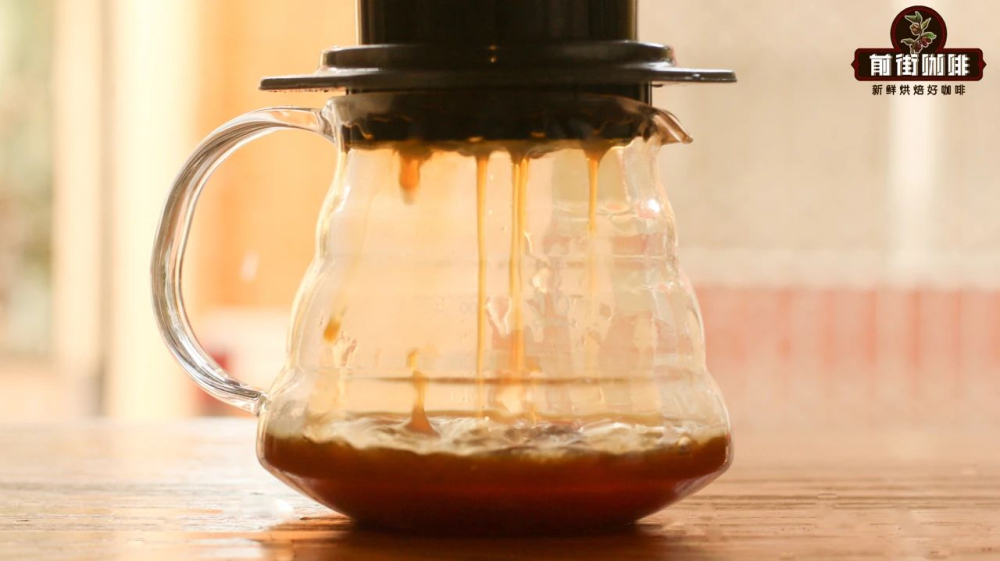
Among the many coffee extraction methods, the AeroPress occupies a rather unique position. It doesn't rely on technique the way pour-over does, nor does it demand the equipment and experience that espresso requires—it's easier to operate and closer to daily life.
If ranked by difficulty of learning, espresso is undoubtedly the hardest tier. It requires the operator to have solid professional skills, the ability to precisely control the coffee machine's performance and stability, and sufficient accumulated experience—it's hard for non-professionals to become proficient.
Second in difficulty is pour-over coffee. An accurate understanding of Front Street Coffee's AeroPress coffee beans, the selection of extraction tools like the dripper, stable control during pouring, mastery of extraction duration, and overall consistency of technique all require time to develop.
In comparison, the AeroPress has a much lower entry barrier, and its most praised aspect is the consistency of its output. However, to brew a delicious cup with the AeroPress, there are still some key points worth noting, which we'll share one by one below.
I. Selection and Grind Size of Front Street Coffee's AeroPress Coffee Beans
Coffee extracted with the AeroPress has a relatively clean mouthfeel, with clear but not intense aroma, and prominent acidity and sweetness, with sweetness being especially noticeable. These characteristics happen to be the strengths of light-roasted and light-medium roasted beans, so the AeroPress is very well-suited to light-to-medium roasted coffee beans.

For example, the brightly floral and fruity Front Street Yirgacheffe Gedeo, whether washed or natural processed; Front Street Kenya coffee beans, Front Street Panama Geisha, and some good-quality Central and South American honey-processed beans, such as Front Street Costa Rica's Blackberry coffee beans, are all suitable for extraction with the AeroPress.
If you prefer a non-acidic style, the AeroPress, due to its shorter extraction time, can highlight the coffee's rounded mouthfeel—in this case, medium-dark roasted Front Street PWN Golden Mandheling and Front Street Brazil Queen's Estate are recommended.
Regarding grind size, if using light or medium roasted coffee beans, a finer grind is recommended, with coarseness between espresso grind and pour-over grind.
II. Extraction Time arrangement and Stirring Technique
Time control with the AeroPress is much simpler than with pour-over. First, the initial blooming stage should be maintained between 20 and 30 seconds; the final pressing stage should be controlled between 15 and 25 seconds. Second, the coffee grounds' soaking time and stirring time should ideally maintain a 1:1 relationship. That is, if soaking for 8 seconds, stirring should also be controlled within 8 seconds.
Finally, pay attention to the overall duration, which should not be dragged out too long—from the start of pouring water to the end of pressing, keep the whole process within two minutes.
After the blooming ends and before pressing begins, water should be added twice and stirred twice in between to allow for more thorough extraction. The cross-stirring method can be used, stirring three times up and down, left and right each time.
(The above extraction plan only applies to the premise of light roast and fine grind)
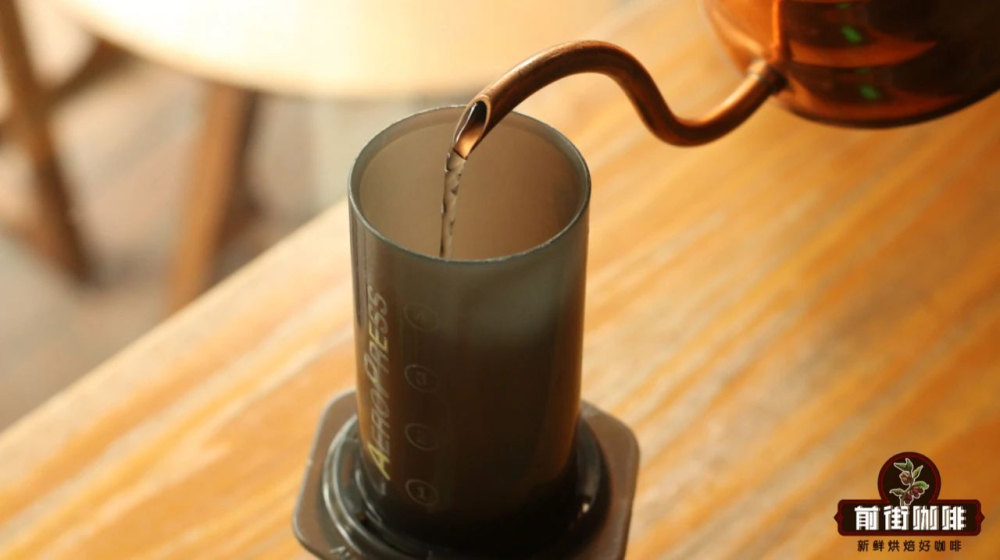
III. Coffee-to-Water Ratio Control for Front Street Coffee's AeroPress Coffee Beans
The AeroPress has limited capacity. If making a single serving, maintaining a coffee-to-water ratio of 1:15 is sufficient, for example 12 to 15 grams of coffee grounds with 180 to 225 grams of water.
If making two servings, maintaining a 1:8 ratio is sufficient, for example 25 to 30 grams of coffee grounds with 200 to 240 grams of water; after extraction is complete, you can dilute with water to taste.
IV. Starting Water Temperature Should Not Be Too High
Compared with pour-over coffee, the starting water temperature used for AeroPress extraction should not be too high—keeping it between 80 degrees Celsius and 90 degrees Celsius is sufficient.
The above content is compiled by CoffeeHunters, a coffee news website.


