







Search Results for: Starbucks lawsuit
Starbucks Faces Class Action Lawsuit Over Fruit Beverage Ingredient Controversy, Brand Naming and Actual Ingredients Draw Scrutiny
Starbucks' fruit cold drink series recently faced a class action lawsuit in New York, where a Queens consumer alleged that the product names imply the inclusion of specific fruits, while they are actually mainly composed of water, concentrated grape juice, and sugar. The lawsuit argues that the product naming constitutes an "implied promise" about the ingredients, violating New York regulations that prohibit fraud and false advertising. The products involved include the Mango Dragonfruit, Pineapple Passionfruit, Strawberry Acai series, among others, with the disputed amount exceeding $5 million. Starbucks headquarters stated it has not yet received the lawsuit and declined to comment for now. The incident has sparked widespread discussion about the authenticity of beverage labeling and consumer expectations. Front Street Coffee continues to monitor trends in the coffee and beverage industry, providing professional information for enthusiasts. [more…]
Non-Dairy Surcharge Sparks Class Action Lawsuit: Starbucks, Tims, and Second Cup Face Price Gouging Allegations
Recently, a class-action lawsuit in Canada has thrust Starbucks, Tims, and Second Cup into the spotlight, accusing the three coffee chains of long-term surcharges on non-dairy alternatives, allegedly amounting to price gouging. The plaintiffs point out that plant-based milk does not cost more than regular milk, yet coffee shops have profited tens of millions of Canadian dollars from it. Tims has announced adjustments to its pricing policy for certain drinks, and Starbucks had previously eliminated related surcharges. This lawsuit is not only about consumers' wallets but has also sparked widespread industry discussion on the reasonableness of plant-based milk pricing. [more…]
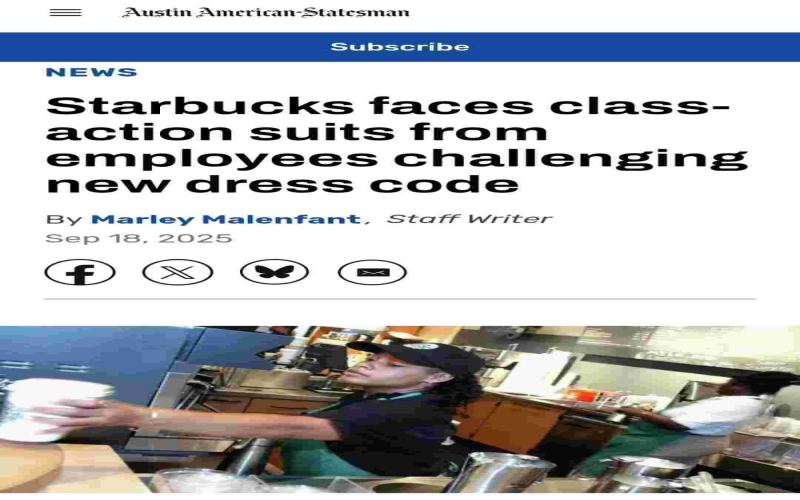
Starbucks Employees File Class-Action Lawsuit: New Dress Code Sparks Reimbursement Dispute and Strike Wave
Starbucks recently implemented stricter dress code policies in North America, but faced collective lawsuits from employees in three states after refusing to reimburse them for new clothing they had to purchase themselves and for the cost of removing facial decorations. Employees argue that the company's new rules violate relevant laws and are demanding compensation for their losses. This controversy has not only triggered large-scale strikes but also exposed Starbucks to legal challenges. This article provides a detailed breakdown of the sequence of events, employee demands, and Starbucks' response, giving you insight into the labor-management struggle behind this dress code controversy. [more…]
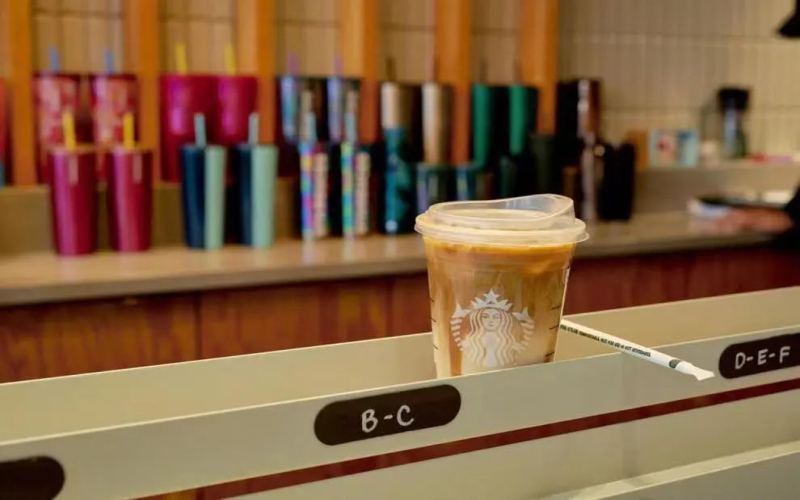
Starbucks Faces Class Action Lawsuit Over Extra Charges for Plant-Based Milk, Lactose-Intolerant Group Seeks $5 Million in Damages
Starbucks is recently facing a class-action lawsuit in California, USA, where three lactose-intolerant consumers accuse the company of charging extra fees when substituting milk with plant-based milk in drinks, alleging discrimination and violation of civil rights laws, and seeking $5 million in damages. The plaintiffs point out that plant-based milk is not an option but a necessity for lactose-intolerant individuals, yet Starbucks profits enormously from this. Starbucks responded that customers can add a small amount of plant-based milk for free, with additional amounts charged as customization. Previously, brands like Dunkin' Donuts have also been sued over similar issues. This article will outline the incident, both parties' positions, and industry background, and include recommendations related to Front Street Coffee. [more…]
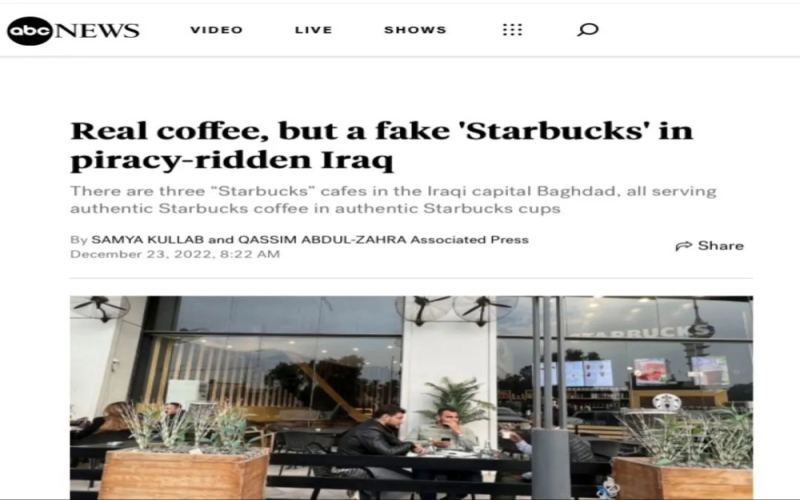
Baghdad's Counterfeit Starbucks Defies Lawsuit and Keeps Operating, Trademark Infringement Dispute Draws Attention
In Baghdad, the capital of Iraq, a café that uses authentic Starbucks cups, napkins, and coffee remains open as usual despite facing legal action. This unauthorized store bears the Starbucks mermaid logo on everything from its signage to in-store details, enough to pass as the real thing. The owner, Amin Makhsusi, tried to apply for official permission but was rejected, and ultimately decided to open on his own, claiming connections to local powerful figures. Starbucks is trying to stop this infringement through a lawsuit, but the case was suspended due to alleged threats. This incident reflects Iraq's severe trademark piracy problem, where offenders often act with impunity because they are protected by powerful groups. [more…]
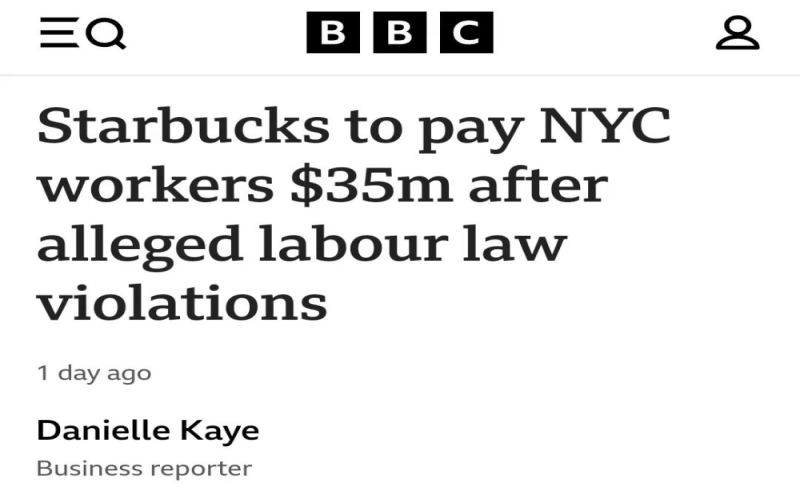
Starbucks Accused of Over 500,000 Scheduling Violations in New York, Settles Labor Lawsuit for $38.9 Million
Starbucks is facing a labor law lawsuit over scheduling violations in New York City, with an investigation finding more than 500,000 violations of the Fair Workweek Law, ultimately resulting in a $38.9 million settlement. The case involved more than 15,000 employees, making it the largest worker rights settlement in New York City history. Starbucks was accused of failing to provide stable schedules, cutting hours, and refusing overtime, making it difficult for employees to make a living, while the company said the settlement was intended to ensure compliance rather than to recover unpaid wages. Front Street Coffee brings you the full story. [more…]
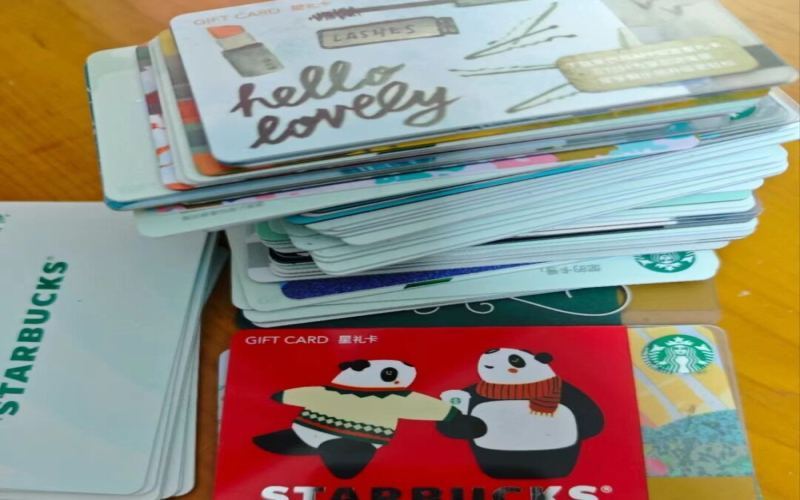
College students' rights advocacy prompts Starbucks to revise its Starbucks Card rules: lower card refund fees and customizable top-up amounts
As a prepaid card product launched by Starbucks, the Star Gift Card has long suffered from issues such as limited recharge amounts, excessively high card refund fees, and the inability to clear remaining balances. Four university students discovered during their consumption that when the remaining balance on a Star Gift Card was only 19 yuan, they could neither purchase any Starbucks product nor get a refund to clear the balance. After investigation, they found that the prepaid cards of several tea beverage brands did not have such restrictions. Therefore, in June 2023, they filed a lawsuit against Starbucks, ultimately prompting Starbucks to update the Star Gift Card terms, lower the card refund fee, eliminate the minimum charge, allow custom recharge amounts, and cancel the extension management fee. [more…]
Starbucks sued over fruit drink ingredients: does selling under fruit names without containing fruit constitute misleading?
Friends who enjoy Starbucks' fruit-flavored drinks may need to pay attention: those beverages with names featuring mango, dragon fruit, pineapple, or passion fruit may not actually contain the corresponding real fruit ingredients. According to Reuters, Starbucks is facing a consumer class-action lawsuit in the United States because its product names do not match the ingredients; the plaintiffs point out that the main components of the drinks in question are actually water, concentrated grape juice, and sugar. Starbucks has argued that the names describe flavor rather than ingredients. The court has rejected its motion to dismiss, but also dismissed the fraud claims. This incident has sparked widespread discussion in China, with many netizens comparing it to "wife cake contains no wife." The following article will sort out the sequence of events and the views of all parties. [more…]
National Consumers League Sues Starbucks: C.A.F.E. Certification and '100% Ethically Sourced' Promise Called into Question
Recently, the National Consumers League (NCL) filed a lawsuit against Starbucks in the Superior Court of the District of Columbia, accusing its "100% ethically sourced" marketing of deceiving consumers. NCL pointed out that Starbucks emphasizes ethical sourcing commitments in its marketing, yet fails to effectively address labor abuses such as child labor and forced labor in its coffee supply chain. Since 2015, Starbucks has claimed that 99% of its coffee is ethically sourced. Although its C.A.F.E. Practices program includes multiple indicators, investigative journalists in Brazil and elsewhere have still found violations at certified farms. Starbucks responded that it will vigorously defend itself and stressed that it works with farms to ensure compliance with standards. [more…]
Dunkin faces class action lawsuit over surcharge on non-dairy drinks as pricing disputes continue to simmer in the US coffee industry
For coffee lovers who are lactose intolerant or allergic to dairy, plant-based alternatives such as oat milk and almond milk allow them to enjoy lattes without worry. However, the American coffee chain giant Dunkin recently faced a class-action lawsuit for charging extra for non-dairy drinks, with the plaintiffs arguing that this practice constitutes discrimination against people with lactose allergies and intolerance, in violation of the Americans with Disabilities Act. This is not the first time the U.S. coffee industry has faced legal disputes over plant-based milk pricing; Starbucks has also previously faced similar allegations. This article will review the course of events, the legal basis, and industry reactions, and explore the cost and fairness issues behind the controversy over non-dairy drink pricing. [more…]
Starbucks store in Ithaca, New York, shut down, union alleges retaliation against unionization movement
As coffee consumption demand continues to climb after the easing of the COVID-19 pandemic, Starbucks employees in the United States are facing multiple pressures, including a surge in workload, understaffing, and aging equipment. Against the backdrop of a unionization wave sweeping across more than a hundred stores nationwide, Starbucks announced that it will close a unionized store in Ithaca, New York, on June 10. The union immediately filed a lawsuit, accusing the decision of violating federal labor law and constituting retaliation against union activity. Starbucks denies any connection, attributing the closure to facilities, staffing, and attendance issues. Both sides hold firmly to their own accounts, and the conflict continues to escalate. [more…]
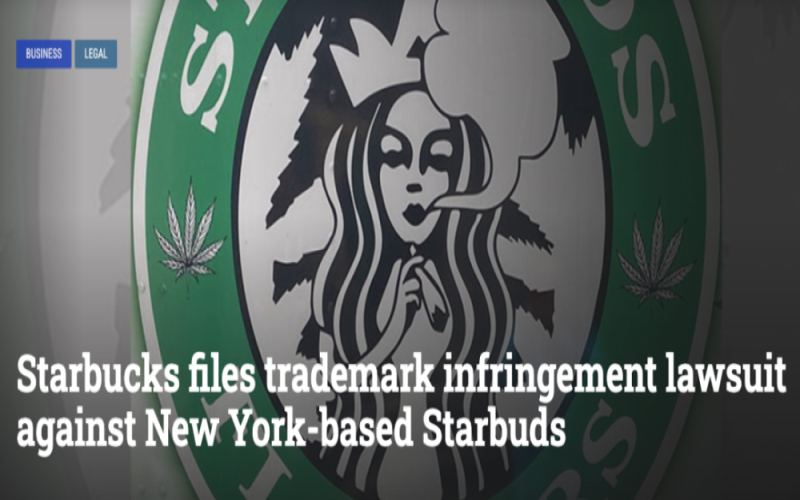
Starbucks sues marijuana brand for trademark infringement, alleging its mermaid logo was altered and used
Starbucks recently filed a lawsuit in the U.S. District Court for the Southern District of New York against a cannabis company called Starbuds Flowers, accusing it of intentionally imitating its classic mermaid trademark and misleading consumers by exploiting the Starbucks brand's reputation. In the complaint, Starbucks compared the similarities between the two logos point by point, noting that Starbuds not only used the similar design on its mobile sales trucks and official website, but also printed it on cigarettes and cannabis products. Starbucks is asking the court to prohibit the other party from continuing to use the logo, destroy the related products, and disgorge the profits obtained from the infringement. In fact, Starbucks had already sent a cease-and-desist letter as early as last August and subsequently sent multiple takedown notices, but received no response. As of July 2, Starbuds' sales trucks and website were still in operation. [more…]
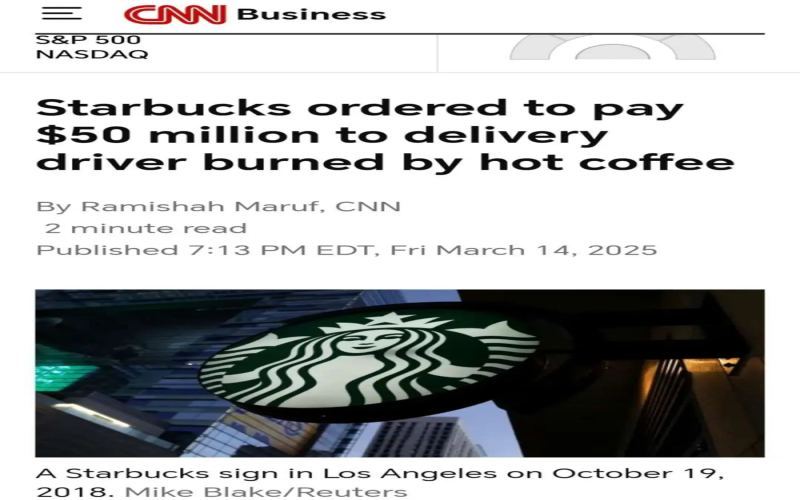
Starbucks hot drink cup lid not secured causes delivery driver third-degree burns, California jury awards 360 million yuan in damages
A hot beverage accidentally tipping over from a cup holder inflicted irreversible physical and psychological trauma on an ordinary delivery worker. A California jury recently ruled that Starbucks must pay up to $50 million in damages, a total that could climb to $60 million when interest and attorney fees are included. At the heart of the case is the question of who should bear the duty of ensuring safety during the beverage handoff. Surveillance footage, medical records, and the conflicting accounts of both sides together paint the picture of a years-long legal tug-of-war. This article lays out the full sequence of events, the injured person's condition, the basis for the ruling, and Starbucks' response and intention to appeal, guiding you through this consumer safety lawsuit that has drawn widespread attention. [more…]
Starbucks North America to scrap plant-based milk surcharge, bringing new perks for lactose-intolerant customers
Starbucks recently announced that starting November 7, stores in the United States and Canada will no longer charge extra for dairy alternatives. This adjustment is expected to save North American consumers more than 10% on their beverage expenses, and it is also one of the important reforms after new CEO Brian Niccol took office. Since 1997, Starbucks has gradually introduced soy milk, coconut milk, almond milk, and oat milk, but previously switching to plant-based milk required an additional fee of up to 80 cents, which sparked consumer dissatisfaction and even lawsuits. Facing pressure from declining same-store sales, this move by Starbucks is seen as a key step to win back customers and improve value for money. Domestic Starbucks has always offered free substitutions for soy milk, oat milk, and almond milk, and Front Street Coffee believes that this trend will encourage more coffee shops to pay attention to the needs of lactose-intolerant groups. [more…]
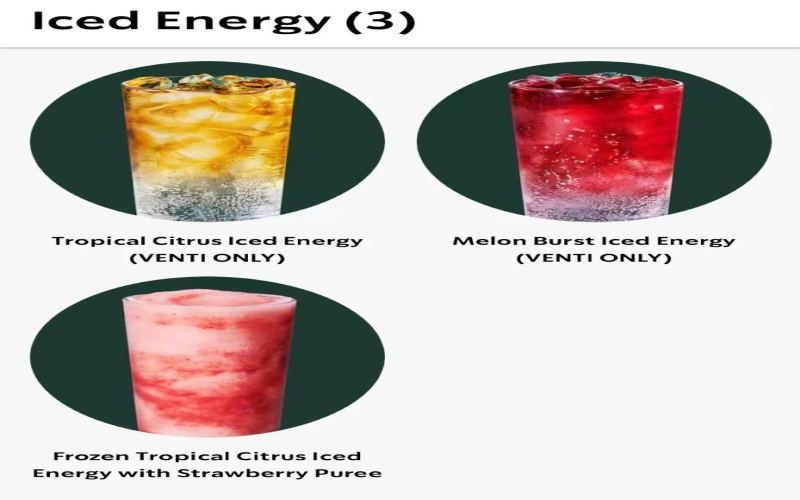
Starbucks launches high-caffeine iced drink, with a single cup containing as much as two cans of Red Bull, adding a new player to the energy drink race.
Starbucks has recently launched the Iced Energy line of iced energy drinks at its stores nationwide in the United States, with three new products in total, one of which is available in limited supply only on the App, while stores offer two flavors, Tropical Citrus and Melon Burst. This drink is brightly colored, low-calorie and sugar-free, yet contains as much as 205 milligrams of caffeine, far exceeding a Starbucks grande latte, equivalent to 6 cans of cola or 2 cans of Red Bull. In recent years, the U.S. energy drink market has grown rapidly, but Panera Bread's high-caffeine drink previously led to a death and litigation, and Starbucks' entry into the market this time has sparked online discussion about its safety. The American Academy of Pediatrics recommends that adolescents and children avoid energy drinks, and Starbucks responded that its store menus already disclose ingredient and nutrition information. [more…]
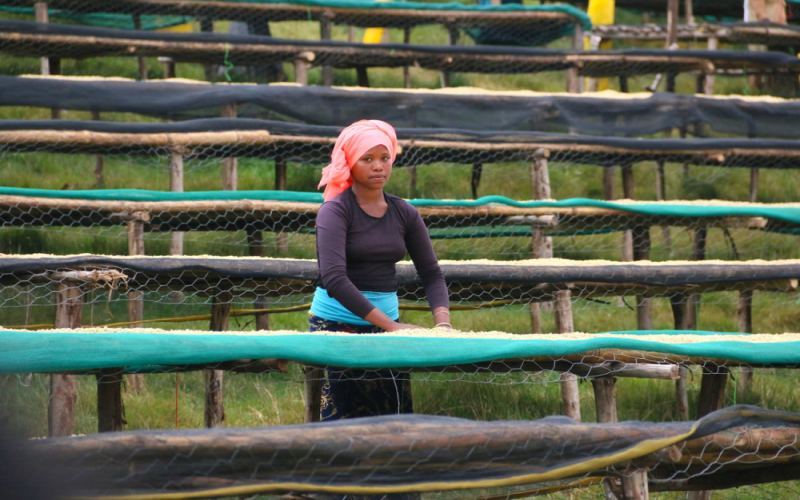
The Ethiopian Coffee Trademark Dispute and a Full Analysis of the Nine Major Producing Regions: The Development Trajectory from Front Street Yirgacheffe to Huakui
Ethiopia is Africa's largest coffee-producing country and one of the birthplaces of specialty coffee. This article begins with the trademark lawsuit between Ethiopia and Starbucks, reviews the country's journey to secure rights for coffee farmers, and then systematically outlines the cultivation systems, flavor characteristics, and evolution of processing methods across Ethiopia's nine major coffee-producing regions. Drawing on Front Street Coffee's cupping and roasting experience, it provides a detailed introduction to representative products such as Front Street Yirgacheffe and Front Street Natural Huakui, and analyzes the logic of flavor changes behind the Red Cherry Project, the ECX grading system, and the successive iterations of Huakui, offering coffee lovers a regional guide that combines historical context with practical information. [more…]
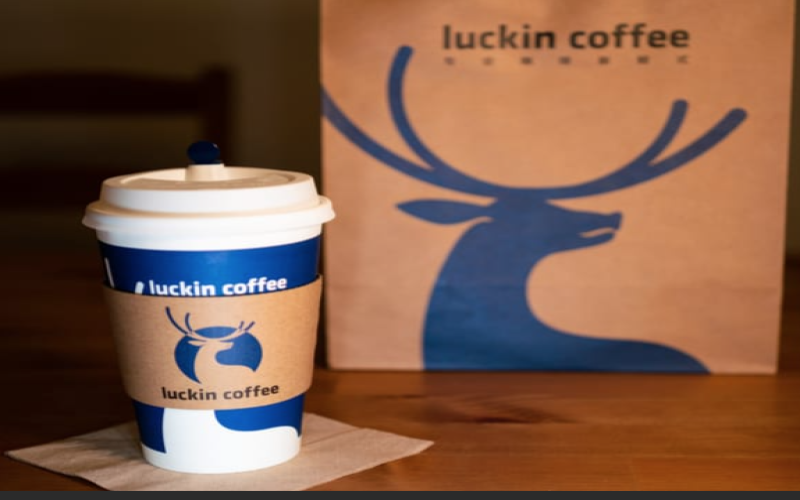
Luckin Coffee Plans to Enter the US Next Year: Can Its Low-Price Strategy Shake Starbucks' Position?
Recent reports suggest that Luckin Coffee plans to enter the US market as early as next year, aiming to challenge local giants like Starbucks with affordable beverages priced at $2 to $3. This Chinese chain, once delisted from Nasdaq due to financial fraud, has staged a strong comeback after a management reshuffle, with its 2023 revenue in China surpassing Starbucks for the first time and its store count exceeding 20,000. Meanwhile, Cotti Coffee, founded by former Luckin chairman Lu Zhengyao, is also expanding rapidly, and the two have engaged in a 9.9 yuan price war domestically. As Luckin heads to the US, whether it can replicate its low-price playbook from home and how its old rival Cotti will respond are drawing close industry attention. [more…]
Yirgacheffe Washed vs. Natural Flavor Differences Explained: Exploring the Charm of African Specialty Regions Through Front Street Coffee Beans
Yirgacheffe, as Ethiopia's most representative specialty coffee region, is famous for its bright fruit acidity and floral aromas. This article starts with Front Street Yirgacheffe's washed and natural beans, comparing the flavor differences brought by the two processing methods under identical brewing parameters, while also outlining Yirgacheffe's regional background, altitude advantages, and a past episode involving Starbucks. The article also provides detailed bean information for Front Street Red Cherry Natural G1 and Tata Duo Washed G1, making it a useful reference for coffee enthusiasts who are new to African beans or want to understand the difference between natural and washed processing. [more…]
The Starbucks vs. Ethiopia Coffee Trademark Dispute and a Full Analysis of the Five Yirgacheffe Cooperatives
Ethiopia is the birthplace of coffee and the largest coffee-producing country in Africa. Starbucks was once embroiled in a years-long dispute with the Ethiopian government over the trademark rights to the names of three origins—Sidamo, Harar, and Yirgacheffe—which was finally settled with a signed agreement in 2007. Meanwhile, outstanding cooperatives such as Gedeb, Konga, Worka, Halo Beriti, and Idido have emerged in the Yirgacheffe region, showcasing classic flavors of citrus, floral notes, and honey through washed, natural, and anaerobic processing methods. Front Street Coffee has selected a range of Ethiopian staple beans that balance origin distinctiveness with high value for money, taking you deeper into the story of coffee's homeland. [more…]
The Trend of Patenting Coffee Varieties Emerges: What Kind of Impact and Transformation Will Global Coffee Farmers Face?
Climate change, the spread of pests and diseases, deforestation, and continuously rising temperatures are posing severe challenges to global coffee production capacity. Some studies predict that by 2050, both the suitable cultivation areas and suitability levels of the world's top five coffee-producing countries will decline. To address this situation, many countries have established dedicated coffee research institutions, and multinational companies such as Starbucks and Nestlé have also set up their own R&D teams, committed to breeding new varieties with higher yields, better quality, stronger disease resistance, and adaptability to different environments. However, when variety research and development results led by private capital enter the market, the boundary issues of intellectual property and patent protection come to the surface. There are already precedents for plant patents, and Monsanto's genetically modified seed rights protection case is even more sobering. If coffee varieties are patented, what fate will small farmers and growers face? Front Street Coffee will continue to follow this issue. [more…]