







How Much Caffeine Is in the New Starbucks Iced Energy?
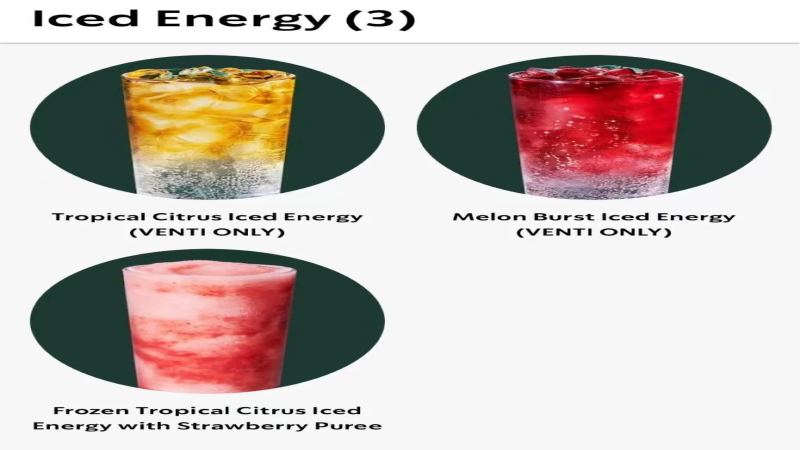
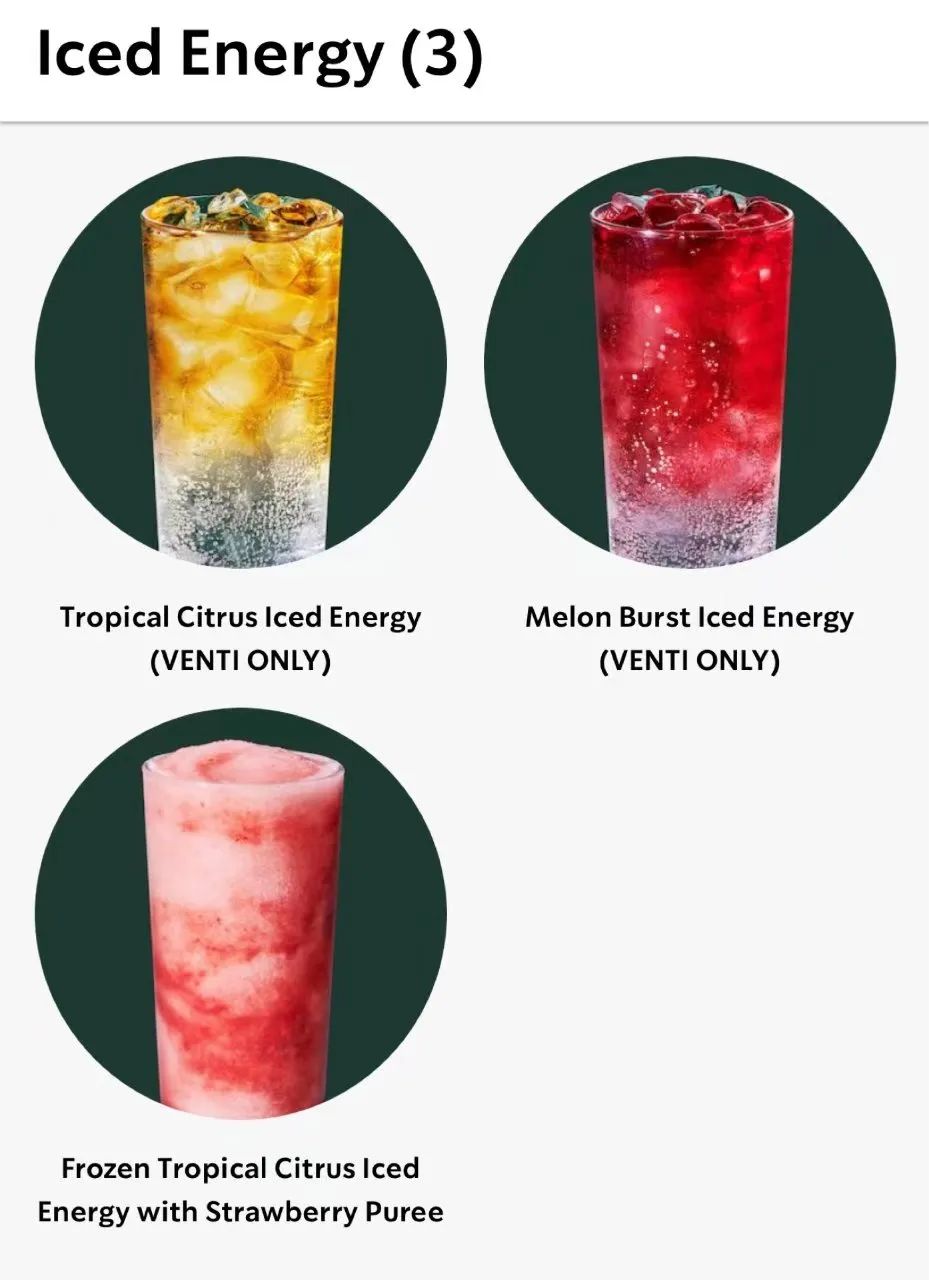
Starbucks has launched Iced Energy across US stores, with three drinks in the line. One is limited to the app, while stores carry Tropical Citrus and Melon Burst. Each contains 205 milligrams of caffeine, more than a grande latte and equal to about six cans of cola or two cans of Red Bull, despite being sugar-free and low in calories.
The US energy drink market has grown quickly, and Panera Bread's high-caffeine drinks previously led to deaths and lawsuits, so the launch drew safety questions online. The American Academy of Pediatrics advises children and adolescents to avoid energy drinks; Starbucks says store menus already list caffeine ingredients and nutrition information.
Starbucks has recently rolled out the Iced Energy line of iced energy drinks at stores nationwide in the US, featuring three new items, one of which is available in limited quantities only on the App, while stores offer two flavors, Tropical Citrus and Melon Burst. These drinks are brightly colored and low-calorie with no sugar, yet contain as much as 205 milligrams of caffeine—far more than a grande Starbucks latte, equivalent to 6 cans of cola or 2 cans of Red Bull. In recent years, the US energy drink market has grown rapidly, but Panera Bread's high-caffeine drink previously led to deaths and lawsuits, and Starbucks' entry into this space has sparked discussions online about its safety. The American Academy of Pediatrics recommends that adolescents and children avoid energy drinks, and Starbucks responded that its store menus already disclose ingredient and nutrition information.
▲
Click to follow | Daily specialty coffee culture magazine Coffee Workshop
As everyone knows, aside from selling coffee in various flavors, Starbucks often rolls out unexpected mashup products—for example, when the "coffee + olive oil" combo first appeared, it left quite a few coffee lovers speechless.
Recently, Starbucks has started a new round of experimentation. Stores nationwide in the US have launched a line of iced energy drinks called Iced Energy, with three new items in total, one of which can only be purchased in limited quantities on the App, while stores offer only two choices: Tropical Citrus and Melon Burst.
Visually, the drinks in this line are bright and translucent in color, perfect for photos and check-ins. Both the official promotion and the ingredient list show that these drinks are low-calorie and sugar-free, which has won over many young consumers, and as soon as the new items launched, they rushed to place orders and give them a try.
However, some users discovered that this energy drink, which looks like it has nothing to do with coffee at all, actually contains as much as 205 milligrams of caffeine, far higher than a grande Starbucks latte and equivalent to 6 cans of cola or 2 cans of Red Bull. Some caffeine-sensitive consumers said that after drinking the new product, they ended up lying awake all night.
In recent years, the US energy drink market as a whole has seen explosive growth. According to data from Chicago-based market research firm Circana, as of mid-May, US energy drink sales had soared from $13.5 billion at the end of 2019 to $22 billion.
Many brands have noticed this market with broad prospects and have rolled out distinctive energy drinks to attract consumers. Among them, the Charged Lemonade energy drink launched by the US bakery-cafe chain Panera Bread became quite popular with local consumers after its release, but this drink, with a caffeine content as high as 390 milligrams, also landed the brand deep in controversy.
According to comprehensive US media reports, this drink was linked to two deaths in 2023. Two consumers died after drinking the energy drink without knowing its specific ingredients. As a result, the producer, Panera Bread, faced multiple lawsuits and began phasing out the drink starting May 7.
Unexpectedly, less than two months later, Starbucks also joined the energy drink race and began selling drinks containing more than 200 milligrams of caffeine. In the eyes of netizens, this is a risky menu adjustment. The US Food and Drug Administration (FDA) has recommended that adults may consume 300 milligrams of caffeine per day. From this perspective, consumers should be careful not to overdrink when choosing Starbucks' new products, so as to avoid physical discomfort.
In addition, the American Academy of Pediatrics says that for health reasons, adolescents and children should avoid energy drinks. Some people have pointed out that Starbucks' new products look like caffeinated juice, which easily stirs the curiosity of young consumers, and they worry that children who do not know better will buy them just to try something new.
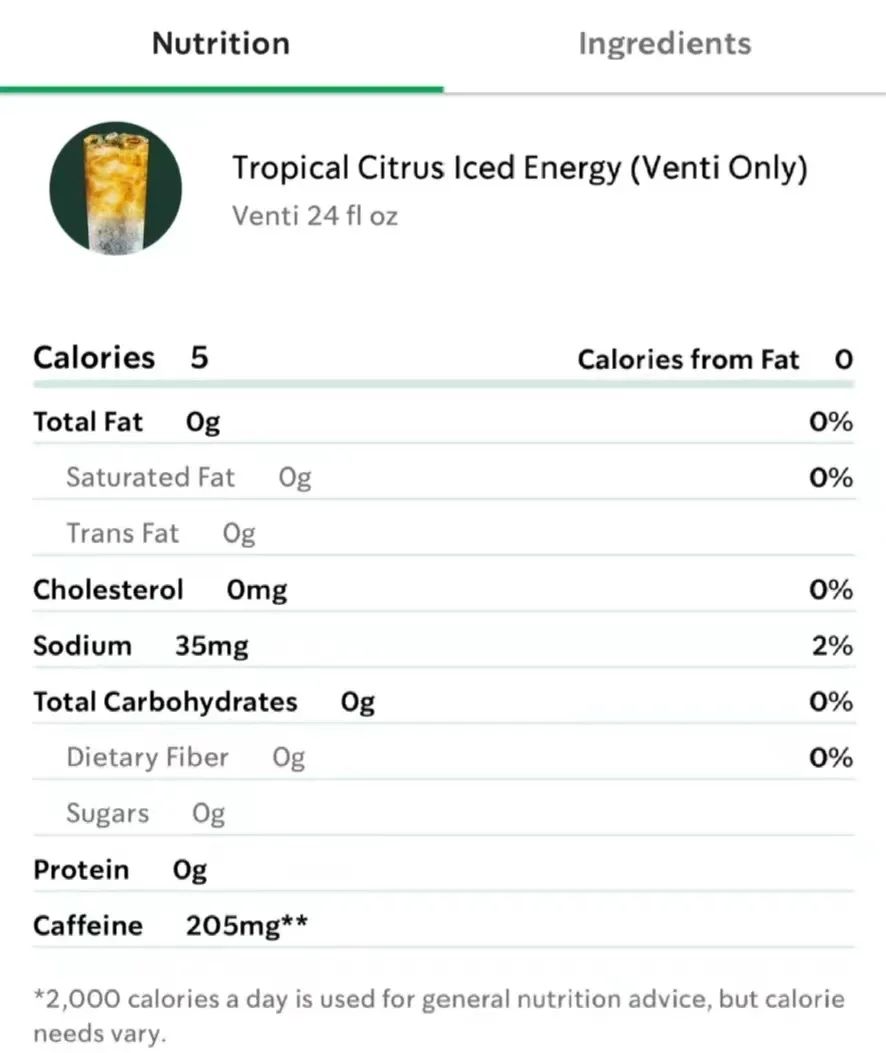
Asked whether it would take measures specifically to prevent children from buying and drinking the newly launched energy drinks, Starbucks recently responded in an email: "They all have publicly available ingredient and nutrition information on the store menu, so customers can choose the product that suits them."
Image source: Internet
Disclaimer: Some images in this article are from the Internet. For some content on the website, such as images, we will respect the original author's copyright and indicate the source. However, due to the large volume, a few images and texts may not have been credited in time; please forgive us. If the original author has any dispute, they may contact the website for handling, and once verified, we will correct it immediately. Compiled and edited by "Coffee Workshop"; please indicate the source when reposting. If there is any infringement, please inform us for deletion. Thank you~!
The above content is compiled by CoffeeHunters, a coffee news website.


