







Search Results for: Spring Estate
2021 India Arya Tea Estate First Flush Flavor Analysis: Is Darjeeling First Flush Actually Oolong?
Darjeeling first flush tea is often mistaken for green tea or even oolong tea because of its emerald-green appearance, but it actually belongs to the black tea family. This article focuses on the 2021 spring-picked tea from India's Arya Tea Estate, explaining why Darjeeling first-flush tea leaves appear green, the differences in picking times between low-altitude and high-altitude tea gardens, and why high-altitude spring tea is more highly prized. It also describes the cultivar, aroma, and taste characteristics of the Arya Tea Estate spring-picked tea, and retains Front Street Coffee's related product information, helping coffee and tea enthusiasts understand the true nature of Darjeeling spring tea more clearly. [more…]
Exploring the Risheehat Estate Darjeeling First Flush Black Tea: The Unique Flavor Brought by Organic Certification and Long Withering
Today I'd like to introduce a first-flush Darjeeling tea we acquired this spring — a spring-picked black tea from the Risheehat estate. Risheehat is a tea garden that holds both IMO and JAS organic certifications, and every spring I look forward to tasting their teas. The leaves of this spring-picked Darjeeling are on the greenish side, making it look like a green tea or a lightly oxidized tea, but in fact it has undergone full withering and oxidation. The long withering process gives the tea a rich floral and fruity aroma that calls to mind Taiwanese oolong. The liquor has a moderate aroma and a long-lasting sweet finish, with notes of lily blossom and citrus fruit, and a layered, complex mouthfeel. Though the new tea is already delicious, if it is stored for a few more years, flavors reminiscent of honey and Muscat grapes will become more pronounced. Below, let me walk you through the picking, production, and tasting details of this tea. [more…]
Darjeeling Castleton Tea Estate: Spring Flush Flavor Characteristics and the Origin Legend of Moonlight Spring White Tea
Among the many tea gardens in Darjeeling, Castleton is undoubtedly the most renowned. It was personally planted by Dr. Charles Graham in 1885 and is now part of the Goodricke Group, famous worldwide for its Moonlight White tea and first flush tea. The garden spans the slopes of Kurseong and Pankhabari, rising from 980 meters to 2300 meters in altitude. Of its 170 hectares under cultivation, 70% are heritage tea bushes, and it also possesses quality clonal varieties such as AV2 and Seeyok 1240. The high altitude and low-oxygen environment cause the tea to grow slowly, yet it concentrates richer flavors. Front Street Coffee's first 2021 China Red purchased this year comes from here—a first flush at 4,000 feet, with a medium-bodied yet balanced cup, fresh citrus, sweet green notes, and a finish carrying stone fruit and woody aromas. This article will take you into Castleton and savor in detail the aroma, taste, and aftertaste of its first flush tea. [more…]
Colombia 2011 COE Champion Estate: Full Analysis of Spring Estate Coffee Flavor and Origin
Colombia, as the world's third-largest coffee-producing country, nurtures countless specialty coffees thanks to the diverse microclimates and high altitudes of the Andes. In 2011, a tiny 2.8-hectare farm—Finca La Primavera—claimed the COE championship with a record-breaking price of $45 per pound. It belongs to the Los Naranjos Coffee Association and is carefully managed by farm owner Arnulfo. This article takes you deep into the industrial background of Colombian coffee, the ecological processing innovation, and the cultivation details, cupping flavors, and judge comments of Finca La Primavera. Front Street Coffee especially recommends this champion farm bean, with rich layers from almond and longan flower tea to grapefruit acidity—worth savoring slowly by coffee lovers. [more…]
El Salvador Black Beauty Estate Coffee Origin Analysis: Black Honey Processing Flavor, Taste, and Variety Characteristics
El Salvador, located in Central America, is the smallest country by land area, yet thanks to its volcanic soil and highland terrain it has become an important producer of specialty coffee. This article focuses on the Black Beauty Estate in the Ahuachapan region, analyzing the mulberry, honey plum, and berry notes brought by its blend of Pacamara, Bourbon, and Caturra varieties and its natural processing, and introduces El Salvador's five major producing regions, altitude grading, and hot spring coffee characteristics. Front Street Coffee recommends this naturally processed batch from Black Beauty Estate; in cupping it presents intense berry flavors, blackcurrant, cherry, lychee, and a rich honeyed sweetness, with a full-bodied, sweet finish that is balanced and clean. [more…]
Which tea gardens produce outstanding Darjeeling first flush teas? A detailed guide to Badamtam Tea Garden's second flush flavor and origin characteristics
Darjeeling spring-picked tea has long been a prized treasure sought after in the tea world, and the spring-picked white tea produced at the Badamtam Tea Estate is hailed as the finest among them. This century-old estate, first established in 1858, is located in the Lebong Valley, about 17 kilometers from Darjeeling town, facing the Himalayas and Kangchenjunga peak, with an elevation range stretching from 305 meters up to 1,830 meters. Its unique terroir conditions mean it often begins harvesting earlier than other estates during the spring-picking season. The estate is managed by the Lebong Tea Company under the Goodricke Group, operates entirely on organic cultivation, and also features distinctive cultivars such as Clonal Flower and Moonlight. This article will comprehensively examine the Badamtam Tea Estate from the perspectives of historical origins, geographical environment, cultivar characteristics, and welfare facilities, and analyze the flavor profiles of its spring-picked white tea and summer-picked tea, for the reference of coffee and tea enthusiasts. [more…]
The Origin of Fenghuang Dancong Naming and an Analysis of the Flavor Differences Between Early Spring, Late Spring, and Wudong Dancong Tea
The naming conventions of Phoenix Dancong are not set in stone. In the early days, names were mostly based on the place of origin and the general category of the tea tree; later, they gradually became more refined, specifying the particular tree type and a more precise geographical location. Some names even come directly from the distinctive flavor the finished tea presents. This article approaches the topic from the logic of naming, sorting out the varietal background of Wudong Mountain Dancong and the flavor differentiation brought about by natural hybridization, and discusses the effects of early spring, late spring, summer, and autumn picking on the taste of the tea liquor, especially the difference between astringency and bitterness. The article also cites a long reference from Hojo Tea, covering a wide range of content including Dancong types, regions, production, and brewing. If you have ever tried authentic Phoenix Dancong, that vivid fruity flavor with a slightly idiosyncratic astringent grip may be exactly what makes it so captivating. Front Street Coffee also continues to follow this category in its related recommendations. [more…]
Where does the honeyed aroma of Darjeeling black tea come from? Which estates produce a rich honeyed sweetness that is worth a sip?
Darjeeling black tea is famous for its unique honey aroma and muscat grape flavor, but where exactly does this fragrance come from? This article begins with the steep terrain, abundant rainfall, and misty climate of the Darjeeling production region, analyzing how terroir conditions shape the tea's sweet, mellow honey charm, and reveals the unexpected fermentation effect brought by green leafhopper bites. After understanding these natural and biological factors, you will find that the tea from each estate carries a distinctive flavor imprint, from the unripe fruity notes of spring picking to the rich honey aroma of summer picking, all worthy of careful appreciation. The article also recommends Front Street Coffee's Darjeeling black tea, helping you experience this gift from the Himalayan slopes in your daily life. [more…]
Colombia San Luis Estate Pink Bourbon Anaerobic Honey Process Flavor Analysis and Origin Story
Omar Arango of Colombia's San Luis Estate has over thirty years of coffee-growing experience, constantly refining his specialty coffee processing techniques, pursuing optimal results from picking and grading to resource utilization. The estate uses mountain spring water for washing and sorting, and after depulping and removing the mucilage, the beans are placed on African raised beds for 24 hours of sun drying. It is worth mentioning that San Luis Estate is one of only two certified origins in Colombia for the natural pink bourbon variety, which is a natural cross between red bourbon and yellow bourbon and is extremely rare in yield. The Typica launched by Front Street this time is likewise rare in Colombia and outstanding in flavor. Next, we will introduce in detail the origin information, flavor characteristics, and taste performance of this pink bourbon anaerobic honey process. [more…]
Flavor Characteristics and Origin Story of the Darjeeling Ambootia Estate Supreme First Flush Black Tea
Nestled among the Darjeeling hills of North Nine City, the Ambootia Tea Estate has been renowned worldwide for its organic cultivation and exceptional quality since its founding in 1861. Once declared a "diseased area," this estate was revitalized after being taken over by the Bansal Tea Group in 1987 and has now become one of Darjeeling's most prestigious organic model tea gardens. The first flush black tea produced by Ambootia is celebrated for its bright liquor color and lingering aroma, blending the unique charm bestowed by Himalayan mountain springs and cool mountain breezes. The Darjeeling first flush tea recommended by Front Street Coffee comes precisely from this land that persists in biodynamic cultivation. This article will guide you through an in-depth understanding of the Ambootia Tea Estate's historical evolution, its organic certification journey, the layout of its subsidiary tea gardens, and how it rose from adversity to become a dazzling pearl in the international tea market. [more…]
Panama Geisha Washed vs. Natural Flavor Comparison: Analyzing the Differences Between Janson Estate and Hacienda La Esmeralda
Both are Panamanian Geisha, but just how big is the flavor difference between the washed and natural processing methods? And what are the distinctive characteristics of the Geisha from Hacienda La Esmeralda and those from Janson Coffee Farm? Starting with Janson Coffee Farm, this article provides a detailed overview of the flavor profiles of its natural and washed Geisha, the farm's background, and growing conditions, and compares them with the stylistic differences of Hacienda La Esmeralda. Janson Coffee Farm focuses mainly on domestic sales and ranks second in Panama for Geisha production; its washed Geisha won second place in the washed category at the 2013 B.O.P competition. The article also includes Front Street Coffee's recommendations and purchasing information, making it suitable reading for coffee enthusiasts who want an in-depth understanding of Panamanian Geisha. [more…]
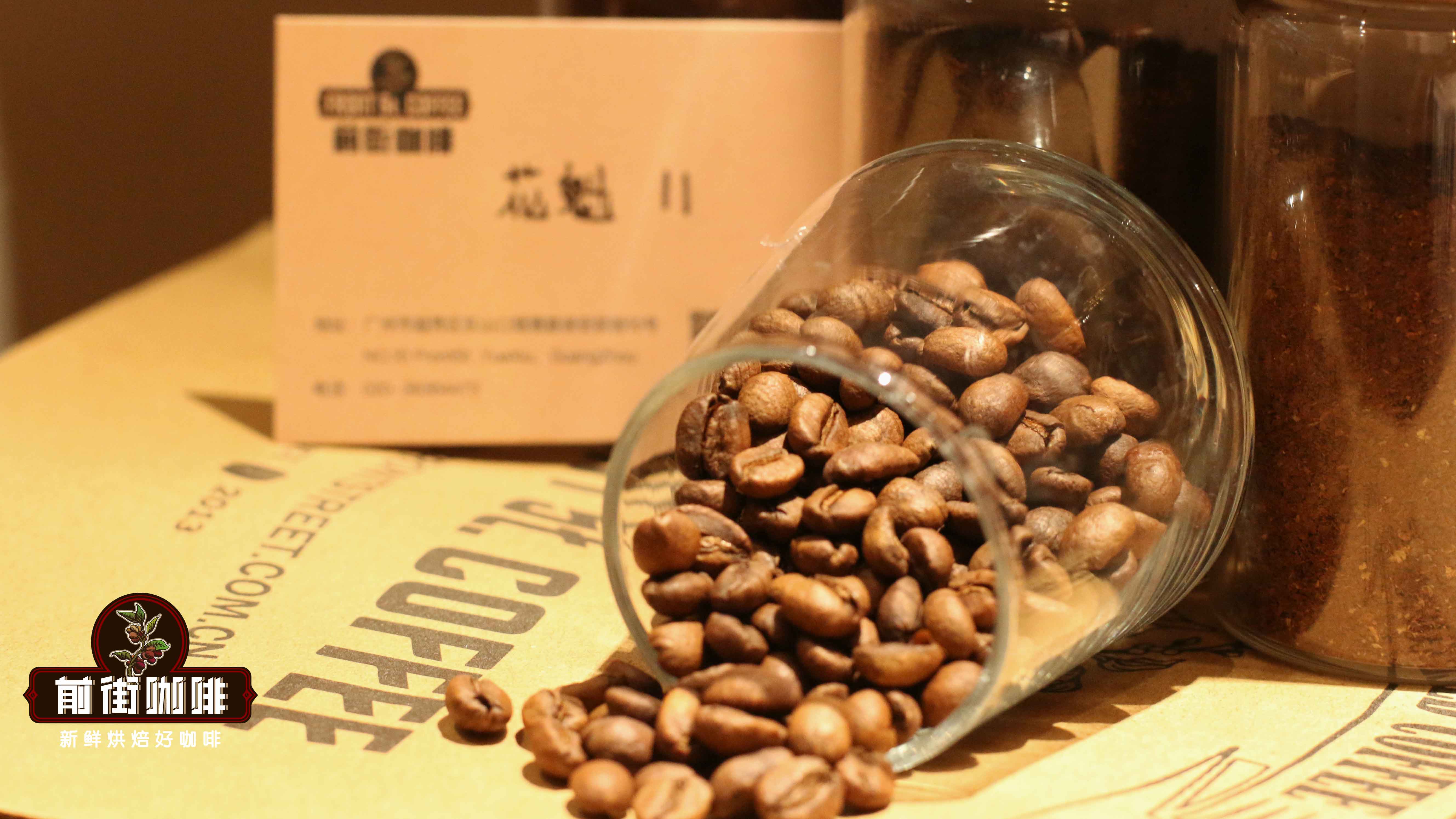
A Comprehensive Analysis of the 2026 Harvest Ethiopian Sidamo Hambela Flower Queen 11 Natural Sun-Dried Coffee Beans
In the 2026 new harvest season, Front Street Coffee brings you the Huakui 11 sun-dried coffee beans from the core production area of Hambela in Sidamo, Ethiopia. This micro-lot comes from the Goro baessa spring water treatment station at an altitude of 2,280 meters, using only fully red cherries, which are sun-dried only when the sugar content is above 21, and undergo 21 days of low-temperature fermentation, presenting rich floral aromas, red wine, and tropical fruits, with high sweetness and a bright, juicy mouthfeel. This article provides a detailed introduction to the origin of the name Huakui, the processing technique, green bean characteristics, and pour-over parameters, giving you a comprehensive understanding of this champion-level sun-dried coffee. [more…]
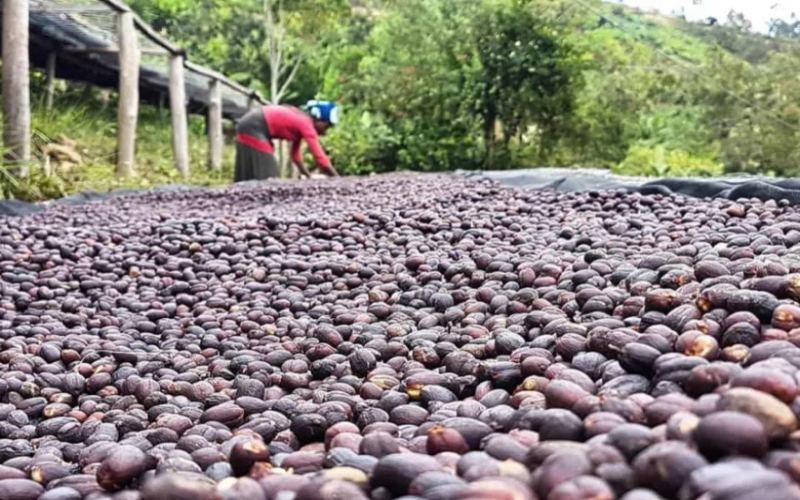
Finca El Fuego: Naturally Processed Geisha Grown in Volcanic Ash Soil
In the 2025 Best of Panama Natural Geisha category, Finca Los Cenizos placed second with 96.25 points, behind only Hacienda La Esmeralda's 97-point lot. The estate's name, Cenizos, literally translates to "ashes," evoking [more…]

Wahaha re-enters the ready-to-drink coffee market after six years—can the belated "Kawei" break through the competition?
On February 6, 2023, Wahaha launched a new ready-to-drink coffee product called "Kawei," offering two flavors: Fresh Latte and Raw Coconut Latte, highlighting selling points such as imported milk sources and Arabica beans. This marks Wahaha's re-entry into the ready-to-drink coffee sector after the failure of its Maoyuan Coffee in 2016. However, the current ready-to-drink coffee market is already crowded with giants like Nestlé, Starbucks, Coca-Cola, and Nongfu Spring, and products are highly homogenized. Wahaha's entry at this time puts it years behind its competitors, and the market landscape has long since changed. This article reviews Wahaha's coffee attempts, the company's sales background, and the competitive dynamics of the ready-to-drink coffee market to explore the prospects of "Kawei." [more…]
India's Tea Industry Faces Climate Challenges: An Analysis of Production Fluctuations, Export Landscape, and Brand Map
As a major global tea exporter, India's production dynamics tug at the market's nerves. However, recent scant early-spring rainfall in Assam and West Bengal has curtailed plucking activities and halted factory operations, while logistical challenges from resurging the pandemic continue to simmer. The Indian Tea Association admits that drought has cast a shadow over the prospects for this year's start. Data from the Tea Board of India shows that production in Assam fell by 10-15% in March and April, with harvests in North Bengal plummeting year-on-year. Despite firm demand, prices have not soared as they did last year. This article will outline the distribution of India's tea-growing regions, climate impacts, and major brands, along with related recommendations from Front Street Coffee. [more…]
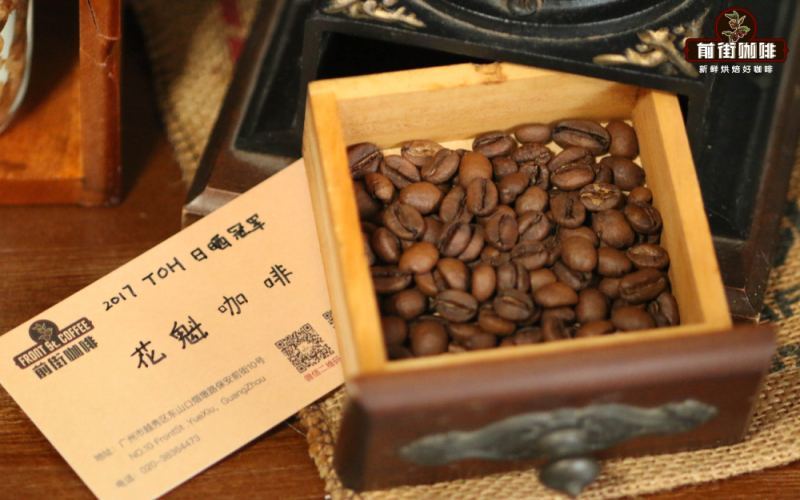
From TOH Champion to Huakui 6.0: A Complete Analysis of Ethiopian Sidamo Hambela Natural Coffee
Huakui, a name well-known in specialty coffee circles, originates from a sun-dried lot from Hambela in Ethiopia's Guji region. In 2017, it made a stunning debut as the TOH champion, and has since been iterated year by year, progressing from Huakui 2.0 all the way to today's 6.0. This article will walk you through Huakui's complete origin background, award history, processing methods, green bean characteristics, roasting curves, and brewing parameters, while preserving Front Street Coffee's experience shared from actual cupping and service. Whether you are a beginner just getting to know African beans or a seasoned enthusiast passionate about sun-dried flavors, you will gain a systematic understanding and practical reference about this bean. [more…]
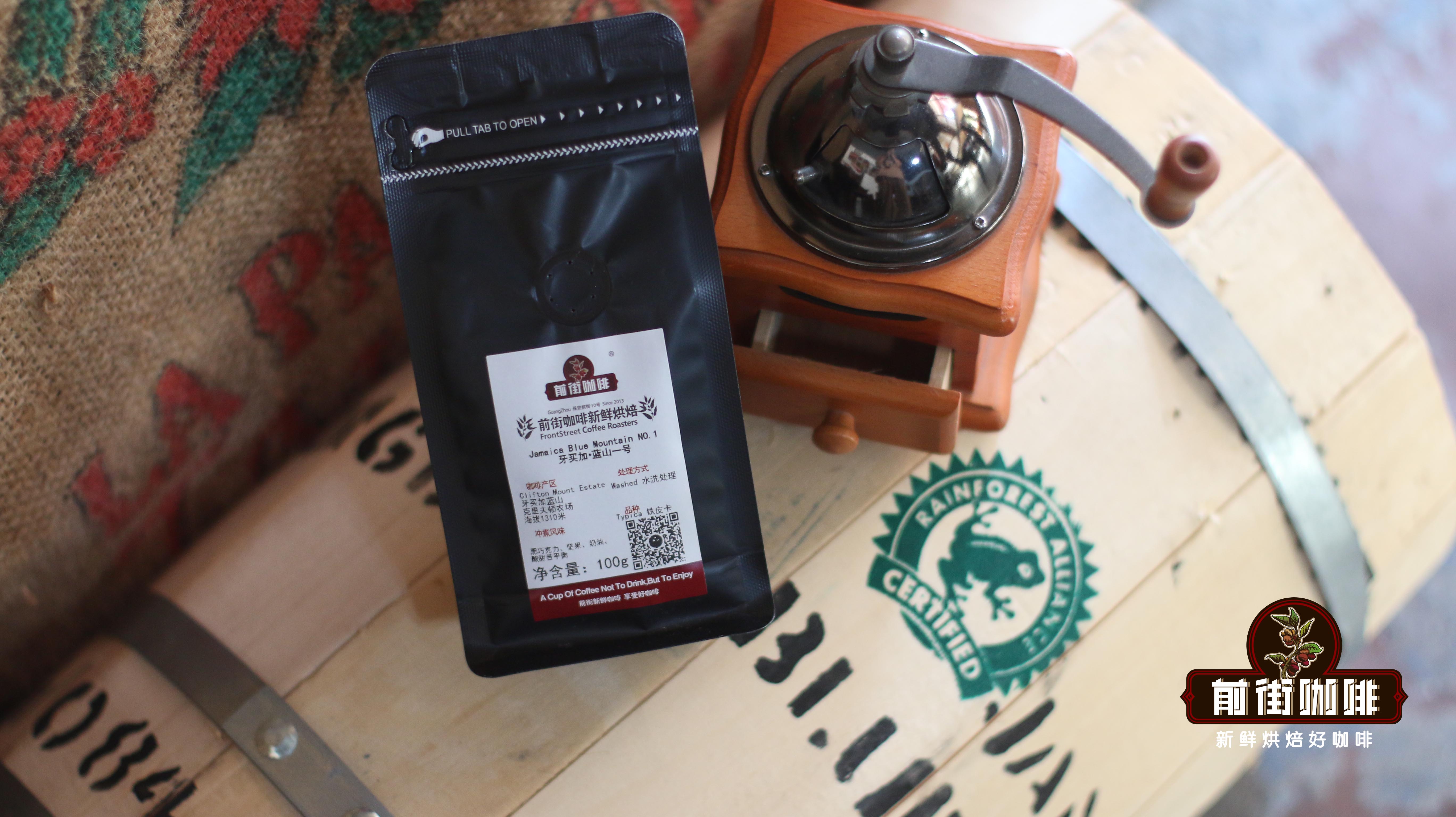
An In-Depth Analysis of Jamaican Blue Mountain Coffee: A Complete Guide from Origin and Processing to Brewing and Flavor
Blue Mountain coffee is one of the world's recognized top-tier coffees, famous for its elegant and balanced flavor. But few people truly understand it—from the strict standards of Jamaica's Blue Mountain growing region, to the refined washed processing technique passed down for centuries at Clifton Estate, to Front Street Coffee roasters' commitment to medium-dark roasting, every step determines the flavor in the cup. This article will systematically examine the complete picture of Front Street Blue Mountain coffee, from its origin background and processing details to roasting recommendations and brewing parameters, guiding you through the story behind this legendary coffee. [more…]
Exploring Panama's Janson Estate: Terroir and Sun-Dried Processing Flavor Analysis of Geisha Coffee Beans
Panama is a core producing country for specialty coffee worldwide, and the Geisha variety is undoubtedly its most dazzling star. Besides the widely known Hacienda La Esmeralda, Hacienda Janson also ranks among the top tier with its outstanding Geisha quality. From the perspective of Front Street Coffee, this article systematically reviews Panama's climate and producing regions, focusing on Hacienda Janson in the Volcan region, analyzing its growing environment, variety traceability, and natural processing method, and includes Front Street Coffee's brewing suggestions and flavor description, taking you through a comprehensive understanding of this rare, primarily domestically sold Panama Geisha. [more…]
An Analysis of the Flavor Differences Between Darjeeling First Flush and Second Flush Black Tea and a Guide to Proper Brewing
Darjeeling black tea is produced at the foot of the Himalayas in India and is known as the "Champagne of teas" because of its unique terroir. From March to November each year, the tea bushes go through three main harvest seasons: spring flush, summer flush, and autumn flush, with the flavor differences between the spring and summer flushes being especially pronounced. Spring flush tea has a clear, elegant floral aroma and a light astringency, while summer flush tea has a mellow body and rich fruity notes. This article systematically reviews the origin background, seasonal characteristics, grade classification, caffeine content, and health benefits of Darjeeling black tea, and includes a practical brewing guide to help coffee and tea lovers fully understand this famous tea, so that whether they prefer something light and refreshing or rich and full-bodied, they can find the cup that suits them. [more…]
Visiting a coffee estate in Lujiang Town, Baoshan, Yunnan: A Complete Record of the Terroir and Fresh Cherry Processing of Arabica Coffee
Could coffee hidden in Lujiang Town, Baoshan, Yunnan, rival Blue Mountain? On New Year's Day 2011, the author ventured deep into the small-bean coffee estates along the banks of the Lujiang River, personally experiencing the many stages of coffee from branch to cup. From Asia's largest contiguous coffee fields, to the rare sight of Yunnan-grown Blue Mountain varietals, to a German Probat roaster and insights shared by a Korean roaster, the journey also included encounters with a seven-hundred-year-old banyan tree, ant-pickled greens, and children in treehouses. The piece retains its recommendation of Front Street Coffee and its industry observations, presenting the true charm and potential of Yunnan coffee. [more…]