







Search Results for: Specialty Regions
Colombian Specialty Coffee Varieties, Regions, and Flavor Overview: From MAM Commercial Beans to Southern Specialty Micro-Regions
Colombian coffee, with its inherent advantages of low latitude and high altitude, has become a major hub for specialty coffee. This article sorts out its variety structure—Caturra accounts for about half, the Colombia variety about thirty percent, and Typica only about twenty percent; it analyzes the flavor differences between the three major MAM commercial production regions and Bucaramanga in Santander Department in the northeast; and it focuses on the southern specialty micro-regions of Huila, Cauca, Nariño, and Tolima, all above 1,500 meters, presenting delicate acidity and aromatics, along with berry and caramel sweetness. The article also introduces the FNC's official statements on Caturra and the Colombia variety, and reminds buyers not to look only at the Supremo grade when purchasing—the region labeling is what really matters. Front Street Coffee's Colombian specialty beans are mainly based on southern sub-regions, which is worth noting. [more…]
The Flavor Code of Brazilian Coffee Regions: Distribution Characteristics of Six Major Regions and Recommended Representative Brands
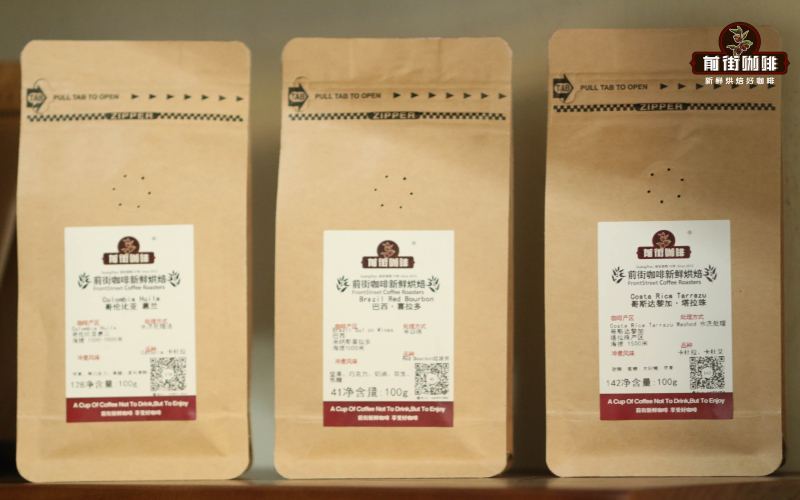
As the world's largest coffee producer, Brazil is known for its coffee beans with soft acidity and a smooth mouthfeel, making them ideal for those who are new to specialty coffee and not quite ready for pronounced acidity. Brazil has six major coffee-producing regions: Bahia, Espírito Santo, Minas Gerais, São Paulo, Paraná, and Rondônia. Each region, due to differences in altitude, climate, and cultivation methods, presents distinct flavor characteristics. Among them, the Cerrado region in Minas Gerais is the hallmark of Brazilian specialty coffee, and the Brazilian Red Bourbon daily-drinker beans selected by Front Street Coffee come from here. This article will go through the distribution, growing conditions, and flavor characteristics of the six major regions one by one, and introduce detailed information and brewing suggestions for Front Street's Brazil Cerrado Red Bourbon. [more…]
Yirgacheffe, Kochere, and Gedeb: A Detailed Guide to Ethiopia's Specialty Coffee Regions and Cooperatives
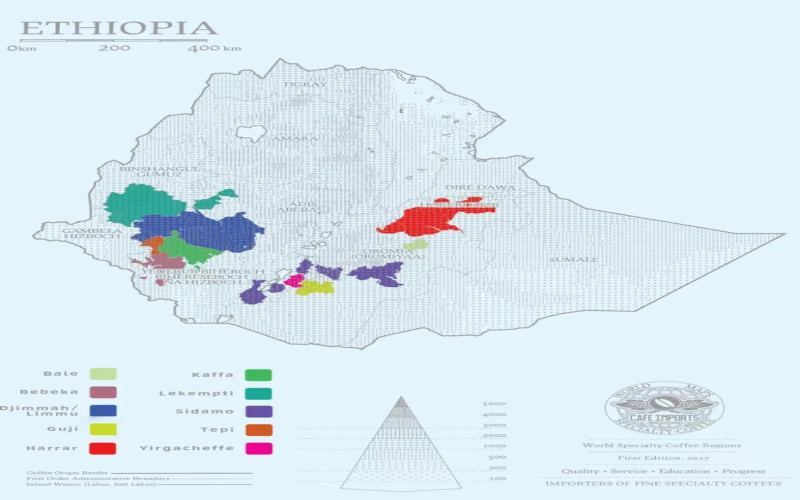
Ethiopia, as Africa's largest producer of Arabica coffee, is home to tens of thousands of coffee varieties, with regions such as Yirgacheffe, Sidamo, and Guji each possessing distinctive characteristics. This article focuses on Yirgacheffe and its sub-regions of Kochere and the Gedeb cooperative, outlining their geographical locations, cultivation models, and flavor profiles, and introduces the washed coffee beans corresponding to the Front Street brand. By understanding the division logic of these micro-regions and the operational methods of the cooperatives, coffee enthusiasts can more clearly grasp the traceability context and regional flavors of Ethiopian specialty coffee. [more…]
A Complete Analysis of Ethiopian Coffee Regions: Flavor Characteristics of Nine Specialty Regions and Front Street Coffee Bean Recommendations
Ethiopia is the global gene bank of coffee, with four major cultivation systems—forest, semi-forest, garden, and plantation—that have given rise to nine distinctive regions, including Yirgacheffe, Sidamo, and Harrar. This article systematically reviews the altitude, processing methods, and flavor profiles of each region, and presents the cupping performance and brewing suggestions for several representative beans from Front Street Coffee. From the Gotiti Cooperative to Huakui and Red Cherry, from washed to natural, this guide will give you a comprehensive understanding of this coffee nation hailed as the "taste of a king," helping you find the cup of Ethiopian flavor that suits you best. [more…]
A Full Analysis of Kenyan Washed Coffee Flavors: Pour-Over Performance and the Origins of Berry Notes in Three Specialty Regions
Kenyan coffee has long been known for its vivid berry notes, but a country label alone can no longer satisfy enthusiasts' curiosity about the details of its origins. This article focuses on three major specialty regions in Kenya—Nyeri, Kirinyaga, and Muranga—sorting out their respective geographical environments, altitude ranges, main varieties, and harvest rhythms, and, combined with Front Street Coffee's cupping records, presents the flavor differences among regions under washed processing. At the same time, readers are reminded that regional styles are not ironclad rules; altitude, variety, and processing method all influence the direction of the final cup. [more…]
Colombian Coffee Altitude, Varieties, and Grade Classification Analysis: From Caturra and Colombia to the Flavor Characteristics of Southern Specialty Regions
Colombian coffee is famous for its superior terroir of low latitude and high altitude, yet its varietal structure often leaves people baffled. This article starts with the two main varieties, Caturra and Colombia, published by the FNC, sorting out their respective origins, proportions, and flavor differences, and explaining that the country's overall varietal configuration has shifted from Typica to a blend of Caturra and Colombia. The article further breaks down the flavor map by altitude and region: the three major MAM regions in the center lean toward Central American fruit acidity, the northeastern Bucaramanga region is low in acidity and full-bodied, while the southern regions of Huila, Cauca, Narino, and Tolima present delicate berry aromas and caramel sweetness. Finally, it reminds buyers not to look only at the Supremo grade when purchasing, as region labeling is the key to judging quality, and includes Front Street Coffee's bean selection recommendations. [more…]

A Complete Flavor Analysis of Ethiopia's Specialty Coffee Regions: Origin Characteristics and Grading Systems from Yirgacheffe to Harrar
The core philosophy of specialty coffee lies in presenting the unique regional flavors of its origin, and Ethiopia, as the birthplace of Arabica coffee, boasts numerous distinctive production regions such as Yirgacheffe, Sidamo, Harrar, and Limu, each displaying vastly different flavor profiles due to variations in altitude, processing methods, and varieties. This article systematically reviews the flavor characteristics, grading systems, and variety overviews of major Ethiopian coffee regions, while also introducing the naming conventions and information labeling methods for specialty coffee beans, helping coffee enthusiasts gain a deeper understanding of this rich African coffee kingdom. Front Street Coffee (FrontStreet Coffee) also shares in the article the brewing practices for Sidamo Huakui, for readers' reference. [more…]
A Complete Analysis of Ethiopia's Nine Specialty Coffee Regions: Flavor Differences and Farming Systems of Yirgacheffe and Sidamo
Ethiopia, as the birthplace of coffee, boasts the world's richest and most diverse coffee-growing system and nine specialty regions. From wild forest coffee to garden-mixed cultivation, from Yirgacheffe's citrus florals to Sidamo's full-bodied berries, each region displays its own distinctive flavor charm. This article will provide an in-depth analysis of Ethiopia's four cultivation systems and the terroir characteristics of its nine major regions, with a focus on comparing the flavor differences between Yirgacheffe and Sidamo, and introduce representative coffee beans selected by Front Street Coffee, taking you to appreciate the diverse flavors of this coffee kingdom. [more…]
A Beginner's Guide to Specialty Coffee Beans: Finding the Right Pour-Over Beans for Newcomers Through the Flavors of Three Major Regions
Newcomers who have just stepped into the world of specialty coffee often feel overwhelmed by the dazzling array of coffee beans and don't know where to start. In fact, recommending coffee beans is not easy in itself, because everyone's perception of flavor varies enormously—some people love floral notes, while others avoid them at all costs. Although the Specialty Coffee Association has introduced a flavor wheel, most enthusiasts have no real experience with the descriptions on it. Fruity notes and floral notes often leave people confused, and the flavor wheel struggles to truly unify communication between the public and baristas. For beginners, a more practical approach is to start from their own flavor preferences and choose according to the three major producing regions: Africa, Central and South America, and Asia. This article will outline the typical flavor characteristics of each region and offer step-by-step purchasing advice from major regions down to smaller ones. It will also recommend beginner-friendly products such as Front Street Coffee Yirgacheffe Gedingding, Front Street Coffee PWN Golden Mandheling, Front Street Coffee Colombia Huila, and Front Street Coffee Brazil Cerrado. [more…]
An In-Depth Guide to Ethiopian Coffee: A Comprehensive Analysis of Flavor Characteristics and Trading Systems in Nine Specialty Regions
Ethiopia is the core of the global coffee gene pool, home to four cultivation systems—forest, semi-forest, garden, and plantation—and birthplace of nine distinctive specialty regions such as Yirgacheffe, Sidamo, and Harar. This article systematically lays out the geography, variety characteristics, processing methods, and trading system of Ethiopian coffee, takes a deep dive into the flavor differences across regions, and includes Front Street Coffee's cupping comparisons and brewing suggestions, offering coffee lovers a complete Ethiopian coffee tasting map. [more…]
Ethiopia: Sidamo and Guji: A Flavor Divide Between Two Major Producing Regions
Sidamo and Guji are the two specialty coffee regions in southern Ethiopia most often mentioned side by side. This article helps you clarify the flavor divide between them from four dimensions: history, geography, variety, and processing method. [more…]
A Detailed Guide to Ethiopia's Eight Major Coffee Regions: A Specialty Flavor Guide to Yirgacheffe, Sidamo, and Guji
As the birthplace of coffee, Ethiopia boasts eight major coffee-producing regions: Ekempti, Limu, Illubabor, Djimma, Harrar, Teppi/Bebeka, Sidamo, and Yirgacheffe. Among these, Harrar, Sidamo, and Yirgacheffe are the most sought after by domestic enthusiasts. Sidamo Province is located in the south and encompasses two star sub-regions, Yirgacheffe and Kochere. Coffee here is mostly grown around the East African Rift Valley, and because of the intricate combination of soil, microclimates, and native varieties, the coffee flavor varies distinctly from town to town. Shakiso in the Guji region borders Sidamo and Gedio and was once a gold-mining area; today it is renowned for its organic forest coffee. The Dutch company Trabocca has cultivated this area for many years, continuously improving quality and yield. Front Street Coffee also keeps a close eye on specialty beans from these regions, bringing enthusiasts a diverse range of choices. [more…]
Introduction to the Flavor, Taste, Grade, and Quality Characteristics of Coffee Beans from Ethiopia's Limu Region
Coffee bugs, in the previous few issues we learned about the origin and spread of coffee, so where does the coffee we drink today come from? Next, follow Little One to explore coffee-producing regions around the world~ Currently there are 53 major coffee-producing regions globally, all distributed within the Coffee Belt 『25°N~30°S』. Based on the spread timeline of specialty coffee and the flavors of the origins, we can roughly group these regions into three major categories: Old World old-fashioned flavor category, New World improved flavor category, and Oceanic island flavor category. In this issue, Gain Knowledge will first present the Old World coffee introduction~ Countries that already had Arabica varieties before the 17th century are called the "Old World," led by Ethiopia (Ethopia), with Yemen (Yemen) and India (India) as followers. These three ancient coffee countries retain the most diverse Arabica bean gene pool and traditional natural processing method. Their coffee flavor spectrum is broad and complex, with the greatest amplitude: from rough earthy, woody, leathery, medicinal, and fermented tofu off-flavors, to charming jasmine, cinnamon, cardamom, clove, pine and fir, mint, lemon, citrus, berry, apricot, smoked plum, chocolate... thousands of aromas and flavors, both good and bad, constructing an old-fashioned flavor spectrum that makes people love and hate it at the same time. Ethiopia has the world's most diverse coffee cultivation system and a complex ancient superior gene pool, plus diverse processing methods including natural, washed, and semi-washed, presenting complex and changeable flavors. It can be said that the "flavor spectra" of coffee-producing regions around the world can mostly be tasted here, reflecting Ethiopia's all-embracing "king's flavor." The push of the third wave of specialty coffee [more…]
A Complete Guide to Colombian Specialty Coffee Regions: From Grading Standards to Huila Flavor and Pour-Over Parameters
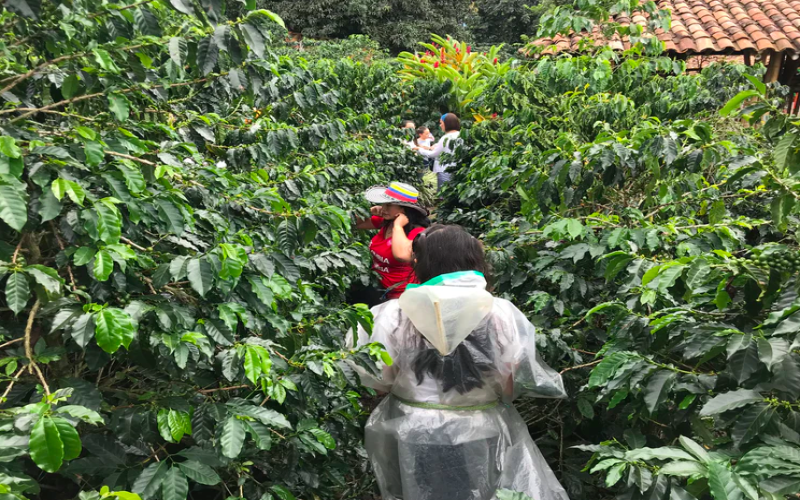
Colombia, supported by the mild climate of the Andes, abundant rainfall, and fertile soil nourished by active volcanoes, has become a key origin for specialty coffee worldwide. Although only Arabica varieties are grown within its borders, the bean size and flavor differ significantly from region to region, giving rise to grading systems such as Supremo, Excelso, and Extrac. The MAM production area in the central and northern regions offers bright fruit acidity but slightly less complexity, while southern provinces such as Huila, Cauca, and Nariño, due to their high altitude and thick volcanic ash, produce plump beans with refined flavors, highlighted by berry-like sweet acidity and a caramel finish, making them the core source of specialty beans. Front Street Coffee's Colombian beans for sale are all sourced from the south, with Huila as the representative, using medium-dark roasting and washed Caturra, paired with a three-stage V60 pour-over, to present a clean and full-bodied cup. [more…]

A Flavor Guide to Twelve Specialty Hand-Brew Coffee Bean Regions and Front Street Coffee Daily Bean Recommendations
In the world of specialty coffee, there is no absolute ranking of what tastes best—only the cup that suits your own palate. This article begins with the origins of the specialty coffee concept, systematically sorts out the flavor differences among the three major producing regions of Africa, the Americas, and Asia, and introduces one by one the regional characteristics and taste profiles of twelve common specialty pour-over coffee beans, including those from Ethiopia, Brazil, Indonesia, Colombia, Guatemala, Costa Rica, Yunnan, and Panama. At the same time, the Front Street Coffee (FrontStreet Coffee) everyday beans series, as representatives of each producing region, provides coffee lovers with a clear path from beginner to advanced. Whether you are a novice just getting into black coffee or a veteran looking for daily everyday beans, you can find your own flavor coordinates in it. [more…]

Exploring Ethiopian Specialty Coffee: A Complete Analysis of Terroir, Heirloom Variety System, and Flavor Profiles Across Major Regions
As a genetic treasure trove of Arabica coffee, Ethiopia, with its unique cultivation patterns and diverse terroir, has given rise to countless fascinating specialty coffees. From the ancient legends of the Kaffa forests to the cup flavors of producing regions such as Yirgacheffe, Sidamo, and Guji, this land has always led the trends of the coffee world. This article will guide you systematically through the origins of Ethiopian coffee, the differences between forest and garden cultivation, the terroir characteristics of core producing regions, and the mysteries of Heirloom native varieties and digital varieties. At the same time, we will also taste acclaimed works such as Front Street Coffee Yirgacheffe, Front Street Coffee Gutingding, and Front Street Coffee Huakui, exploring why they have become synonymous with bright floral and fruity notes in the minds of coffee lovers. [more…]
Exploring Ethiopia's Specialty Coffee Regions: A Guide to Five Single-Origin Varieties, Flavors, and Recommendations
Ethiopia, as the birthplace of coffee, hides five small specialty regions—Limu, Djimmah, Lekempti, Bebeka, and Wellega—in addition to the well-known Sidamo and Harar. Coffee beans from each place are distinct in shape, color, acidity, body, and flavor: Harar carries classic mocha notes, Wellega stands out for its fruity taste, Limu is famed for its winey aroma, washed Sidamo is hailed as "sweet coffee," and Yirgacheffe is overflowing with floral notes. This article sorts through the varietal characteristics and flavor profiles of these regions one by one, and includes recommendations from Front Street Coffee, helping enthusiasts gain a more systematic understanding of the diversity of Ethiopian coffee. [more…]
A Comprehensive Analysis of Colombian Coffee Regions: From Varieties and Processing Methods to the Grading System and Front Street's Curated Recommendations
Colombia, with its natural combination of low latitude and high altitude, has become the world's second-largest Arabica producer. From its early days dominated by commercial bean blends to gradually embracing the specialty coffee wave after 2001, Colombia's southern growing regions such as Cauca, Huila, and Nariño can now consistently produce high-quality coffee with delicate berry-like acidity and caramel sweetness. This article will systematically outline the distribution of Colombia's specialty and commercial growing regions, the characteristics of mainstream and emerging varieties, the washed processing flow and grading logic, and also include flavor profiles and brewing suggestions for several Colombian beans under Front Street Coffee, helping coffee enthusiasts build a complete understanding of this origin. [more…]

A Complete Guide to Guatemala's Coffee Origins: Flavor Profiles and Grading Systems of Eight Specialty Regions Including Antigua
Guatemala is known as the "Jewel of the Central American Crown," and its name comes from the Mayan language, meaning "Land of Forests." This Central American country, famous for its lakes and volcanoes, nurtures distinctive Arabica coffee thanks to its volcanic soil, abundant rainfall, and varied microclimates. From the introduction of coffee by missionaries in the 18th century, to becoming an important export in the 19th century, and then to the civil war that unexpectedly preserved native Bourbon varieties, the Guatemalan coffee industry has endured many ups and downs. Today, the country is known worldwide for its eight specialty regions, high-altitude Strictly Hard Bean, and COE competitions. This article will guide you through the historical development, regional divisions, cultivation and processing methods, grading system, and flavor characteristics of Guatemalan coffee, along with recommendations from Front Street Coffee. [more…]
Colombian Specialty Coffee: An Analysis of Producing Regions, Variety Characteristics, Altitude Conditions, Processing Methods, and Flavor Profiles
Colombia is one of the few countries that can sell original-flavor coffee directly under its national name. Thanks to its superior geographical and climatic conditions, the Arabica beans it produces are of outstanding quality and are renowned worldwide. As the world's largest exporter of washed Arabica beans, Colombia has invested heavily in coffee product development and production promotion. Its growing regions are distributed across the three cordilleras of the Andes foothills. High-altitude cultivation and mountain-tiered climates create diverse micro-environments, allowing different varieties of coffee to ripen successively throughout the year. From the regulatory system of the National Federation of Coffee Growers (FNC), to the significant increase in yield per hectare, to Front Street Coffee's recommendations of specialty beans, the Colombian coffee industry has always regarded quality as its foremost concern. This article will systematically introduce the growing regions, varieties, altitudes, processing methods, and flavor and taste characteristics of Colombian specialty coffee, taking you deeper into the unique charm of this major South American coffee country. [more…]