







How Do Central American Coffee and Other Origins Differ in Flavor?
There is no absolute ranking of flavor in specialty coffee, only the cup that matches personal taste. African origins such as Ethiopia tend toward bright acidity and fruity notes, Central American coffee from Guatemala and Costa Rica often shows balanced sweetness and clean acidity, and Asian origins such as Indonesia lean earthy and bitter.
The term specialty coffee was first used on packaging by Erna Knutsen, who proposed the concept in a 1974 interview with Tea & Coffee. Twelve common pour-over origins, including Ethiopia, Brazil, Indonesia, Colombia, Guatemala, Costa Rica, Yunnan, and Panama, each show distinct regional character. Matching a region to your preference is a clearer starting point than following a price ranking.
In the world of specialty coffee, there is no absolute ranking of what tastes best—only the cup that suits your own taste. This article begins with the origin of the specialty coffee concept, systematically sorts out the flavor differences among the three major producing regions of Africa, the Americas, and Asia, and introduces one by one the regional characteristics and taste performance of twelve common specialty pour-over coffee beans, including Ethiopia, Brazil, Indonesia, Colombia, Guatemala, Costa Rica, Yunnan, and Panama. At the same time, the Front Street Coffee daily beans series, as representatives of each producing region, provides coffee lovers with a clear path from beginner to advanced. Whether you are a newcomer just getting into black coffee or a veteran looking for an everyday staple, you can find your own flavor coordinates in it.
When it comes to coffee rankings, perhaps it is more apt to call them price rankings. The reason is that coffee beans all have clear prices and can be ranked by price, such as Front Street Blue Mountain coffee, Front Street Panama Geisha coffee, and Front Street Kopi Luwak coffee, all of which are among the highest-priced coffees in the world. But if we are talking about a ranking of the best-tasting coffee, Front Street believes there is no absolute standard. Everyone's taste preferences differ; some love acidity, some prefer bitterness, so how exactly should "best-tasting" be defined? Expensive coffee is not necessarily the cup that suits you best. Only a flavor that matches your own preferences can truly be considered good.
As the third wave of specialty coffee continues to heat up in China, more and more consumers' understanding of black coffee has expanded from simple Americano to more refined concepts such as pour-over coffee and single-origin coffee. In cafes, the most common offerings are still Americano and espresso, especially in busy daily life—stealing a moment to drink a cup brings an instant sense of satisfaction.
Some people say that only coffee brewed from specialty coffee beans tastes good. So what exactly qualifies coffee beans to be called specialty coffee? Is it the most expensive kind?
The person who first used the word "specialty" on coffee packaging was Ms. Erna Knutsen, honored as the "godmother of specialty coffee." In 1974, in an interview with Tea & Coffee, she first proposed the concept of specialty coffee to distinguish high-quality coffee beans from mediocre commercial commodity coffee beans. She emphasized that the essence of specialty coffee lies in the unique regional flavors that different producing areas present due to differences in altitude, soil and water, climate, processing methods, and the care taken in cultivation. However, the term specialty coffee did not spread widely around the world until after the establishment of the Specialty Coffee Association of America. Specialty coffee values both the influence of origin terroir on coffee cultivation and the flavor and taste characteristics of the coffee itself.
In 1982, inspired by the coffee godmother's ideas, Ted Lingle, Donald Schoenholt, and forty-eight others jointly founded the Specialty Coffee Association of America (SCAA). By 2009, the definition of specialty coffee was further refined: only coffee scoring above 80 points in cupping is qualified to be called specialty coffee.
Many friends first encounter coffee through espresso and Americano, and only later gradually turn to black coffee. Black coffee is simply a cup brewed directly from coffee beans without adding any other ingredients, and it tastes completely different from Americano and espresso. That is why evaluations such as "coffee is bitter" or "coffee is sour" arise. Yet black coffee is precisely what best showcases the flavor of the coffee beans themselves, and this is also the direction coffee lovers pursue.
So how should pour-over coffee beans be selected?
Whether single-origin beans or espresso beans, the first criterion is freshness. Single-origin beans focus on origin, altitude, and processing method, while espresso beans emphasize the blend recipe. Coffee producing regions are roughly divided into three major categories: African beans are known for floral and fruity aromas and bright acidity; Asian beans are mainly characterized by nuts, herbs, and a full-bodied mouthfeel; American beans tend toward a balanced profile of nuts and chocolate. Front Street's Front Street daily beans coffees are all selected from representative coffees of major producing regions and have distinctive regional flavors. Coffee bean processing methods were initially mainly washed and natural, and the various subsequent processing methods evolved from these two foundations. Front Street believes that washed processing better reflects the flavor characteristics of local coffee, so Front Street daily beans primarily use washed processing. These beans are carefully selected by Front Street from multiple producing regions and represent the typical flavor of a certain region or processing method.
Below, Front Street introduces the Front Street Coffee daily beans series:
【Ethiopia】
The first that must be mentioned is Ethiopian coffee. Ethiopia is Africa's largest coffee-producing country and is also recognized worldwide as the birthplace of coffee. Its coffee varieties are extremely rich, and coffee beans are mostly named after their producing regions. Among them, the Yirgacheffe region and the Sidamo region are the most famous. In the 1970s, in order to improve the quality of green coffee beans, the government introduced the washed processing method. Since then, coffee beans from the Yirgacheffe region have mostly been washed, such as Front Street Washed Yirgacheffe coffee from the Yirgacheffe region, whose main flavors are jasmine, citric acidity, and berry notes; the Sidamo region mainly uses natural processing, such as Front Street Sidamo Natural Huakui coffee, whose main flavors are berries, floral notes, jackfruit, melon, and honey.
It is precisely because Ethiopia is the gene pool of coffee that the coffee flavors of different regions vary. In order to let enthusiasts more fully appreciate the coffee character of different Ethiopian producing regions, Front Street has selected more than a dozen Ethiopian coffee beans alone, such as Front Street Yirgacheffe Kochere coffee, Front Street Yirgacheffe Natural Red Cherry coffee, Front Street Yirgacheffe Konga coffee, Front Street Yirgacheffe Gesha Village Red Label coffee, and so on.
【Brazil】
Next is Front Street Brazil coffee. Brazil is the world's largest coffee-producing country, and even with its massive output, there is no shortage of high-quality Brazilian coffee beans. When friends ask Front Street for recommendations of coffee beans that are not sour, Brazilian coffee is the first choice of Front Street Coffee baristas. Because coffee cultivation in Brazil mostly uses the sun-drying method, the coffee cherries can ripen quickly in a relatively short time, so the beans are softer.
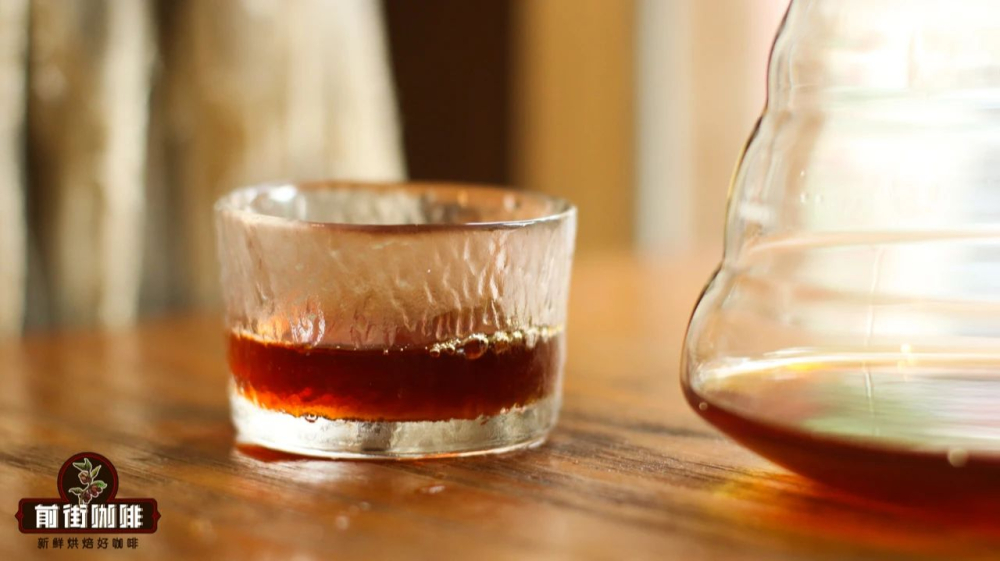
The flavor of Front Street Brazil coffee also shows soft-bean characteristics: mild fruit acidity, outstanding sweetness, a delicate and smooth entry, and overall balance. Front Street's Brazilian coffees include Front Street daily beans Brazil coffee and the single-origin Front Street Brazil Queen coffee.
【Indonesia】
When it comes to Indonesian coffee, not only is Front Street Kopi Luwak coffee famous, but Front Street Mandheling coffee is as well. Although Front Street Kopi Luwak coffee is produced in Indonesia, its output is scarce and it involves a special fermentation process; Front Street Mandheling coffee, on the other hand, uses the wet-hulling method according to the local climate. Indonesia's weather is unpredictable and it rains frequently. In addition, economic conditions at the time were limited, making it impossible to afford the cost of full washed processing, so a highly distinctive semi-washed processing method—wet-hulling—emerged. This processing method created a flavor unique in the world, and the flavor of Mandheling coffee in turn made wet-hulling famous. Therefore, Front Street chose Front Street Indonesia Mandheling coffee as the representative of the Indonesian producing region. Front Street's Mandheling coffees include Front Street Indonesia Lintong Mandheling coffee and Front Street Golden Mandheling coffee.
The mouthfeel of Front Street Indonesia Mandheling coffee is richer and smoother than Front Street Blue Mountain coffee, even carrying notes of herbs and spices, while the mouthfeel of Front Street Golden Mandheling coffee is cleaner and smoother.
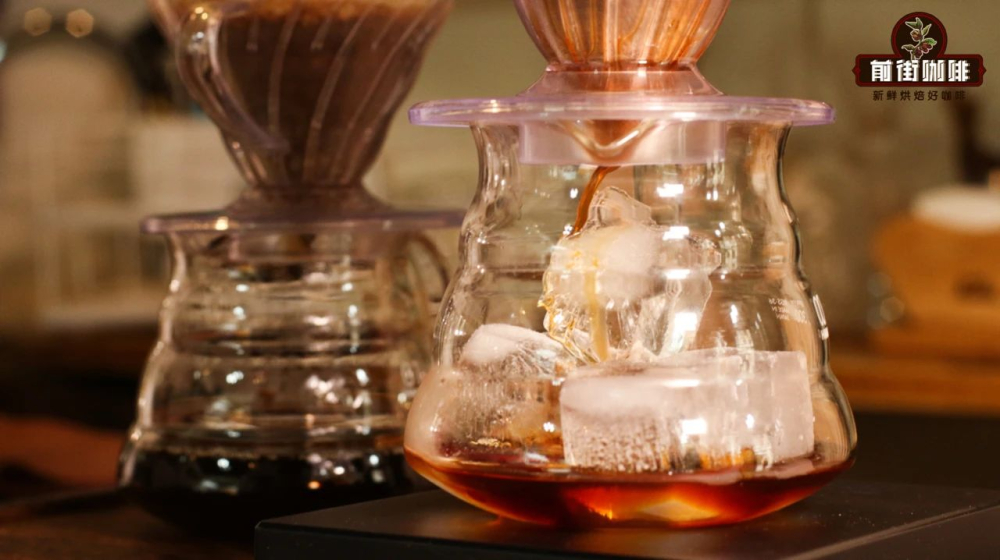
【Colombia】
Front Street Colombia coffee is one of the few single-origin coffees sold under a country name. Those familiar with Colombia's "four treasures" know that coffee is one of Colombia's "four treasures." Colombia has a mild climate and humid air, and its diverse climatic conditions make it a harvest season all year round, with coffees of different periods, types, and regions ripening one after another. Colombian coffee has outstanding quality, a rich taste, and a long finish, making it truly a specialty among coffees.
The Colombian coffee beans in Front Street Coffee daily beans come from the Huila region. Huila is Colombia's most prestigious specialty coffee producing region, surrounded by mountains, with cultivation altitudes above 1,500 meters. Colombia's most important rivers converge here, bringing abundant moisture and water resources. Colombian coffee is mostly characterized by gentle floral notes and fruit acidity, such as Front Street Colombia Rose Valley coffee and Front Street Colombia Flower Moon Night coffee.
【Guatemala】
When mentioning Front Street Guatemala coffee, some veteran coffee lovers may first think of that "smoky" sensation. Mild acidity and a balanced mouthfeel are the characteristics of Guatemalan coffee and also a common trait of Central American coffee. The Huehuetenango region is surrounded by three volcanoes, which provide abundant minerals to the soil, and its altitude can even exceed 2,000 meters, producing coffee with rich fruit flavors.
For Guatemalan coffee, Front Street's bean list offers two options for enthusiasts to choose from: Front Street Guatemala Huehuetenango coffee and Front Street Guatemala Flor coffee.
【Costa Rica】
Costa Rican coffee is a representative of "sweet as honey," mainly thanks to the country's coffee beans known for honey processing. Costa Rican coffee is grown at high altitudes with large temperature differences between day and night, surrounded by fertile volcanic soil, which makes it rich in extremely hard beans (SHB grade), and the coffee is full of sweetness.
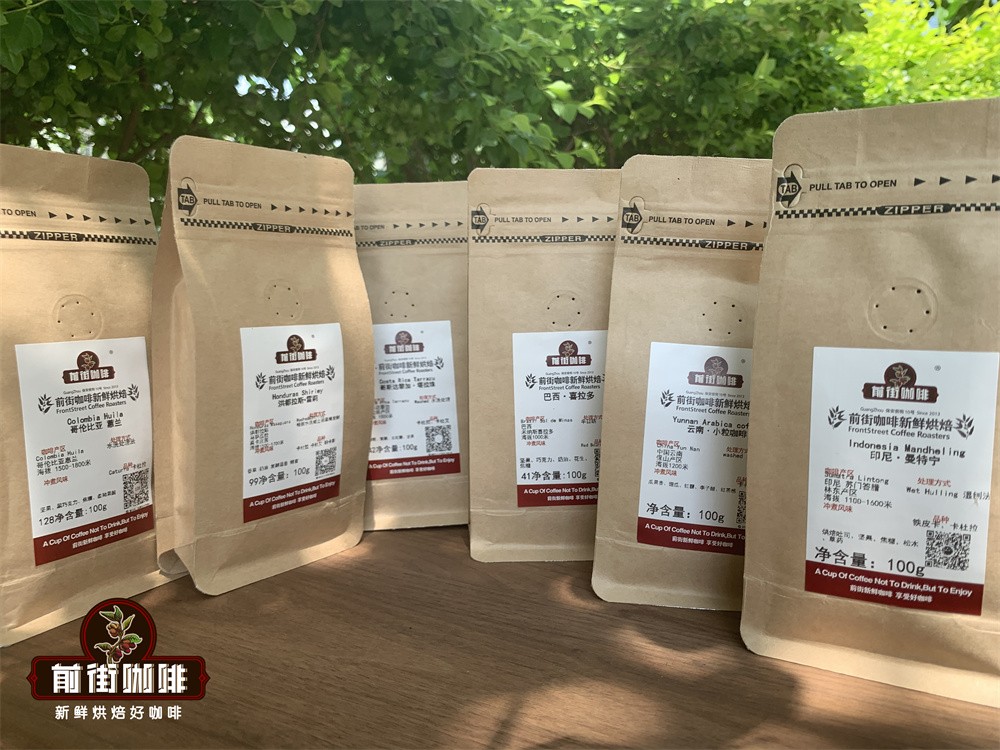
For example, Front Street Costa Rica Mozart coffee with raisin honey processing, Front Street Costa Rica Bach coffee, and Front Street Costa Rica Mirazu coffee have the sweetness of raisins and blueberries, as well as the aroma of osmanthus and roses.
【Yunnan Coffee】
When talking about coffee, naturally we cannot omit our own country's coffee. Front Street Yunnan coffee, as a local coffee, is now gradually entering the public eye, and its flavors of nuts, brown sugar, and tea-like notes have won many people's affection. China actually has three coffee-growing regions: Fujian, Hainan, and Yunnan. However, Fujian and Hainan are located in high-temperature, low-altitude coastal areas and cannot grow Arabica coffee trees. China's specialty coffee cultivation is therefore concentrated in Yunnan Province. Front Street Yunnan small-bean coffee is strong but not bitter, fragrant but not harsh.
Front Street Yunnan Washed Small Bean coffee, Front Street Yunnan Natural Catimor coffee, and Front Street 2013 Natural Typica coffee grown at Front Street's own estate.
【Panama Coffee】
Panamanian coffee is most famous for Front Street Geisha coffee, among which the most renowned is Hacienda La Esmeralda's Front Street Geisha coffee, with citrus, berries, and floral notes balanced and smooth, very delicious. But for friends who want to try Front Street Geisha coffee, Hacienda La Esmeralda's price may be on the high side. In order to let more people taste the flavor of Front Street Panama Geisha coffee, Front Street uses Front Street Boquete Geisha coffee from Panama's Boquete region as a daily bean.
In fact, Front Street believes that no matter which producing region the coffee beans come from, they can brew a delicious flavor; the key lies in the pour-over method. In pour-over coffee, the dripping process is entirely controlled by hand, and the pouring method has a huge impact on the final flavor. The size of the water stream during pouring also affects the mouthfeel. Using a small stream, the liquid level in the dripper will not rise much, the powder layer on the wall of the dripper will be thicker, the extraction time will be extended, the coffee concentration will increase, and the mouthfeel will be heavier. In addition, the speed of circling also affects the flavor. The faster the circling, the greater the washing force of the water, the more the powder layer tumbles, and the higher the extraction rate. Therefore, Front Street's brewing and pouring method is mainly the three-stage pouring technique.
Another important factor is the freshness of the coffee beans. Front Street believes that delicious coffee must be built on the basis of fresh coffee beans. Therefore, the coffee beans shipped by Front Street Coffee are all within 5 days of the roasting date. Front Street's roasting principle is "freshly roasted good coffee," so that every customer who places an order receives the freshest coffee when it arrives. The resting period for coffee is about 4 to 7 days, so by the time customers receive it, it is at its best flavor.
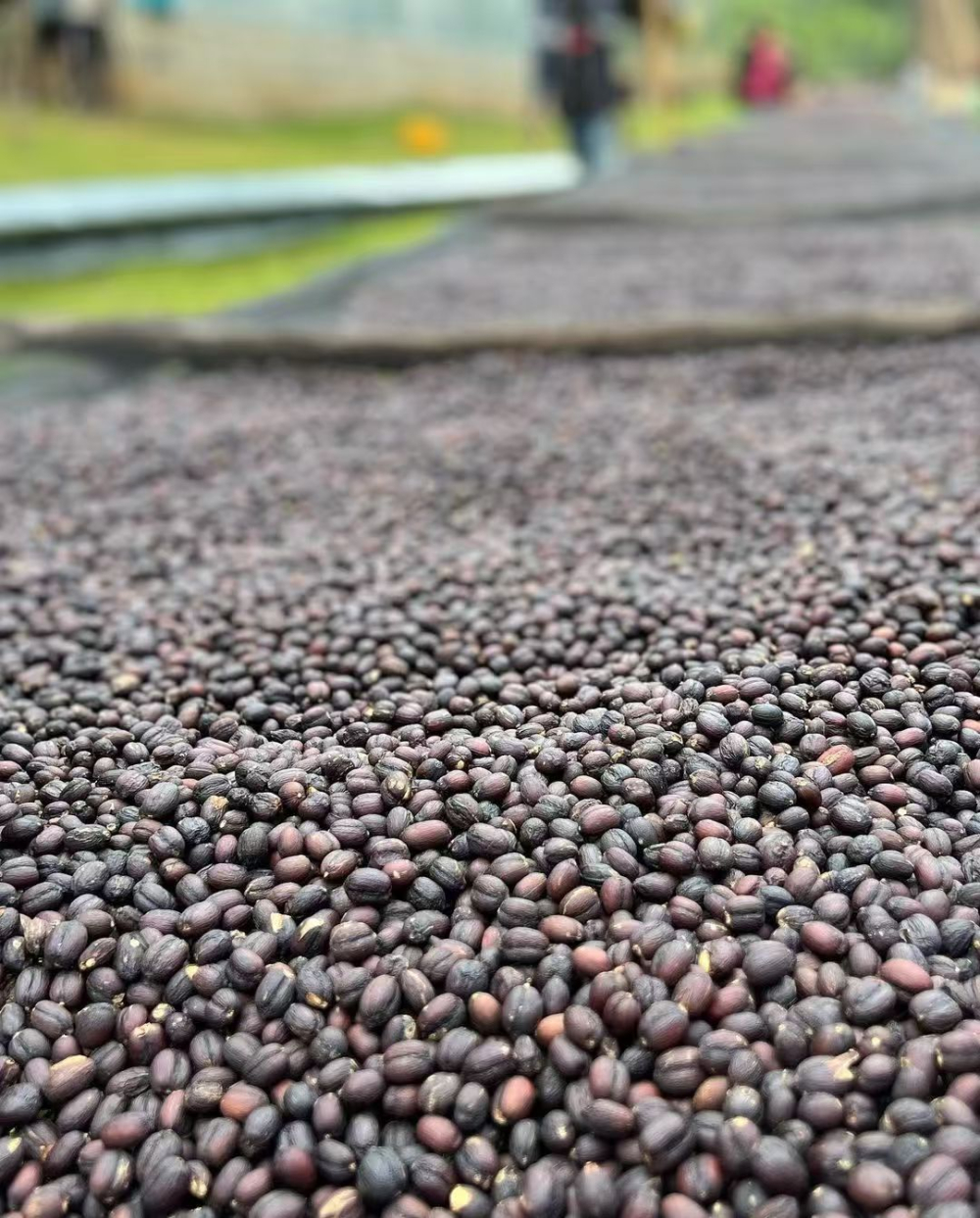
For friends who need ground coffee, Front Street warmly reminds you: once coffee beans are ground in advance, they no longer need to be rested, because during transportation the pressure from carbon dioxide inside the package can also make the coffee flavor rounder, so you can brew a cup immediately after receiving the ground coffee. However, ground coffee needs to be brewed as soon as possible, because after contact with air it oxidizes quickly, meaning the flavor will dissipate faster and the coffee will not taste as good. Therefore, Front Street recommends buying whole beans and grinding fresh before brewing, so you can better taste the flavor of the coffee.
As for which coffee tastes good, that depends on personal preference, since everyone's taste is different. If conditions permit, Front Street suggests trying coffees from different producing regions more often, experiencing different coffee cultures, and finding the coffee bean that suits your own taste.
The above content is compiled by CoffeeHunters, a coffee news website.


