







Search Results for: Source of Bitterness
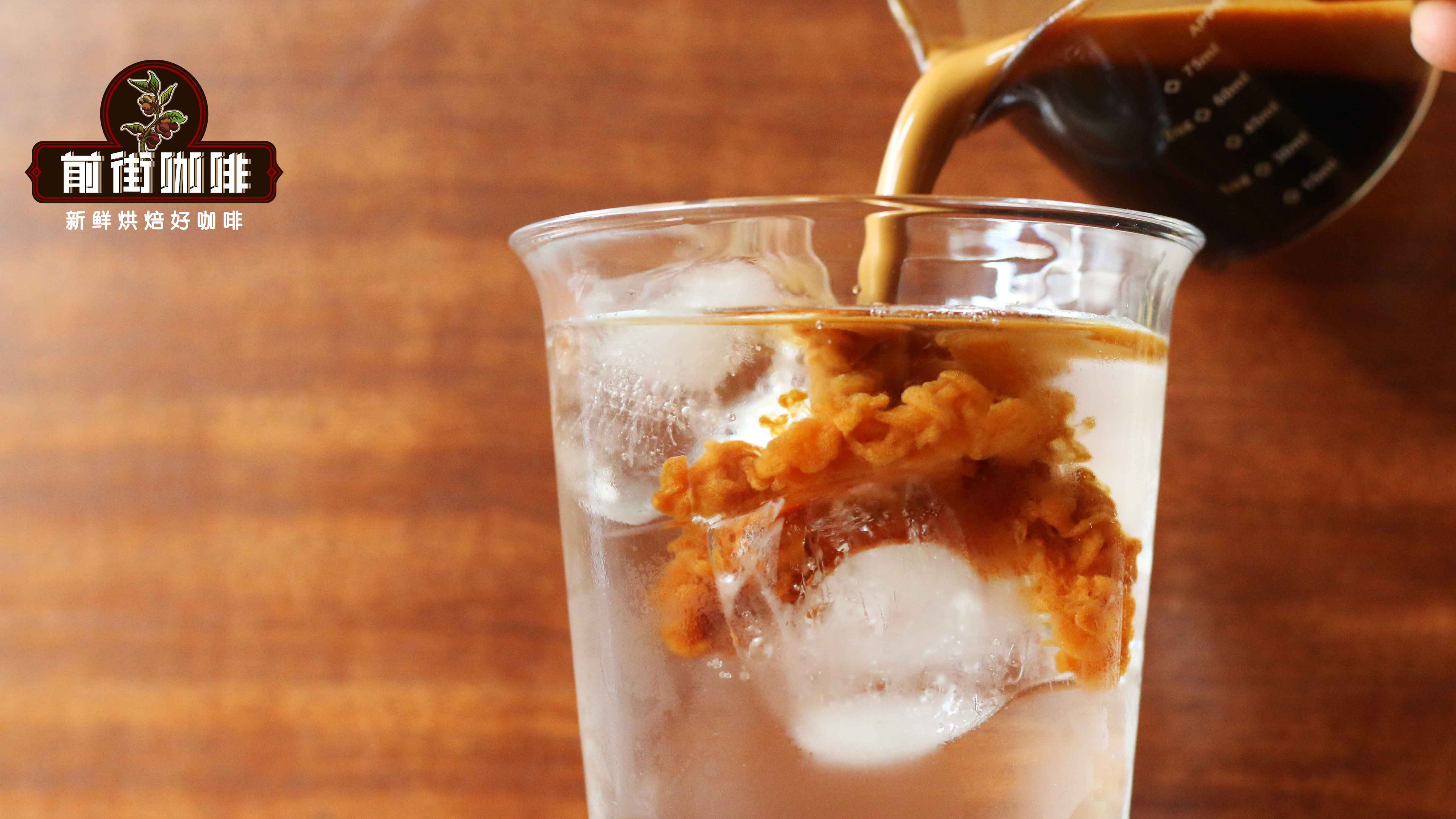
What is the fundamental difference between an Americano and a latte? How does espresso determine the taste and bitterness source of both?
Americano and latte are the two most frequently ordered drinks in coffee shops—one crisp and refreshing, the other rich and mellow—but they are actually both built on the same foundation: espresso. The quality of the espresso directly determines whether an Americano or latte ultimately tastes good, and whether the bitterness is pleasant. This article, from the perspective of Front Street, will first explain clearly what Espresso is, how it is extracted, and how it is drunk, then separately analyze the core differences between Americano and latte in composition, method, and flavor, and share Front Street stores' practical experience in blend bean selection and extraction parameters, helping coffee enthusiasts understand the real reasons behind the differences between the two. [more…]
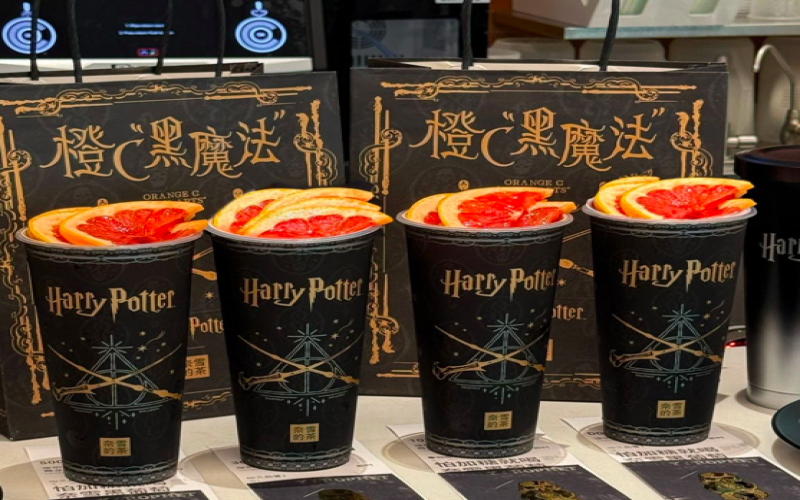
Nayuki's Harry Potter collaboration Halloween limited blood orange grapefruit drink draws consumer complaints over the bitter taste of grapefruit peel
During Halloween, major tea beverage brands have rolled out holiday-exclusive drinks to compete for young consumers. Nayuki has partnered with "Harry Potter" for a second time, launching a "Sugar-Free Blood Orange and Grapefruit" drink themed around Voldemort's "Dark Magic." However, this beverage, which uses blood orange and grapefruit to create a "blood-colored" atmosphere, has drawn complaints from consumers because the grapefruit peel was not removed, and the bitterness intensifies after prolonged steeping. Fans reported that the drink gets more bitter the more they sip, with some describing it as "more bitter than Americano." Nayuki staff explained that the grapefruit peel is kept to show the use of real ingredients, and advised drinking it as soon as possible or picking out the peel oneself. Nevertheless, some fans of the books took the bitterness in stride, saying it fits the Dark Magic theme. [more…]
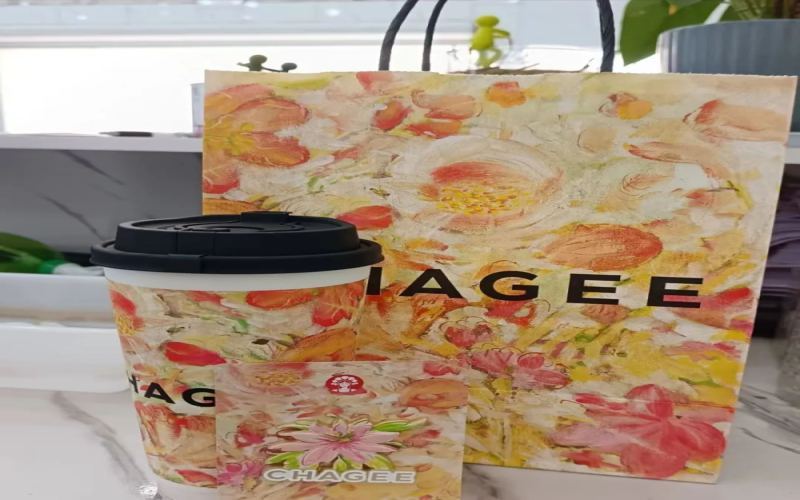
CHAGEE's passion fruit Biluochun milk tea sparks heated debate, with consumers describing the taste as bitter and medicinal upon entry
Chagee recently launched a new drink called "Vientiane Spring Harmony," a passion fruit Biluochun milk tea, which the company claims combines Guangxi passion fruit juice with a Biluochun tea base for a refreshing, sweet, and smooth taste. However, many consumers have reported that while the drink starts off sweet, it soon develops a pronounced bitterness, with some describing it as "more bitter than life itself" and even suspecting the tea base was steeped too long. At the same time, some fans insist that drinking it at the recommended sweetness level is perfectly fine. Whether this new release is pleasantly sweet-and-sour or unbearably bitter has sparked widespread discussion. [more…]

Starbucks' Light Roast Espresso Debut Divides Opinion—Why Are Customers Questioning Its Lack of Coffee Taste?
Starbucks recently launched a Blonde Espresso series, highlighting the lively acidity and citrus notes brought by a lighter roast, officially described as mellow, delicate, and softly sweet. However, after the product hit the market, consumer feedback has been notably divided: customers who prefer medium-light roasts find the taste soft and light, calling it a blessing for those who fear bitterness; while loyal customers accustomed to Starbucks' traditional dark roast flavor have expressed disappointment, saying the milk flavor overpowers everything and even suspecting the barista forgot to add the espresso. The core of this controversy actually lies in how the degree of roast affects flavor, rather than a recipe error. Espresso made from light-roasted beans has a reduced burnt-bitterness and a more pronounced sweet-and-sour quality, so when combined with milk it naturally seems to taste more milky. In addition, a light roast does not equal low caffeine—caffeine content is mainly determined by variety, altitude, and brewing method, and has nothing to do with roast level. This article will analyze the issue from three aspects: customer reviews, the causes of flavor, and caffeine misconceptions. [more…]

Peet's Hojicha Latte New Release Sparks Controversy: Dark Appearance Criticized, Powdery Bitterness Called Poor Value for Money
Peet's Coffee recently launched a new hojicha series—Hojicha Latte and Lucky Hojicha Latte. Originally expected to ride the momentum of its matcha latte, the drinks instead sparked widespread discussion among consumers over their appearance and taste. Some netizens bluntly said the dark, paste-like look was a "turn-off," and that the visual appeal dropped once the lid was opened; on taste, feedback also pointed to a heavy powdery texture and pronounced bitterness. Although some consumers familiar with hojicha processing explained that the dark color is normal, the controversy still centered on whether the thirty-plus yuan price tag matches the quality. This article compiles feedback from various sides and retains relevant Front Street Coffee recommendations for coffee enthusiasts' reference. [more…]
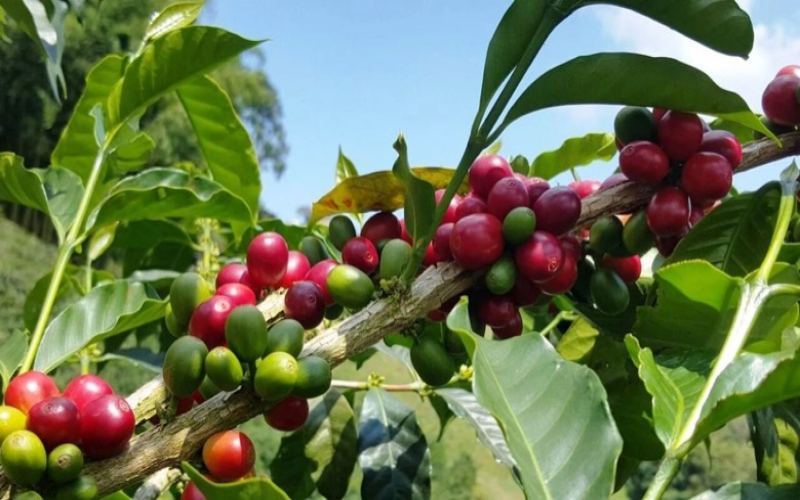
Full-Bodied Coffee Beans: The Source of Body and How to Choose
Body is the sense of weight that coffee has on the tongue—dark roasts, low altitudes, and natural processing all add thickness to the body. Front Street Coffee's PWN Indonesian Golden Mandheling is the benchmark for full body: herbal dark chocolate plus a dense, velvety mouthfeel, entering the mouth like melted dark chocolate paste; the body of Brazil Queen's Estate is softer, carried by the sweetness of nuts and caramel. [more…]
Flavor Analysis of Honduran Coffee Regions: The Impact of Washed and Natural Processing Methods and Roast Levels on Taste
Although Honduras is known for its turbulent situation, it produces coffee beans of excellent quality and considerable yield. This article focuses on the flavor characteristics and processing methods of Honduran coffee. It first outlines the key steps in the washed process, including soaking, depulping, screening, and sun drying, then analyzes the source of its balanced, full-bodied taste that is neither astringent nor sour. It subsequently explains how medium and dark roasts differently bring out sweetness and bitterness, and points out that it is suitable both for single-origin brewing and for use in blends and espresso blends. The article also mentions related product recommendations from Front Street Coffee for coffee enthusiasts' reference. [more…]

A Complete Guide to SOE Americano: The Meaning of Single-Origin Espresso, Its Differences from Espresso Blends, and the Source of Its Acidity
Have you ever been asked by a barista whether you'd like to try an SOE when ordering at a café? This seemingly unfamiliar abbreviation actually refers to espresso extracted from single-origin coffee beans. Since the 2007 WBC champion defeated numerous blended contenders with single-origin beans, SOE has been popular overseas for over a decade, while in China it has only gradually risen in recent years. Can it outperform traditional Italian-style espresso? Is it sour? And how should you choose beans and make an Americano? This article will systematically break down the definition of SOE, its differences from blended espresso, key points for selecting beans, and include the flavor profiles and specific extraction parameters of several Front Street Coffee SOE beans, so you can understand this light yet distinctive cup of coffee all at once. [more…]
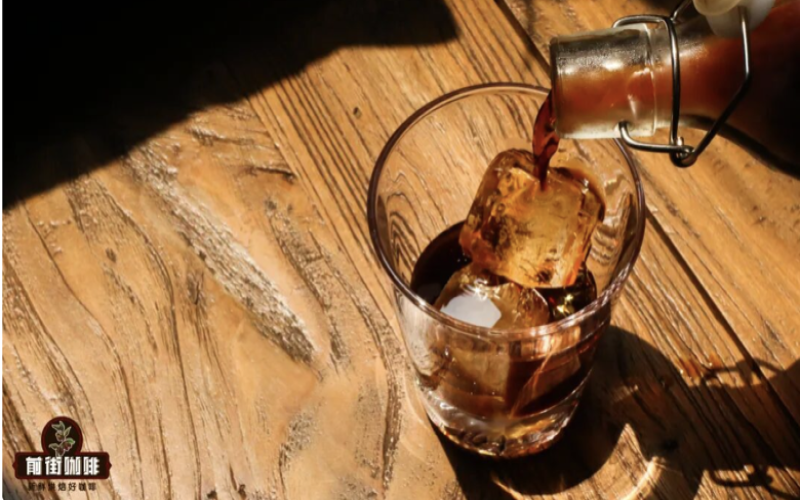
The Source of Sweetness in Cold Brew Beans: The Combination of Processing Method and Roast Level
The gentleness of cold brew lies in the low temperature: acidity is blunted, bitterness is weakened, and the bean's sweetness takes center stage. Cold-brewing Front Street Strawberry Candy, the sweet aroma of strawberry gummy candy soaks in the cold brew pitcher for over a dozen hours, yielding a pink fruit coffee with built-in sweetness; after cold brewing, the passion fruit notes of Sidra become much gentler in acidity, so even those who dislike acidity can enjoy it. [more…]
What Are the Fundamental Differences Between Coffee and Soy Milk? A Coffee Basics Guide from Plant Classification to Brewing Techniques
Coffee and soy milk are often compared with each other, but the two are actually completely different from plant source to production method. This article starts with botanical classification, sorting out the fundamental differences between the coffee tree and the soybean, then compares the water-grinding and filtration process of soy milk with the process coffee must go through—roasting, grinding, and brewing—and further explains the sources of coffee's four flavors: acidity, bitterness, sweetness, and body, as well as the significance of the oils on the coffee surface for espresso. The article also introduces the four common stages of coffee roasting, helping beginners build a systematic framework for understanding coffee, making it suitable for enthusiasts new to coffee and baristas as an introductory reference. [more…]

Peet's Summer New Drink Review: Why Bubble Matcha Double Yuzu Divides Opinions
In the scorching summer heat, Peet's Coffee launched a trio of sparkling double yuzu series new products in one go, among which the Sparkling Matcha Double Yuzu quickly went viral on social media thanks to its fresh gradient colors. However, this drink, described as a "concerto of tea and fruit," left many consumers stunned once they actually tasted it—the sweetness of tonic water, the bitterness of matcha, and the sourness of yuzu each went their own way under the stimulation of carbonation, even taking on a powdery texture. Even Peet's own employees admitted that this new product being "unpopular" was entirely expected. This article combines netizens' hands-on reviews and employee opinions to comprehensively analyze the flavor performance of this drink, and reviews the recent shifts in Peet's product strategy, for the reference of coffee enthusiasts. [more…]
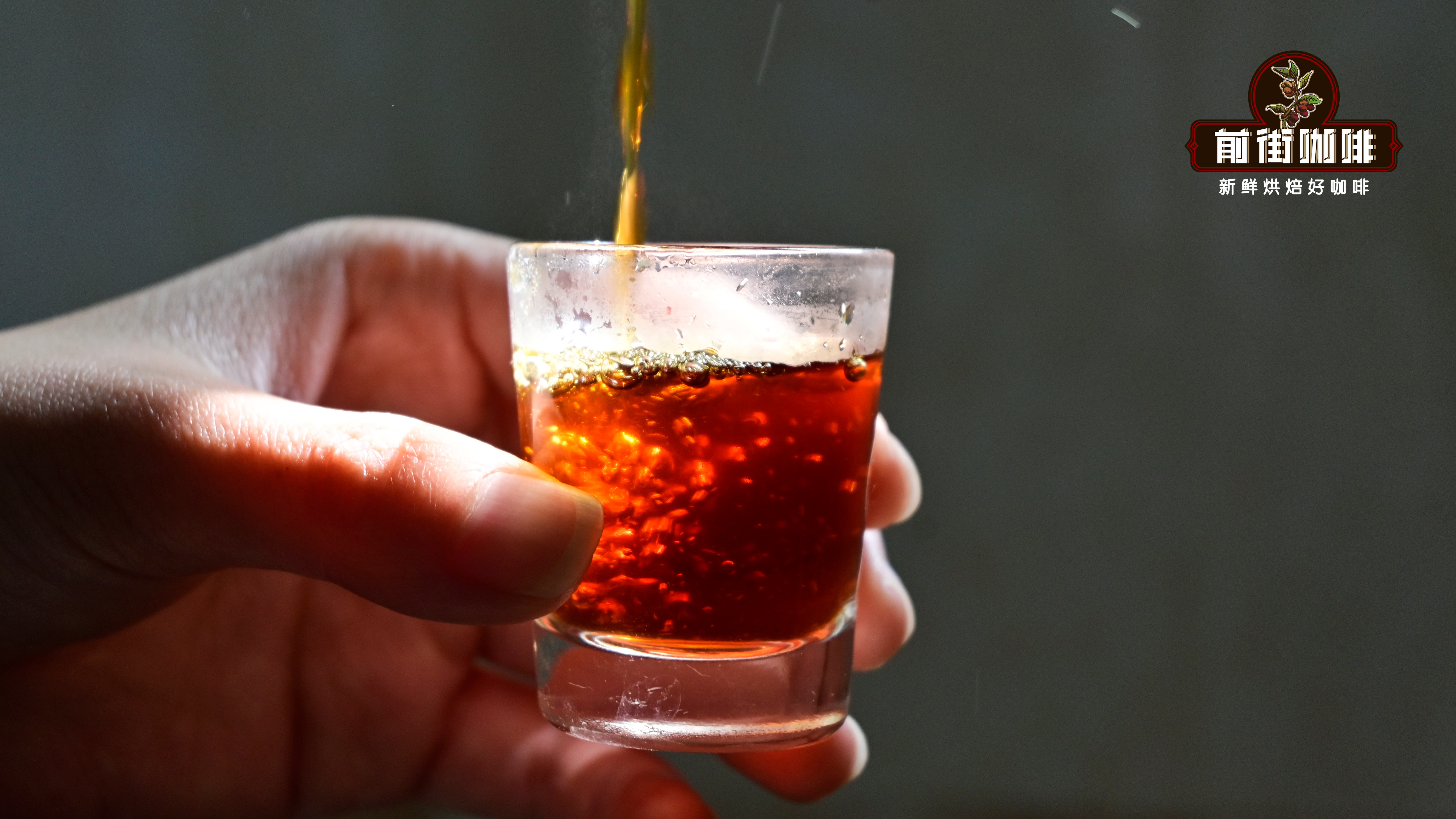
Where does the bitterness in medium-dark roasted coffee beans come from? And how should Mandheling and Blue Mountain be brewed to taste smooth?
The acidity in coffee comes from floral notes and fruit sugars, while the bitterness carries the deep notes of caramel, dark chocolate, and nuts—both determined by the degree of roast. After first crack, the longer the roasting continues, the more prominent the bitterness becomes. To brew a cup that is elegantly bitter with a rich, sweet finish, you need to fine-tune the grind, water temperature, coffee-to-water ratio, and pouring rhythm. Starting from the principles of roasting, this article explains the source of bitterness in medium-dark roasted coffee and provides brewing approaches and specific parameters for classic beans such as Mandheling and Blue Mountain, helping you avoid a deeply unpleasant bitterness and achieve a rich, smooth taste. [more…]
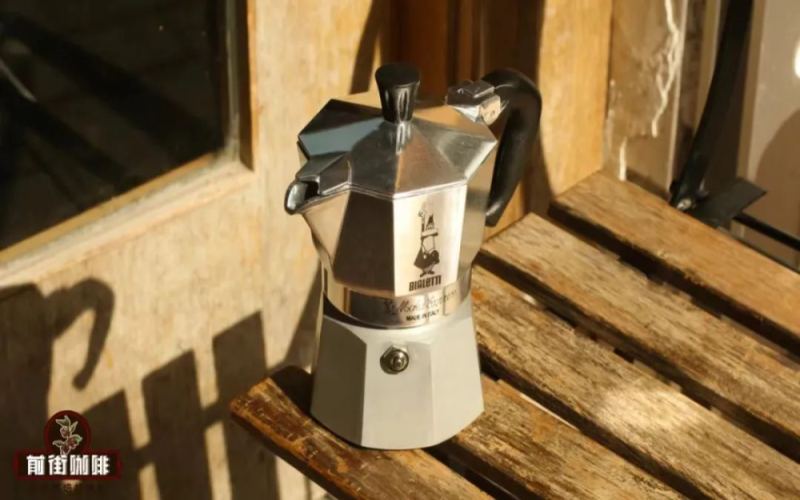
Why is Moka Pot Coffee Always Burnt and Bitter? Light or Dark Roast Beans—Which Is More Suitable?
Many coffee enthusiasts often encounter the problem of burnt and bitter coffee when using a moka pot, making it hard to achieve the ideal aroma and balance. In fact, this is mainly closely related to over-extraction, especially localized over-extraction. Based on the practical experience of Front Street Coffee, this article will provide an in-depth analysis of the causes of burnt and bitter moka pot coffee, and share a full set of solutions from coffee bean selection to specific operating parameters, helping you easily make a cup of moka pot coffee with full flavor and a rich, smooth taste. [more…]
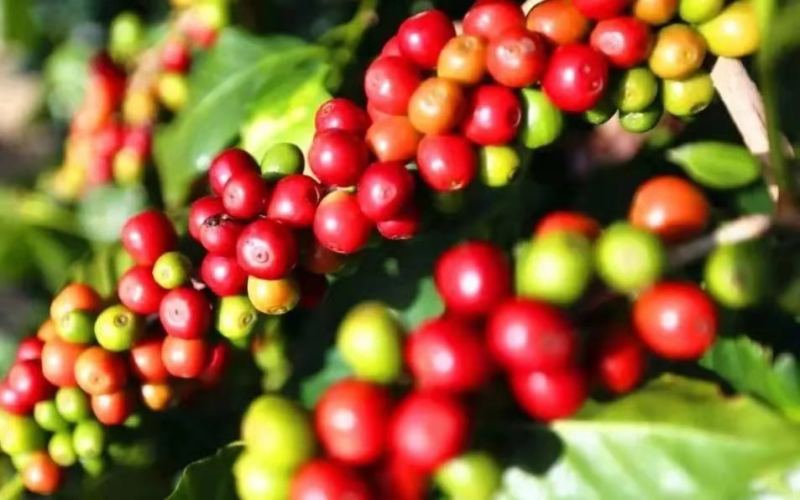
Analyzing the Characteristics of Robusta Coffee Beans: Is It Really So Bitter That It Makes People Shy Away?
In the specialty coffee wave, Arabica is often hailed as the premium choice, while Robusta frequently encounters prejudice. However, is this coffee variety, labeled as "bitter" and "cheap," truly worthless? This article will comprehensively analyze the true nature of Robusta coffee beans from multiple perspectives, including botanical characteristics, flavor composition, and commercial uses. You will discover that it is not only the soul source of espresso crema but also plays an irreplaceable role in blends. Front Street Coffee will also use its own blending experience to help you rediscover this "unsung hero" of the coffee world. [more…]
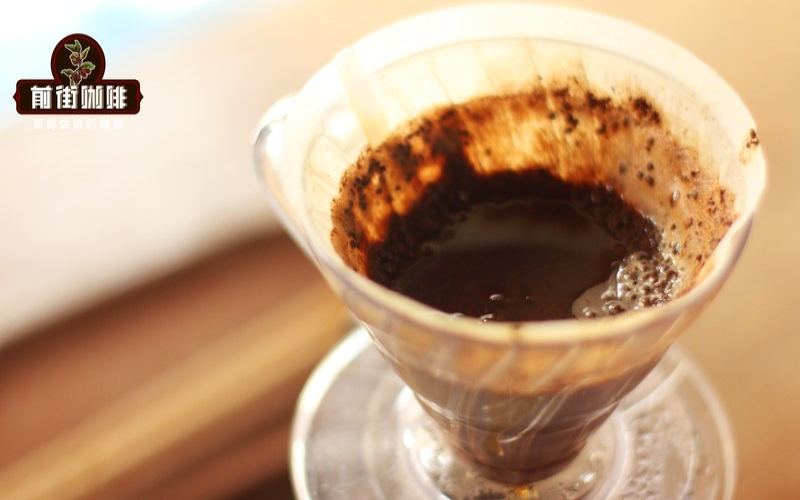
Identifying Authentic Yirgacheffe Coffee Beans by Roast Level
Yirgacheffe is not a fixed roast flavor, but the name of a representative production area in Ethiopia's Sidama region. A bean bag with real reference value will usually go on to specify the particular production area, processing method, variety, or lot information. When judging, you can first observe the roast level, then cross-check the flavors in the cup against the clues on the label. [more…]
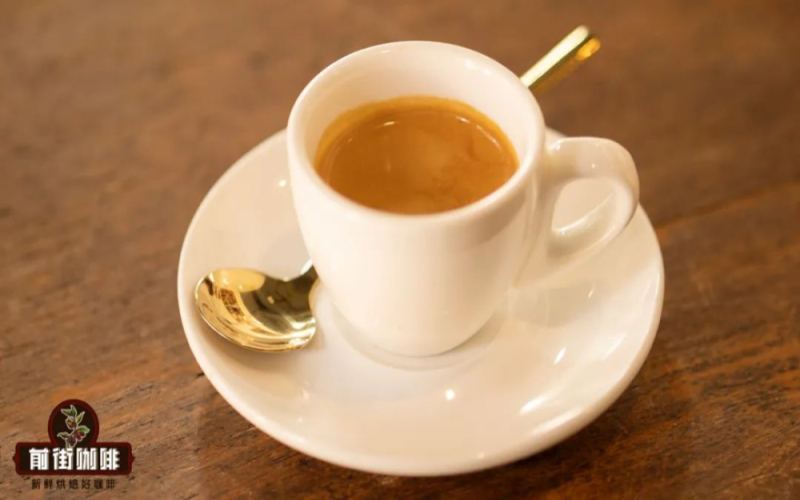
Why Does the Golden Crema on Espresso Taste Bitter? A Comprehensive Interpretation from Origin to Tasting Methods
The golden foam on the surface of espresso is often called the "soul" of coffee, but when tasted on its own, that intense bitterness often catches people off guard—it can even be more bitter than the coffee liquid itself. Japanese coffee researcher Nobuhiro Tanbe once pointed out that after removing the surface oils, the unpleasant flavors in espresso are greatly reduced; WBC champion James Hoffmann holds a similar view, believing that although crema is visually pleasing, it may not taste good on the palate. Front Street Coffee previously conducted a dedicated comparative experiment, confirming that the bitterness of Americano with the oils removed is indeed noticeably lower. That being the case, where exactly does the bitterness of this layer of oils come from? And why does it still keep so many enthusiasts coming back for more? This article will examine extraction principles, the causes of bitterness, and aroma, mouthfeel, and finish, among other dimensions, to help you reunderstand espresso's crema and offer better ideas for drinking it. [more…]

Manner's foil-wrapped hot coffee for insulation goes viral: thoughtful detail or excessive packaging?
When the December cold wind picks up, friends who order hot coffee delivery start worrying again: by the time it arrives, it's often just lukewarm, and drinking it is really not comforting enough. To preserve that warm sip, coffee shops are pulling out all the stops. Recently, netizens noticed that Manner's baristas wrap each hot delivery cup in shiny silver foil, as if adding a winter coat to the cup—a sight that is both surprising and a bit amusing. Some joked that spending ten yuan on a coffee actually gave them the feeling of being cherished. Is this layer of foil just for show, or can it really lock in the heat? Consumer feedback is almost unanimously one-sided: when peeling off the foil, the contents are shockingly hot, so much so that you have to turn on a fan to cool it down. In fact, this is not Manner's first year trying it out; it was already implemented last year. Behind heat preservation lies a common drinking principle: as temperature drops, acidity and bitterness become more pronounced. Is Manner's move just formalism or a scientific plus? Front Street is here to take you on a deep dive. [more…]
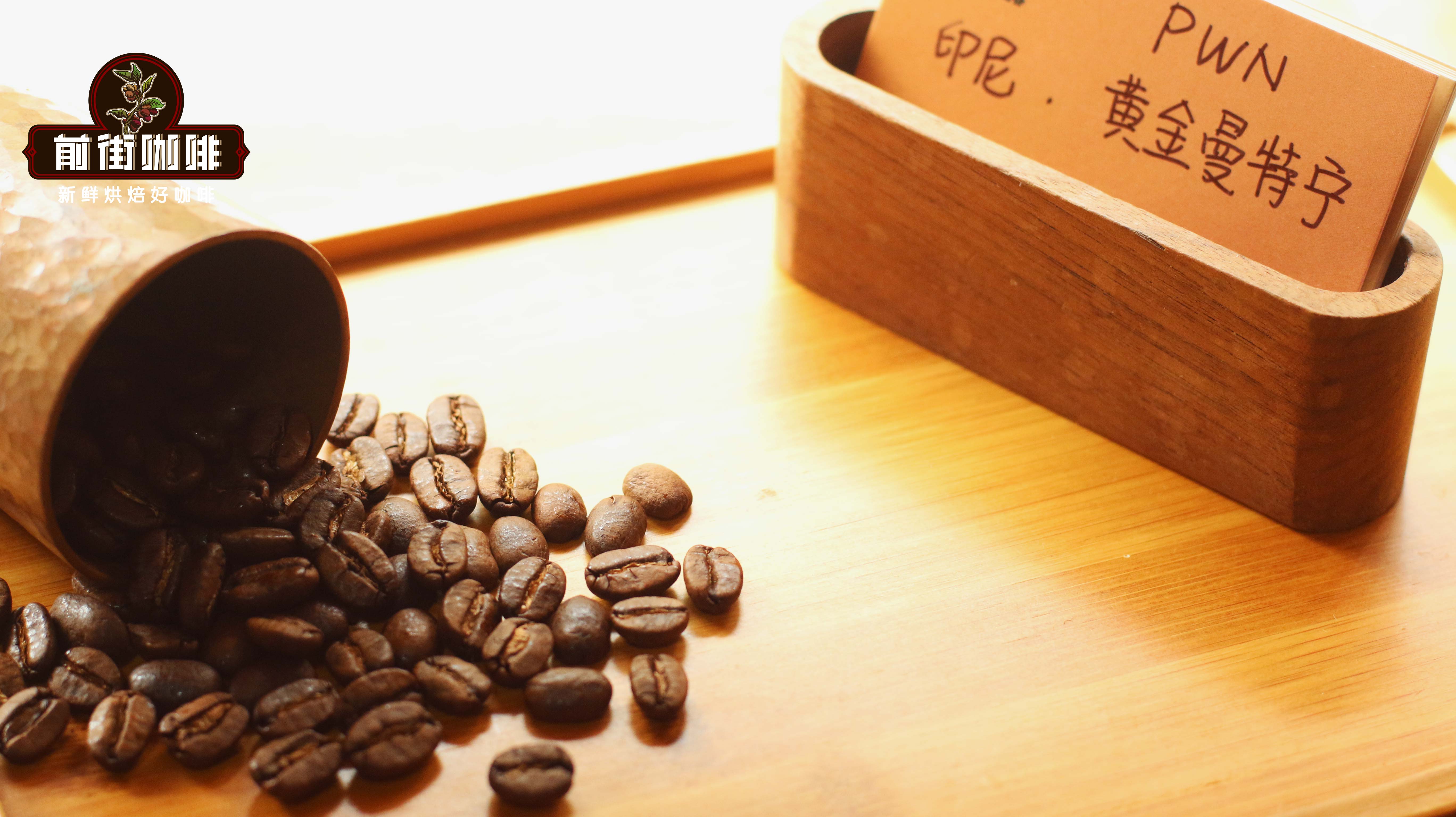
An Analysis of Sumatran Mandheling Pour-Over Techniques: The Source of the Unique, Rich Flavor of Dark-Roasted Golden Mandheling
Mandheling coffee is the iconic representative of Indonesian coffee, beloved for its full-bodied mouthfeel and unique herbal, woody agarwood notes. This article starts with Mandheling's origin background and the history of the wet-hulling process, analyzes the transformation of its flavor from high-acid green beans to full-bodied dark roast, and shares Front Street Coffee's Golden Mandheling pour-over recipe, including the reasons for choosing the KONO dripper, 88°C water temperature, 15 grams of coffee grounds, and a 1:15 coffee-to-water ratio and other specific parameters. Whether you are a beginner just getting to know Mandheling or an enthusiast looking to refine your brewing technique, you will find practical reference here. [more…]
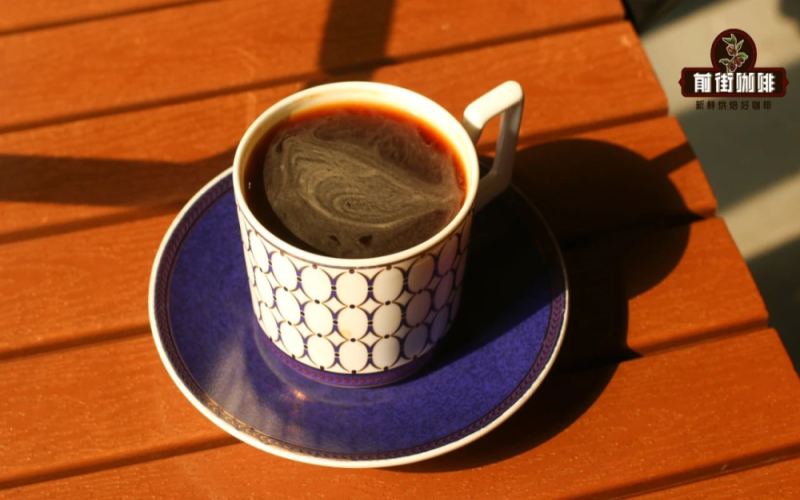
Why Does Americano Black Coffee Taste Sour? Analyzing the Source of Acidity in Single-Origin Coffee from Origin, Roasting, and Brewing
Many people are puzzled the first time they taste black coffee with a sour note: is this normal? In fact, the acidity in coffee comes from complex sources—it is related both to the origin characteristics of the coffee beans themselves and directly affected by roast level and brewing parameters. Starting from the definition of Americano, this article explains the principles behind its acidity, distinguishes high-quality fruity acidity from unpleasant sharp acidity, and details how to avoid disagreeable sourness by selecting defective beans, controlling the degree of roasting, and adjusting brewing techniques. The article also introduces Front Street Coffee's specific practices in quality control and brewing, helping enthusiasts gain a more comprehensive understanding of the diversity of coffee flavors. [more…]
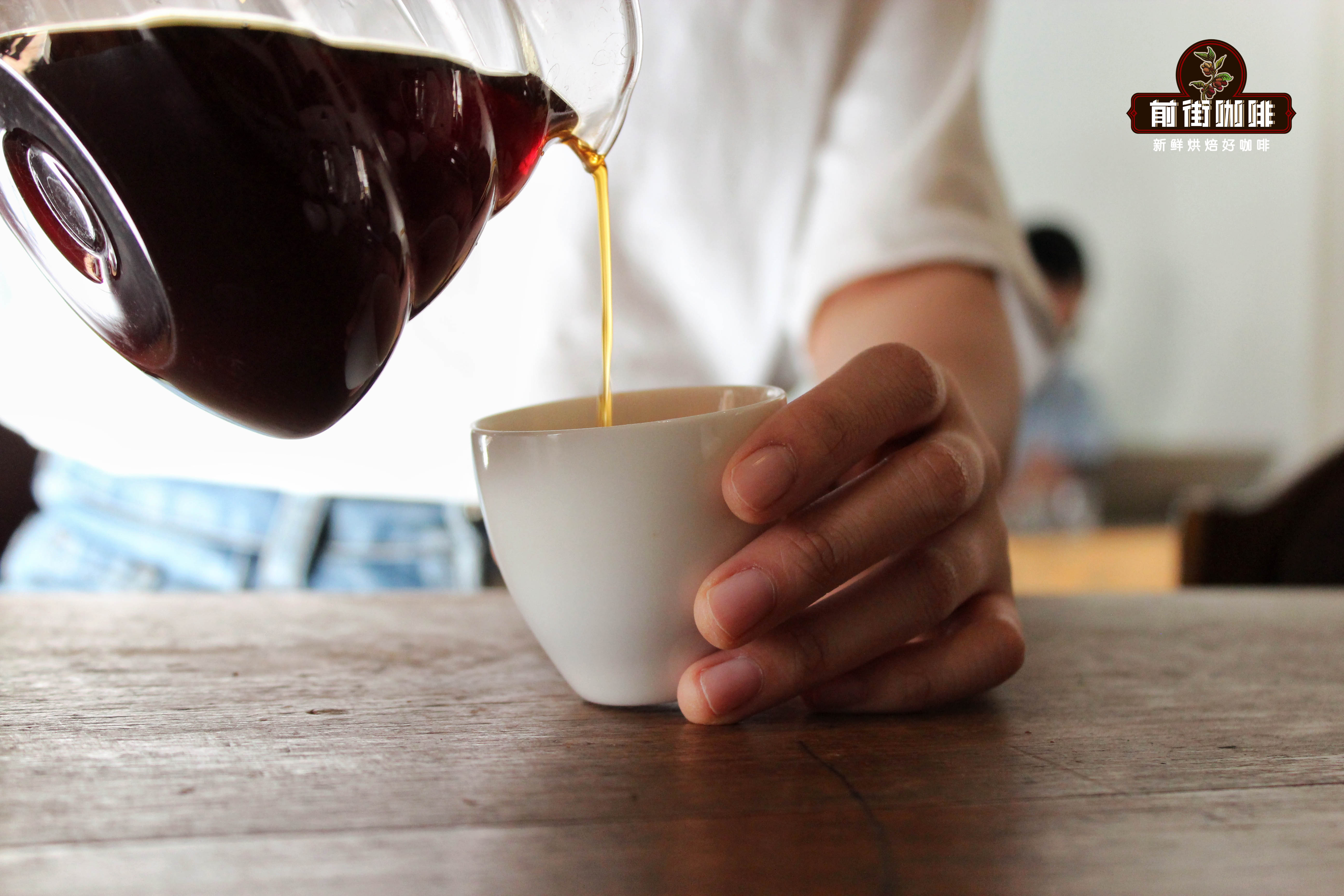
How should you drink light-to-medium roast Yirgacheffe? Front Street explains the flavor source and pour-over parameters in detail
Yirgacheffe is renowned for its bright and delicate floral and fruity aromas, making it the go-to choice for many coffee enthusiasts just getting started, and it suits brewing methods such as pour-over and cold drip. But many people find that when brewing at home, the aroma never seems as fragrant as in the shop, and the acidity isn't crisp enough either. This article, from the perspective of Front Street, explores the flavor development of medium-light roasted Yirgacheffe, the characteristics of the washed processing method, and the specific parameters and techniques of the V60 three-pour brewing method, helping readers understand how to consistently bring out the classic Yirgacheffe cup profile—an interweaving of citrus, lemon, berry, and floral notes—through water temperature, grind size, coffee-to-water ratio, and pouring rhythm. [more…]