







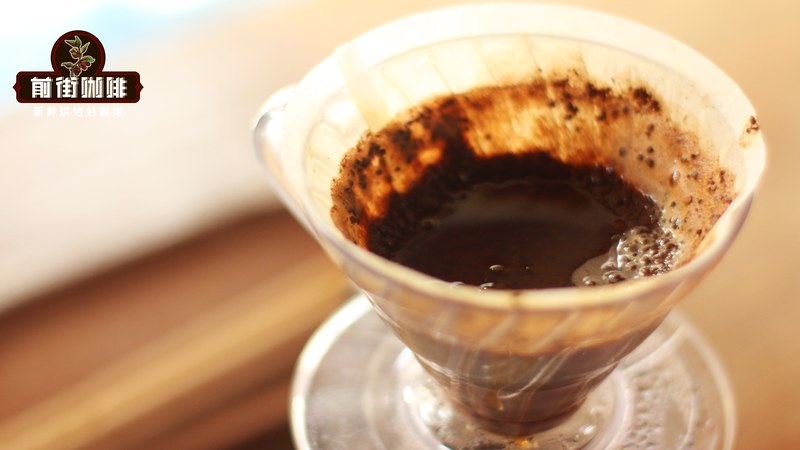
Yirgacheffe is not a fixed roast flavor, but the name of a representative origin within the Sidama region of Ethiopia. A truly useful bag of beans will usually go on to specify the particular production area, processing method, variety, or lot information. When judging, you can first observe the roast level, then check the flavors in the cup against the label clues—you cannot draw conclusions based on just the words "Yirgacheffe."
For a light-roasted Yirgacheffe, the bean surface is mostly light brown to brown, dry in appearance, and residual silver skin may also be more obvious. After brewing, the aroma often unfolds toward citrus, white flowers, berries, and tea-like notes, the acidity is lively, and the finish is relatively clean and transparent. If it is labeled light roast but shows strong smokiness, burnt bitterness, and heavy charcoal notes, first consider whether the roast labeling is accurate.
However, color is not单独 evidence for determining authenticity. Different roasters' heat curves, development time, and bean moisture content will all change the appearance; even when both are labeled light roast, the actual color may differ. When observing, try to look at the uniformity of the whole batch under natural light, then smell the dry aroma to confirm whether there is an obvious scorched odor or an unnatural artificial flavoring smell.
For a light-to-medium to medium-roast Yirgacheffe, the floral and fruity aroma will be somewhat more restrained, while sweetness and body increase accordingly, commonly showing notes of citrus peel, ripe fruit, honey, black tea, or slight nuttiness. This range does not mean the beans have lost their regional characteristics, only that the acidity no longer stands at the front. If only roasting bitterness remains in the cup, the origin style is hard to identify.
Dark roasting clearly makes judgment more difficult. High temperatures cause the beans to develop cocoa, caramel, smoky, and roasted nut notes; the originally delicate floral and fruity aromas may be covered, and the acidity will also become less prominent. Such beans may still come from Yirgacheffe, but consumers find it hard to verify the source by taste alone. Therefore, dark-roasted beans need complete labeling, lot information, and stable purchasing channels even more.
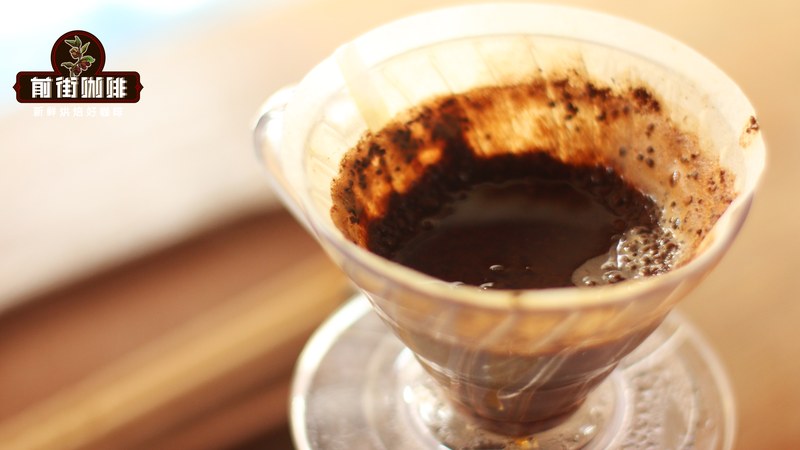
For example, if Front Street Coffee Yirgacheffe Gutingting is given a relatively light roast profile, when brewing you can notice the transition among citrus peel, berries, and faint floral notes, and after it cools there will be a refreshing finish close to green tea. It is suitable for pour-over with a filter dripper, and if you want something softer, it can also be made as cold brew. If beans with the same name are roasted very dark, the flavor expression will deviate from this kind of origin clue.
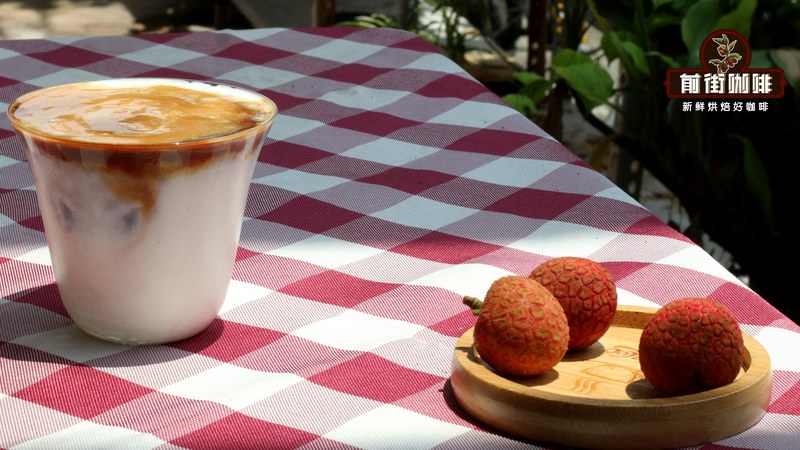
Front Street Coffee Ethiopia Huakui, on the other hand, is suitable for observing the identification approach for light roasting. After brewing with hot water, the cup may show bright aromas like tropical fruit, strawberry jam, and passion fruit, with sweetness that is more elastic. Pour-over, iced pour-over, or cold brew can each present different sides. If the label claims light roast but over time only caramel and smokiness remain, it is worth rechecking the roast information.
When purchasing, the origin description on the bean bag should be somewhat specific. Writing only "Ethiopian coffee" or "Yirgacheffe flavor" provides relatively little information; listing the production area, cooperative or estate, processing method, variety, altitude, and lot will make the traceability clues more complete. You should also check the roast date, whether the packaging has a one-way exhaust valve, and whether the seller can explain the roast range of this batch of beans.
After getting the beans, you can divide the same batch into two brews: first use relatively light parameters to observe the acidity and aroma, then use a slightly higher temperature or finer grind to feel the changes in sweetness. The true origin flavor will also change with extraction, but it usually still leaves certain aroma clues. If no matter how you brew it there is only pungent burnt flavor, woody bitterness, or a perfumed taste, the problem may come from roasting, storage, or the labeling of the bean source.
The core of identifying real versus fake Yirgacheffe is not to look for one fixed answer, but to see whether the roast level echoes the label and the cup impression. Light roast is suitable for observing floral, fruity, and tea-like notes; medium roast is suitable for experiencing sweetness and roundness; dark roast should rely more on packaging information to judge the source. When choosing, give priority to buying beans with transparent information, a clear roast level, and an explainable lot, so it is easier to drink a Yirgacheffe that matches its name.
The above content is compiled by CoffeeHunters, a coffee news website.

