







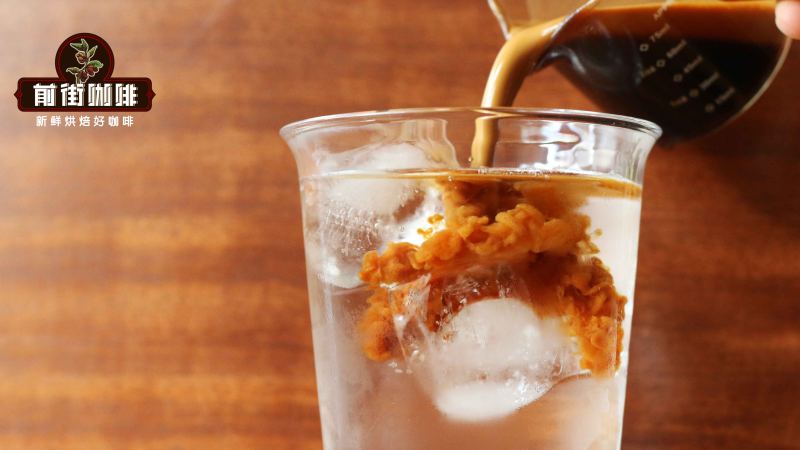
How does espresso shape an Americano or a latte?
Both drinks start with espresso, so its quality sets the final taste. An Americano is espresso plus hot water, and the water only dilutes, so the flavor and bitterness come straight from the shot. A latte adds steamed milk, which softens the coffee and shifts the focus toward milky sweetness and body.
Espresso is extracted with water near boiling forced through fine, evenly tamped grounds at about 9 bar, giving a concentrated cup with a strong mouthfeel. Dose, brew ratio, time, grind, and temperature all change the result. For an Americano, the cafe americano ratio of water to espresso decides how sharp or mild the drink tastes.
Americano and latte are the two most frequently ordered drinks in coffee shops—one refreshing, one rich and smooth—but they are actually built on the same foundation: espresso. The quality of the espresso directly determines whether an Americano or latte ultimately tastes good, and whether the bitterness is pleasant. From the perspective of Front Street, this article will first explain what Espresso is, how it is extracted, and how to drink it, then separately analyze the core differences between Americano and latte in composition, preparation, and flavor, and share Front Street stores' practical experience in blend bean selection and extraction parameters, helping coffee lovers understand the real reasons behind the differences between the two.
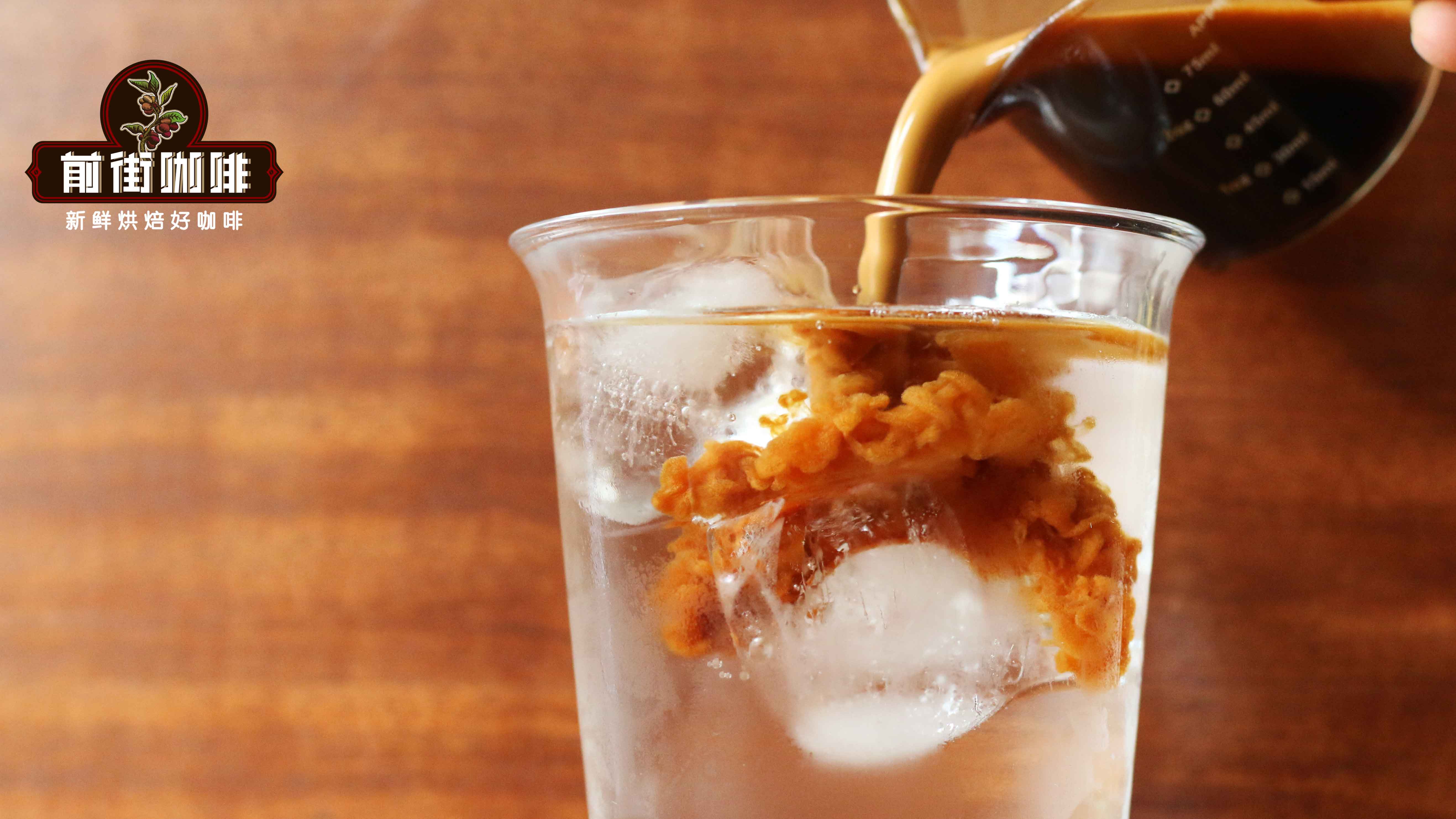
Americano and latte have long led sales in coffee shops. The former is a refreshing black coffee, while the latter is a milk coffee with a smooth mouthfeel and prominent milky aroma. The two may seem very different in style, yet they share the same foundation—espresso. For this reason, the final flavor direction of an Americano or latte largely depends on the performance of the espresso itself. Next, Front Street will explain the differences between these two coffees one by one from multiple angles.
Before discussing questions such as "What is the difference between Americano and latte," "Which is less bitter," and "Which tastes better, black coffee or milk coffee," Front Street thinks it is necessary to first understand: what exactly is espresso?
Espresso
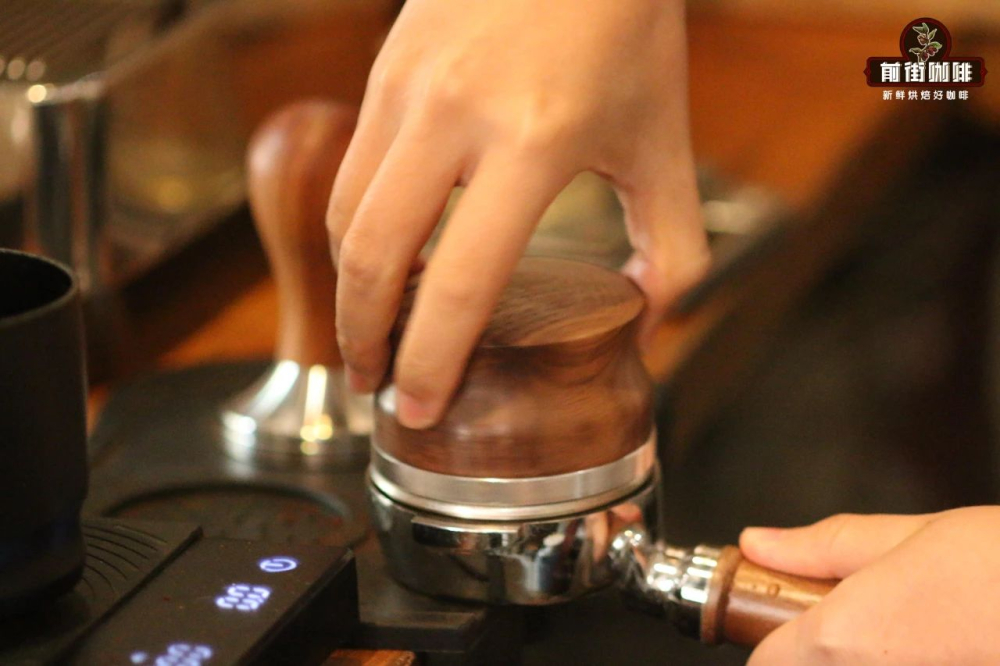
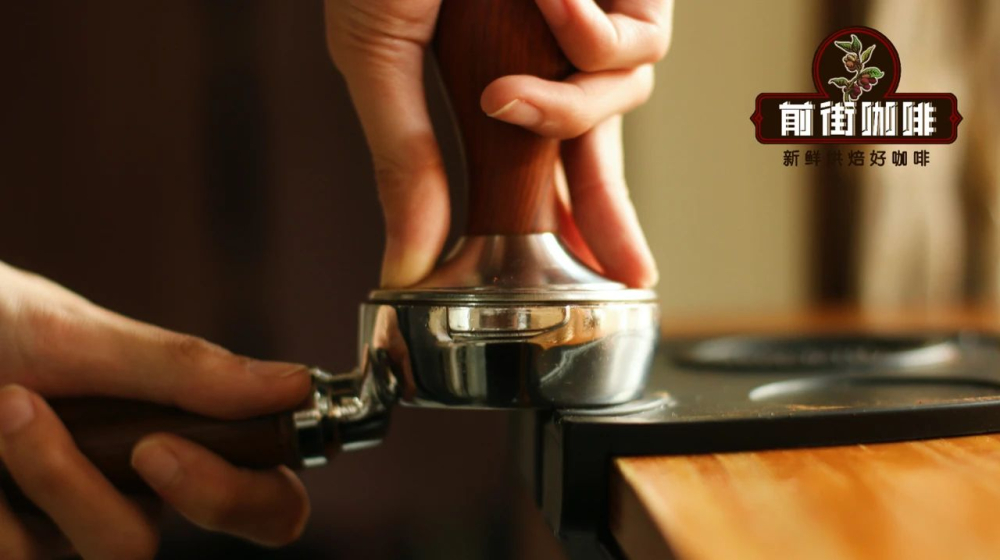
The English name for espresso is Espresso. It refers both to a coffee beverage and to an extraction method. When making espresso with an espresso machine, the dose, brew ratio, extraction time, grind size, water temperature, and pressure all affect the final result. The machine uses pressure close to nine atmospheres (9 BAR) to force nearly boiling hot water through finely ground and evenly tamped coffee grounds, resulting in a cup of coffee with high concentration and a strong mouthfeel.
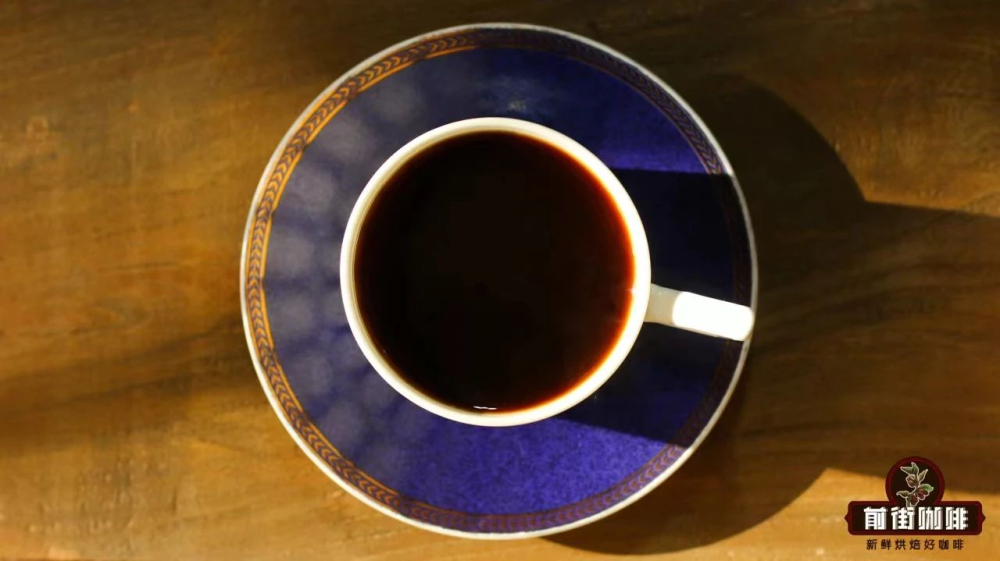
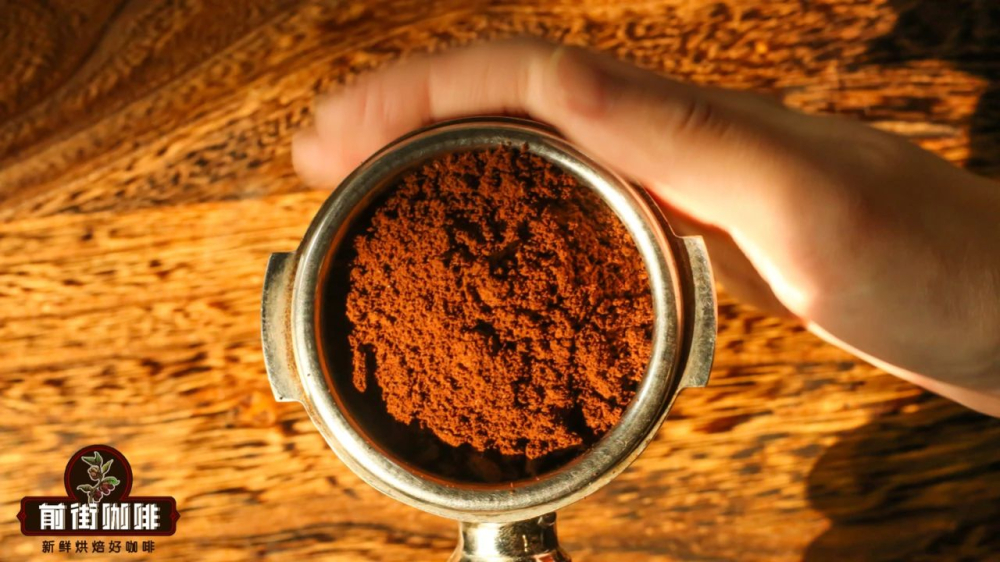
Espresso is often used to test coffee quality and a barista's skill.
It should be especially emphasized here:
Espresso
It is also the foundation of popular drinks such as Americano and latte. Today's common Americano is simply espresso plus water. Water itself has no flavor and only serves to dilute, so the flavor level still depends on the espresso, and the quality of the espresso mainly depends on the coffee beans and the extraction process.
Espresso is a very classic Italian coffee, rich in flavor and full of layers, capable of amplifying certain flavor characteristics of coffee. Drinking it slowly brings a different experience. It can be said that,
Espresso
As the base of many Italian coffees, if the espresso is not made well, other fancy Italian coffees are also unlikely to taste good.
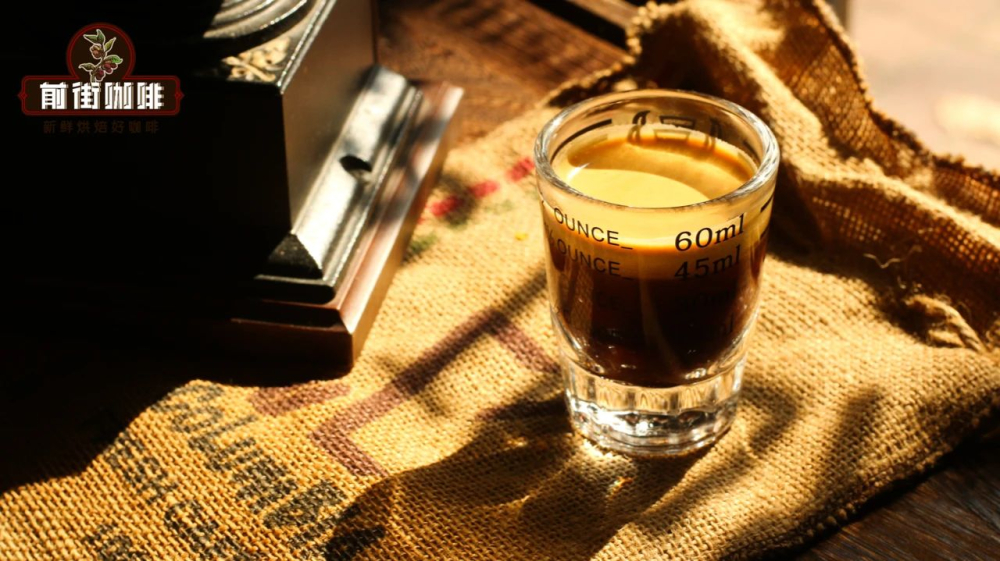
A single shot of espresso is about 30 ml in volume, a highly concentrated coffee extracted in an extremely short time, with a beautiful golden-brown layer of crema floating on the surface, delicate and rich in texture, looking very tempting. This layer of crema is usually called Crema. The aroma is mainly carried by the Crema, while the taste is borne by the extracted liquid.
Should you add sugar to Espresso?
Some people are used to adding sugar, while others do not add any at all. This varies from person to person. However, from a health perspective, FrontStreet Coffee still recommends adding as little as possible, or even none at all.
Traditionally, after Espresso is served, a small spoonful of white sugar is immediately added, and it is drunk while stirring; this makes the coffee's texture softer, the bitterness less prominent, and an appropriate acidity also emerges.
But if you are already a coffee lover, then it is well worth ordering an Espresso at a cafe. Why? Because you will discover that espresso made by an espresso machine is so rich, bringing you far more than bitterness—there may also be fruity acidity, floral notes, nuts, and even wine-like aromas.
Latte
Everyone is familiar with latte; it can be said to be a standard milk coffee at every coffee shop.
Unlike Americano, latte is a milk coffee. "Latte" means "milk" in Italian, so if you order a latte in Italy, what is brought to you will be a glass of milk without coffee. Corresponding to the Americano method of adding water to espresso, latte is made by adding milk or steamed milk to espresso, and the proportion of milk is larger, so the milk flavor is dominant, making it more like a glass of milk with coffee flavor.
However, making a delicious latte is not easy. Different coffee bean flavors, different richness of fresh milk, and different extraction parameters will all change the taste of the latte.
How to make a latte?
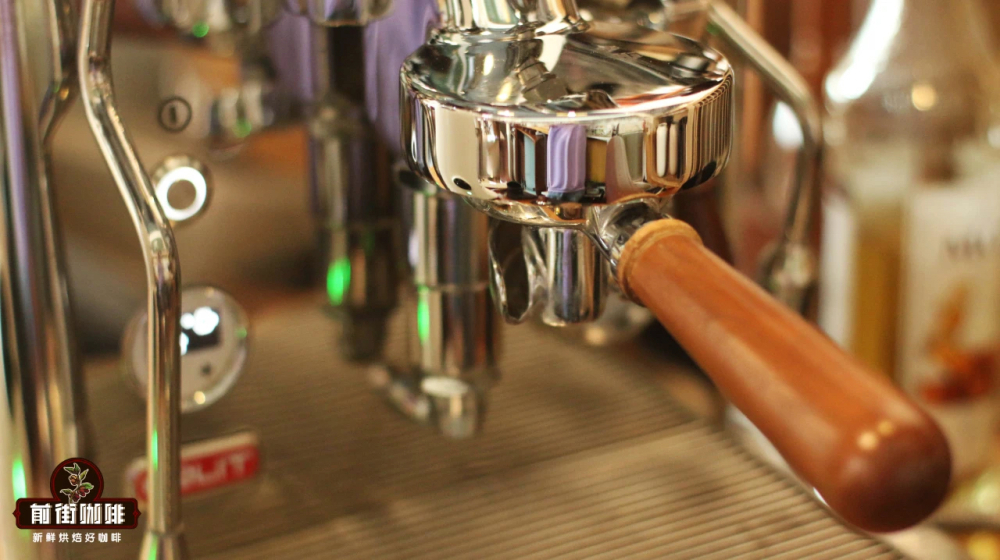
As mentioned earlier, latte consists of two parts: espresso and milk. Among them, hot latte requires adding steamed milk, which greatly tests the barista's steaming technique. Therefore, making a hot latte can be divided into three parts: the first step is extracting espresso, the second step is steaming milk, and the third step is combining the steamed milk with the espresso and doing latte art.
One of the beans used by FrontStreet Coffee stores is the Warm Sun Blend, composed of 60% sherry barrel coffee beans blended with 40% sun-dried Yirgacheffe. After repeated adjustments, it was finally determined to use 20 grams of coffee grounds to extract 40 grams of coffee liquid, with an extraction time of 28 seconds.
Front Street believes that choosing a suitable espresso blend bean is equally crucial. Blended coffee, also called mixed coffee, is made by mixing various single-origin coffee beans so that the strengths of different beans can be brought out. Blend beans are composed of coffee beans from different origins, with the aim of creating a more balanced taste.
At the same time, before blending, one must first understand coffee beans of different varieties around the world and their respective flavors. Beans show different characteristics due to different origins, and coffee beans of different varieties and origins have subtle differences in acidity, bitterness, sweetness, aroma, body, and other aspects.
To make espresso, here is a recommendation:
Specialty Blend Coffee Beans. This is an espresso coffee bean that has accompanied FrontStreet Coffee stores for many years. Until the end of 2019, FrontStreet Coffee stores had always used this bean as the espresso base. To blend a stable espresso bean, one needs to start with stable, high-yield coffee-producing countries, so when formulating this Specialty Blend, FrontStreet Coffee's roaster chose the two countries with the highest and most stable Arabica production in the world—Colombia and Brazil. The ratio is 60% Colombian blended with 40% Brazilian coffee beans. Washed Colombia brings soft fruity acidity and dark cocoa notes, while Brazilian beans provide a rich mouthfeel.
Therefore, when this espresso bean is made into espresso, it has a very obvious dark chocolate flavor, a solid and rich mouthfeel, and a nutty aftertaste. This espresso blend bean is balanced with a prominent dark chocolate taste, making it suitable for both black coffee and milk coffee, so FrontStreet Coffee chose it as a store offering for more than 6 years. Everyone can place orders and purchase on the Front Street Tmall flagship store or Front Street Taobao store.
For more specialty coffee knowledge, please follow: FrontStreet Coffee
The above content is compiled by CoffeeHunters, a coffee news website.


