







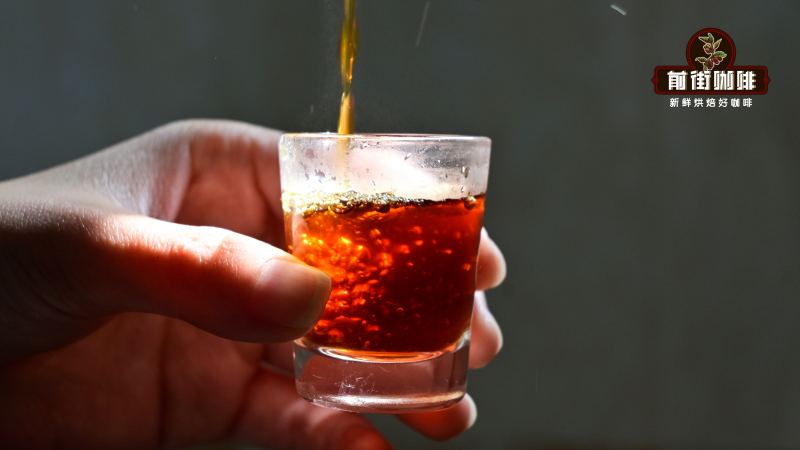
How Do You Brew Mandheling Coffee Without Harsh Bitterness?
Bitterness in medium-dark roasted beans comes from the roast, not the bean itself. After first crack, the longer roasting continues, the more caramel, dark chocolate, and nutty notes turn bitter. To keep a cup rich rather than harsh, adjust grind, water temperature, ratio, and pouring rhythm. Mandheling and Blue Mountain both handle this style well when the parameters stay moderate.
Water temperature is the first lever: 86 to 88 degrees Celsius softens the cup and dulls sharp bitterness. Grind slightly coarser than you would for an acidic roast. Blue Mountain coffee taste tends toward clean, mild sweetness, so it tolerates a gentler pour, while Mandheling's heavier body rewards a slower, steadier extraction and a finish that stays sweet.
The acidity in coffee comes from floral notes and fruit sugars, while the bitterness carries the deep flavors of caramel, dark chocolate, and nuts—both are determined by the roast level. After first crack, the longer the roasting continues, the more prominent the bitterness becomes. To brew a cup of coffee that is elegantly bitter, rich, and sweet in the finish, you need to fine-tune the grind, water temperature, coffee-to-water ratio, and pouring rhythm. This article starts from the principles of roasting, explains the source of bitterness in medium-dark roasted coffee, and provides brewing approaches and specific parameters for classic beans such as Mandheling and Blue Mountain, helping you avoid unforgettably harsh bitterness and achieve a rich, smooth taste.
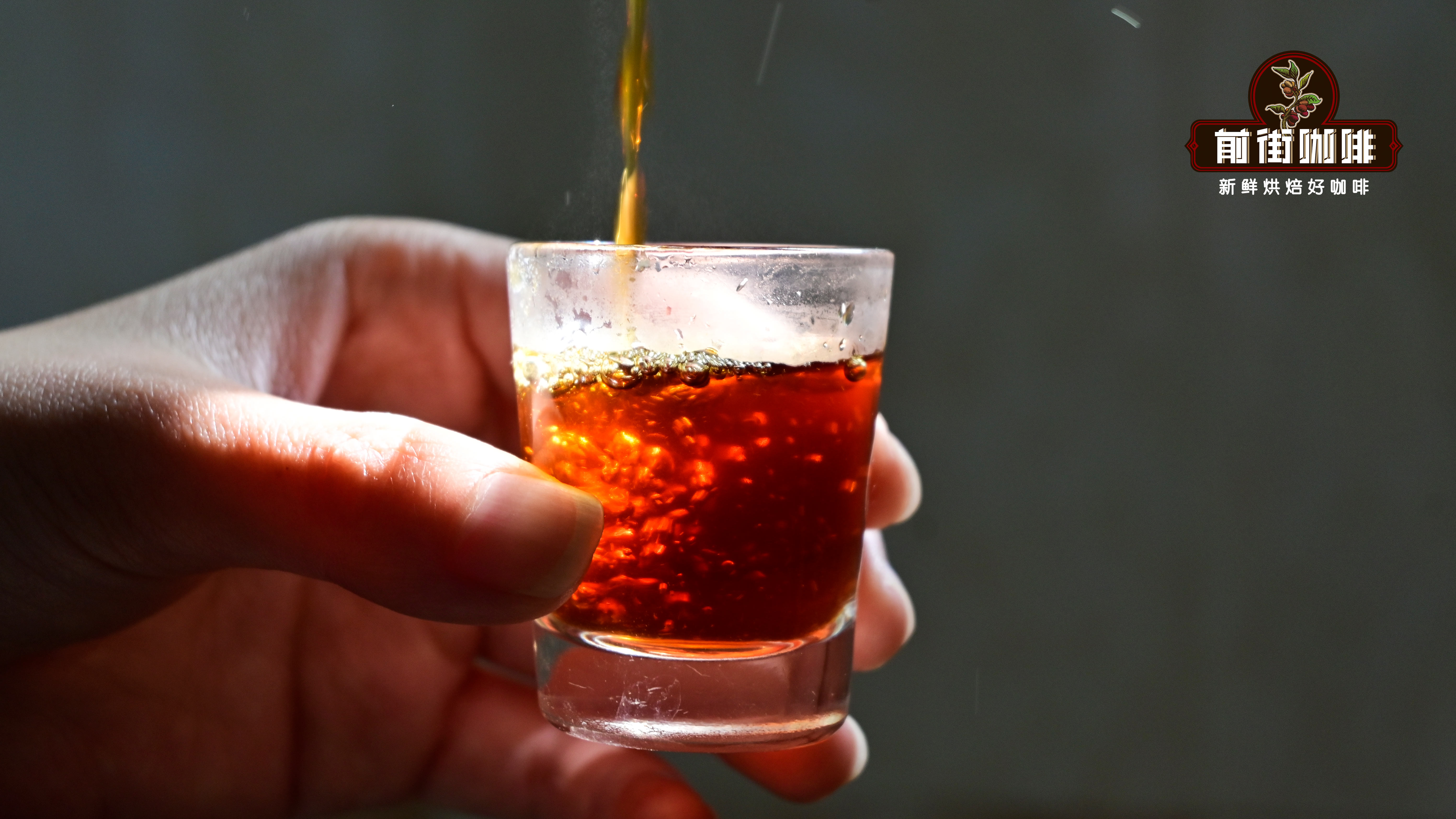
People who love acidic coffee are chasing the uplifting notes brought by floral aromas, fruits, and various sugars; but what can you taste in a coffee that is bitter on entry? Elders always say young people should endure more bitterness and suffer fewer setbacks, but there are really not many people willing to endure bitterness willingly. Yet in a cup of good bitter coffee, what you taste is actually the settled weight of life.
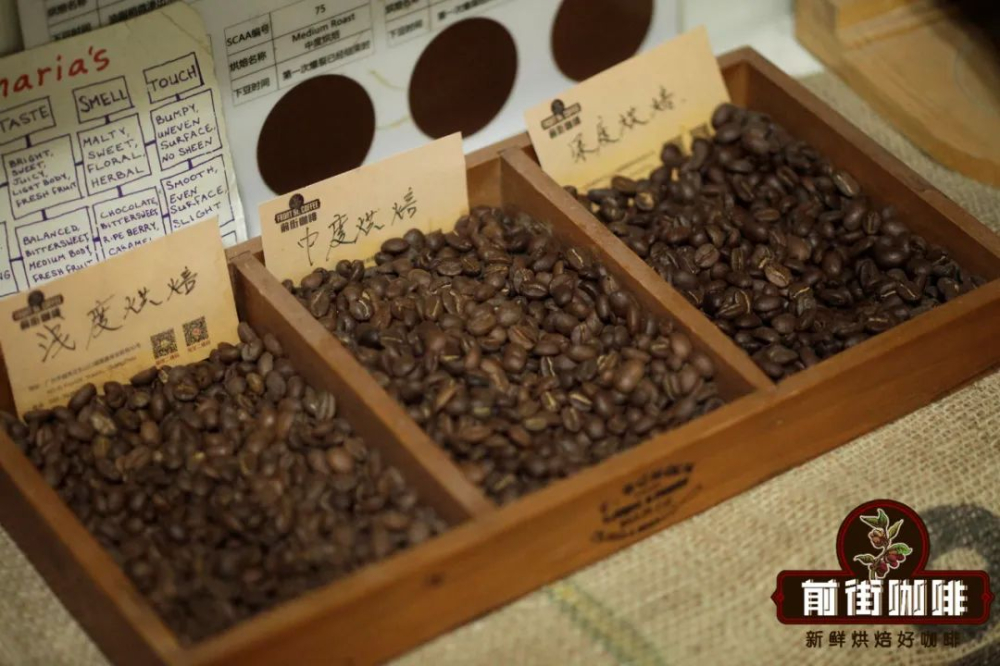
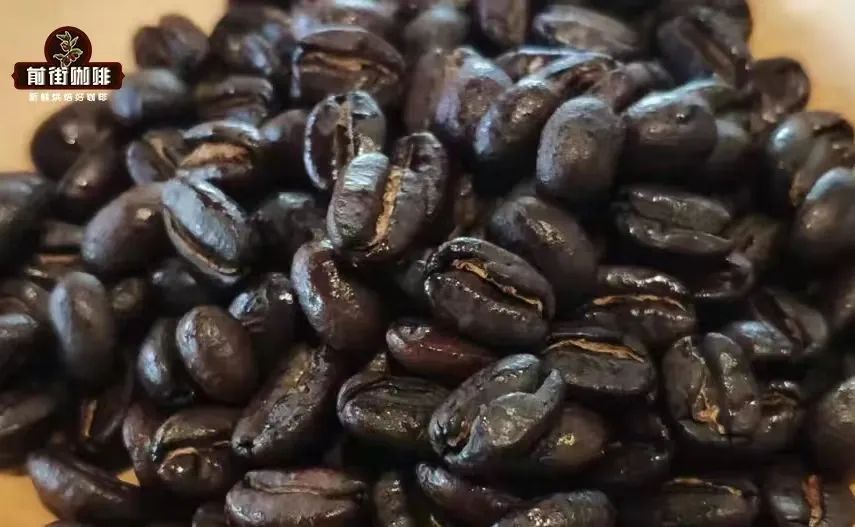
The acidity and bitterness of coffee have their roots in roasting. There is a stage in roasting called first crack. When coffee beans absorb heat to their limit and can no longer store energy, they release that heat by cracking—put simply, the beans are already cooked. If you take them out immediately at this point, the coffee will be on the acidic side; if you keep roasting after first crack, waiting until the crackling sounds become密集 before unloading, the acidity will be mixed with sweetness; if you keep delaying and wait until the sounds disappear completely, the coffee that comes out after that will be all bitterness, and the longer you delay, the heavier the bitterness.
Bitter coffee is not necessarily bad coffee. As Front Street Coffee says, a bitter coffee with proper roasting and brewing will carry thick caramel aromas, dark chocolate, and nutty notes—bitter first, then sweet in the finish, with a thick, smooth mouthfeel. Because of this, many people still prefer this taste and enjoy that gentle mellowness.
If you do not want to brew an unforgettably bitter cup, Front Street Coffee suggests not setting the parameters too aggressively: keep the water temperature at 86 to 88 degrees, which makes the coffee softer and the bitterness less sharp. The grind should be slightly coarser than for acidic coffee; using Front Street Coffee's method of calibration with a No. 20 sieve, take the setting corresponding to a 70% pass-through rate.
As for the coffee-to-water ratio, if you want to show flavor layers, you tend to add more water and lower the concentration so it is easier to sense a richer range of flavors. For example, when brewing floral and fruity acidic beans, 1:16 is commonly used. But for bitter coffee, a stronger ratio is preferred, making the flavors more concentrated so the bitterness does not spread too widely, while also improving the mouthfeel. Of course, too strong will also make people uncomfortable; Japanese-style coffee, famous for its rich, pure bitterness, mostly uses a ratio around 1:12. Front Street Coffee believes that between 1:13 and 1:15 makes it easier to present the flavor and mouthfeel of bitter coffee.
For dripper selection, Front Street Coffee recommends models with a slower flow rate, such as the Kono dripper and扇形 drippers. These kinds of devices make it easier to brew a thick mouthfeel and gentle flavors.
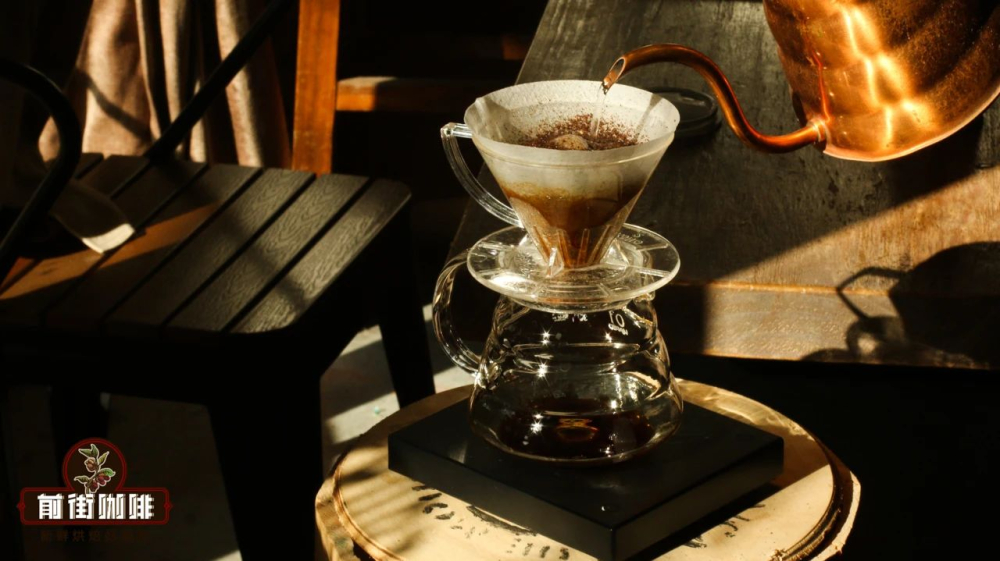
For pouring, if you want the extraction to be orderly and less likely to produce bitter, muddy flavors, you need to slow the rhythm and pour slowly and gently. Front Street Coffee suggests pouring in three stages: the first stage uses twice the weight of the coffee grounds in water for blooming, and the second and third stages split the remaining water evenly. For example, with 15 grams of grounds and a 1:15 ratio, for easier calculation it can be divided into 30/100/95 milliliters.
The above content is compiled by CoffeeHunters, a coffee news website.


