








Are Lattes Bitter? What the Hojicha Latte Debate Shows
Peet's Coffee released two hojicha drinks, the Hojicha Latte and the Lucky Hojicha Latte, and customers quickly split over them. The main complaints are the dark, paste-like color and a powdery mouthfeel with clear bitterness, and many question whether a price above thirty yuan is justified. So yes, a latte can taste bitter, depending on the tea or coffee base and how it is prepared.
Hojicha is roasted green tea, and roasting turns the leaves brown and deepens the color, so the ground powder looks darker than matcha. The latte name traces back to the Italian origin of latte, where coffee and milk were combined. Peet's matcha latte built the expectation that the new tea lattes would be smooth and mild, which is why the bitter, powdery result drew such strong feedback.
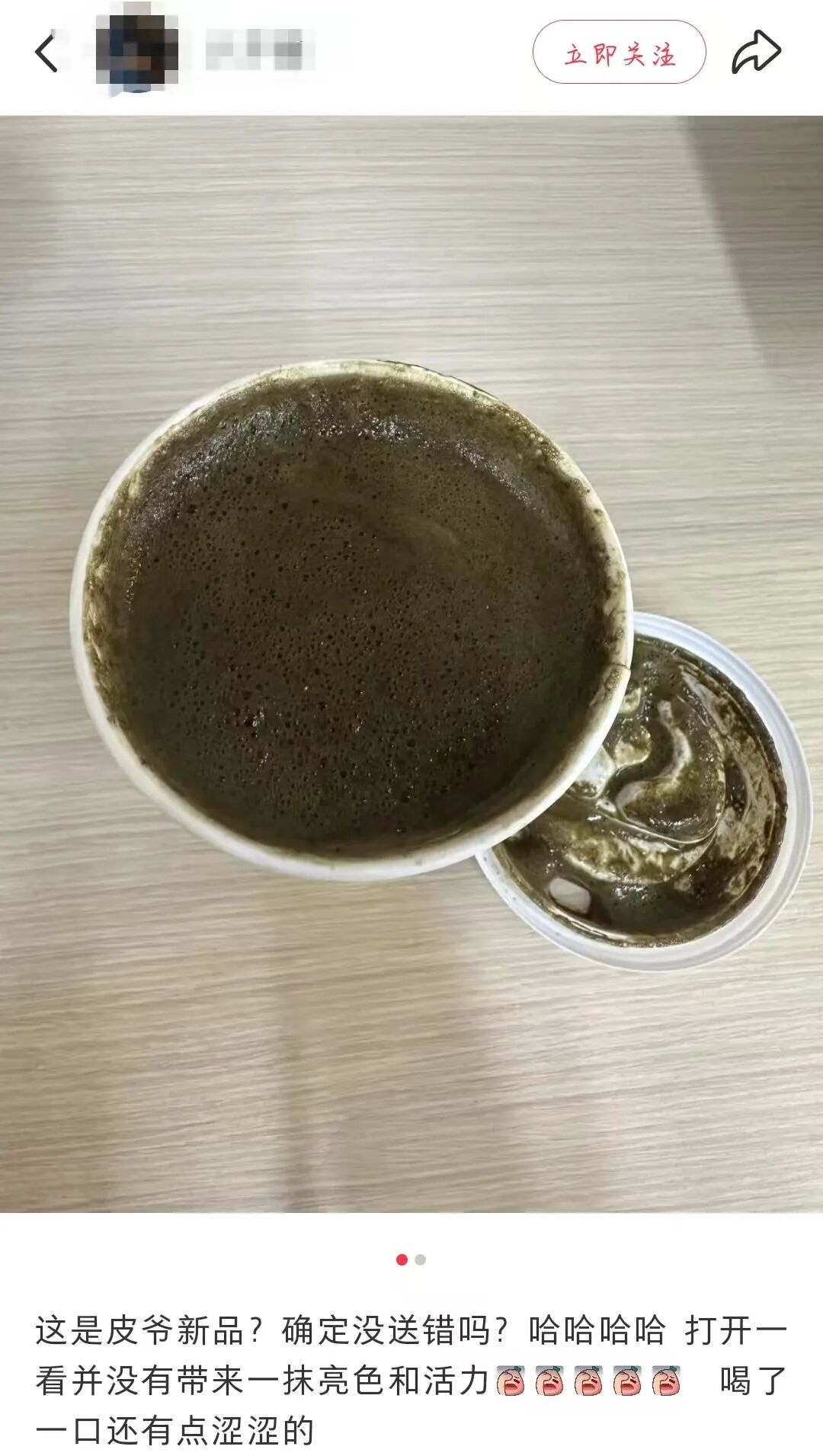
Peet's Coffee recently launched a new hojicha series—Hojicha Latte and Lucky Hojicha Latte. Originally expected to ride on the popularity of its matcha latte, the drinks instead sparked heated discussion among consumers over their appearance and taste. The dark, paste-like look was bluntly called a "turn-off" by some netizens, with the appearance making people lose their appetite as soon as the lid was opened; on the taste side, feedback also pointed to a heavy powdery mouthfeel and pronounced bitterness. Although some consumers familiar with hojicha production explained that the dark color is normal, the controversy still centered on whether the thirty-plus-yuan price tag matches the quality. This article compiles feedback from various sides and retains relevant recommendations from Front Street Coffee for coffee lovers' reference.
▲
Click to follow | Daily specialty coffee culture magazine Coffee Workshop
Recently, Peet's Coffee launched two new drinks in its hojicha series—Hojicha Latte and Lucky Hojicha Latte. According to the official description, the two products use basically the same ingredients, with the difference being that one presents an original hojicha style while the other has citrus-flavored syrup added.
For many loyal Peet's customers, the matcha latte has always been a signature beverage in stores and has long occupied a top spot on matcha lovers' recommendation lists. Precisely because of this, when they learned that Peet's had launched new tea lattes with names similar to the matcha latte, many matcha fans eagerly ordered them out of curiosity and anticipation.
However, after receiving the drinks, many people stared at the cup of tea latte with its rather dark color and admitted: although the aroma was passable, the appearance really failed to stir the appetite—one look was enough to kill any desire to drink it.
"It looks like that 'oligay' stuff," "I thought it was chive flower paste," "I was just about to order, but seeing this made me hesitate," "I don't want to try it at all." Some netizens said that when the delivery arrived, if you didn't lift the lid, nothing seemed off. But as soon as you opened the lid and saw that layer of paste-like dark liquid in the paper cup, it was indeed somewhat hard to accept such an indescribable appearance.
Just as a group of early tasters were complaining that this new product was enough to turn people off by its looks alone, users more familiar with hojicha spoke up to explain on the brand's behalf. Because hojicha has a special production process, the ground tea powder itself is darker in color, and once brewed into a drink, the hojicha latte naturally also takes on a dark green tone—"that's just how hojicha is."
Some netizens who had tried hojicha drinks from other brands also mentioned that hojicha beverages may not have the pleasing emerald green of a matcha latte in appearance, but in terms of flavor itself, in their view it is no inferior to matcha.
However, consumers who had already tried Peet's new product believed that this time the brand's hojicha latte was also hard to satisfy in terms of taste. Many customers reported that Peet's drink had a heavy powdery mouthfeel, with the bitterness of hojicha especially prominent, and that a bitter aftertaste lingered in the mouth after drinking. Even switching to the Lucky Hojicha Latte with citrus-flavored syrup added brought no obvious improvement in taste, leaving some matcha lovers greatly disappointed.
"I chose the orange flavor, but in the end there was neither tea flavor nor orange flavor—bland and tasteless, with a somewhat heavy powdery feel." "I can understand hojicha powder settling, but this is a bit too much." "Not good—it's all tea powder taste. And it makes your mouth feel astringent. A bit like cough syrup."
Some netizens compared Peet's hojicha latte with similar drinks from other chain brands, arguing that this new product priced at thirty-plus yuan is not good value for money and is also slightly inferior to its competitors in taste and mouthfeel.
Of course, every man has his hobbyhorse. Some netizens stopped repurchasing after one cup and went back to their beloved matcha latte; but others were won over by its unique flavor after trying it and suggested that the brand make this new product a permanent menu item, giving consumers who prefer a richer tea taste one more choice.
Image source: Xiaohongshu
Disclaimer: Some images in this article are from the internet. For some content on the website, such as images, we will respect the original author's copyright and indicate the source. However, due to the large quantity, a few images and texts may not have been credited in time; please forgive us. If the original author has any dispute, they may contact the website for handling, and once verified we will correct it immediately. Compiled and edited by "Coffee Workshop." Please indicate the source when reposting. If there is any infringement, please inform us for deletion. Thank you~!
The above content is compiled by CoffeeHunters, a coffee news website.


