







Search Results for: Single-Origin vs. Blended Beans
Single-Origin vs. Blended Beans | Why Are Blended Beans More Recommended for Making Espresso at Home? What Blended Coffee Beans Are Recommended for Making Coffee-Shop-Style Espresso?
Another meaning of specialty coffee is single-origin coffee, which refers to coffee beans from the same region that have distinct regional characteristics—for example, Ethiopian coffee has floral and fruity notes, Colombian coffee has chocolate notes, and Indonesian coffee has herbal notes… This is the influence of terroir. So when drinking pour-over coffee, one tends to choose beans from a single [more…]
Blend vs. Single-Origin Coffee Beans: Can Espresso Blends Be Used for Pour-Over?
Many coffee enthusiasts are skeptical of blended beans, believing they are less pure than single-origin beans. In reality, blended coffee beans are not a product of compromised quality, but rather a clever approach that combines multiple beans to achieve cost control, flavor consistency, and enhanced layers of taste. From the perspective of Front Street, this article clarifies the essential differences between single-origin beans and blended beans, explains that blended beans are suitable not only for espresso but also for pour-over, moka pot, and other brewing methods, and specifically introduces two products—Front Street Classic Blend and Front Street Strawberry Candy · Geisha Blend—demonstrating how blending can achieve an effect where 1+1 is greater than 2. [more…]
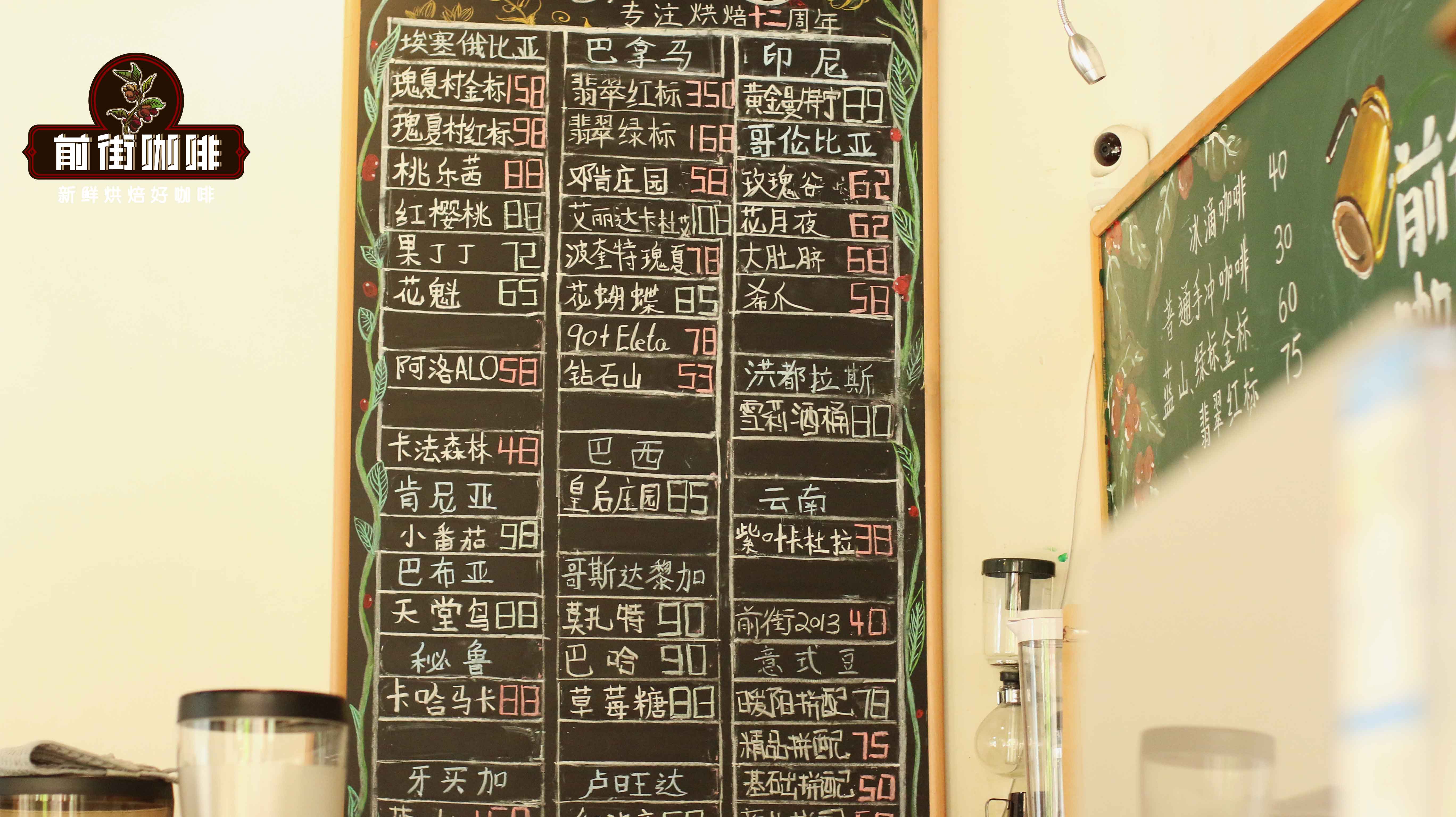
Blended Beans vs Single-Origin Beans | Why Is Espresso Mostly Made with Blended Coffee Beans? Which High-Quality Espresso Beans Should Beginners Start With to Avoid Pitfalls?
Blended coffee and pour-over single-origin coffee are the two most common industry terms, referring to different types of coffee beans. Blended coffee is a recipe that combines coffee beans from two or more origins, usually used for espresso machines, so in order to highlight the crema and body, medium or dark roasting is generally used, allowing [more…]
Single-Origin Espresso vs. Blended Coffee: How to Choose? Recommended List of SOE Specialty Beans for Moka Pots
In the coffee world, the debate over whether SOE or blended coffee is better has always been a hot topic. SOE stands for Single Origin Espresso, which refers to espresso extracted from coffee beans of a single origin. Its biggest difference from blended beans lies in its more precise flavor direction, allowing people to intuitively experience the signature taste of a specific origin. However, SOE is also more demanding in terms of bean quality and roast level, especially when using a moka pot—one wrong choice of beans can easily lead to a disaster. This article will start with the concept of SOE, discuss whether making single-origin espresso with a moka pot actually counts as SOE, and focus on sharing several medium-to-dark roast SOE beans from Front Street Coffee that are suitable for moka pots, helping you find the cup that suits you best. [more…]

SOE vs. Dirty Coffee Explained: A Comprehensive Guide to Single-Origin vs. Blend Differences and the Best Beans for Dirty Coffee
SOE and Dirty remain popular in the coffee world, but their meanings, characteristics, and why they are called a perfect match still leave many enthusiasts curious. This article will start with the concepts, explaining the essence of SOE (Single Origin Espresso) and Dirty (a layered espresso milk coffee), comparing the differences in flavor presentation between single-origin and blended coffee beans, and explaining why Dirty is more tolerant of coffee bean selection. The article also specifically recommends three Front Street single-origin beans—Yirgacheffe Gotingding, Fenhuaijie Manor Xizhua, and PWN Golden Mandheling—and includes specific extraction parameters and tasting experiences to help you make a cup of well-layered SOE Dirty at home. [more…]
A Comprehensive Guide to SOE Coffee: Single-Origin vs. Blend Differences, Price Comparison, and Key Brewing Points
When ordering at a café, the barista often asks, "Would you like SOE or a blend?" leaving many people puzzled. SOE stands for Single Origin Espresso, which refers to espresso extracted from coffee beans of a single origin. How exactly does it differ from traditional blended espresso? Is it more expensive? Is it necessarily better tasting? This article, from the perspective of Front Street Coffee, sorts out the origins of SOE and the background of its rise to popularity, compares the differences between single-origin and blended coffee in terms of flavor stability and cost, explains why not all single-origin beans are suitable for making SOE, and recommends three Front Street Coffee beans suitable for making SOE, helping you understand and choose more clearly. [more…]
SOE Single-Origin Espresso vs. Espresso Blend Beans: Which Is Better? A Comprehensive Analysis from Definitions to Front Street Coffee Bean Selection Advice
Since the rise of specialty coffee in China, the debate over whether espresso should use single-origin beans or blended beans has never ceased. The SOE camp emphasizes the pure quality of single-origin specialty beans, while the blend camp values the balance and crema performance brought by blending multiple origins. This article will start with the full name and origin of SOE, review the historical milestone of James Hoffmann winning the 2007 WBC with single-origin beans, analyze why blended beans were once stigmatized, and explain the pros and cons of each. At the same time, drawing on the views of Front Street Coffee, it offers selection advice for coffee shops and home users, and finally includes specific flavor information for Front Street's recommended SOE coffee beans and three espresso blends, helping readers build a more complete understanding. [more…]
Single-Origin vs. Espresso Blend Beans: Can Blends Handle Pour-Over?
In today's world of increasingly popular specialty coffee, single-origin beans and blended beans each play an important role. The former is often used for pour-over, showcasing the terroir of its region; the latter is mostly used for espresso, pursuing stability and balance. But can blended beans really not be used for pour-over? And is it feasible to use single-origin beans for espresso? This article will, from the perspective of Front Street Coffee, deeply analyze the essential differences between the two, answer the feasibility of using blended beans for pour-over, and at the same time emphasize the importance of coffee bean freshness. Whether you are a pour-over enthusiast or an espresso player, you can gain practical ideas for choosing beans and brewing from it. [more…]
SOE Single-Origin Espresso vs. Blended Espresso: Brewing Parameters, Flavor Profile, and Preparation Explained
In specialty coffee drinks, espresso is the foundation that determines flavor. In recent years, SOE (Single Origin Espresso) made from single-origin coffee beans has gradually become popular. It differs noticeably from traditional blended espresso in bean selection, roast level, extraction parameters, and flavor expression. This article will start from the definition of SOE, compare the characteristics of blended coffee beans, analyze why SOE has become popular, and use the washed Front Street Gedingding beans from Ethiopia's Yirgacheffe region as an example to fully demonstrate the production process and extraction parameters of a cup of SOE espresso, while also providing a flavor description to help coffee enthusiasts fully understand this brewing method. [more…]
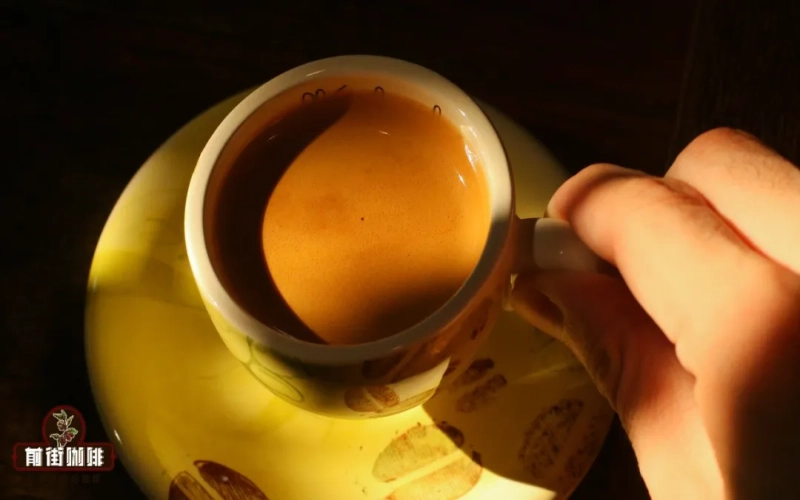
How to Choose Espresso Beans? An Analysis of Single-Origin vs. Blends and Front Street Coffee Recommendations
Step into a specialty coffee shop, and the beans on the menu usually fall into two major camps: single-origin and blended. What exactly is the difference between them? Single-origin emphasizes traceable regional flavors, while blends achieve balanced taste by mixing beans from different regions. This article will systematically sort out the differences between the two, from definitions and characteristics to suitable scenarios, and for espresso needs, recommend several products such as Front Street Coffee's Classic Blend, Specialty Blend, and Dark Cocoa Base Blend, helping coffee enthusiasts, while learning the knowledge, find beans suitable for making espresso and latte art at home. [more…]
What coffee beans should you choose for espresso? Single-origin vs. blend differences, SOE key points, and Front Street recommendations
In the world of espresso, the choice of coffee beans often determines the foundation of a cup. The coffee beans commonly found on the market are broadly divided into two categories: single-origin and blends. The former emphasizes the terroir and character of a specific origin, while the latter pursues stability and balance of flavor. Many people wonder: can single-origin beans used for pour-over be used directly to make espresso? And can blend beans be used for pour-over? From the perspective of Front Street Coffee, this article sorts out the differences between single-origin beans and blend beans, the impact of freshness on flavor, and the considerations in bean selection and roasting for SOE, while also sharing the flavors of specific products such as Front Street Sunshine Blend, to help coffee lovers clarify their thinking and find the bean that suits their own espresso recipe. [more…]
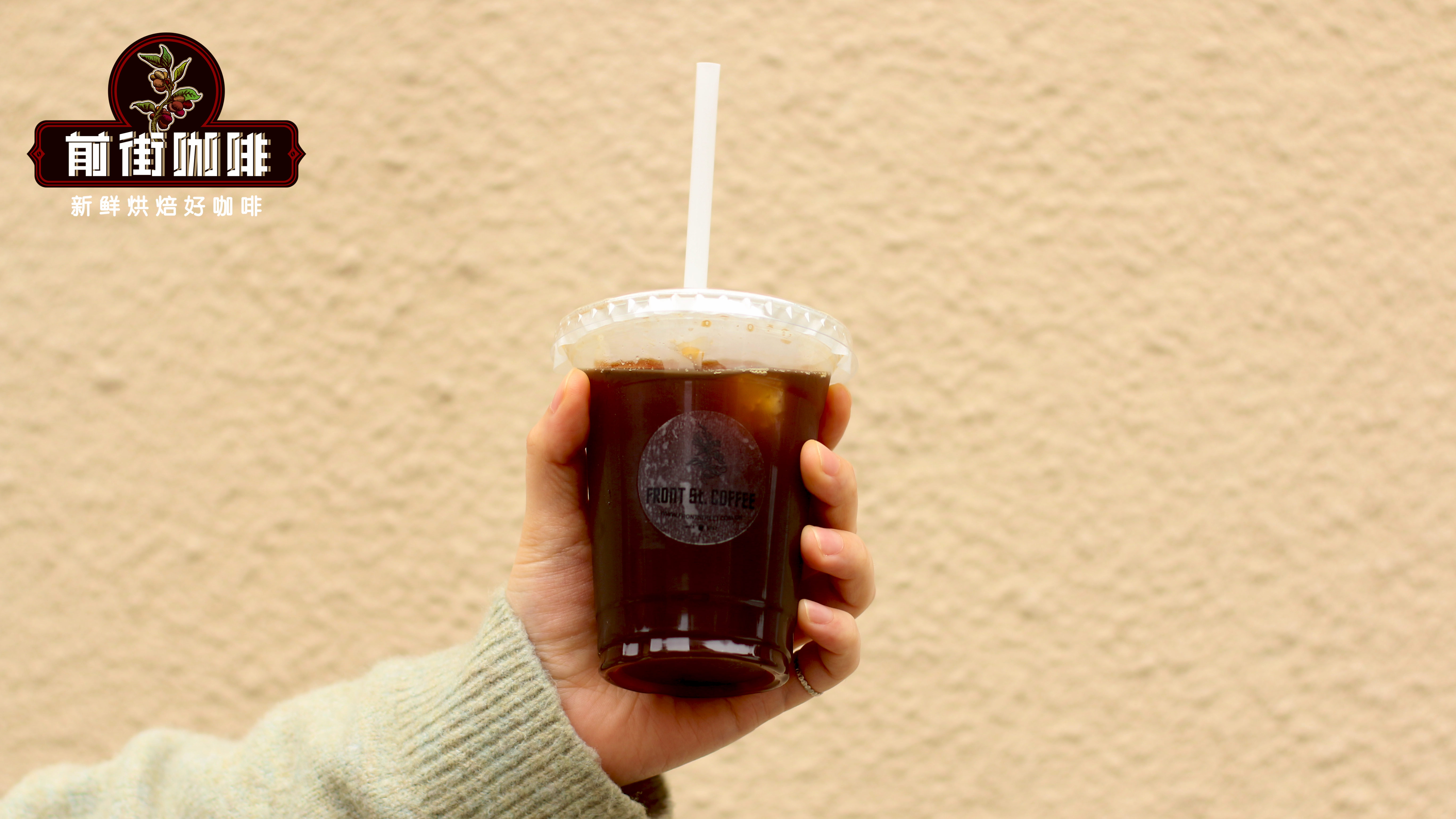
Iced Americano Coffee Brewing Guide: A Breakdown of Blend vs. Single-Origin Bean Choices and Extraction Techniques
As the weather gradually turns cooler, many regions remain hot, and iced Americano is still the top choice for many coffee lovers to beat the heat. Front Street Coffee's Americano is highly favored for its unique subtle wine-like aroma. This article will detail how to make iced Americano, explore the differences between using blended coffee beans and single-origin coffee beans (SOE), and share Front Street Coffee's espresso extraction parameters and iced Americano preparation steps. At the same time, the article will also provide practical tips for making SOE Americano, helping you easily make a cup of iced Americano with stable flavor and a refreshing taste at home. [more…]

COE Cup of Excellence vs. SOE Single-Origin Espresso: A Coffee Guide from Green Bean Competitions to Espresso Extraction
In the world of specialty coffee, the two English abbreviations COE and SOE often confuse enthusiasts—they appear similar but actually point to completely different domains. COE stands for Cup of Excellence, the world's most authoritative specialty green coffee competition, first held by the Alliance for Coffee Excellence in Brazil in 1999 and since expanded to Colombia, Guatemala, Panama, and many other producing countries. SOE, on the other hand, is short for Single Origin Espresso, referring to espresso made from single-origin coffee beans. This article will systematically sort out the essential differences between the two from the perspectives of competition systems, judging procedures, and extraction characteristics, and explore the common question of whether SOE is necessarily superior to blended espresso. [more…]
Single-Origin vs. Blended Beans: What Really Sets Specialty Coffee Apart from Commercial Coffee, and Why Pour-Over Costs More Than Espresso
When ordering at a café, many people wonder: why does a pour-over always cost noticeably more than an espresso, even though both are just a cup of coffee? Behind this lies a difference on three levels: coffee bean grade, sourcing cost, and labor time. This article, from the perspective of Front Street, sorts out the essential differences between single-origin beans and blend beans, analyzes the positioning divide between specialty coffee and commercial coffee, and explains one by one the key factors affecting the pricing of pour-over and espresso. Whether you are a coffee enthusiast just starting out or a veteran who relies on espresso every day, you can find the answer here. [more…]

The Complete Guide to Buying Espresso Beans: Arabica vs. Robusta, SOE vs. Blends, Roast Levels, and Answers to Common Beginner Questions
Newcomers to coffee, when faced with a dazzling array of coffee beans, are often confused by all kinds of technical terms and don't know where to start. In fact, choosing coffee beans is not complicated—as long as you grasp a few key points, you can find the one that suits you. This article addresses the five questions beginners encounter most often: how to distinguish Arabica from Robusta, how to choose between blended beans and single-origin beans (including SOE), the respective characteristics of dark roasts and light roasts, the necessity of roast dates and resting beans, and whether grinding is recommended. It also draws on specific products from the Front Street Coffee bean list—such as the classic blend, Ethiopia Halo Berry, Brazil Queen's Manor, and Indonesia Golden Mandheling—to provide flavor descriptions and buying advice, helping you take fewer detours in the world of espresso. [more…]
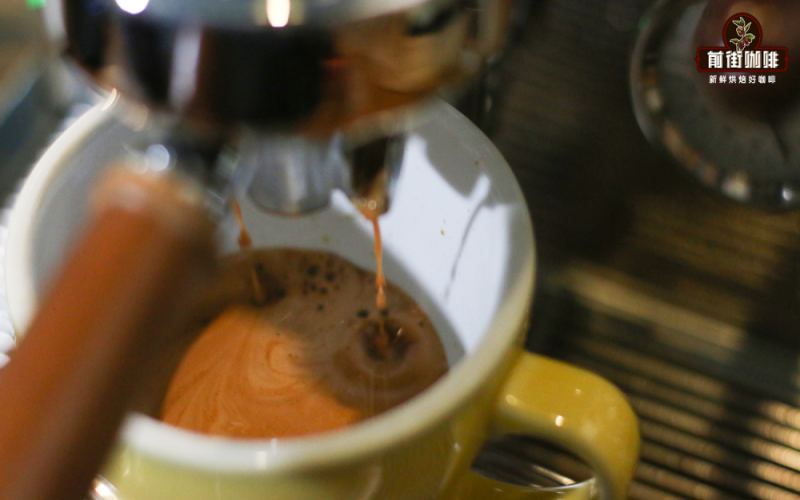
In-Depth Analysis of Espresso Blend Beans vs. SOE Espresso: A Comprehensive Comparison from Recipe Logic to Flavor Performance
The choice between espresso blends and SOE espresso has always been a hot topic among coffee enthusiasts. Why are blended beans still the mainstay of espresso to this day? Compared with single-origin espresso, what are their respective flavor advantages and suitable scenarios? From the perspective of Front Street Coffee, this article systematically sorts out the definition of blended coffee, the difference between pre-roast blending and post-roast blending, the three core purposes of blending, and the real differences in flavor between blended beans and SOE. At the same time, combined with the practical extraction plan of Front Street Sunflower Warm Sun Blend, it shares the specific ratios for hot lattes and hot Americanos, and recommends Front Street Classic Espresso Blend for friends who prefer a rich mouthfeel. Whether you are a beginner just getting into espresso or a seasoned drinker who wants to understand the logic of blend formulas, you can gain practical reference from it. [more…]
Why Is Single-Origin Espresso (SOE) So Popular? A Full Breakdown of Light vs. Dark Roast Differences, Americano and Latte Taste, and Key Buying Tips
In recent years, SOE coffee has become increasingly common in coffee shops, and many customers ask whether there is SOE the moment they walk in. SOE stands for single origin espresso, referring to espresso extracted from single-origin coffee beans, as opposed to blended beans. Its popularity is not just a matter of a new term, but represents a shift in espresso from the traditional heavily roasted, bitter, and thick style toward a flavor-focused approach. This article begins with the definition of SOE, the background of its rise, and its differences from blended beans, explains why espresso beans require a dedicated roasting curve, and shares the extraction parameters for Front Street Coffee's sun-dried Huakui SOE, the preparation ratios for Americano and latte, and the freshness and roast level issues to watch out for when buying SOE beans. [more…]
Single-Origin vs. Blended Coffee: A Complete Guide to Blend Types, Flavor Characteristics, and Best Uses
Faced with a dazzling array of coffee beans, how to choose a bag that suits you is a common confusion shared by many coffee lovers. Especially when using an espresso machine with a pressurized function, poor bean selection can easily lead to over-extraction or under-extraction, making the espresso harsh and hard to swallow. This article starts from three dimensions—brand reputation, freshness, and taste preference—to systematically sort out the key points of buying coffee beans, and then introduces in detail the recipe concepts, flavor performance, and suitable scenarios of five espresso blends under Front Street Coffee, helping readers quickly lock in their ideal choice according to their own needs, avoid detours, and not waste money. [more…]
Yirgacheffe vs. Americano Flavor Differences Explained: SOE Brewing Key Points and Calorie Reference
Yirgacheffe is deeply favored by coffee enthusiasts for its signature acidity and floral aroma, and when it extends from pour-over to the realm of SOE espresso, the way its flavors present themselves changes significantly. This article centers on Front Street Yirgacheffe, first outlining its flavor characteristics as a light-roast washed bean, then explaining the concept of SOE and the background of its rise, analyzing why SOE is not necessarily superior to blended coffee, and pointing out the challenges of quality consistency when using single-origin beans to make espresso. It then offers recommendations for choosing coffee beans suitable for making SOE, with a focus on how Front Street Yirgacheffe Natural Red Cherry performs in espresso, Americano, and latte, and finally includes the extraction parameters for Americano and an analysis of the causes of common flavor issues, providing coffee enthusiasts with a reference that balances theory and practice. [more…]

Espresso Beans | Blends vs. SOE Single-Origin for Espresso? Recommended Specialty Coffee Beans with Rich Crema for Home Espresso Machines
What are blended beans? They are made by mixing coffee beans from different countries or regions, and they generally appear in espresso. The counterpart to blending is single-origin coffee, also called SOE, which has a clear style when drunk, mostly dominated by fruity acidity. Italian-style blends, on the other hand, because they combine coffee from multiple places, [more…]