







Why has SOE coffee become so common in cafés?
SOE coffee stands for single origin espresso, meaning espresso pulled from single-origin beans rather than blended coffee beans. Its rise marks a shift in espresso from traditional burnt bitterness and heaviness toward flavor-focused styles. Traditional Italian espresso often blended in Robusta for body and was roasted very dark, which shaped the fixed impression many consumers still hold about espresso.
Blending itself is not the problem; many blenders simply prioritized stability and cost over flavor. Applying single-origin beans, already accepted as a flavor label in pour-over, to espresso required far less market education than reworking blends. Beans for SOE need dedicated roasting curves, and freshness and roast level matter when buying. Extraction parameters for a sun-dried Huakui SOE and Americano and latte ratios are covered in the guide.
In recent years, SOE coffee has become increasingly common in coffee shops, and many customers ask first thing if there is SOE. SOE stands for single origin espresso, which refers to espresso extracted from single-origin coffee beans, as opposed to blended beans. Its popularity is not just a renaming, but represents a shift in espresso from traditional burnt bitterness and heaviness toward flavor-focused styles. This article starts with the definition of SOE, the background of its rise, and the difference between SOE and blended beans, explains why espresso beans need dedicated roasting curves, and shares the extraction parameters for Front Street Coffee's sun-dried Huakui SOE, the ratios for making Americano and latte, and the freshness and roast level issues to pay attention to when buying SOE beans.
In the past two or three years, many cafés have begun offering SOE, and Front Street stores also often encounter customers who ask whether there is SOE as soon as they walk in. Given this phenomenon, Front Street wants to talk about why SOE has gradually become popular.
SOE stands for single origin espresso, which in plain terms means espresso extracted from single-origin coffee beans, and its counterpart is blended coffee beans. The literal meaning is indeed that, but the emergence of a new concept often is not just a change in name; it is more like drawing a clear line between itself and older practices.
Looking at the history of espresso, traditional Italian-style coffee often gives the impression of burnt bitterness, thick crema, and there was even a saying that espresso beans were not authentic if they did not produce oil. In fact, the source of the burnt bitterness is that Italians habitually blend in Robusta beans to increase body, and roast very dark. Blended beans perform mediocrely not because blending itself is problematic, but because blenders prioritize stability and cost over flavor. Over time, consumers formed a fixed impression of espresso beans or blended beans.
Flavor-focused blends have not been absent, but once a stereotype forms, it is very hard to reverse with scattered efforts. Since single-origin beans have already been accepted by the public in pour-over as flavor labels, applying them directly to espresso is much less effort than re-educating the market.
Therefore, the most direct motivation for promoting SOE is to distance it from the flavor of traditional espresso beans. In some coffee shops in Australia, more than two espresso grinders are set up: when making Americano and latte, blend beans are used to present the classic taste, while when making Flat White, SOE is used to highlight another type of flavor. Later, this developed further into offering multiple espresso beans for customers to choose from.
At the beginning of this year, a well-known chain brand launched Huakui SOE, pushing the two words SOE and Huakui to the center of discussion. For businesses, offering better-quality coffee can enhance the store's image and subtly change consumers' understanding of espresso; and proposing the concept of SOE makes it easier for customers to realize that it is different from traditional espresso beans, reducing communication costs. For small independent cafés, an SOE coffee with a unique flavor can even make customers remember the store.
For consumers, most still judge coffee by taste. They do not need to deeply understand what SOE means; as long as they drink a cup of coffee that tastes better than before and know it was made with SOE, that is enough.
At present, a common sales method is "an extra charge is required to replace ordinary coffee with SOE." From a pricing psychology perspective, this also reinforces the impression that SOE is higher quality.
Finally, one reminder: it is not that any bag of single-origin beans bought casually and extracted as espresso can be called SOE. The coffee beans used to produce SOE adopt different roasting curves and are adjusted to a roast level suitable for espresso machines. Therefore, single-origin beans used for pour-over are not necessarily suitable for making SOE (of course, a few beans can also work for both pour-over and espresso).
What should be noted when buying SOE coffee beans?
Front Street has found that many people think SOE simply means putting single-origin beans directly into an espresso machine to extract single-origin espresso, so they buy all kinds of floral and fruity beans, try them at home with a coffee machine, and only then discover it is not right. First comes the spluttering spray, then they are so frightened by the extremely sour espresso that they dare not take a second sip, and then they begin to suspect whether the equipment is too poor or whether something went wrong in the operation.
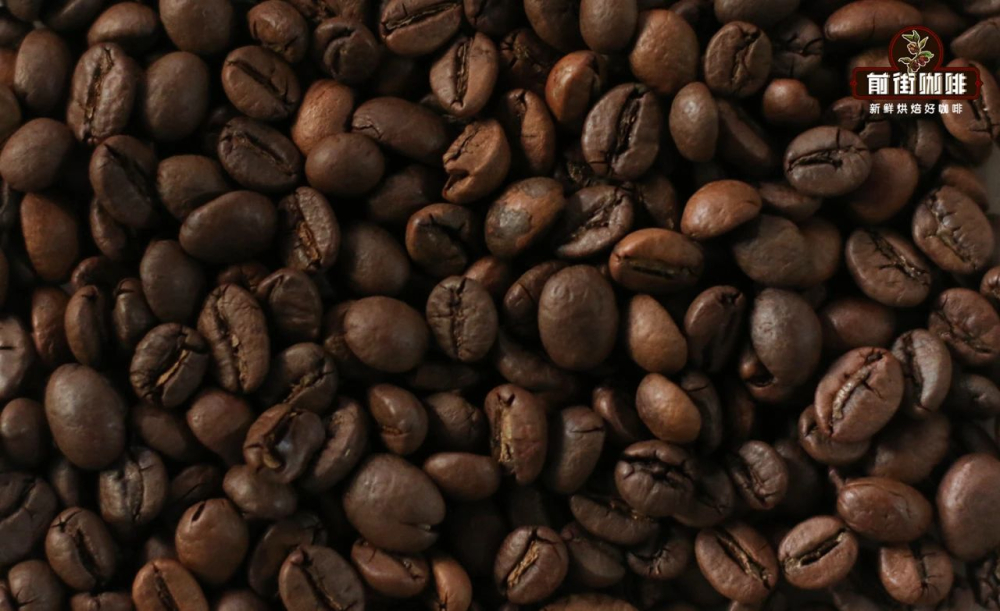
In fact, if you cannot make the same SOE at home as in the store, the reason is very likely not the equipment or technique, but that the roast level of this bean was never suitable for espresso extraction.
Based on the experience of Front Street baristas, choosing a coffee bean suitable for SOE extraction not only makes it easy to produce a delicious espresso, but adding water or milk to make Americano or latte also gets twice the result with half the effort. On Front Street's bean list, two single-origin beans have SOE versions: one is Huakui with strawberry aroma, and the other is Konga with the classic Yirgacheffe flavor. When ordering, just check the espresso roast option.
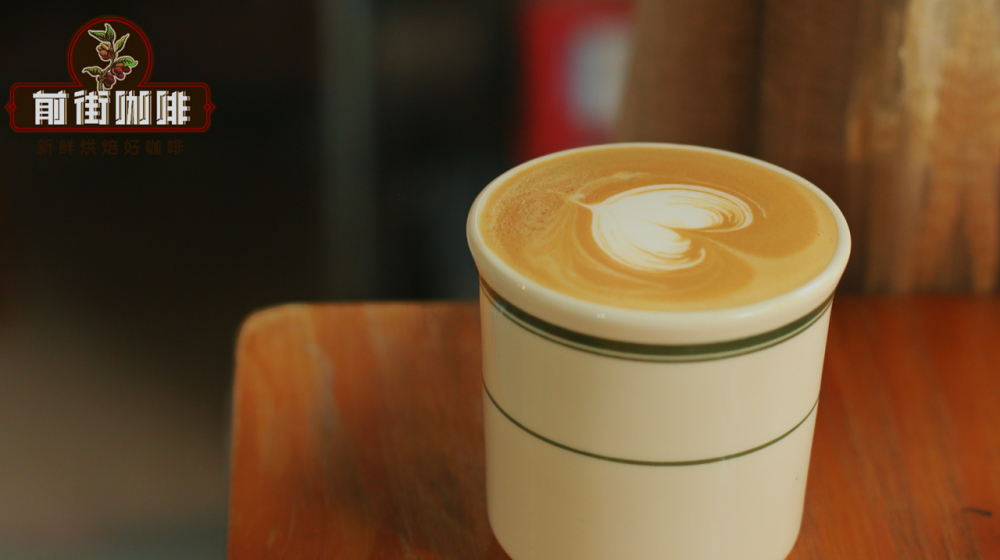
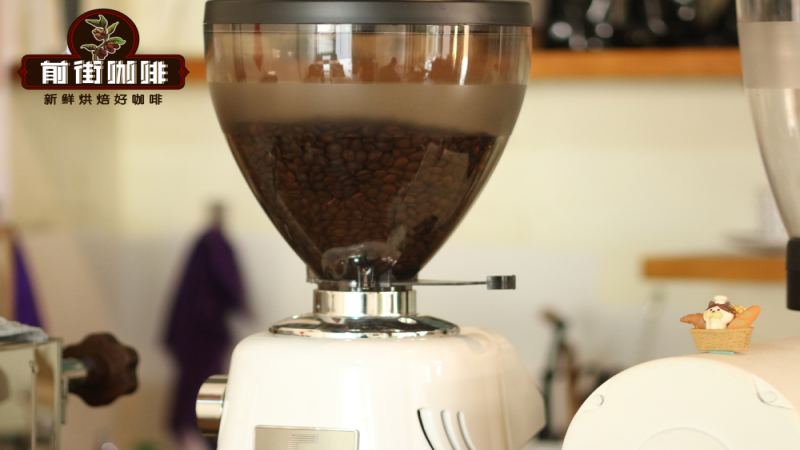
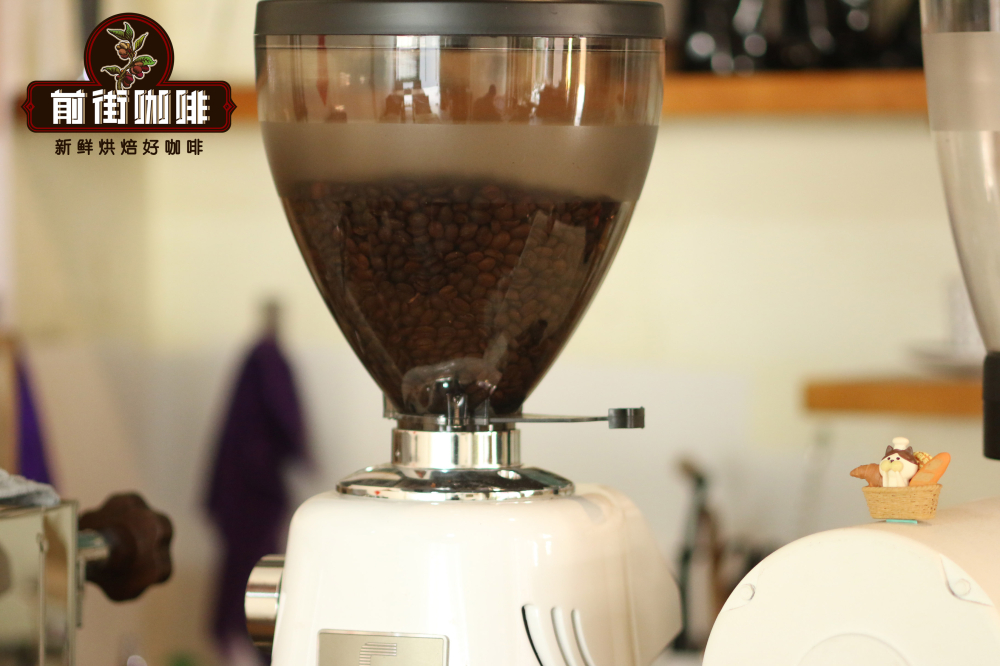
The coffee machine used in Front Street stores is a commercial single-head Lelit Bianca, which can adjust extraction by changing pressure, with a maximum pressure of 11 bar. As long as a home coffee machine reaches 9 bar pressure, it can meet the needs of extraction and milk frothing, and paired with an espresso coffee grinder, it is enough.
Sharing the extraction parameters for SOE coffee
Coffee beans: Front Street · Sun-dried Huakui SOE
Coffee dose: 20 g
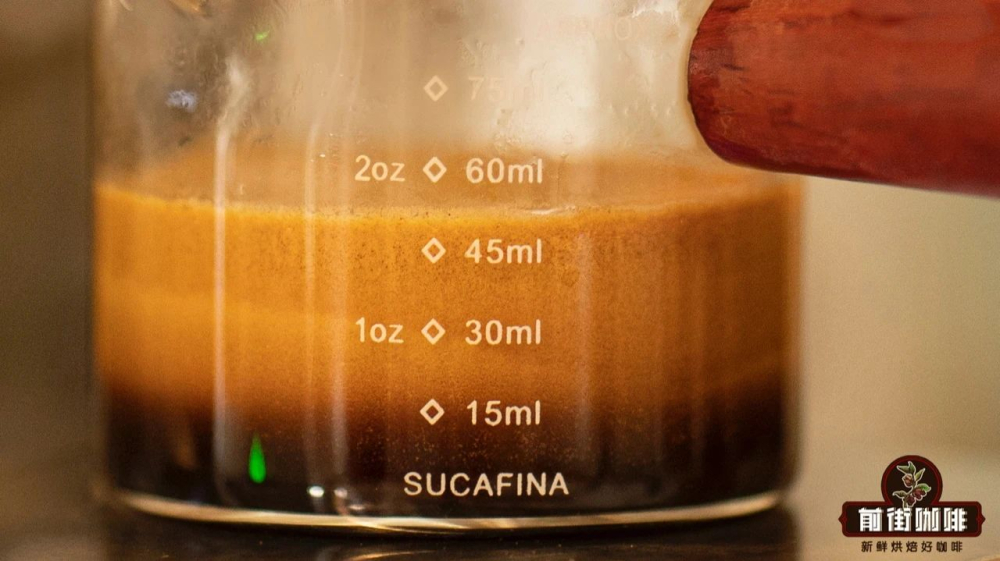
Coffee liquid yield: 40 g
Dose-to-yield ratio: 1:2
Extraction time: 26–33 seconds
Grind setting: Galileo 2.0
Front Street uses a double basket with a capacity of about 18–20 grams, and takes 20 grams of coffee powder when producing.
Usually the ratio of coffee powder to coffee liquid is between 1:1.5 and 1:2.5. Front Street uses 1:2, that is, 20 grams of powder extracts 40 grams of liquid. Time is related to flow rate. Generally, a single extraction is controlled within 20–35 seconds, because within 20 seconds the flavor tends to be thin, while over 35 seconds it may over-extract and show burnt bitterness. Most of Front Street's espressos fall within 28–30 seconds.
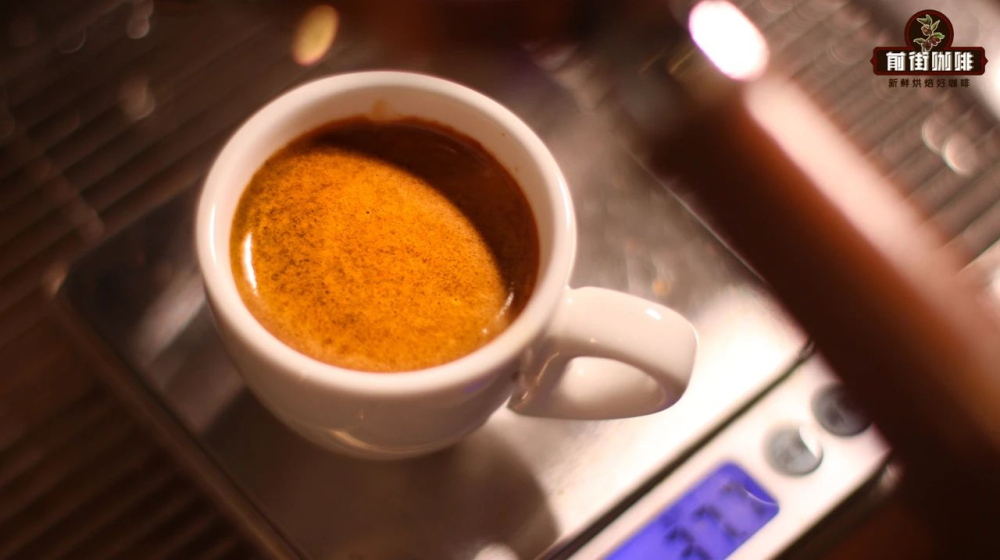
Front Street first wipes the basket dry, turns on the grinder to grind a double dose of coffee powder, and places it on an electronic scale to adjust it to 20 grams. Then it uses a tool to distribute the grounds evenly and tamp the puck firmly so that extraction is more stable.
Then turn on the extraction switch to release water, wet the brew head and carry away residual coffee grounds, gently lock the portafilter onto the brew head, and flip down the extraction switch. When the electronic scale shows that the coffee liquid has reached 40 grams and the time is about 28–33 seconds, pull down the switch, and a cup of SOE espresso is complete. You can add an appropriate amount of ice water or 80°C hot water according to preference to make a cup of Yirgacheffe SOE Americano.
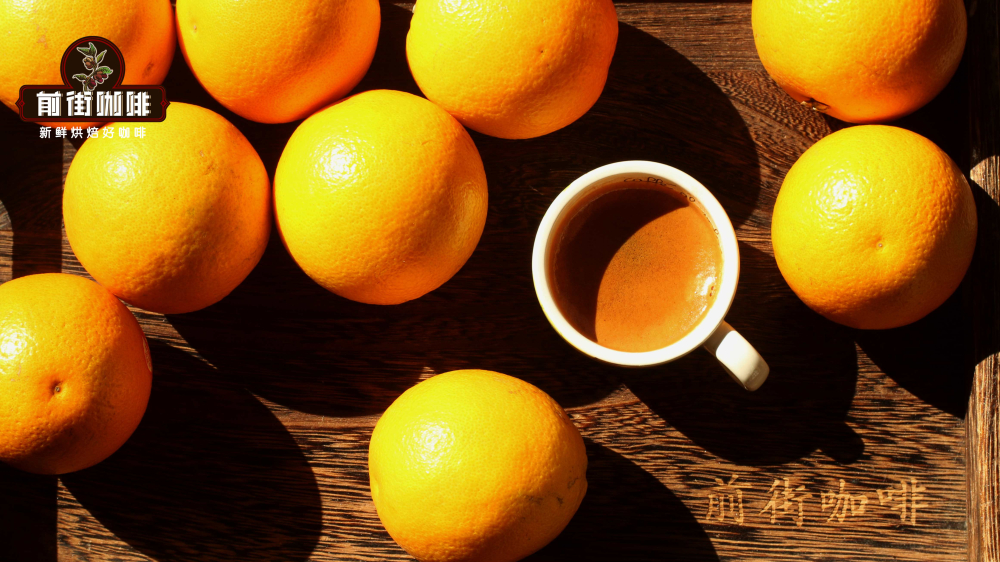
When making an SOE hot latte, Front Street uses a 1:6 ratio, adding 40 grams of espresso liquid to a preheated cup, then using the espresso machine steam to froth 240 grams of milk. The milk temperature is best controlled between 50–65°C to form dense milk foam with moderate thickness, then blend it evenly with the coffee liquid. The Yirgacheffe SOE latte made this way tastes like eating a lemon-flavored cookie on the first sip, with a rich and smooth mouthfeel, and after drinking it you feel warm all over.
Finally, no matter what method is used to extract coffee beans, Front Street believes freshness is crucial. If the roast date is more than a month ago, the aroma may already have been lost, and an unpleasant woody taste may appear. Front Street hopes that every customer who places an order can taste the coffee aroma at its best flavor period, so it only ships beans freshly roasted within 5 days. To make SOE coffee taste better, Front Street recommends choosing freshly roasted single-origin coffee beans.
The above content is compiled by CoffeeHunters, a coffee news website.


