







Is SOE Espresso Really Better Than a Blend?
SOE espresso is espresso pulled from beans of a single origin, region, or estate instead of a blend. It is not automatically better than blended espresso: pressurized rapid extraction concentrates the bean's flavors, so a light-roast washed Yirgacheffe shows lemon and citrus acidity and floral aroma that can read as sharp in a small, intense shot.
The trade-off is consistency, since single-origin lots vary more than blends. In practice the same Yirgacheffe performs differently across americano and latte, and the americano vs latte comparison comes down to water and milk dilution rather than the bean. Extraction parameters for americano and common taste faults are covered as practical reference.
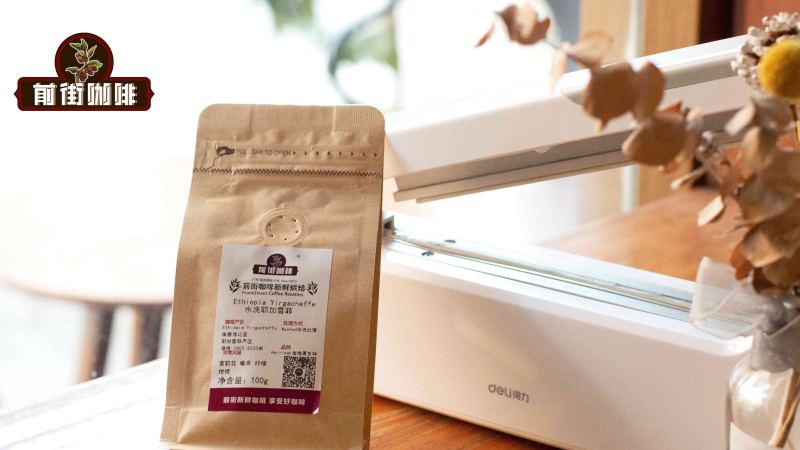
Yirgacheffe is deeply favored by coffee enthusiasts for its signature acidity and floral aroma, and when it extends from pour-over to the realm of SOE espresso, the way its flavors present themselves changes significantly. This article focuses on Front Street Yirgacheffe, first outlining its flavor characteristics as a light-roast washed bean, then explaining the concept of SOE and the background of its rise, analyzing why SOE is not necessarily superior to blended coffee, and pointing out the challenge of quality consistency when using single-origin beans to make espresso. It then offers recommendations for choosing coffee beans suitable for making SOE, with a focus on the specific performance of Front Street Yirgacheffe Natural Red Cherry in espresso, americano, and latte, and finally includes extraction parameters for americano and an analysis of the causes of common taste issues, providing coffee enthusiasts with a reference that balances theory and practice.
The most memorable thing about Front Street Yirgacheffe is that distinct acidity. Because it uses a light roast, the bean's own floral aroma and honey-like sweetness are preserved, and combined with the support of washed processing, Front Street Yirgacheffe presents a bright acidity like lemon and citrus, refreshing on entry with a rising finish, captivating many coffee lovers.
More and more people love Yirgacheffe, and this classic single-origin coffee is no longer limited to atmospheric extraction methods like pour-over or cold brew. Many people have begun trying to use it for espresso, which is the SOE that has appeared frequently in recent years.
SOE (single origin espresso) refers to espresso extracted using coffee beans from only a single origin, single region, or single estate. The popularity of SOE shows that everyone's pursuit of specialty coffee no longer stops at the pour-over level. In the past, it was generally believed that only blended beans could give espresso a stable, full-bodied flavor with bittersweet notes; as the concept of specialty coffee spread, the practice of using single-origin beans to extract layered espresso gradually increased.
SOE is not cheap, so is it necessarily better tasting than espresso made from regular blended beans?
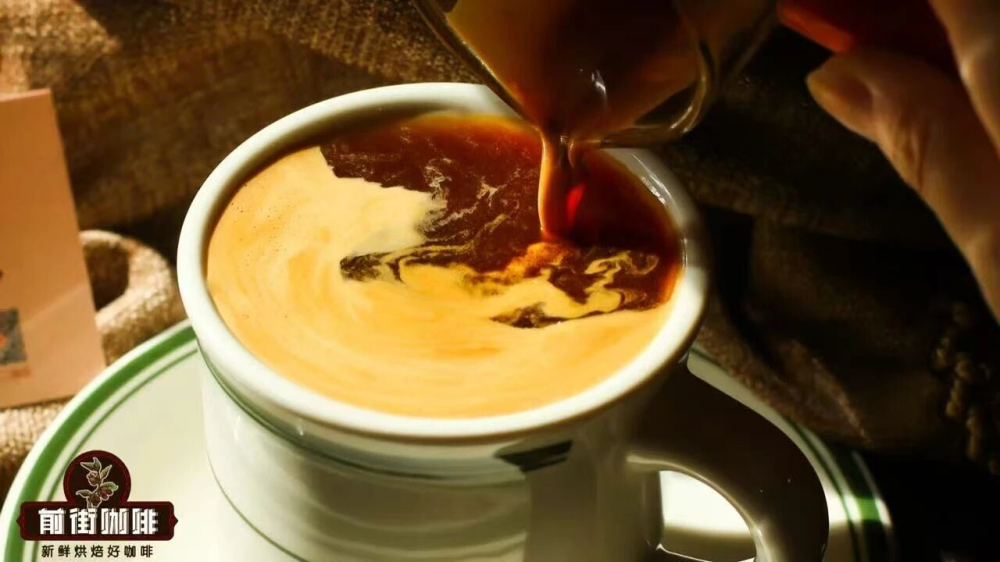
Not necessarily. Espresso is a pressurized rapid extraction, and the resulting coffee liquid is highly concentrated, so the bean's flavors are amplified exponentially. A bean that performs just right in pour-over may go to extremes when made into espresso. For example, light-roast beans easily over-amplify acidity, turning originally pleasant fruit acidity into sharp sourness or even acetic acid; dark-roast beans may intensify bitterness, producing obvious burnt bitterness and smoky notes that are hard to drink.
So why is SOE still so popular?
As Front Street mentioned earlier, the promotion of SOE reflects coffee enthusiasts' pursuit of flavor extremes. This has also led many people to develop a habitual way of thinking, believing that SOE's flavor must be stronger than blends. This includes some shops that do not actually understand SOE but blindly follow the trend and launch it, thinking that beans that taste good in pour-over will necessarily taste good as espresso.
But they often overlook one point: after coffee beans are made into espresso, quality may not always remain stable. So many times, you have a delicious SOE at this shop, and next time you go back you may be disappointed. This is exactly why blended beans have become the standard for espresso—by combining different origins and different beans in different proportions, the flavor can remain stable over the long term.
Which coffee beans are suitable for making SOE espresso?
To present the origin's flavor more clearly, you can choose beans with a clear flavor direction to make SOE. Front Street has launched 3 single-origin coffee beans specifically for SOE, namely Front Street · Natural Huakui SOE, Front Street · Chaka SOE, and Front Street · Natural Red Cherry Konga SOE.
If you are trying SOE for the first time and want to drink a fresh coffee like a floral and fruity tea, you can choose Front Street · Yirgacheffe Natural Red Cherry coffee beans. After extraction into espresso, the flavor shows berry-like sweet and sour notes, the acidity is not too sharp, and it has a caramel finish. Made into americano, it appears especially soft; made into latte, the gentle acidity complements the milk's sweetness and leaves a honey-like finish.
How do you make americano?
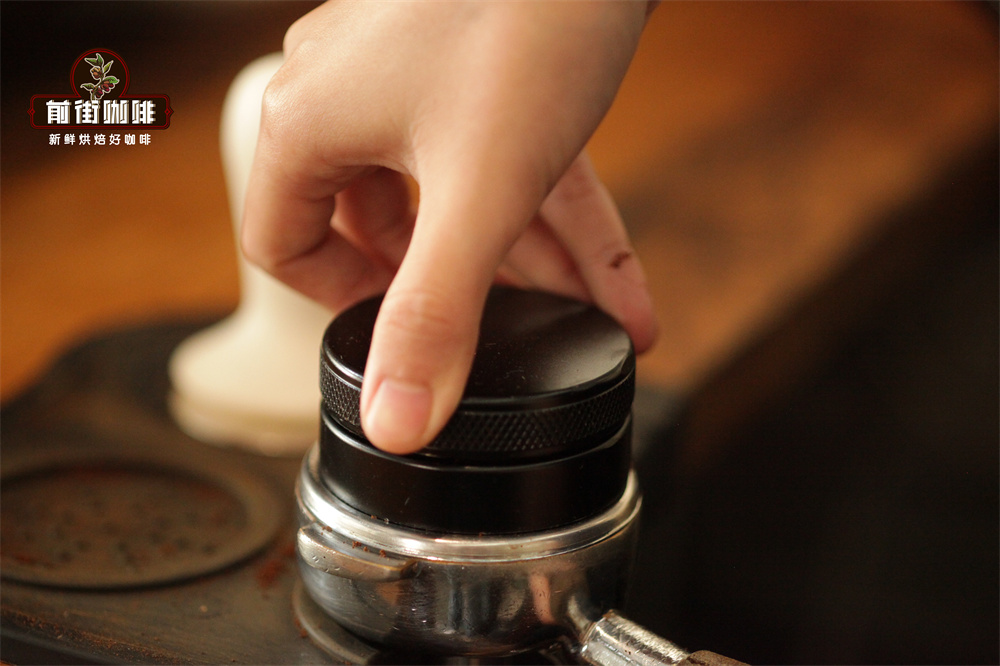
Americano is made by diluting espresso extracted at a 1:2 powder-to-liquid ratio with an appropriate amount of water. Front Street uses Front Street · Natural Red Cherry coffee beans to make SOE americano, extracting 40g of coffee liquid from 20g of coffee powder, with the time controlled at 25~30 seconds, then completing the americano at a 1:4 ratio (40g coffee liquid mixed with 160g water).
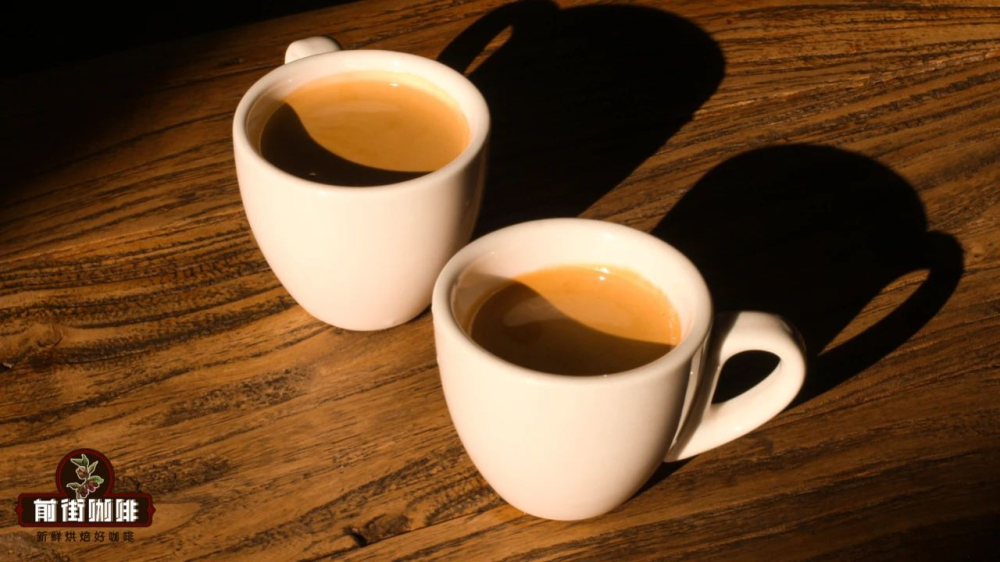
The taste of americano depends on the beans used to extract the espresso. A good cup of americano is balanced and full-bodied overall, and should not have a watery feel, burnt bitterness, or sharp acidity. If you feel bitterness when drinking americano, it means the espresso was over-extracted; if you feel sharp acidity, it means the espresso was under-extracted; if you feel a watery sensation, it is caused by adding too much water.
The above content is compiled by CoffeeHunters, a coffee news website.


