






Search Results for: Single-Origin Bean Ratio
How to Determine the Coffee-to-Water Ratio for Pour-Over Coffee? How Many Beans per Cup? A Comprehensive Analysis of Single-Origin Coffee Bean Varieties
More and more people are starting to try pour-over coffee at home, but when faced with basic questions like the coffee-to-water ratio, how much coffee beans to use, and how to choose single-origin beans, they often don't know where to start. Front Street Coffee, drawing on SCA Golden Cup extraction theory, has put together a practical reference range for pour-over coffee-to-water ratios and answers the question of how many coffee beans are needed for a cup of pour-over. The article also systematically introduces the definition and standards of single-origin coffee beans, focusing on the characteristics and flavor profiles of common varieties under the Arabica species such as Typica, Bourbon, Caturra, and Catuai, while also mentioning the differences between Robusta and Liberica, helping coffee enthusiasts build a complete framework of understanding for single-origin beans. [more…]
SOE Coffee Ratio Formula | Which Single-Origin Coffee Beans from Coffee Regions Are Suitable for SOE Coffee? What Is the Coffee-to-Water Ratio and Grind Size for SOE Espresso?
As the specialty coffee scene in China grows increasingly vibrant, high-quality single-origin beans from various regions around the world are frequently appearing on the menus of many cafés. Not only does each coffee come with detailed traceability information, but many single-origin lots also leave a lasting impression with their distinctive aromas. For example, the bean list at Front Street Coffee shops even has an entire section [more…]
What Does SOE Single-Origin Espresso Mean? A Detailed Guide to Flavor Characteristics, Origin Bean Selection, and Extraction Ratio Parameters
SOE has been a hot topic in the specialty coffee circle in recent years. It breaks the framework of traditional espresso blends, using single-origin coffee beans to make espresso. This article starts with the definition and development history of SOE, sorts out the differences between single-origin beans, blend beans, pour-over beans, and espresso beans, explains why SOE coffee beans are relatively expensive, and recommends several coffee beans that are suitable for both pour-over and SOE. Finally, using Huakui SOE as an example, it shares in detail the parameters and operating steps such as dose, yield, and extraction time, helping coffee enthusiasts consistently produce a delicious cup of SOE at home. [more…]
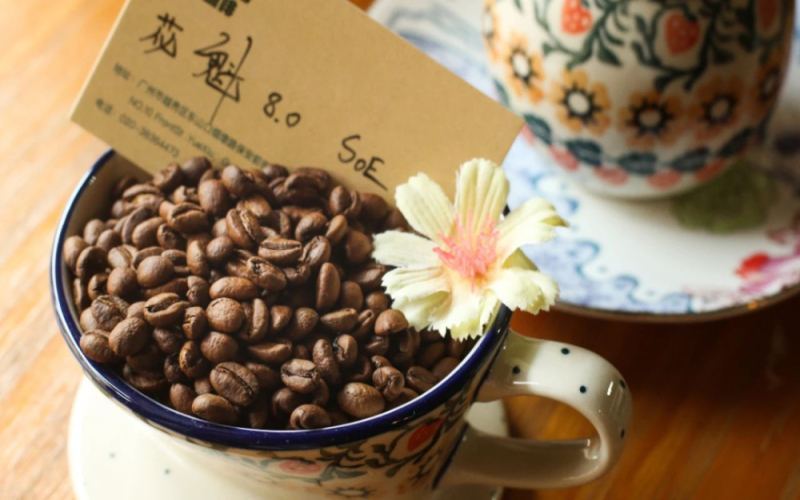
Can Kenyan single-origin beans be made into SOE espresso? A complete practical guide from bean selection to extraction
In recent years, SOE espresso has become increasingly common in specialty coffee shops, but many people mistakenly believe that simply putting single-origin beans into an espresso machine will produce a delicious cup of SOE. In fact, single-origin espresso has stricter requirements for bean selection, roasting curves, and extraction parameters. Starting from the store practices of Front Street Coffee, this article explains the essential difference between SOE and blended espresso, clarifies why not all single-origin beans are suitable for SOE, and, using Kenya cherry coffee beans as an example, provides a complete extraction plan including dose, yield, ratio, and time, helping coffee lovers make a cup of single-origin espresso with clear flavor at home. [more…]
How to Choose SOE Coffee Beans? Single-Origin Espresso Flavor Characteristics and a Practical Reference for Huakui Extraction Coffee-to-Water Ratio
Espresso has always been known for its intense, full-bodied flavor, and the emergence of SOE has injected entirely new possibilities into this field. Starting from the definition of SOE, this article sorts out its differences from single-origin beans, blend beans, and pour-over beans, explains the logic behind the relatively high pricing of SOE coffee beans, and recommends several Front Street Coffee beans that are capable of both pour-over and espresso extraction. The article also provides in detail the complete parameters and operating process for making SOE with Front Street Coffee Huakui 8.0, including key points such as extracting 40 grams of liquid from 20 grams of powder, a powder-to-liquid ratio of 1:2, and controlling the time between 26 and 32 seconds, making it a useful reference for enthusiasts who want to recreate a cup of fruity espresso at home. [more…]
Coffee blend bean plans | What is the difference between single-origin pour-over beans and espresso blend beans? How do you determine the types of espresso blend coffee beans and the blending ratio?
What are blended coffee beans? What is the blending ratio for Front Street Coffee's espresso beans? Which beans are best for blended coffee beans? Recently, a friend asked Front Street Coffee: "Are all coffee beans suitable for making espresso?" No~ not all [more…]
A Beginner's Guide to Single-Origin Coffee: Definitions, Classic Regional Flavor Profiles, and Signature Blend Ratio Analysis
What exactly is single-origin coffee? How does it differ from regular coffee? This article will guide you through a systematic understanding of the basic definition and naming rules of single-origin coffee, and review one by one the origins, flavor characteristics, and suitable drinkers of classic single-origin coffees such as Blue Mountain, Colombia, Brazil, Mandheling, Mocha, Kona, and charcoal roast. At the same time, the article also compiles representative single-origin bean blending ratios oriented toward acidity, bitterness, richness, and mildness, for coffee lovers' reference. If you are looking for a reliable channel to buy single-origin beans, Front Street Coffee offers a variety of single-origin beans from classic regions, which can serve as choices for beginners and more advanced drinkers. [more…]
Coffee blend bean planning | What is the difference between single-origin beans for pour-over and espresso blend beans? How do you determine the types of espresso blend coffee beans and the blending ratio?
What are blended coffee beans? What is Front Street Coffee's espresso blend ratio? Which beans are best for blended coffee beans? Recently, a friend asked Front Street Coffee (FrontStreet Coffee): "Are all coffee beans suitable for making espresso?" No~ not all [more…]
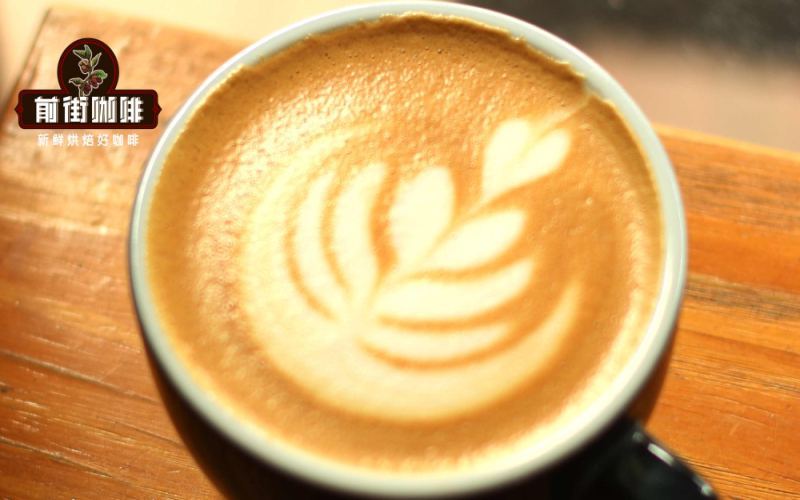
Why is SOE Latte so favored? Front Street explains single-origin espresso hot latte bean selection and preparation essentials
In the world of milk coffee, the latte has become one of the most popular drinks thanks to the marriage of espresso and milk. In recent years, SOE lattes have gradually gained popularity, winning over many coffee lovers with the distinct character of single-origin coffee beans. So what exactly makes an SOE latte special? What coffee beans should you choose to make a delicious hot SOE latte? And how should the ratio of coffee to milk be managed? Drawing on Front Street's production experience, this article sorts out the differences between blends and single-origin espresso, and uses the Costa Rica Mirazu Strawberry Candy Geisha blend as an example to fully demonstrate the extraction parameters and operating procedure for a hot SOE latte, helping you make a latte that boasts both floral-fruity aromas and milky sweetness. [more…]
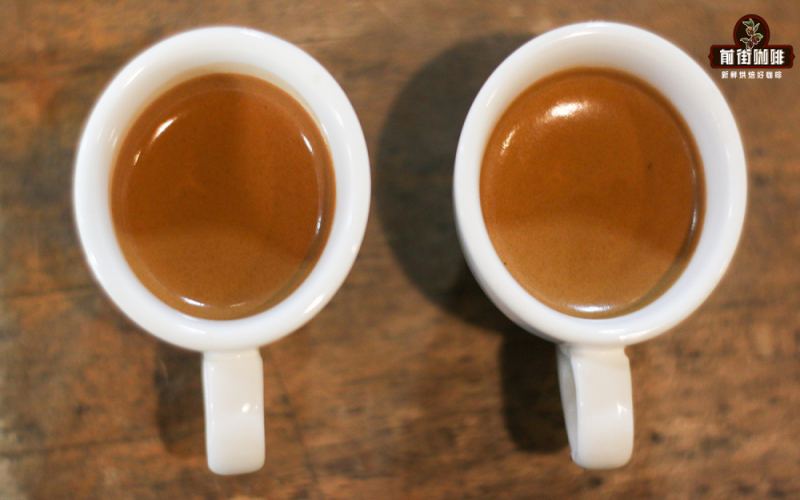
SOE Single-Origin Espresso Bean Selection Key Points and Suitable Coffee Machine Recommendation Guide
In recent years, the practice of making espresso with single-origin coffee beans has become increasingly popular. This style of coffee, known as SOE, emphasizes the authentic flavors of its origin and stands in sharp contrast to traditional espresso blends. However, not all single-origin beans can handle the extraction demands of an espresso machine. Drawing on Front Street Coffee's practical experience, this article systematically explains the definition of SOE, bean selection criteria, and extraction adjustment approaches, and specifically recommends two beans suitable for making espresso—Front Street Coffee Yirgacheffe Natural Red Cherry and Front Street Coffee Brazil Queen's Estate—along with suggested parameters for grind size, brew ratio, and time, helping coffee enthusiasts make a cup of SOE with clear flavors at home. [more…]
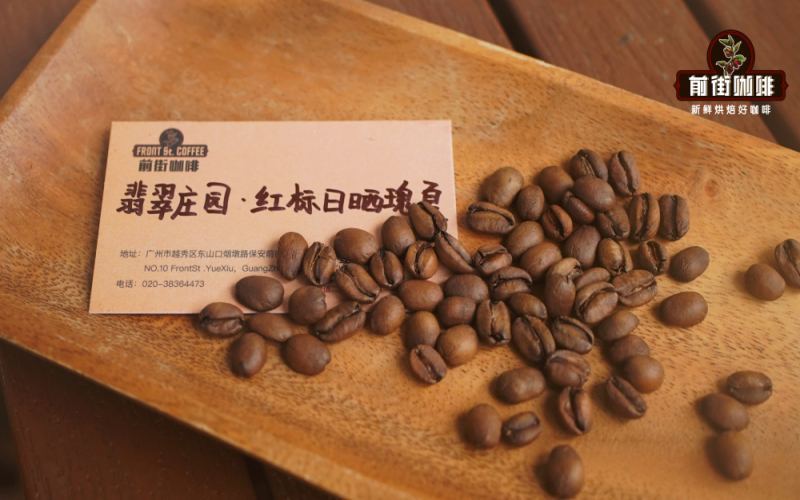
What is SOE coffee? A guide to making Geisha single-origin espresso and Americano and latte recipes
Front Street Coffee has previously shared methods for brewing pour-over with blended beans. This time, let's take a different approach and use single-origin beans to make SOE. SOE stands for Single Origin Espresso, extracting espresso from single-origin coffee beans, which better showcases the beans' inherent flavor characteristics. When it comes to the most well-known coffee varieties, Geisha is undoubtedly at the top of the list. If Geisha were used to make espresso, what kind of taste experience would it present? This article will focus on the bean selection approach for Geisha SOE, roasting degree requirements, and specific extraction steps, along with ratio plans for Americano and Latte, guiding you to fully master the essentials of crafting this exquisite single-origin espresso. [more…]

Types of Espresso | What Is Single-Origin Espresso (SOE)? How Do SOE and Blended Coffee Differ in Brewing Ratio, Flavor, and Mouthfeel?
For more specialty coffee knowledge, please follow our WeChat official account: Front Street Coffee (FrontStreet Coffee). When you usually drink fancy coffee, where does the coffee flavor come from? Actually, it comes from our espresso. The method of brewing coffee quickly under high pressure is called Esp. [more…]
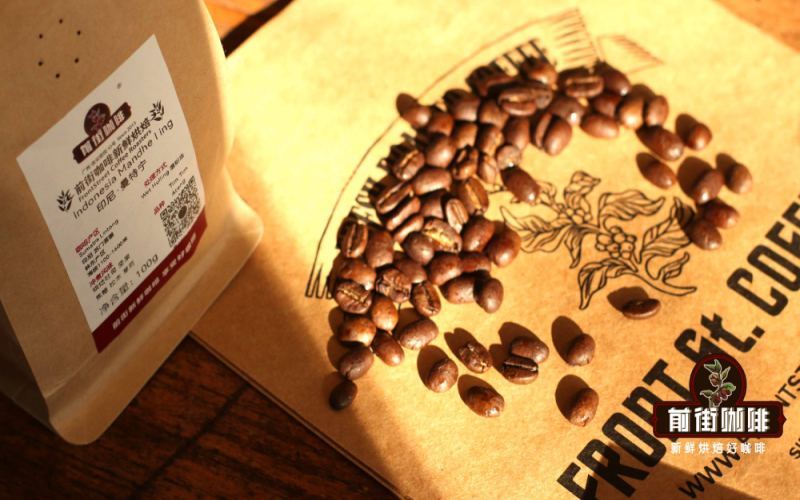
Can Geisha and single-origin beans be used for espresso? The meaning of SOE and a practical guide to extracting Mandheling SOE
Are single-origin coffee beans suitable for making espresso? What exactly does SOE mean? This article uses Mandheling as an example to systematically answer whether single-origin beans such as Geisha can be used for espresso. Mandheling comes from Sumatra, Indonesia, and is a representative of Indonesian specialty coffee, with low acidity, a full body, and rich aroma; after dark roasting, it has a long-lasting bitter note with elegant sweetness. The article focuses on sharing the complete extraction parameters and operating steps for Front Street Coffee Lintong Mandheling SOE, including 20g dose, 40g yield, 1:2 ratio, 26–32 seconds, etc., and introduces the higher-grade Front Street Coffee PWN Golden Mandheling, from green bean screening to flavor performance, helping coffee lovers fully master the key points of making espresso with single-origin beans. [more…]
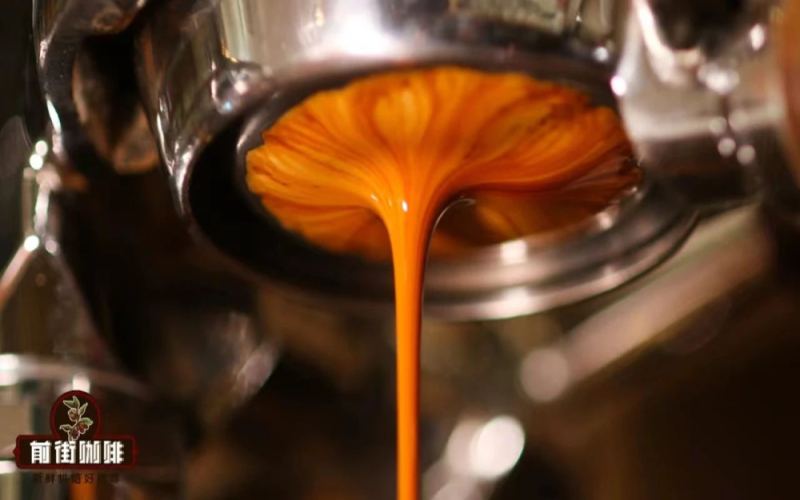
SOE Coffee Full Guide: Definition, Flavor Characteristics, and Practical Brewing Tips for Single-Origin Espresso
SOE is the abbreviation for Single Origin Espresso, which in Chinese means single-origin espresso. Its core lies in using single-origin coffee beans to make espresso, thereby highlighting the unique flavor of a specific region. In recent years, with the spread of information from the specialty coffee wave and barista competitions, this style has gradually become popular. However, SOE places higher demands on bean quality and roast level, and during extraction, parameters and the milk-to-coffee ratio also need to be adjusted. This article will outline the concept of SOE, recommend three Front Street Coffee SOE beans, and share precautions during preparation, helping coffee enthusiasts gain a more comprehensive understanding of this style. [more…]
How Does Espresso Differ from Americano? A Guide to SOE Single-Origin and Espresso Blend Bean Recommendations
Many friends who are just entering the world of coffee often cannot distinguish the relationship between espresso and Americano black coffee, nor are they clear about the respective characteristics of SOE single-origin beans and blended beans. From the perspective of Front Street Coffee, this article will sort out the definitions, origins, preparation ratios, and tasting methods of Espresso and Americano, and provide an in-depth analysis of the roasting and extraction difficulties of single-origin espresso beans. At the same time, Front Street will also share a variety of espresso blend recipes, including balanced, bitter, slightly acidic and full-bodied, and winey types, to help coffee lovers make suitable choices according to taste preferences and shop-opening needs. [more…]
Hand-Brewed Single-Origin Coffee vs. Espresso Machine Extraction: A Comprehensive Comparison from Bean Selection to Brewing Technique
In coffee shops, espresso-based coffee and single-origin coffee form the two core categories. The former relies on a coffee machine to produce rapid output under high pressure, with a rich and mellow taste, suitable for pairing with milk; the latter is mostly presented in the form of pour-over, emphasizing origin flavor and a clean mouthfeel. The two differ significantly in everything from coffee bean selection, roast level, to extraction method and brewing technique. This article will take the practices of Front Street Coffee as an example, comparing them one by one across dimensions such as coffee bean variety, roast degree, extraction principles, coffee-to-water ratio, and pouring technique, to help coffee enthusiasts understand the essential differences between pour-over and machine-produced coffee, and to master the complete brewing process for pour-over coffee as well as the standard operating steps for an espresso machine. [more…]
Pour-Over Coffee from Bean Selection to Parameters: Single-Origin Recommendations for Different Roast Levels and Water Ratios for Brewing with 15g of Coffee
To brew a delicious pour-over at home, choosing the right beans and mastering the water volume are key. This article starts with the regional character of single-origin coffees, then outlines flavor profiles and specific Front Street bean recommendations for light, medium, and dark roast levels, so even beginners can quickly find the style they enjoy. It then uses the classic Front Street Queen's Estate as an example to disclose the cafe's brewing parameters—Kono dripper, 88°C water, 15 g coffee, 1:15 coffee-to-water ratio, medium-fine grind—and breaks down the three-pour节奏 in detail: 30 g bloom for 30 seconds, second pour to 125 g, wait until the liquid level drops by half, then top up to 225 g, with a total extraction of about 2 minutes 10 seconds. After reading, you can replicate a clean and balanced pour-over by following the parameters. [more…]
How to make Americano and Latte with SOE Huakui coffee beans? A complete guide to single-origin espresso bean selection and extraction parameters
Nowadays, many coffee shops offer the option to "switch to SOE." From Huakui and Geisha to Yirgacheffe, these single-origin espressos often carry distinct flavor labels, and their prices are slightly higher than regular espresso drinks. What exactly is the difference between SOE and espresso blends? Which coffee beans are more suitable for making SOE? In this article, Front Street Coffee will focus on SOE Huakui coffee beans and explain in detail the whole process, from the approach to bean selection to espresso extraction parameters and the ratios for making Americanos and lattes, helping you make a cup of SOE coffee with clear flavor and balanced taste at home. [more…]
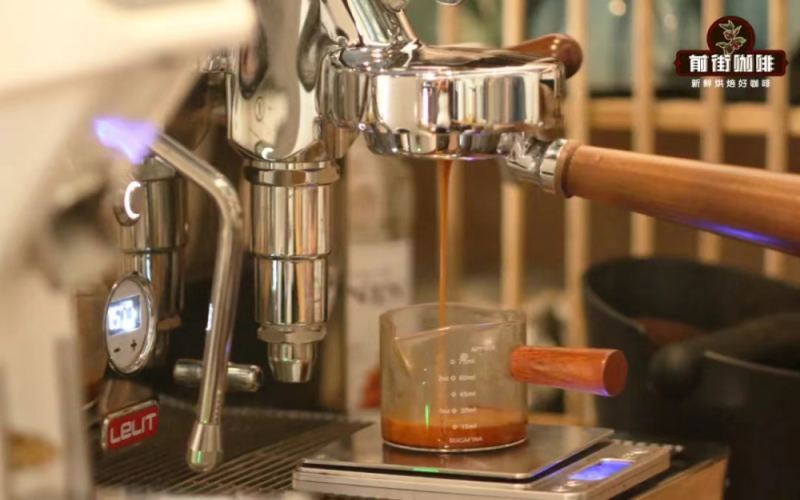
What Exactly Is SOE Coffee? How Is It Different from Single-Origin and Blend Beans? A Full Guide to Making Yirgacheffe SOE
In recent years, SOE coffee has become increasingly common in neighborhood cafes, and many shops are equipped with two espresso grinders at the same time, one for traditional blended beans and the other dedicated to SOE. SOE is the abbreviation of "Single Origin Espresso," referring to espresso made from single-origin coffee beans. It overlaps with the broader concept of single-origin coffee beans, but is not completely equivalent to it. Blended beans, by contrast, mix beans from multiple origins for cost, stability, and flavor. Based on the experience of Front Street Coffee baristas, this article analyzes the key points of bean selection for SOE, and shares in detail the specific parameters and operating steps for making Yirgacheffe SOE espresso, americano, and Dirty with Front Street Konga single-origin beans, helping enthusiasts make delicious SOE at home. [more…]
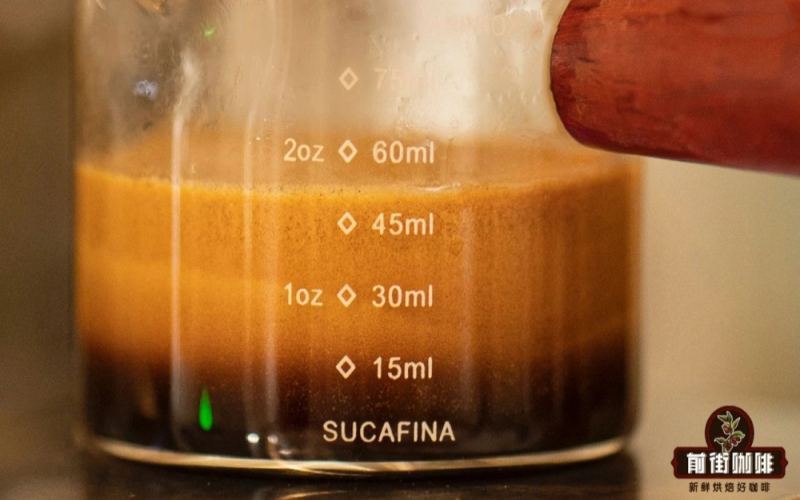
Yirgacheffe SOE Americano vs. Regular Americano: Flavor Differences and a Single-Origin Espresso Bean Tasting Guide
When a customer walks into a café and asks whether they can choose the beans for their espresso, it actually opens up a topic worth exploring in depth: what exactly does it mean to make espresso from single-origin coffee? SOE (Single Origin Espresso) has gradually gained popularity in China in recent years, but it is not some profound technique—it simply means replacing espresso blend beans with single-origin beans and extracting them under high pressure using an espresso machine. Drawing on the practical experience of Front Street Coffee, this article systematically sorts out the taste differences between Yirgacheffe SOE americano and standard americano, discusses whether SOE is necessarily superior to blends, and shares the complete operational key points from bean selection and roasting to extraction parameters, helping coffee enthusiasts make a cup of Yirgacheffe americano or latte with clear flavor and pleasant balance at home. [more…]