







How do single-origin beans like Geisha work in a soe latte?
SOE stands for single origin espresso, meaning one coffee is used alone in the espresso shot rather than a blend. Single-origin beans, including Geisha, can absolutely be pulled as espresso. Mandheling from Sumatra is a practical example: low acidity, a full body, and layered aromas of clove, nuts, dark chocolate, and caramel after dark roasting.
A reference recipe for Mandheling SOE is 20g of grounds yielding 40g of liquid, a 1:2 ratio, extracted in 26 to 32 seconds on a machine that holds 9 bar, paired with an espresso grinder. Because the shot is concentrated and sweet, it also works well as the base for a soe latte. The coffee soe meaning stays the same regardless of the bean you choose.
Is single-origin coffee suitable for making espresso? What exactly does SOE mean? This article uses Mandheling as an example to systematically answer the feasibility of using single-origin beans such as Geisha for espresso. Mandheling originates from Sumatra, Indonesia, and is a representative of Indonesian specialty coffee, with low acidity, a full-bodied mouthfeel, and rich aromas; after dark roasting, it offers a lingering bitterness with elegant sweetness. The article focuses on sharing the complete extraction parameters and operating steps for Front Street Lindong Mandheling SOE, including 20g dose, 40g yield, 1:2 ratio, and 26–32 seconds, and also introduces the higher-grade Front Street PWN Golden Mandheling, covering everything from green bean selection to flavor performance, helping coffee enthusiasts fully master the key points of using single-origin beans for espresso.
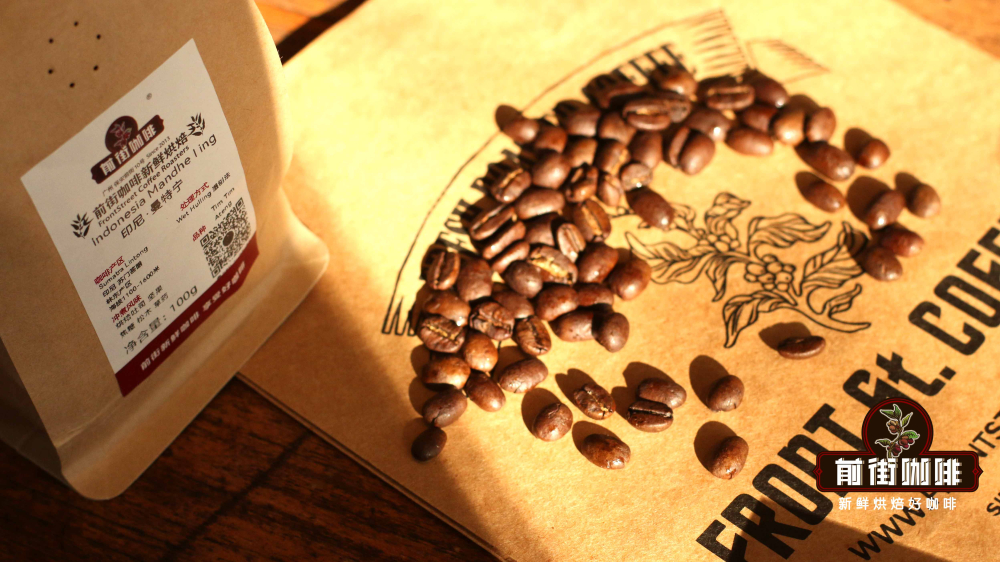
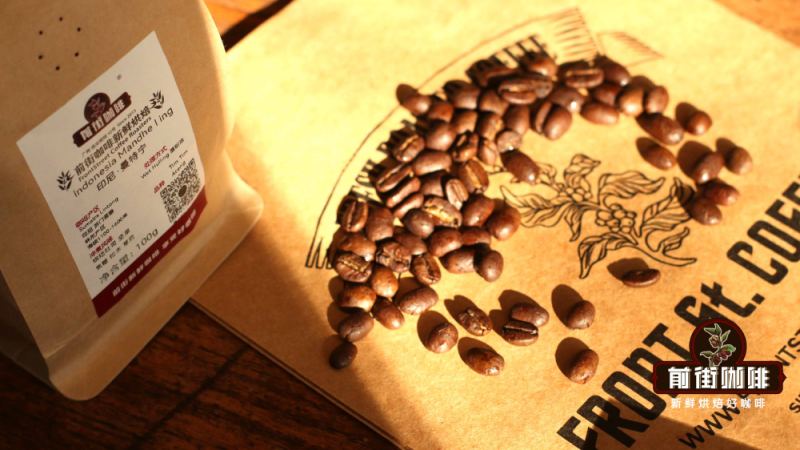
Mandheling coffee originates from the island of Sumatra, Indonesia. It is a single-origin coffee and a flagship representative of Indonesian specialty coffee. Unlike ordinary bitter coffee, it has layered aromas, a solid and full-bodied entry, low acidity, and a long finish. Because it is dark roasted, you can feel both the lingering bitterness and taste the elegant sweetness, with both smell and taste surrounded by its distinctive earthy aroma.
According to differences in the pursuit of taste, Mandheling coffee is divided into several types, among which the most worth buying are Front Street Mandheling from the Lindong region and the top-grade Front Street PWN Golden Mandheling. Front Street Lindong Mandheling is an entry-level standard version and is a coffee that every beginner finds hard to avoid. After brewing, it presents the full-bodied flavors of clove, nuts, dark chocolate, and caramel, so it pairs very well with espresso and moka pot coffee, and is also called Mandheling SOE.
Front Street Mandheling SOE extraction parameters shared
Coffee beans: Indonesia. Front Street Lindong Mandheling
Coffee powder dose: 20g
Coffee liquid yield: 40g
Powder-to-liquid ratio: 1:2
Extraction time: 26–32 seconds
Grind setting: Galileo 2.0
Making espresso requires a home coffee machine. As long as it can stably reach 9 bar pressure, it can meet the needs of extraction and milk frothing, and it also needs to be paired with an espresso grinder. The coffee machine used by Front Street has a double basket capacity, so 20 grams of coffee powder are taken each time, and the extraction powder-to-liquid ratio is set at 1:2, meaning 40 grams of coffee liquid flows out within a reasonable time.
Before extraction, first wipe the basket clean, start the grinder to grind a double dose of coffee powder, place it on an electronic scale and weigh and adjust until it is exactly 20 grams. Then use a distribution tool to level the powder surface, then use a tamper to apply force vertically downward to compact the coffee puck, so as to ensure a more stable extraction process.
Next, turn on the extraction switch and let water run for 1–2 seconds to wet the group head and at the same time rinse away any residual coffee grounds on it. Place an electronic scale under the cup that will receive the Espresso, zero the weight, and place it under the group head together during extraction.
Gently lock the portafilter onto the group head and flip down the extraction switch. Pay attention to the state of the extracted liquid. When the electronic scale shows that the coffee liquid has reached 40 grams and the time is about 30 seconds, flip down the extraction switch to end. Brewing parameters will change slightly with daily air humidity and the condition of the coffee beans, so the coffee powder dose, grind setting, and coffee liquid extraction yield need to be adjusted accordingly.
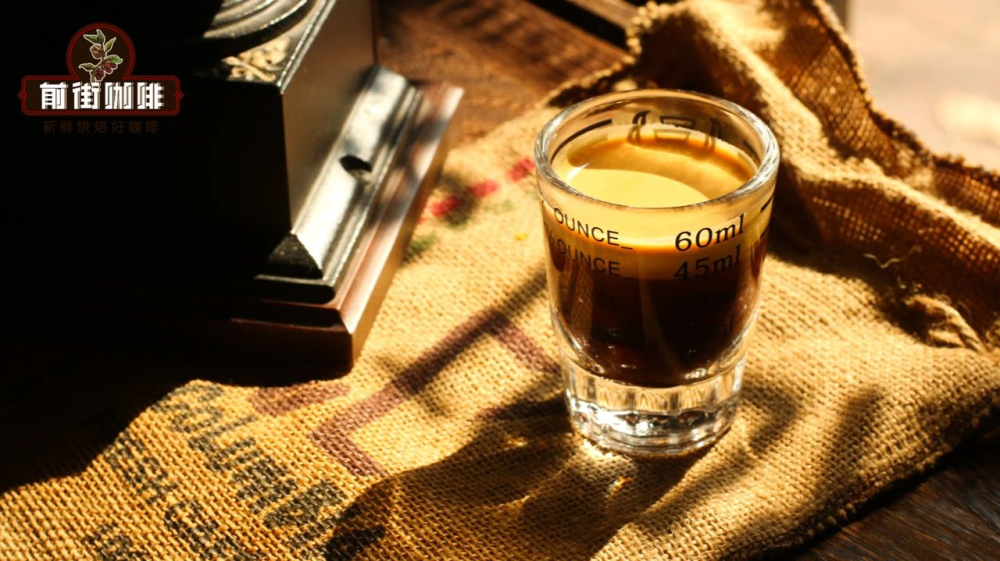
The Mandheling SOE made in this way will give off a rich aroma of roasted nuts and caramel. If you want to make a Mandheling SOE Americano, you can add 200g of ice water or warm water at a 1:5 ratio; you can also pour in 200ml of frothed fresh milk at a 1:5 ratio to soften the mouthfeel, and this makes a delicious Mandheling SOE Latte.
As the finest of Mandheling coffees, Front Street PWN Golden Mandheling uses only beans of screen size 18 and above, with fewer than 3 defective beans (in a 300g green bean sample), reaching the highest G1 grade, with a darker green color and a neat flat-bean shape. After processing, the green beans undergo density and color sorting, and also manual bean selection. Only after four rounds of careful selection does Front Street PWN Golden Mandheling present a state of uniform color and consistent bean shape. It is said that when processing the green beans, Mandheling beans under sunlight give off a golden luster, hence the name Front Street PWN Golden Mandheling.
Front Street Golden Mandheling carries a high-quality herbal note, with caramel sweetness more prominent, steady and elegant fruit acidity, abundant sweetness, and a rich and wild spice flavor. Being released before second crack allows it to retain good transparency and sweetness, gives broader room for roasting interpretation, and makes the roasted aroma more distinct, so a medium-dark roast is used.
After brewing, Front Street PWN Golden Mandheling presents roasted nut notes. As the temperature drops slightly, aromas of cinnamon spice, herbs, and melon gradually emerge, with caramel-like sweetness accompanied by a clean and full-bodied mouthfeel.
The above content is compiled by CoffeeHunters, a coffee news website.


