







What makes SOE coffee beans different from a blend?
SOE stands for Single Origin Espresso, meaning espresso pulled from beans of one producing region and one variety rather than a blend. The approach trades the roundness of a blend for a clearer, fruit-forward character. A practical starting recipe is 20 grams of grounds yielding about 40 grams of liquid, a 1:2 ratio, in 26 to 32 seconds.
SOE beans cost more because single-lot, single-variety coffee is harder to source and roast consistently. A blend like Front Street Classic Espresso, built from Brazil, Indonesia, and Vietnam beans at a dark roast, gives a thick crema and works for americano or latte. SOE suits drinkers who want the origin's own flavor in the cup.
Espresso has always been known for its intense, full-bodied taste, and the rise of SOE has injected entirely new possibilities into this field. This article starts from the definition of SOE, sorts out how it differs from single-origin beans, blend beans, and pour-over beans, explains the logic behind the higher pricing of SOE coffee beans, and recommends several Front Street beans that work well for both pour-over and espresso extraction. The article also provides a complete set of parameters and operating steps for making SOE with Front Street Huakui 8.0, including key points such as extracting 40 grams of liquid from 20 grams of grounds, a 1:2 coffee-to-water ratio, and a time of 26 to 32 seconds, making it a useful reference for enthusiasts who want to recreate a fruit-forward espresso at home.
To learn more about specialty coffee, follow: Front Street Coffee (Frontsteet Coffee)
As a beverage found all over the world, coffee not only offers a rich variety of brewing methods, but different extraction paths can also bring completely different flavor and mouthfeel experiences. Whether viewed from visual presentation or the taste on the palate, coffee offers considerable experiential value.
Traditional espresso follows the path of richness, body, and a clear sweet aftertaste. With dark-roasted beans, it can present coffee with nutty and chocolate notes, and it has long had a large following.
If you happen to prefer this kind of heavy, full-bodied mouthfeel, Front Street Classic Espresso Blend is worth trying. This blend combines beans from three producing regions: Brazil, Indonesia, and Vietnam. The roast level is taken to dark roast in order to maximize the coffee's rich aroma as much as possible while allowing users to easily extract a thick, delicate layer of crema. Whether diluted with water to make an Americano or combined with milk to make a latte, it performs very well.
The development of espresso has been a long journey, and along this timeline, a branch gradually emerged that does not use blend beans as its core raw material—instead switching to single-origin beans for extracting espresso. This type of espresso made from a single producing region and a single variety is called SOE.
What Is SOE
SOE is the abbreviation of Single Origin Espresso. Literally translated, it means espresso made from a single producing region and a single variety—in plain terms, single-origin espresso. It is not complicated to understand: if you order a cup of SOE at a café, the shop can choose any single-origin bean to make it. Whether they use a high-end single-origin Geisha or an ordinary single-origin Brazil, what comes out is still called SOE; the only difference is the level of quality. The development of SOE overseas can be traced back to 2007, and it gradually matured around 2010. That year, a coffee competitor from London, England, used SOE coffee in competition and won the WBC (World Barista Championship). After that, SOE entered the public eye and gradually became popular.
Many friends often find it hard to distinguish between SOE, single-origin coffee beans, blend beans, pour-over coffee beans, and espresso coffee beans. Here Front Street briefly sorts this out. If divided by use, they can be grouped into two categories: one is pour-over coffee beans used for drip-filter methods represented by pour-over, and the other is espresso coffee beans used for pressurized extraction represented by espresso machines. The most core difference between the two lies in the roast level. However, due to historical factors, pour-over beans are mostly single-origin coffee beans, while espresso beans are mostly blend coffee beans.
Single-origin coffee beans refer to coffee beans from a single producing region. One point to note is that single origin only emphasizes the source of the producing region and does not require the variety to be single as well. Blend coffee beans, on the other hand, are made by mixing beans from two or more producing regions in artificially determined proportions, with the goal of obtaining better flavor, more stable output, or a more competitive price. So strictly speaking, mixing different coffee varieties from the same producing region (estate) together cannot be considered blend coffee beans.
SOE specifically refers to espresso made from single-origin coffee beans, and SOE coffee beans are single-origin coffee beans roasted to a level suitable for espresso extraction.
Explained this way by Front Street, isn't it much clearer...
Why Are SOE Coffee Beans More Expensive Than Blend Coffee Beans?
The reasoning is actually quite direct: because the SOE coffee bean raw materials chosen by merchants are of a higher grade, the cost naturally rises accordingly.
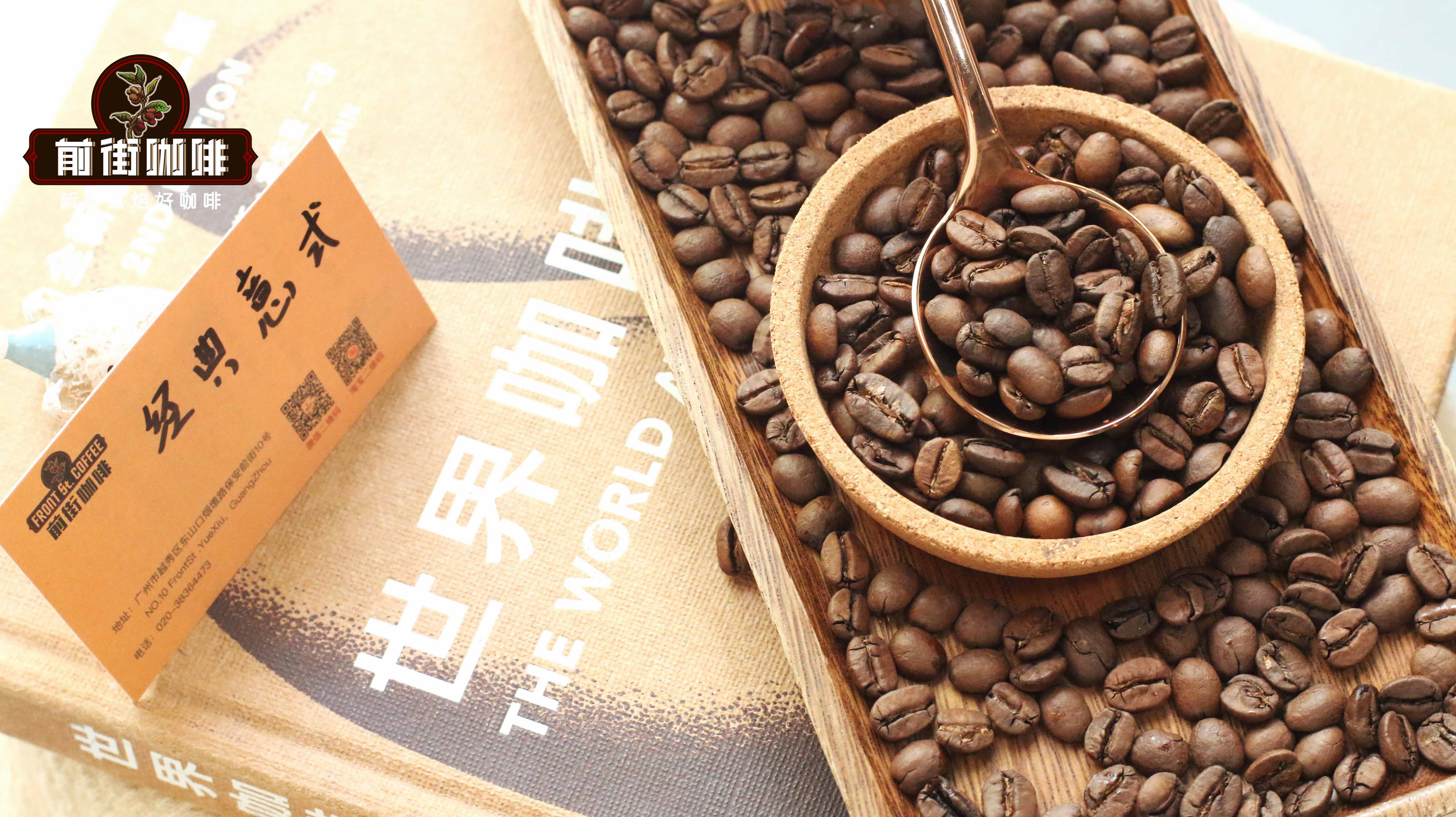
Logically speaking, taking a purely Brazilian bean from a certain producing region to make espresso could also be called "SOE." But this practice is almost never seen on the market, because the espresso extracted this way may not match blend beans in flavor and mouthfeel. Therefore, coffee beans that dare to carry the "SOE" label must deliver a flavor performance different from traditional blend coffee, something that makes consumers take notice and be willing to pay for it. For this reason, many beans from small Ethiopian producing regions are used to make SOE, because Ethiopian beans are known for their citrus and floral notes, and with a relatively bold (slightly lighter) roast level, they can provide a different espresso experience.
In fact, using higher-quality beans to make a blend is also not cheap, and the flavor is no inferior to SOE. For example, Front Street's Sunflower Warm Sun Blend uses single-origin Yirgacheffe Red Cherry and single-origin Honduras Sherry for the blend. It has highly recognizable flavor, with notes of vanilla cream, sherry wine aroma, chocolate, and brown sugar. This bean is also the designated bean for espresso drinks served at Front Street stores and is deeply loved by customers.
Due to historical reasons, the word "blend" has formed a stereotype in many people's minds, and this is also why many merchants are unwilling to choose high-quality blend beans. Compared with "blend," the term "SOE" happens to create a sharp contrast in impression (blend corresponds to single origin, negative impression corresponds to positive impression).
So, are there coffee beans that can be used for both pour-over and SOE?
Front Street has mentioned before that there are differences in roasting between pour-over beans and espresso beans. Some beans are roasted lighter in order to highlight a strong fruity acidity, and espresso extracted with an espresso machine can easily taste sharply sour and harsh. But there are also some beans whose roast level makes them suitable for both pour-over and espresso SOE.
For example, Front Street's Brazil Queen's Estate Yellow Bourbon coffee beans use a medium-dark roast. When brewed as pour-over, they present a rich chocolate and peanut butter mouthfeel, with a quite prominent sucrose sweetness. Used to extract SOE, they can also produce a thick crema, with a full chocolate and nutty aroma on the palate and no burnt bitterness, and very high sweetness.
Another one is Yirgacheffe Red Cherry coffee beans, which Front Street roasts to a medium-light level. The pour-over output has very sweet berry, fruity acidity, creamy, and fermented aromas. Because the roast level is not too light, it is also suitable for espresso machines, and the SOE coffee made with it has a charming strawberry fruit aroma, with fruit-like acidity on the palate, caramel cream aroma, and a black tea finish.
Also in the Ethiopian producing region, there is a high-altitude Huakui 8.0, which has become many people's daily staple bean thanks to its full, rich strawberry and citrus aromas. But if you directly use medium-light roasted beans to make SOE, problems such as splattering, sourness, and astringency can easily occur. So that everyone can make Huakui SOE at home, Front Street has also launched a medium-roast SOE option; just select it when placing an order.
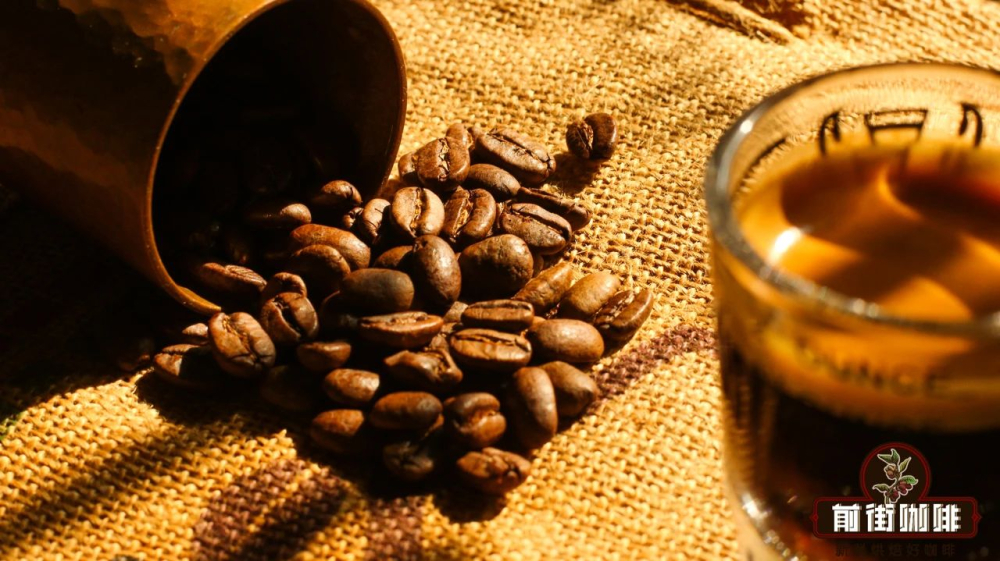
Extraction Parameters for SOE Huakui Espresso
Coffee beans: Ethiopia · Huakui 8.0
Coffee dose: 20g
Coffee liquid yield: 40g
Coffee-to-water ratio: 1:2
Extraction time: 26–32 seconds
Grind setting: Galileo 2.0
The coffee machine used by Front Street uses a double basket capacity, requiring 20 grams of coffee grounds each time, with the extraction ratio set at 1:2, meaning producing 40 grams of coffee liquid within a reasonable time. The extraction duration is related to the flow rate of the coffee grounds, and a single extraction is usually controlled between 20 and 35 seconds. If it is less than 20 seconds, the coffee flavor tends to be thin and weak; if it exceeds 35 seconds, over-extraction can easily occur, leading to burnt bitterness. Therefore, when producing espresso, Front Street locks the time into the range of 26–32 seconds.
Before extraction, first wipe the basket dry, turn on the grinder to grind a double dose of coffee grounds, and place it on an electronic scale to adjust until the weight reaches 20 grams. Then use a distribution tool to level the coffee grounds, and use a tamper to apply force vertically downward to compact the puck, ensuring more stable extraction.
Then turn on the extraction switch and let water run for 1–2 seconds to moisten the group head and simultaneously rinse away attached coffee grounds. Place an electronic scale under the cup that will catch the Espresso, tare it to zero, and keep it under the group head during extraction.
Gently lock the portafilter onto the group head, then switch on extraction to begin. Pay attention to changes in the extracted liquid. When the electronic scale shows the coffee liquid has reached 40 grams and the time is about 30 seconds, switch off extraction to stop. Brewing parameters will fluctuate slightly with daily air humidity and the condition of the coffee beans, so the coffee dose, grind setting, and extraction yield need to be adjusted accordingly.
The extracted Huakui SOE can be drunk directly. Remember to pair it with a glass of water to rinse your mouth, so you can better appreciate the dense crema foam and the rich tropical fruit aroma of the coffee liquid underneath. If you cannot accept the intense bitterness of espresso, you can also, according to personal preference, add ice water or warm water at a 1:4 ratio to make a refreshing SOE Huakui Americano; or add steamed fresh milk at a 1:6 ratio to soften the mouthfeel, making a delicious SOE Huakui Latte.
The above content is compiled by CoffeeHunters, a coffee news website.


