






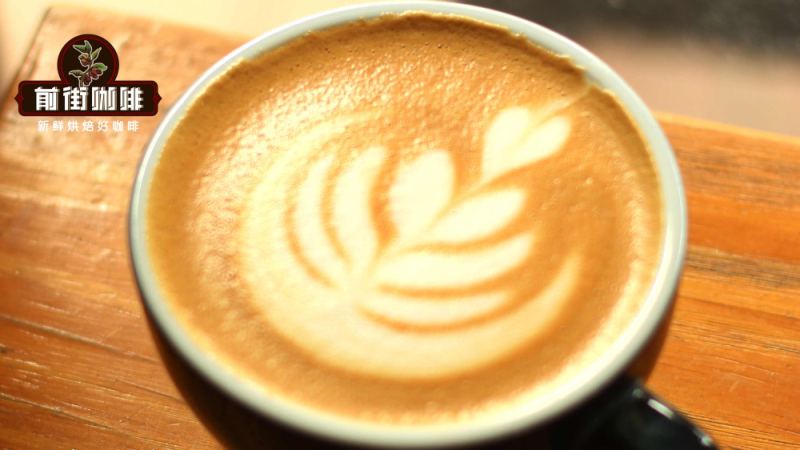
What makes an SOE latte different from a blend latte?
An SOE latte is a milk drink built on single-origin espresso rather than a blend. The single-origin shot carries one origin's distinct character, which reads clearly through the milk instead of being rounded off by several components. The coffee-to-milk ratio generally falls between 1:5 and 1:8, so the espresso flavor still leads the cup.
Most espresso blends combine several origins at a medium or darker roast and are chosen for stability and abundant crema, which performs well in milk coffee. A single-origin SOE coffee bean needs a carefully set extraction to keep its aromatics intact. Using a Costa Rica Geisha as an example, the article walks through extraction parameters and the operating steps for a hot SOE latte.
In the world of milk coffee, the latte has become one of the most popular drinks thanks to the marriage of espresso and milk. In recent years, SOE lattes have gradually risen to prominence, winning over countless coffee lovers with the distinct character of single-origin coffee beans. So what exactly makes an SOE latte special? What coffee beans should you choose to make a delicious SOE hot latte? And how should the ratio of coffee to milk be controlled? Drawing on Front Street's experience in production, this article sorts out the differences between blends and single-origin espresso, and uses Costa Rica Mirazu Strawberry Candy Geisha Blend as an example to fully demonstrate the extraction parameters and operating procedure for an SOE hot latte, helping you make a latte that boasts both floral-fruity aromas and milky sweetness.
For more specialty coffee knowledge, please follow: Front Street Coffee (Frontsteet Coffee)
Anyone who drinks milk coffee regularly is certainly familiar with it—a latte is essentially a classic hot beverage made by blending espresso with milk. The addition of milk turns the originally intense and bitter espresso soft and sweet, winning over even people who normally avoid coffee.
However, once the ratio of coffee to milk falls out of balance, the taste suffers greatly. Too much milk dilutes the coffee flavor until little remains; too little milk makes the bitterness overly prominent. So when making a latte, the key lies in getting the ratio between espresso and milk just right.
In Front Street's view, there is no rigid formula for a latte—it depends more on the flavor profile of the espresso itself and how well it pairs with milk. That said, a large number of baristas have, through long-term practice, explored various recipes and ultimately arrived at a range that suits most people's tastes—the ratio of espresso to milk generally falls between 1:5 and 1:8.
Facing different market demands, espresso beans vary in flavor expression and product positioning. Based on extraction experience, Front Street recommends prioritizing espresso blend beans with greater stability. A blend typically combines the flavor characteristics of multiple origins, and with a medium or darker roast level, it is easier to extract a rich crema—beans with abundant crema perform better in milk coffee—yielding an espresso with a solid, intense taste and a greater margin for error.
Take one of Front Street's espresso beans, "Commercial Blend," as an example. The recipe consists of 90% Brazilian and Colombian Arabica beans plus 10% Vietnamese Robusta beans. The extracted espresso has abundant golden crema while retaining the rich, bitter traditional Italian style. Front Street positions it as a product aimed at large commercial cafés.
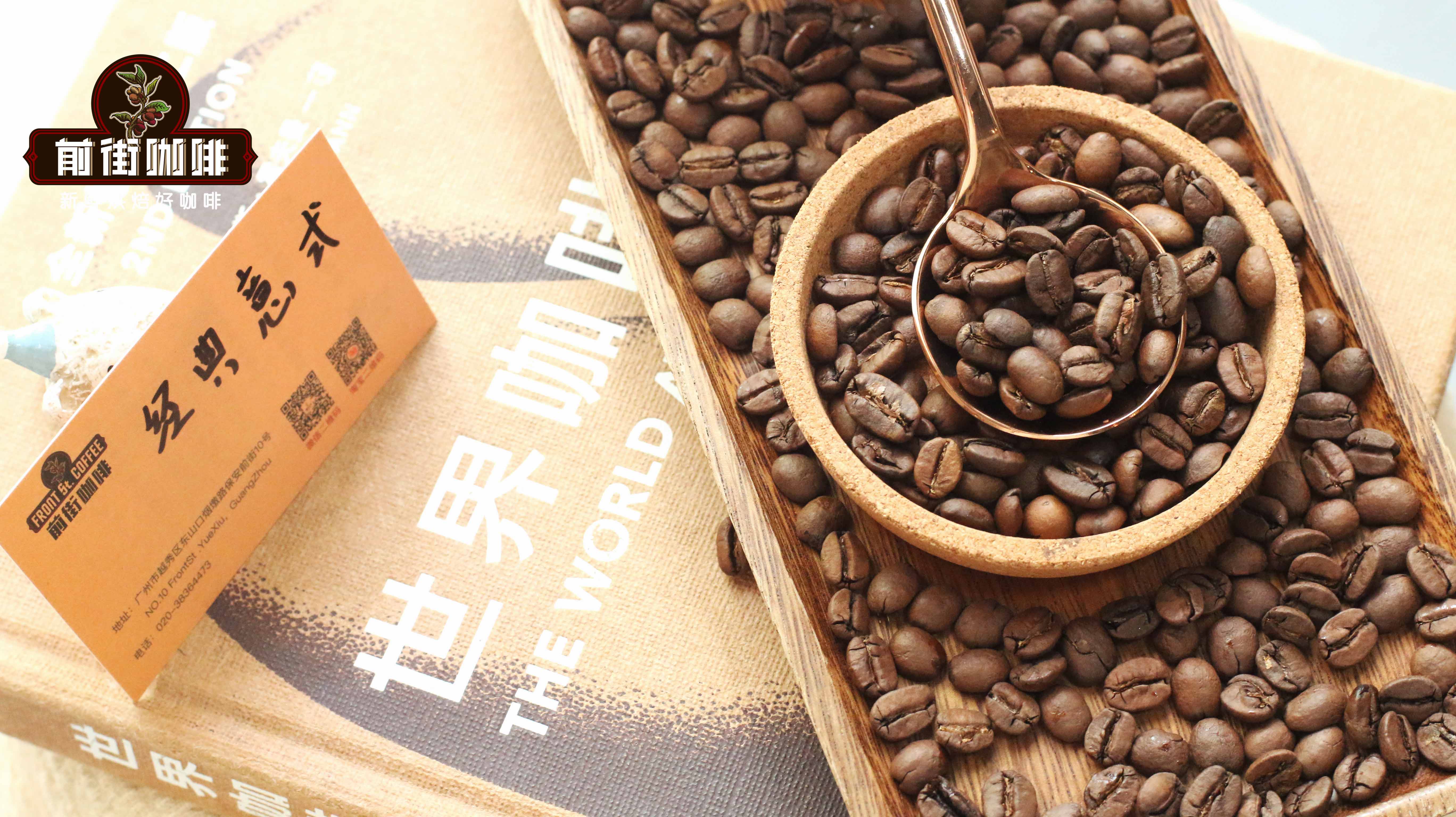
In addition, Front Street has also created a full-bodied traditional blend—Front Street Classic Italian Blend Coffee, composed of coffee beans from Brazil, Indonesia, and Vietnam. It uses a dark roast to maximize the coffee's rich aromatic qualities while making extraction easy, with abundant, dense crema. Whether made into an Americano diluted with water or a latte paired with milk, it handles both with ease and can be purchased from the Front Street Taobao store or the Front Street Tmall flagship store.
Front Street has also noticed that, besides conventional blend beans, an increasingly popular category is appearing on the menus of more and more coffee shops—SOE coffee.
SOE is short for "Single Original Espresso," literally meaning single-origin espresso, clearly distinguished from House Blend Espresso. It is not hard to see that SOE, emphasizing a single origin, usually uses beans with a lighter roast level, aiming to showcase a rich yet light layering that differs from traditional bitter coffee—such as the citrus-lemon notes of Ethiopian beans, the raisin honey sweetness of Costa Rica, the tomato-berry acidity of Kenya, and the floral-honey charm of Panama Geisha. The higher the recognizability, the easier it is for consumers to remember the characteristics of SOE, but from a cost perspective, higher-quality single-origin beans naturally come at a higher price.
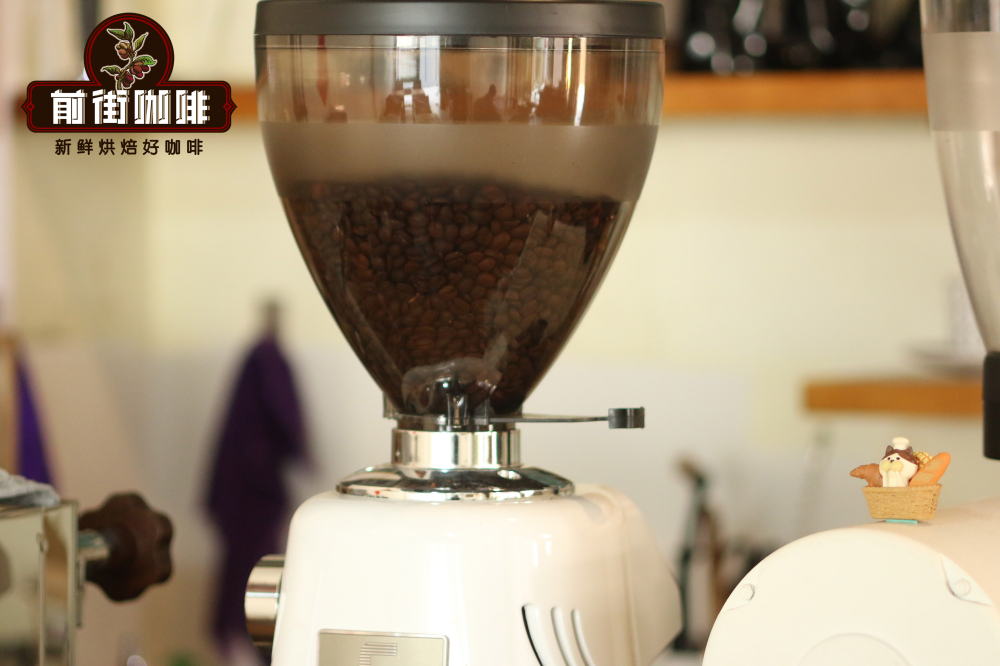
When extracting espresso from coffee beans with a lighter roast level, because the beans are heated for a shorter time and have a harder internal texture, flavor compounds are not easily released fully, and once milk is added, the result tends to taste weak. Therefore, various parameters need to be adjusted to increase the extraction yield, such as lengthening the extraction time, raising the water temperature, making the grind finer, and increasing the dose. The difficulty of operation is considerably higher than with dark-roasted beans. Front Street believes that to present the unique style of SOE, every step is indispensable: quality coffee beans, an appropriate roast level, corresponding grinding parameters, and proper extraction.
It is precisely because this type of bean is roasted far lighter than traditional espresso beans that the purpose of extracting espresso is to express the bean's own flavors, with weaker bitterness, elegant aroma, and a thinner, less heavy body. So when making a latte with single-origin beans, if the proportion of milk is too large, it easily drowns out the "coffee taste." When Front Street makes an SOE latte, it controls the ratio of coffee to milk at 1:5, which both showcases the fresh sweetness of the milk and does not overshadow the brilliance of the SOE coffee beans.
Below, Front Street uses a store staple single-origin—Mirazu Strawberry Candy—to demonstrate how to extract a sweet and delicious SOE latte. This bean comes from a Geisha blend from Costa Rica's Mirazu Estate, using a raisin honey process. The extracted espresso carries rich notes of rose, dried fruit, and strawberry fruit candy, and is equally appealing whether made into an Americano with water or a latte with milk.
The equipment used at Front Street's store is a Lelit Bianca espresso machine paired with a Galileo Q18 espresso grinder. As for home espresso machines, as long as they can reach 9 bar of pressure, they are sufficient for espresso extraction and milk frothing.
Extraction parameters for Strawberry Candy · Geisha Blend SOE
Coffee beans: Costa Rica · Strawberry Candy
Coffee dose: 20g
Coffee liquid yield: 40g
Dose-to-yield ratio: 1:2
Extraction time: 26–32 seconds
Grind setting: Galileo Q18 setting 2.0
Milk volume: 200g
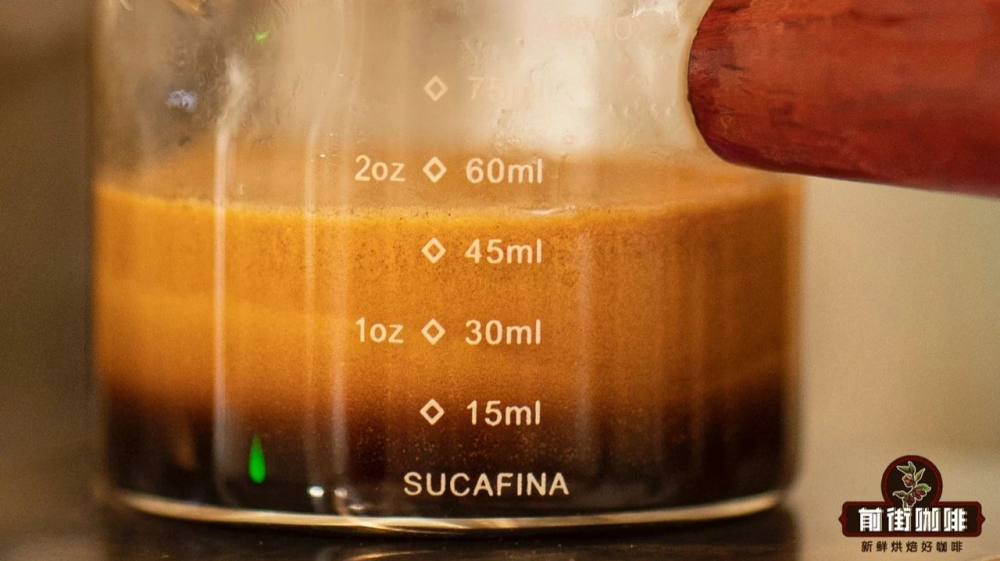
Front Street uses a double basket with a capacity of about 18–20 grams, taking 20 grams of coffee powder for production. Usually the dose-to-yield ratio falls between 1:1.5 and 1:2.5. Front Street chooses an extraction ratio of 1:2, meaning 20 grams of powder extracts 40 grams of coffee liquid. The extraction time is related to the flow rate of the coffee powder and is generally controlled within 20–35 seconds per shot—under 20 seconds the taste is usually thin, while over 35 seconds it tends to be over-extracted with burnt bitterness. Front Street's espresso mostly stays at 28–30 seconds.
Before extraction, wipe the basket clean, start the grinder to grind a double dose of coffee powder, place it on an electronic scale and adjust until it is exactly 20 grams. Then use a distribution tool to level the surface of the powder, and use a tamper to apply force vertically downward to compact the puck, ensuring a more stable extraction process.
Next, turn on the extraction switch and let water run for 1–2 seconds, moistening the group head while flushing away residual coffee grounds. Place an electronic scale under the cup receiving the espresso and tare it to zero, keeping it under the group head during extraction. Gently lock the portafilter onto the group head and flip down the extraction switch. Watch the changes in the extracted liquid: when the electronic scale shows the coffee liquid has reached 40 grams and the time is about 30 seconds, flip the switch down to stop extraction, then pour the extracted espresso into a pre-prepared coffee cup and set aside.
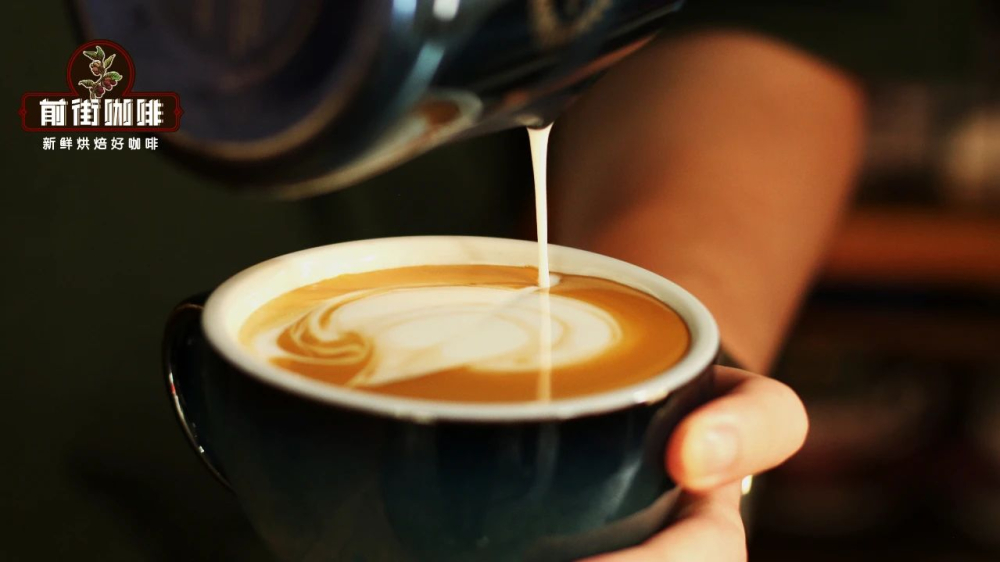
Then, pour 200g of low-temperature fresh milk into a milk pitcher, adjust the angle of the steam wand and begin frothing. Be careful to keep the milk foam thickness at 0.3–0.5cm and the temperature at 55–60℃, frothing until dense and silky. After frothing is complete, fully incorporate it with the coffee liquid, and finish with latte art. A Geisha blend SOE hot latte is then complete.
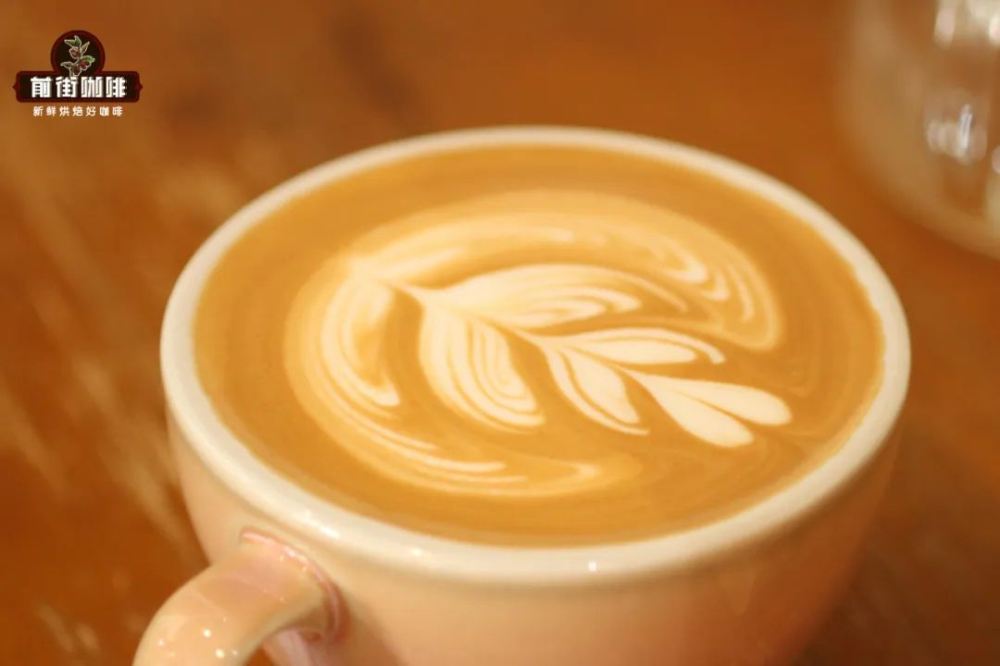
When Front Street tastes it, one can sense the coffee's rich floral-fruity aroma, with notes of berries, pink florals, raisins, and almonds on the entry. Set off by the coffee crema, this SOE latte also carries a substantial finish of chocolate and hazelnut, like eating a cranberry cookie—exceptionally distinctive.
The above content is compiled by CoffeeHunters, a coffee news website.


