







What Does SOE Coffee Mean in a Cafe?
SOE coffee stands for Single Origin Espresso, espresso pulled from beans of one origin rather than a blend. Cafes that offer it usually run two espresso grinders, one for a traditional blend and one dedicated to the single-origin option. The upgrade typically costs an extra 3 to 10 yuan, depending on the city and the bean quality.
Single-origin beans trace to one place and highlight regional flavor, while blend coffee combines beans from two or more origins for cost, consistency and taste. SOE sits inside the wider single-origin category but is defined by the espresso method. A Yirgacheffe SOE can be served as straight espresso, americano or a milk drink such as Dirty.
In recent years, SOE coffee has become increasingly common in community cafes, with many shops equipped with two espresso grinders—one for traditional blend beans and the other dedicated to SOE. SOE stands for "Single Origin Espresso," referring to espresso made from coffee beans of a single origin. It intersects with, but is not entirely equivalent to, the broader concept of single-origin coffee beans. Blends, on the other hand, mix beans from multiple origins for cost, consistency, and flavor purposes. Drawing on the experience of Front Street Coffee baristas, this article explains the key points for selecting SOE beans and shares detailed parameters and steps for making Yirgacheffe SOE espresso, americano, and Dirty using Front Street Konga single-origin beans, helping enthusiasts make delicious SOE at home.
In recent years, SOE coffee has remained highly popular. Many newly opened community coffee shops are equipped with at least two espresso grinders, one holding traditional-flavor coffee beans (usually blends) and the other dedicated to SOE coffee beans. SOE is often seen as an upgraded option to traditional blend coffee beans, available for an extra charge that varies by city consumption level and coffee bean quality, roughly between 3 and 10 yuan.
Now, allow Front Street to clarify these terms and help everyone sort out the concepts:
SOE is the abbreviation of "Single Origin Espresso," which in Chinese means single-origin espresso, referring to espresso extracted specifically from coffee beans of a single origin.
Single-origin coffee beans correspond to the English term Single Origin Coffee Bean, referring to coffee beans from the same origin. In a broad sense, it encompasses all single-origin coffee beans, including SOE. Influenced by the specialty coffee trend, traceability of single-origin coffee is becoming increasingly detailed.
Blend coffee beans, on the other hand, are a deliberate mix of coffee beans from two or more origins (usually by producing country) for reasons of cost, consistency, and flavor. Blends are also divided into espresso use and pour-over use, with espresso blends being the primary category.
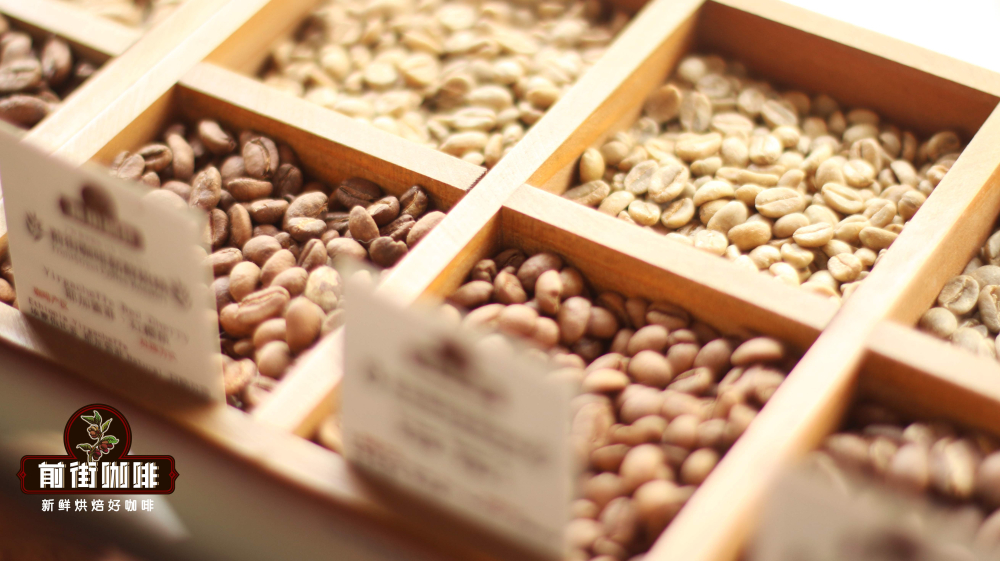
Single-origin coffee emphasizes regional flavor and traceability stories. It was initially extracted through pour-over, siphon, and other methods, and was gradually introduced into the espresso domain, thus forming "SOE."
What coffee beans are suitable for SOE?
Front Street has found that many people mistakenly assume SOE simply means putting single-origin beans directly into an espresso machine to extract a single-origin espresso series. It is not until they buy beans with various floral and fruity notes, try them with a coffee machine, and discover it is completely wrong. First comes the spluttering gush, then the extremely sour and astringent espresso scares them from taking a second sip, and they begin to suspect their equipment is inadequate or they made an operational error somewhere.
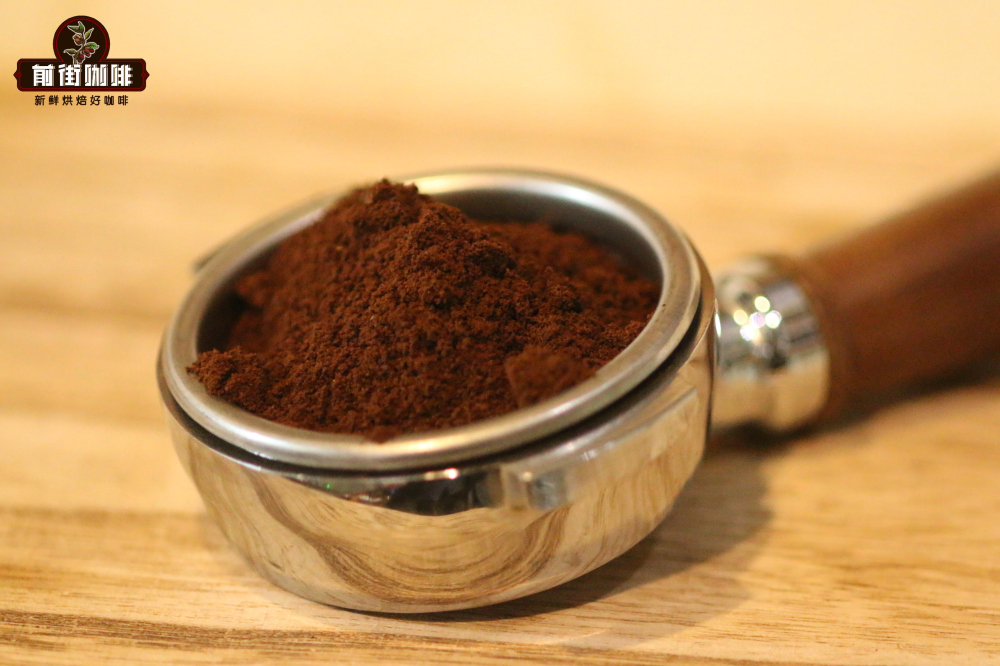
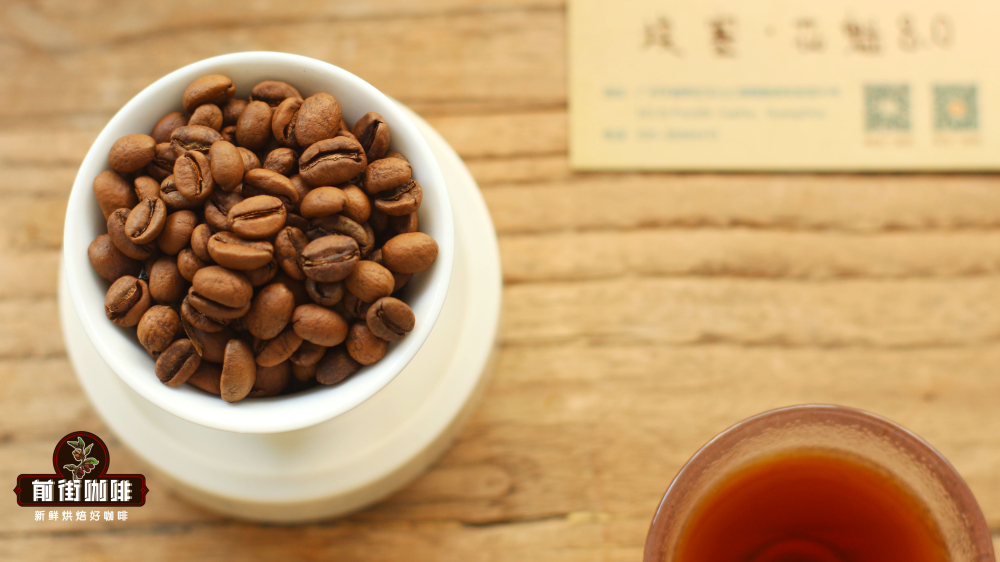
In fact, if you cannot make the same SOE at home as in the shop, the problem is likely not the equipment or technique, but rather that the roast level of the coffee beans themselves is not suitable for espresso extraction. According to the experience of Front Street Coffee baristas, choosing coffee beans suitable for SOE extraction not only makes it easy to produce delicious espresso, but also makes americano or latte with added water or milk twice as effective. On Front Street's bean list, two single-origin coffees are available in SOE versions: Front Street Huakui with strawberry aromas, and Front Street Konga with classic Yirgacheffe flavors. Simply select espresso roast when ordering.
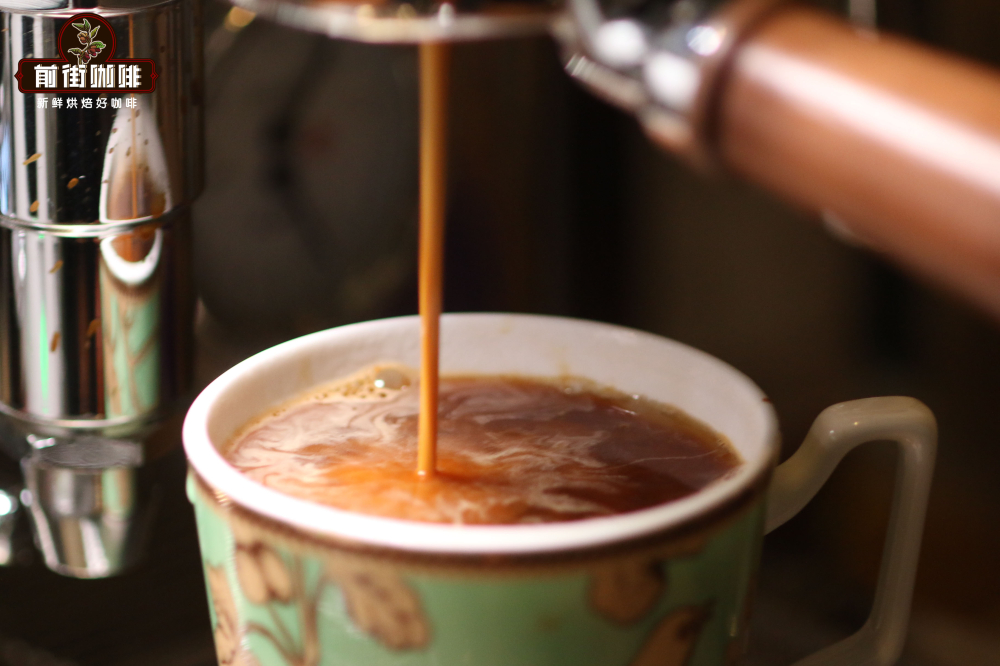
Let us show you how to make a cup of SOE Yirgacheffe Dirty using Front Street Konga single-origin beans.
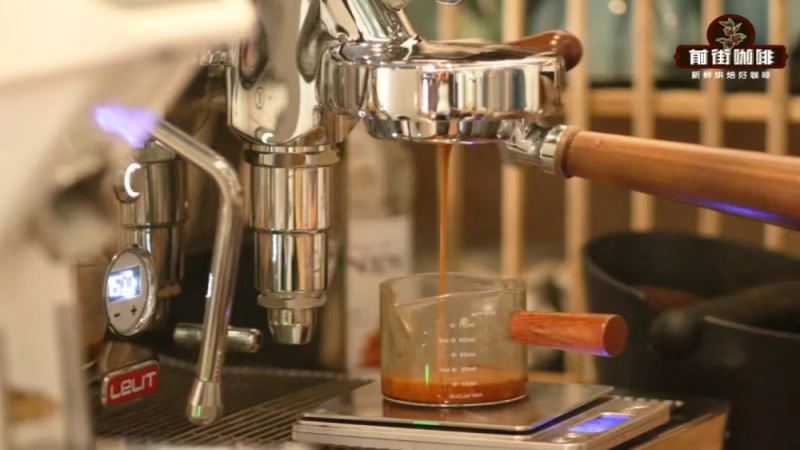
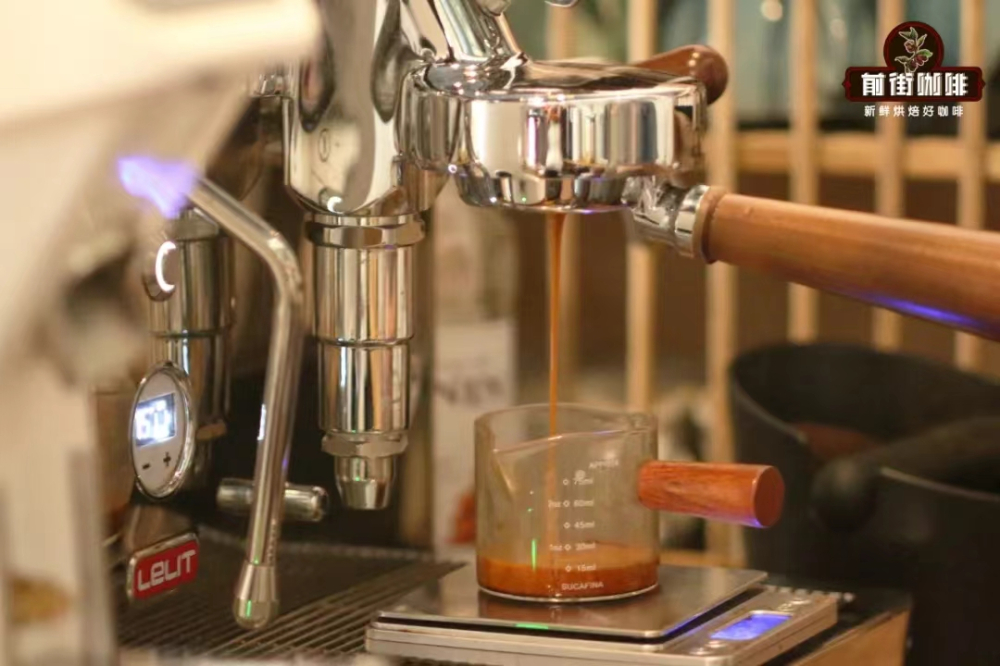
The coffee machine used at Front Street's shop is a commercial single-group "Lelit Bianca," which can adjust extraction by changing pressure, with a maximum pressure of 11 bar. A home coffee machine only needs to reach 9 bar pressure to meet the needs of extraction and milk frothing, paired with an espresso coffee grinder.
SOE Coffee Extraction Parameters
Coffee beans: Front Street Ethiopia Sun-Dried Konga
Coffee dose: 20g
Coffee liquid yield: 40g
Dose-to-yield ratio: 1:2
Extraction time: 26–33 seconds
Grind setting: Galileo 2.0
Front Street uses a double basket with a capacity of about 18–20 grams, taking 20 grams of coffee grounds for the shot.
Typically, the ratio of coffee grounds to coffee liquid is between 1:1.5 and 1:2.5. Front Street uses an extraction ratio of 1:2, meaning 20 grams of coffee grounds yield 40 grams of coffee liquid. Time is related to the flow rate of the coffee; generally, a single extraction is controlled between 20 and 35 seconds, because under 20 seconds the coffee tends to taste thin, while over 35 seconds it easily over-extracts and develops burnt bitterness. Front Street's espresso mostly falls in the 28–30 second range.
Front Street's procedure is to first wipe the basket dry, turn on the grinder to grind a double dose of coffee grounds, and place it on an electronic scale to adjust to 20 grams. Then use a tool to distribute the grounds evenly and tamp the coffee puck firmly to ensure stable extraction. Next, turn on the extraction switch to release water, wetting the brew head while flushing away residual coffee grounds. Gently and slowly lock the portafilter onto the brew head, flip the switch down to start extraction. When the electronic scale shows the coffee liquid has reached 40 grams and the time is about 28–33 seconds, pull the extraction switch down, and a cup of SOE espresso is complete. You can add an appropriate amount of ice water or 80°C hot water according to personal preference to make a cup of Yirgacheffe SOE americano.
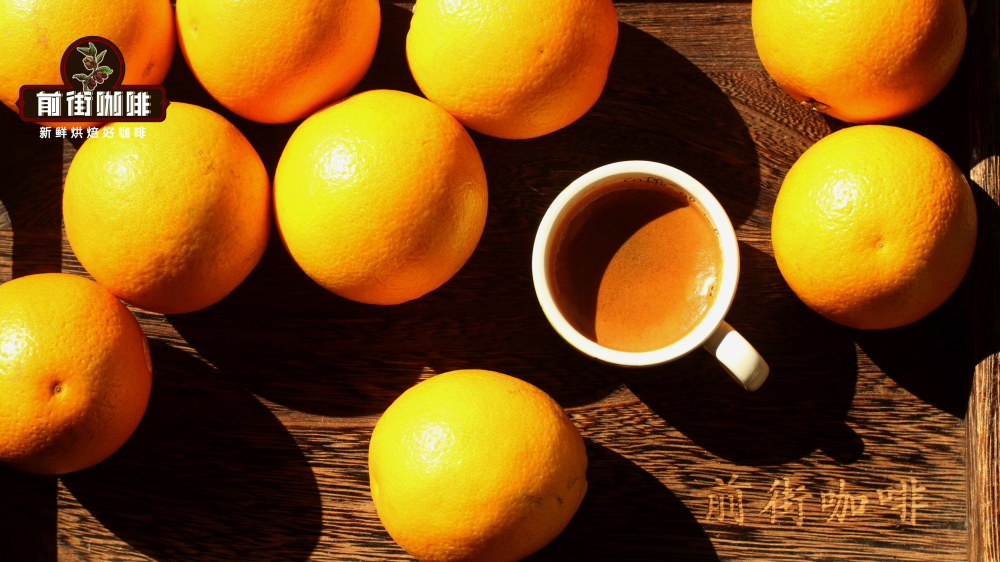
When making SOE hot latte, Front Street uses a 1:6 ratio, adding 40 grams of espresso to a preheated coffee cup, then using the espresso machine's steam to froth 240g of milk. The milk temperature is best controlled between 50–65°C to form a dense, moderately thick milk foam, then evenly blend with the coffee liquid. The resulting Yirgacheffe SOE latte tastes like eating a lemon-flavored cookie—rich, fragrant, and smooth, leaving you warm all over after drinking.
For professional coffee knowledge exchange and more coffee bean information, please follow Coffee Workshop (WeChat official account: cafe_style). For more specialty coffee beans, please add the private WeChat of Front Street Coffee: qjcoffeex
The above content is compiled by CoffeeHunters, a coffee news website.


