







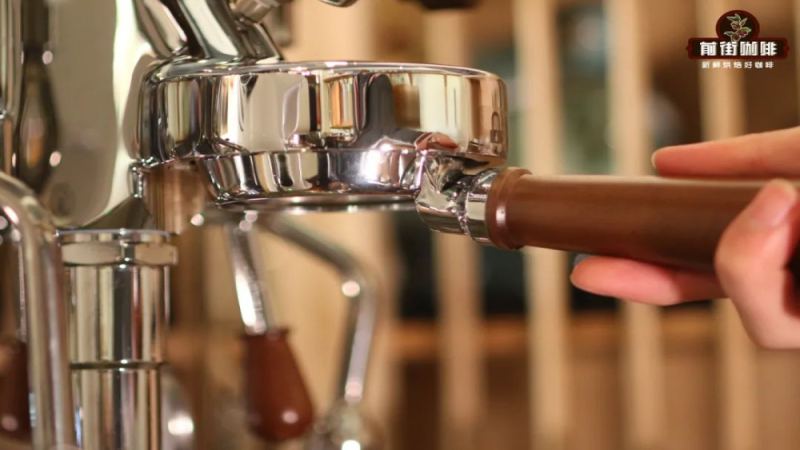
What Is SOE Coffee and How Does It Differ From a Blend?
SOE coffee is single-origin espresso: espresso pulled from beans of one origin and one variety rather than a blend. The style broke from traditional Italian blends by letting regional character show through, and it moved into the mainstream after a London competitor won the WBC World Barista Championship with it around 2010. Any single origin works, from affordable Brazil to pricey Geisha.
Three variables decide the cup: dose, yield, and extraction time. SOE beans usually cost more than blend components because the green coffee is bought as a specific lot rather than as a blending input. Roast level also sets SOE apart from pour-over beans, since espresso beans are typically developed for pressure extraction, while the same lot may be offered at a lighter roast for filter.
SOE has been a hot topic in the specialty coffee scene in recent years. It breaks the framework of traditional Italian blends by using single-origin coffee beans to make espresso. This article starts with the definition and history of SOE, sorts out the differences between single-origin beans, blend beans, pour-over beans, and espresso beans, explains why SOE coffee beans tend to be more expensive, and recommends several coffee beans that work well for both pour-over and SOE. Finally, using Huakui SOE as an example, it shares in detail the parameters and steps such as dose, yield, and extraction time to help coffee lovers consistently produce a delicious SOE at home.
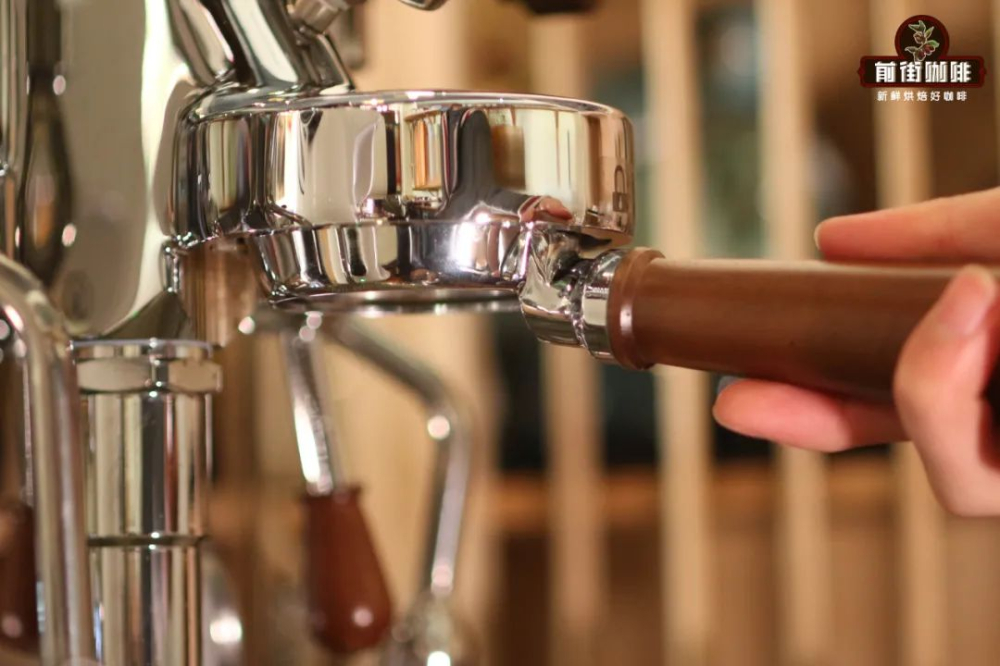
Classic Italian coffee has long been known for being rich and full-bodied, aromatic, and with a sweet finish. It usually relies on dark-roasted coffee beans to present nutty and chocolate notes, and it has a large and loyal following. Over a long period of evolution, Italian coffee gradually developed a new path that no longer depends on blend beans—directly extracting espresso from single-origin coffee beans. This kind of espresso made from a single origin and a single variety is called SOE.
What exactly is SOE
SOE is the abbreviation of Single Origin Espresso. Literally, it means espresso made from a single origin and a single variety. To put it more plainly, it is single-origin espresso. It is not hard to understand: if you order a SOE in a café, the shop will choose single-origin beans from a certain origin to extract. Whether it is an expensive Geisha or an affordable Brazil, what is made counts as SOE; the only difference is the level of quality. SOE overseas can be traced back as early as 2007, and it gradually matured around 2010. At that time, a competitor from London won the WBC World Barista Championship with SOE coffee. After that, SOE entered the public eye and gradually became popular.
Many friends often confuse the differences among SOE, single-origin coffee beans, blend beans, pour-over coffee beans, and espresso coffee beans. Front Street briefly explains here. If divided by use, they can be grouped into two categories: pour-over beans used for drip extraction, represented by pour-over, and espresso beans used for pressure extraction, represented by espresso machines. The main difference between the two lies in the roast level.
Single-origin coffee beans refer to beans from a single origin. It should be noted that single origin only emphasizes the source of origin and does not require a single variety. Blend coffee beans are artificially combining beans from more than two origins in pursuit of richer flavor, more stable performance, or a more favorable price. Therefore, strictly speaking, mixing different varieties of beans from the same origin (estate) cannot be considered blend beans.
SOE specifically refers to espresso extracted from single-origin coffee beans, and SOE coffee beans are single-origin coffee beans roasted to a level suitable for espresso extraction.
Why are SOE coffee beans usually more expensive than blend beans?
The reason is not complicated: the raw materials merchants choose for SOE are of better quality, so the cost is naturally higher.
Logically speaking, espresso made from beans from a certain pure Brazilian origin can also be called SOE, but this practice is almost never seen on the market. The reason is that espresso extracted this way is not necessarily better than blend beans. Therefore, beans that dare to carry the SOE label must have a unique flavor that is different from traditional blends, enough to impress consumers and make them willing to pay. As a result, many small-origin Ethiopian beans are used as SOE, because Ethiopian beans are known for citrus and floral notes. With a slightly lighter and bolder roast, they can bring a completely different espresso experience.
In fact, using high-quality beans for blends also costs a lot, and the flavor is no worse than SOE. For example, Front Street Strawberry Candy Espresso Blend combines selected single-origin beans from three major origins—Colombia, Ethiopia, and Costa Rica—showing rich layers of strawberry gummy candy, rose, orange, and candied fruit, and it is deeply loved by customers.
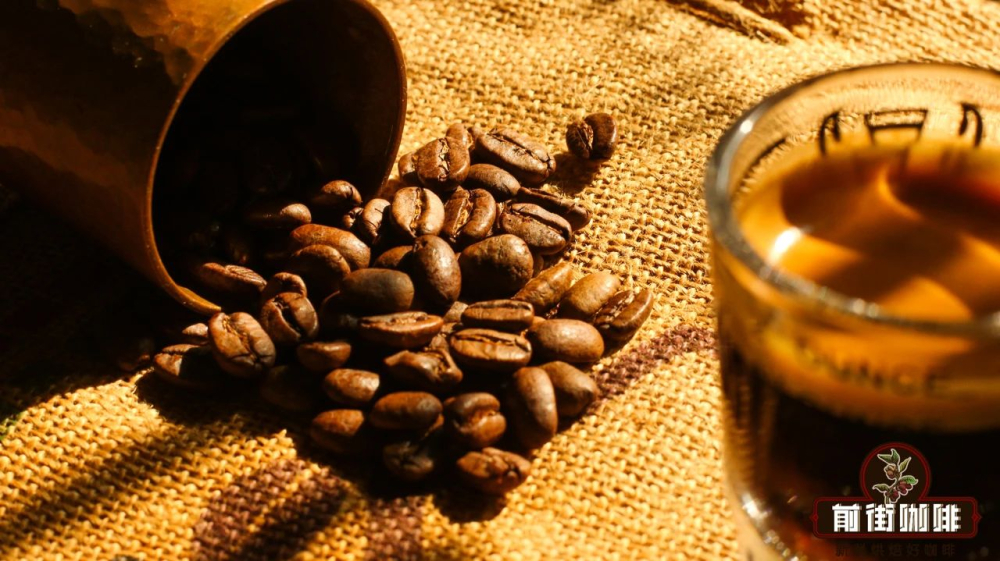
Influenced by historical factors, the word "blend" has formed a stereotype in many people's minds. This is also why many merchants are unwilling to use high-quality blends, while the term SOE happens to form a sharp contrast with blends.
Which coffee beans can be used for both pour-over and SOE?
Front Street previously mentioned that pour-over beans and espresso beans differ in roast level, because some beans are roasted lighter in order to highlight a strong fruity acidity, and when extracted with an espresso machine they tend to produce sharp, harsh flavors. However, some beans are roasted at a level that accommodates both pour-over and espresso SOE.
For example, Front Street Brazil Queen Estate Yellow Bourbon uses a medium-dark roast. When brewed as pour-over, it presents a rich chocolate and peanut butter mouthfeel, and the sucrose sweetness is also very prominent. When used to extract SOE, it can also produce thick crema, with a full chocolate and nut aroma on the palate, without burnt bitterness, and with very high sweetness.
Another one is Yirgacheffe Red Cherry, which Front Street roasts at a medium-light level. The pour-over result has sweet berries, fruity acidity, cream, and fermented aromas. Because the roast level is not too light, it is also suitable for espresso machines. The SOE made from it has a charming strawberry fruit aroma, a fruity acidity on the palate, accompanied by caramel cream aroma and a black tea finish.
Also in the Ethiopian origin, there is a high-altitude Front Street Natural Huakui, which has become a daily staple for many people because of its full and rich strawberry and citrus aromas. However, if medium-light roasted beans are used directly to make SOE, it is prone to splattering, sourness, and astringency. Therefore, in order for enthusiasts to make Huakui SOE at home, Front Street has also launched a medium-roast SOE option; just check it when ordering.
Extraction parameters for SOE Huakui Espresso
Coffee beans: Ethiopia · Huakui
Coffee dose: 20g
Coffee yield: 40g
Dose-to-yield ratio: 1:2
Extraction time: 26–32 seconds
Grind setting: Galileo 2.0
The coffee machine used by Front Street has a double basket capacity, requiring 20 grams of coffee powder each time and extracting at a 1:2 dose-to-yield ratio, that is, 40 grams of coffee liquid flowing out within a reasonable time. The extraction time is related to the flow rate of the coffee powder and is generally controlled within 20–35 seconds per extraction; less than 20 seconds tends to make the taste thin and weak, while more than 35 seconds tends to over-extract and produce burnt bitterness. Therefore, when producing, Front Street stabilizes the espresso time within the 26–32 second range.
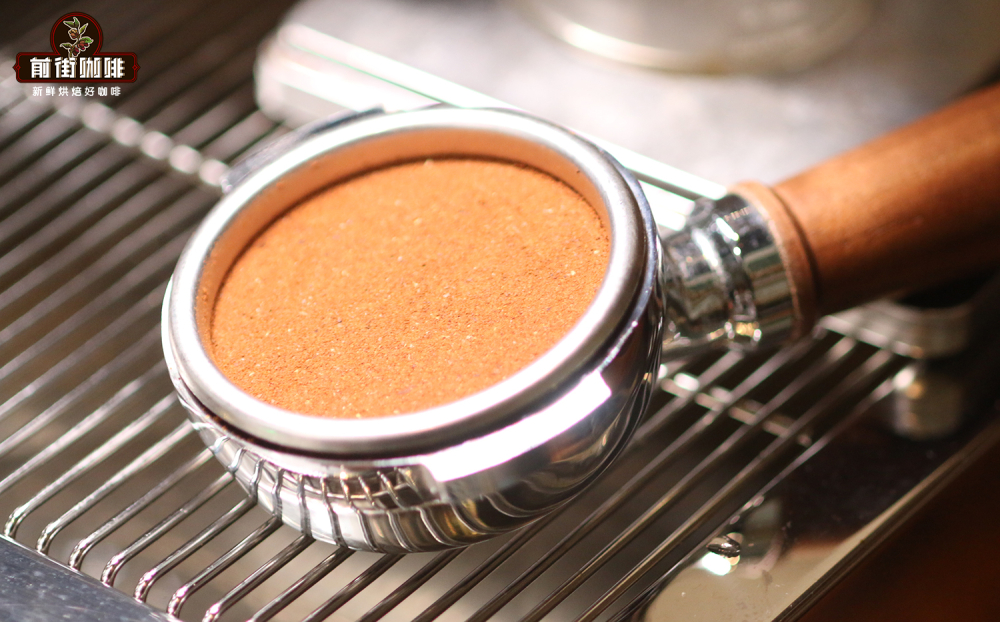
Before extraction, first wipe the basket dry, turn on the grinder to grind a double dose of coffee powder, and place it on an electronic scale to weigh and adjust until it is exactly 20 grams. Then use a distribution tool to level the powder surface, and then use a tamper to press the puck vertically downward to ensure more stable extraction.
Then turn on the extraction switch and let water run for 1–2 seconds to wet the group head, while also rinsing off any coffee grounds stuck on it. Place an electronic scale under the cup for Espresso and tare it to zero, and place it under the group head during extraction as well.
Gently lock the portafilter onto the group head and toggle down the extraction switch. Pay attention to changes in the extracted liquid. When the electronic scale shows that the coffee liquid has reached 40 grams and the time is about 30 seconds, pull the switch down to stop. Brewing parameters will change slightly with daily air humidity and bean condition, so the dose, grind setting, and yield need to be adjusted accordingly.
The extracted Huakui SOE can be mixed with ice water or warm water at a 1:4 ratio to make a refreshing SOE Huakui Americano; or mixed with steamed fresh milk at a 1:6 ratio to soften the mouthfeel, making a delicious SOE Huakui Latte.
The above content is compiled by CoffeeHunters, a coffee news website.


