







What do SOE coffee beans mean and how are they extracted?
SOE stands for Single Origin Espresso, espresso pulled from beans of one origin only, whether that means a country, a region or a single farm. Coffee shops now list several, from Huakui and Geisha to Yirgacheffe, usually at a slightly higher price than standard blended espresso drinks.
Because origin flavors come through directly rather than being balanced by a blend, SOE coffee needs tighter parameters: a finer grind, higher water temperature and controlled pressure. The article walks through bean selection for SOE Huakui and gives americano and latte ratios so the cup stays clear and balanced at home.
These days, many coffee shops offer a "switch to SOE" option, from Huakui and Geisha to Yirgacheffe. These single-origin espressos often carry distinctive flavor labels and are priced slightly higher than regular espresso drinks. What exactly makes SOE different from blended espresso? Which coffee beans are better suited for SOE? In this article, Front Street will focus on SOE Huakui coffee beans and walk through the entire process, from bean selection to espresso extraction parameters and the ratios for making americano and latte, helping you make a cup of SOE coffee with clear flavors and balanced taste at home.
Have you noticed that many coffee shop menus now include a "switch to SOE" option, and some shops even offer several SOEs from different origins at once, such as SOE Huakui, SOE Geisha, SOE Yirgacheffe and the like. They usually come with a unique flavor description, can be made into common drinks like americano, latte, and flat white, and are priced a bit higher than the regular versions. What is the reason behind this? Today Front Street will talk about exactly how SOE differs from the espresso drinks you have every day.
What exactly does SOE mean?
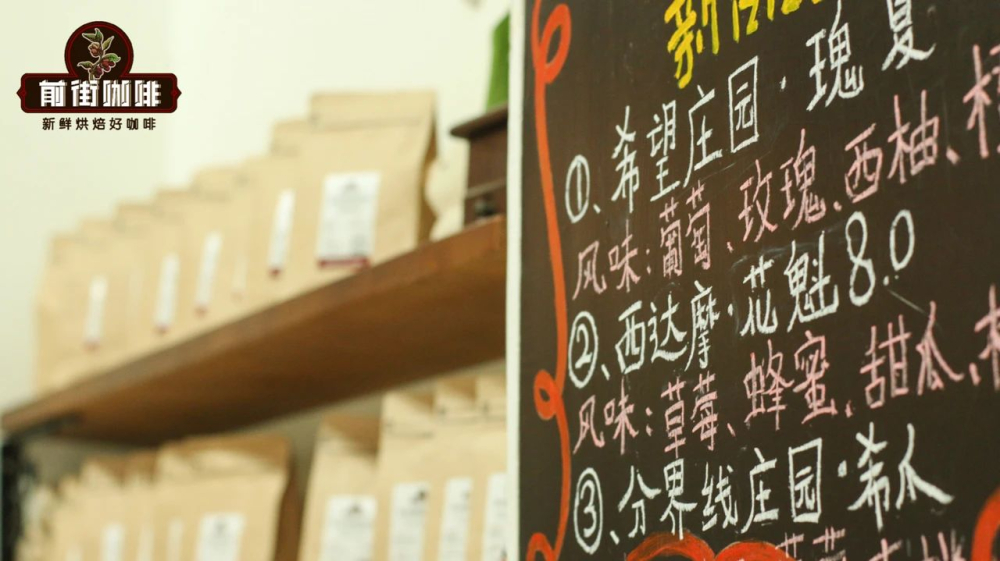
S=single, O=original, E=espresso. From the literal meaning, SOE is espresso extracted from coffee beans of a single origin. The definition of "origin" can be as broad as a country or region, or as narrow as a cooperative, estate, or farm—as long as the coffee is harvested from the same batch, it counts as single-origin coffee. For example, the dozens of coffees from different origins listed on the small blackboard on the left side of Front Street's bar are all single-origin coffees, which Front Street usually serves as pour-over. Single-origin coffee is built on the concept of specialty coffee, and its core is to highlight origin flavors, so it also belongs to specialty coffee. In the past, coffee shops mostly presented single-origin coffees as pour-over, but in recent years the single-origin concept has continued to gain popularity, and more and more single-origin beans are being used for espresso extraction.
People who often drink americano and latte should know that these coffees all come from the same espresso machine, and a barista can often finish a cup in two or three minutes, much faster than pour-over. Espresso is extracted quickly under fine grinding, high water temperature, and high pressure. The concentrated liquid contains a variety of tastes, and the flavor compounds stimulate the taste buds many times over, so it is usually drunk after adding water, milk, or other ingredients.
The opposite of SOE is blended espresso. A blend combines coffee beans from more than two origins, mostly using medium-dark to dark roasting, and the finished product presents a balanced and rich aroma. SOE and blends are both concepts within the espresso system. Coffee shops that offer SOE have simply switched the beans to a single origin, such as Ethiopia's Yirgacheffe or Huakui. To stand out from traditional blend beans, the market often chooses slightly lighter-roasted coffee to amplify acidity and fruity notes, and when ordering, this is emphasized, so customers naturally get the idea of "switching to SOE."
Which coffee beans are suitable for SOE?
To show the unique style of SOE, every step must not fail: high-quality green beans, a suitable roast level, matching grinding parameters, and proper extraction. Adjusting espresso extraction also requires considering subtle fluctuations such as ambient humidity, extraction time, grind size, dose, and brew ratio, making consistent output more difficult. In Front Street's view, choosing a bean suitable for SOE not only makes it easy to extract a delicious espresso, but also makes it much easier to add water or milk afterward to make americano or latte.
If you want to make SOE at home, Front Street suggests choosing medium-dark roasted or flavor-forward single-origin beans, which helps avoid the strong stimulating sensation caused by roasting factors. For example, Front Street Brazil Queen's Estate coffee beans use medium-dark roasting, and the extracted SOE has chocolate, roasted hazelnut, cream, and a clear sweet sugarcane-like finish; while when Front Street uses Costa Rica·Mozart coffee beans for SOE, it presents dried fruit, tropical fruit, and light floral notes. If you prefer fresh and bright berry-like sweet acidity, Front Street suggests buying medium-roasted Huakui SOE coffee beans. It not only makes it easy to extract a delicious espresso, but when water or milk is added to make americano or latte, the result will be twice as good with half the effort.
Extraction parameters for SOE Huakui espresso
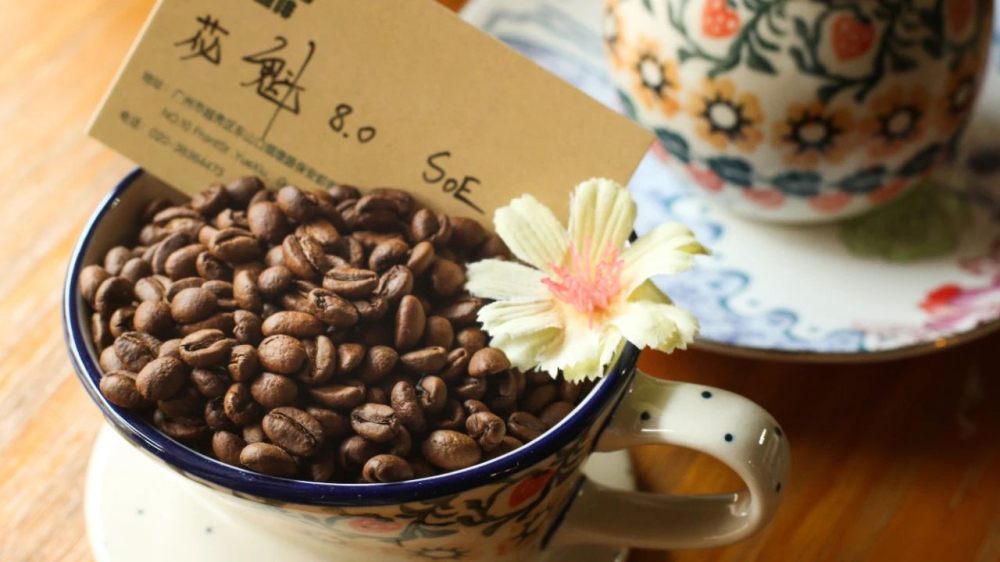
Coffee beans: Ethiopia·Huakui 8.0
Coffee dose: 20g
Coffee liquid yield: 40g
Dose-to-yield ratio: 1:2
Extraction time: 26–32 seconds
Grind setting: Galileo 2.0
The coffee machine Front Street uses has a double basket capacity, so 20 grams of coffee powder are needed each time, and the extraction dose-to-yield ratio is 1:2, meaning 40 grams of coffee liquid are yielded within a reasonable time. The extraction time is related to the flow rate of the coffee powder, and a single extraction is usually controlled between 20 and 35 seconds: less than 20 seconds tends to taste thin and weak, while more than 35 seconds tends to over-extract and produce a burnt bitter taste, so Front Street keeps the espresso time stable within the range of 26–32 seconds when serving.
Before extraction, first wipe the basket dry, turn on the grinder to grind a double dose of coffee powder, and place it on an electronic scale to weigh and adjust until it is exactly 20 grams. Then use a distribution tool to level the coffee powder, and use a tamper to press straight down with force to compact the puck, making the subsequent extraction more stable.
Then turn on the extraction switch and let water run for 1–2 seconds to wet the group head, also rinsing away the coffee grounds stuck to it. Place an electronic scale under the cup for catching the espresso and zero it, then place it together under the group head during extraction.
Gently lock the portafilter onto the group head and flip down the extraction switch. Watch the changes in the extracted liquid. When the electronic scale shows the coffee liquid has reached 40 grams and the time is about 30 seconds, flip down the extraction switch. Brewing parameters will change slightly with daily air humidity and the condition of the coffee beans, so the dose, grind setting, and extracted coffee liquid yield need to be adjusted up or down.
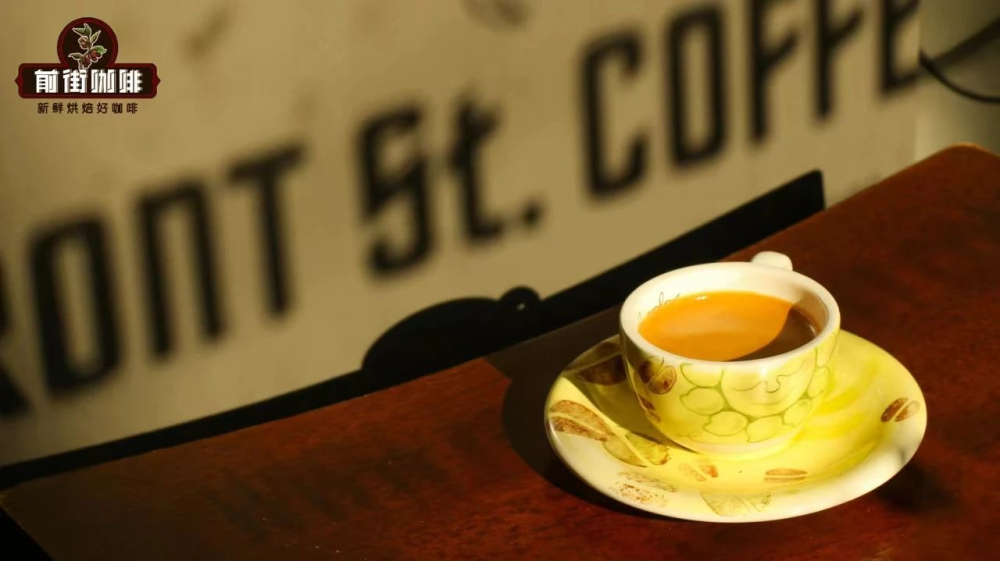
The extracted Huakui SOE can be drunk directly. Remember to pair it with a glass of water to rinse your mouth, and you can feel the dense crema foam and the rich tropical fruit aroma of the coffee liquid underneath. If you cannot accept the strong bitterness of espresso, you can of course follow your own preference and add 160g of ice water or warm water at a 1:4 ratio to make a refreshing SOE Huakui americano; or add 240g of frothed fresh milk at a 1:6 ratio to soften the taste, and it becomes a delicious SOE Huakui latte.
No matter how you extract a coffee bean, Front Street believes freshness is crucial. If you use beans roasted more than a month ago, some of the aroma may already have been lost, and an unpleasant woody taste may also develop. Front Street hopes every customer who places an order can taste the coffee aroma within the best flavor period, so we only ship beans freshly roasted within 5 days. To make SOE coffee with better flavor, Front Street suggests choosing freshly roasted single-origin coffee beans.
The above content is compiled by CoffeeHunters, a coffee news website.


