







Search Results for: Singapore coffee shops
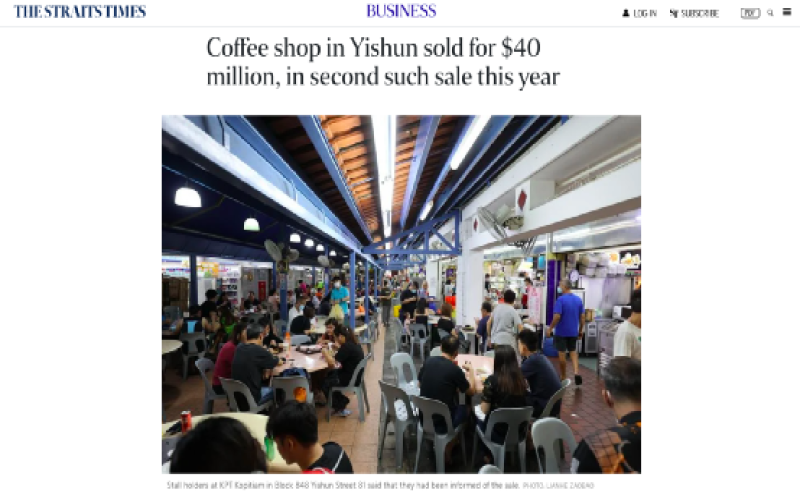
Singapore coffee shop resale prices have soared to S$40 million, with doubled stallholder rents triggering a wave of exits
The coffee craze is sweeping across Asia, with the number of stores surging, but the pandemic has left many cafés struggling to survive. In Singapore, the transfer fee for a coffee shop reached as high as 4,000,000 Singapore dollars, equivalent to nearly 200 million RMB. Another coffee shop in Tampines was sold for 41,680,000 Singapore dollars, and the stallholder's rent immediately doubled, from 6,000 Singapore dollars to 12,000 Singapore dollars, prompting many stallholders to consider downsizing or even exiting. Investors are betting on a return of consumption after the pandemic eases, but rising interest rates may dampen bidding enthusiasm. The predicament of rising costs and severed customer traffic under the pandemic is a microcosm of coffee shops worldwide. Front Street Coffee reminds us that while the dream of coffee is beautiful, the real costs should not be underestimated. [more…]
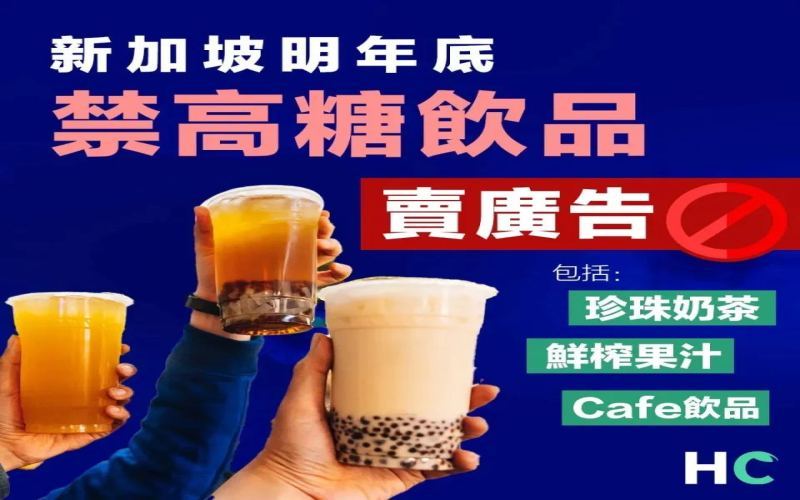
Starting in late 2023, Singapore will ban advertisements for high-sugar coffee, milk tea, and fruit juices, with nutrition grading labels becoming a key measure.
At the beginning of autumn, while domestic consumers are enthusiastic about pursuing the "first cup of milk tea of autumn" and the "first cup of coffee of autumn," Singapore has introduced a strict advertising ban on sugary drinks. Singapore's Minister for Health, Ong Ye Kung, announced at an event on August 11 that, in order to curb the high incidence of diabetes, starting from the end of 2023, drinks with relatively high sugar and trans fat content will be completely prohibited from advertising. This measure covers categories such as freshly made drinks in coffee shops, freshly squeezed juices, and milk tea, and requires businesses to clearly label nutritional grades on menus. Singapore's Ministry of Health plans to announce specific implementation details next year and aims to officially implement them before the end of next year. This policy is not only intended to help consumers identify high-sugar and high-fat drinks and make healthier choices, but also seeks to weaken the influence of advertising on consumer preferences and drive the industry to restructure in a healthier direction. [more…]
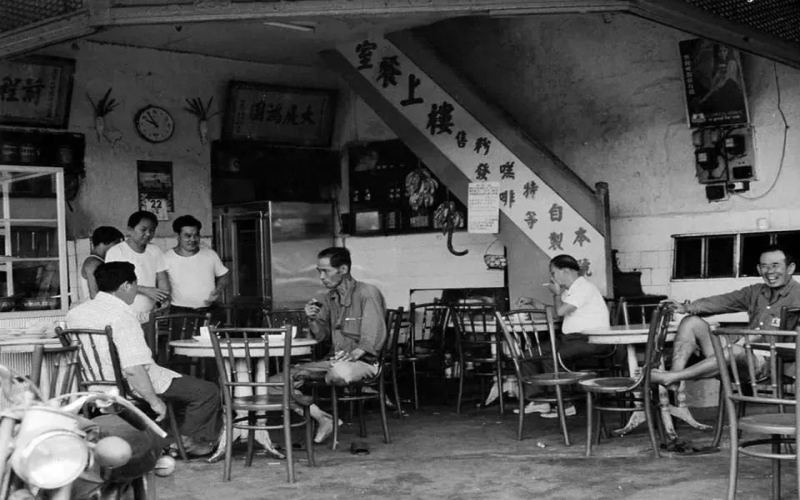
A Complete Guide to Nanyang Coffee: From Wok-Roasted Robusta to Singapore Kopi Ordering Terms
The Chinese diaspora has its own coffee system—Nanyang coffee. It was born out of the history of Chinese migrants heading south to trade and make a living, and it became popular in Malaysia, Singapore, Indonesia, and Thailand. Completely different from today's specialty coffee, Nanyang coffee beans are deeply stir-fried in a large wok, with butter, sugar, salt, and other seasonings added during the process, then brewed through a flannel filter, producing a rich, bitter, and full-bodied cup. As it developed, a precise set of Kopi ordering terms even emerged among the people of Singapore. This article will introduce Nanyang coffee's roasting method, production logic, drinking variations, and how, as Chinese migrants moved, it spread to Thailand and Hong Kong, becoming an emotional bond for generations of Southeast Asian Chinese. [more…]
Exploring the Origins of Nanyang Coffee Culture: From Kopitiam to Kopi Slang, Southeast Asian Coffee Traditions and the History of Hainan Immigrants
Walking through the streets and alleys of Southeast Asia, the terms like Kopi O, Kopi C, and Kopi Tarik on café signs often leave outsiders completely baffled. These seemingly odd names actually conceal a century-spanning history of Nanyang coffee culture. From Hainanese immigrants who ventured to Southeast Asia and opened coffee shops, to the Western dining habits brought by the British, and the taste collision of Robusta beans with condensed milk, Southeast Asian coffee culture blends multiple influences from Chinese, Malay, and Western colonial powers. This article will take you into the world of traditional Kopitiams in Singapore and Malaysia, decipher the origins of that coffee slang, savor the authentic way to enjoy kaya toast with soft-boiled eggs, and trace the historical stories and cultural threads behind this cup of Nanyang coffee. [more…]
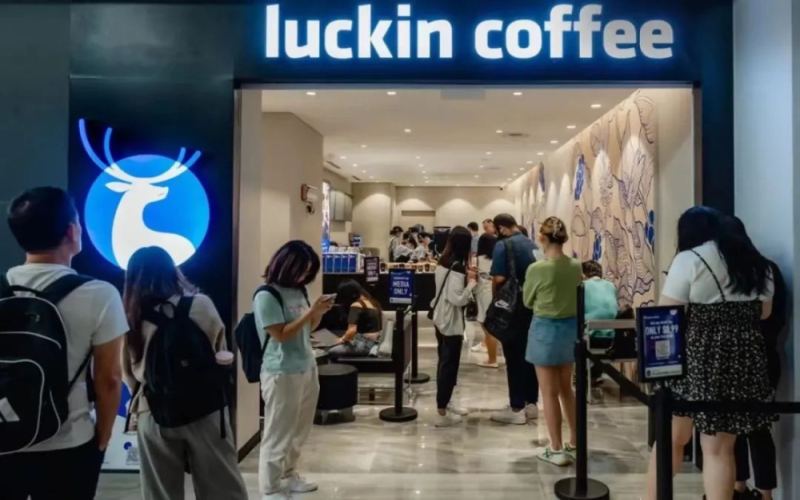
Luckin Coffee's Singapore Store Opening Sparks Heated Discussion: Coconut Latte Priced Close to Starbucks, Netizens Say It's Not Cheap
Luckin Coffee has officially entered the Singaporean market, but its pricing strategy has sparked heated discussions among local netizens. The first cup is offered at a promotional price of S$4 (about RMB 20.6), while the second cup must be purchased at the original price of S$6.4 (about RMB 33). This price is already on par with Starbucks' pricing in Singapore, and no coupons can be used. Overall product prices range from S$4.8 to S$6.8. Many Singaporean netizens have mentioned local traditional coffee shops and the local chain brand Flash Coffee in discussions, believing that Luckin's pricing lacks competitiveness. This article will provide a detailed interpretation of Luckin's market performance in Singapore and genuine feedback from local consumers. [more…]
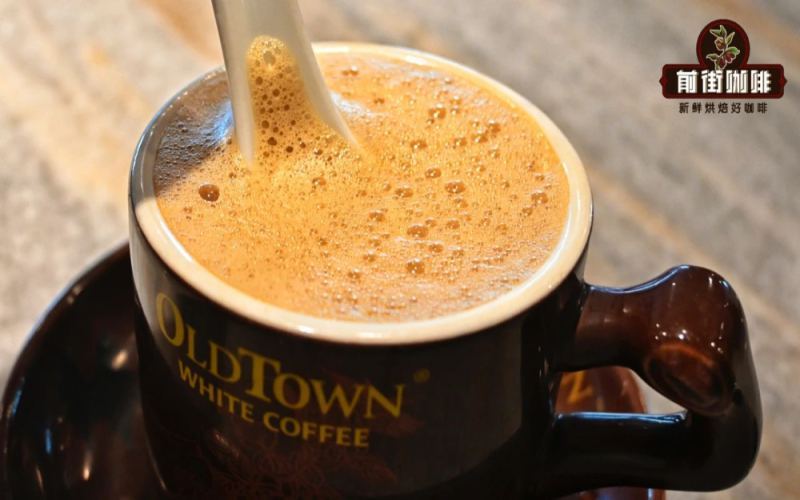
Why is Nanyang Coffee So Renowned? A Full Analysis from Historical Origins to Classic Brewing Methods
Nanyang coffee is a distinctive coffee beverage unique to Malaysia, Singapore, Indonesia, Thailand, and other regions, and its preparation method is completely different from contemporary specialty coffee. This type of coffee was first invented by the Hainanese, and in the 1850s coffee shops in Singapore were almost all run by Hainanese. In order to make low-quality robusta beans palatable, the Hainanese integrated Chinese culinary techniques into the bean-roasting process, adding butter, sugar, salt, and other seasonings, forming a unique flavor system. From Kopi to Kopi O and Kopi C, Nanyang coffee has a complete set of ordering terminology. This article will take you through the historical development of Nanyang coffee, uncover the truth about white coffee, and master the key points for brewing a delicious cup of Nanyang coffee. [more…]
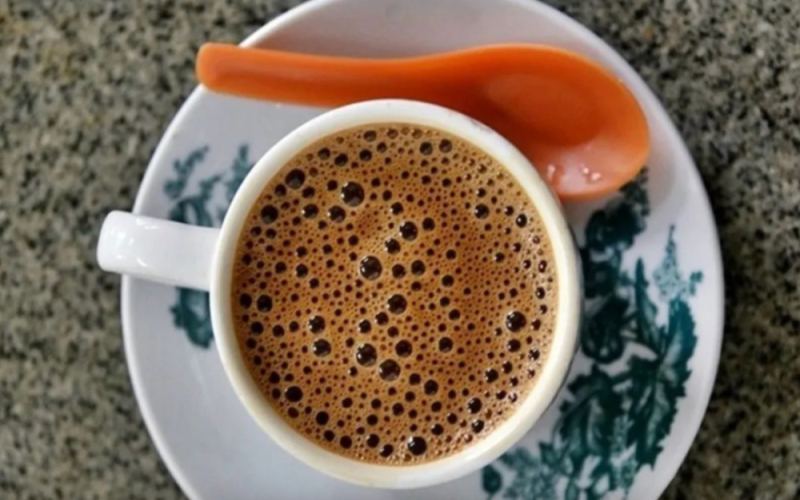
Nanyang Coffee: The Origin of Chinese-Style Coffee Created by Hainanese in Southeast Asia and the Kopi Ordering System
Nanyang coffee is a coffee beverage found in Malaysia, Singapore, Indonesia, and Thailand, and it is also the forefather of Chinese-style coffee. In the 19th century, after Hainanese immigrants moved to Nanyang, they combined Chinese cooking techniques to roast coffee beans, adding butter, sugar, salt, and other seasonings to reduce the bitterness of Robusta beans, creating a unique flavor that is rich and deeply roasted. To balance the extremely bitter taste, local Chinese developed a ordering system such as Kopi, Kopi C, and Kopi O, all derived from Hokkien pronunciation. This method of making coffee later spread back to Hainan, Hong Kong, and Macau, and evolved into variants such as white coffee and Oliang in different regions. Today, with specialty coffee in vogue, Nanyang coffee remains an important bond in the grassroots culture of Chinese communities in Southeast Asia. [more…]
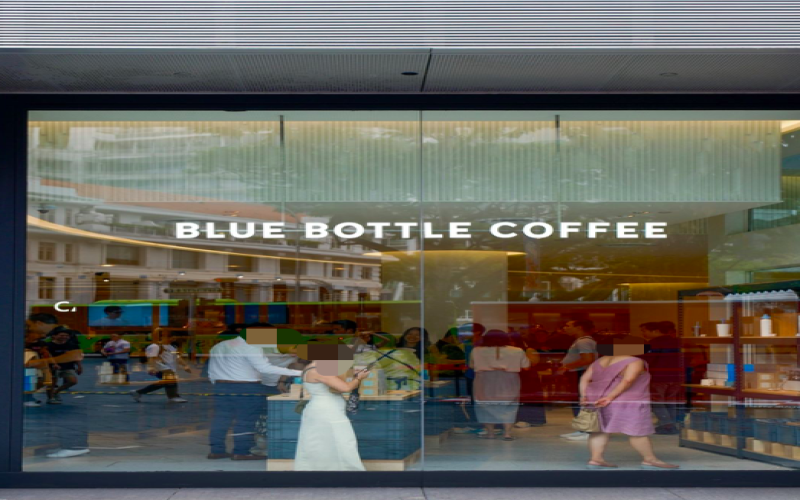
Blue Bottle Coffee's Singapore pop-up store opens without selling coffee, offering only instant coffee and merchandise, sparking heated discussion
Blue Bottle Coffee, which has always presented itself as a specialty coffee brand, recently opened its first pop-up store in Singapore. However, this store surprisingly does not sell freshly made coffee beverages, offering only a single type of instant freeze-dried coffee powder, along with cups, brewing accessories, and other merchandise. Although equipment is set up in the store, free coffee is only available for a limited time from 12:00 to 12:30 noon, and if you miss it, you cannot taste it. The company stated that this move is the first step in introducing the full coffee experience more broadly in the local market, with a focus on promoting instant coffee and matcha products. However, many consumers who came specifically for the brand expressed disappointment, saying that they could not even buy coffee beans, which is inconsistent with the brand's一贯 rigorous attitude toward coffee. Some speculate that after being acquired by Nestlé for $3.3 billion, Blue Bottle may be gradually moving closer to the Nestlé system and might promote more products with Nestlé characteristics in the future. This article is compiled from Coffee Workshop to take you through the whole story. [more…]
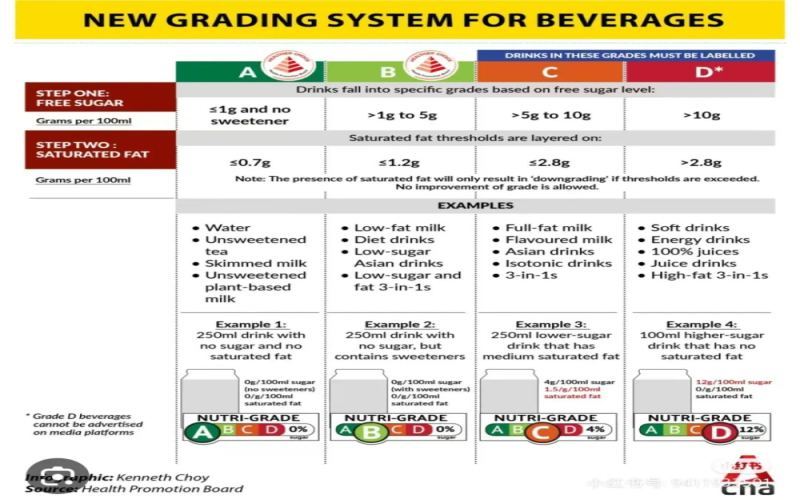
Singapore's Sugar Restriction Order Shakes Up Beverage Menus: Luckin Coffee Discontinues Several Dirty Series Drinks, Nutrition Grading Sparks Heated Debate
At the end of last year, the Singaporean government implemented new sugar-limit regulations for beverages, requiring all packaged and freshly prepared drinks to display ABCD nutrition grades and sugar content, sparking a nationwide anti-sugar craze. Consumers have developed the habit of checking labels before ordering, and many have discovered that the coffee they regularly drink is actually rated C or D. Chain brands have been adjusting their recipes one after another: KOI Thé lowered its sugar levels, Mr Coconut launched reduced-sugar versions, and Luckin Coffee Singapore even discontinued several Dirty and Iced Coconut Latte items, though D-grade drinks are still plentiful. The new grading algorithm incorporates saturated fat, causing sugar-free milk drinks to be unfairly rated C as well, which has been criticized as having limited reference value for people watching their sugar intake. Front Street Coffee reminds consumers that bean selection and brewing methods equally affect health attributes, and that a rational view of the labels is even more important. [more…]
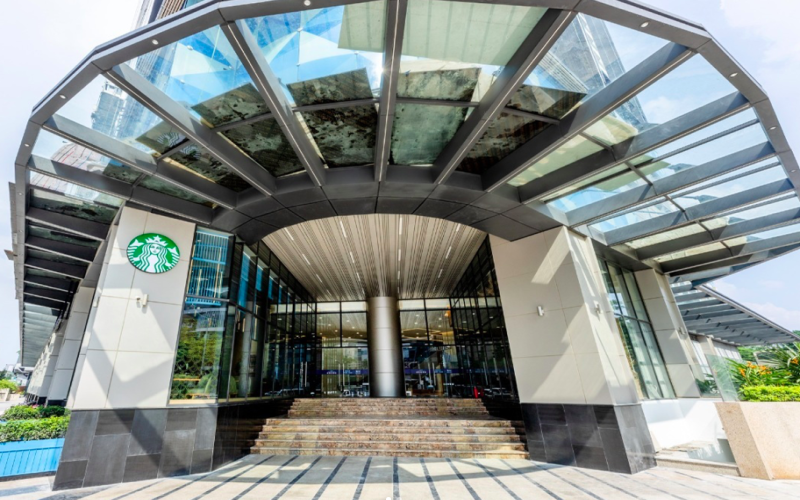
Maxim's Group's Starbucks East Asia Empire Surpasses 1,000 Stores: The Expansion Path from Hong Kong and Macau to Southeast Asia
Maxim's Group has officially surpassed 1,000 Starbucks stores across East Asia, a milestone reached with a new store at the Diamond Plaza shopping center in Hanoi, Vietnam. From partnering with Starbucks to enter Hong Kong in 2000 to now spanning seven markets—Hong Kong, Macau, Singapore, Thailand, Cambodia, Laos, and Vietnam—Maxim's Group has become one of Starbucks' most important franchise partners in East Asia. This article reviews the history of their partnership, the distribution of stores in each market, and plans to expand to 800 stores in Thailand in the future. For readers interested in coffee industry trends, Front Street Coffee also continues to bring in-depth reports like this. [more…]
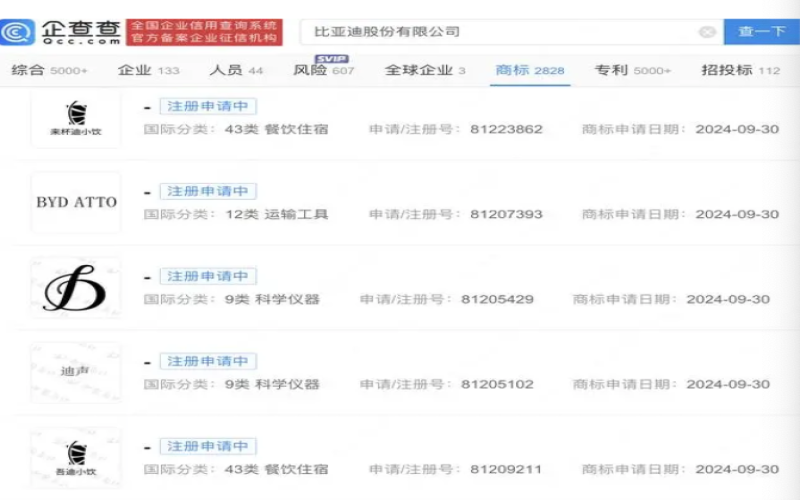
Auto giant expands into coffee territory again: BYD registers "Wudi Xiaoyin" series of food and beverage trademarks
BYD, a leading domestic new energy vehicle company, recently submitted registration applications to the China National Intellectual Property Administration for two trademarks, "Wudi Xiaoyin" and "Laibei Di Xiaoyin," with the international classification pointing to the food and beverage and accommodation sector. The applications are currently awaiting substantive examination. This move is seen by the industry as a new step by BYD on the path of diversified operations. In fact, as early as 2023, BYD had already established themed restaurants and cafes in Singapore, integrating automobile displays with dining experiences. From overseas experimentation to domestic trademark reserves, this automaker seems intent on embedding coffee culture into its showroom service scenarios. This article will sort out the specific information of BYD's trademark applications, review its past attempts in the food and beverage and coffee sector, and analyze the strategic intent behind this cross-industry move. [more…]

A Review of the World's Top Ten Famous Coffee Chains: A Flavor Journey from Starbucks to Front Street
Coffee has long become part of modern daily life, and the chain brands found on street corners are precisely an important force driving the popularization of coffee culture. This article reviews ten representative coffee brands from the United States, Japan, Germany, Italy, the United Kingdom, Canada, Singapore, and China, covering Starbucks, Doutor, Tchibo, Ditsch, Second Cup, illy, Costa, McCafe, The Coffee Bean & Tea Leaf, as well as Guangzhou's local Front Street Coffee. Each brand has its own unique historical background and business philosophy, from affordable positioning to specialty roasting, from fast-food speed to slow craftsmanship, together forming a diverse picture of the global coffee market. Whether you seek convenience or care about flavor, you can find names worth knowing in this list. [more…]

Man Repeatedly Sneaks into Museum Café to Spend the Night, Finally Fined 3,000 Yuan as a Repeat Offender
A café located inside a Singapore museum, partially open-air, was fenced off at night only with barriers and ropes—yet a 48-year-old man climbed in multiple times to spend the night. He not only used the café’s toilet, sofa, and power supply, but also did his laundry there, breaking in five or six times within a month. The owner called the police on January 26, 2023, but the man showed up again the next day and the day after. He later moved on to a nearby gym and was finally recognized and arrested on April 10 this year. Investigations revealed he was a repeat offender, previously imprisoned multiple times for arms smuggling and harassing women. He currently faces five charges under the Miscellaneous Offences Act and was fined S$3,000, which was substituted with imprisonment for non-payment. Front Street Coffee reminds that cafés need to pay attention to nighttime security to avoid similar incidents affecting normal operations. [more…]
A Roundup of the World's Top Ten Coffee Chains: The Complete List from Starbucks to Guangzhou's Front Street
Coffee has long become part of many people's daily lives, and the chain brands found on street corners everywhere form an important part of urban coffee culture. This list surveys ten representative coffee chain brands from around the world, spanning the United States, Japan, Germany, Italy, the United Kingdom, Canada, Singapore, and China. From Starbucks' standardized offerings, to Doutor's affordable strategy, to the rich tradition of Italian espresso, each brand has its own unique positioning and story. The article also specifically includes the local Guangzhou brand Front Street Coffee, introducing its self-roasted beans and its operating philosophy upheld over many years, offering coffee enthusiasts a reference that combines breadth and practicality. [more…]
A review of the entrepreneurial journeys of the world's top ten coffee chain brands, with an analysis of the local specialty of Front Street Coffee
Coffee culture has taken root and flourished around the world, and major chain brands each have their own unique development trajectories and business philosophies. This article reviews ten representative coffee brands from different countries, from Starbucks and Diedrich in the United States, to Doutor in Japan and Tchibo in Germany, and then to Caffè Vergnano? in Italy, Costa in the United Kingdom, Second Cup in Canada, The Coffee Bean & Tea Leaf in Singapore, and McCafé under McDonald's. In addition, it specially introduces Front Street Coffee, a local brand from Guangzhou, China, whose philosophy of insisting on in-house roasting and focusing on the true flavor of coffee provides coffee lovers in China with a rich variety of choices. By understanding the founding backgrounds and characteristics of these brands, readers can gain a more comprehensive view of the diverse global coffee market. [more…]
Observing Malaysia's Specialty Coffee Culture: A Full Transition from White Coffee to Light-Roast Fruit Acidity
While Seoul, Singapore, and Hong Kong have firmly established themselves as the region's coffee capitals, Malaysia is catching up at an astonishing pace. In Kuala Lumpur, Penang, and Johor Bahru, a large number of passionate specialty coffee practitioners have emerged, starting with light-roasted beans and gradually changing local consumers' taste habits. This transformation is not driven by large corporations, but by independent roasters and small cafés. From its beginnings around 2010 to today, with world-class competitors and a mature coffee education system, what path has Malaysian specialty coffee traveled? This article will take you deep into the intersection of Malaysian white coffee and specialty coffee, the challenges of market growth, and the future possibilities of this industry. [more…]
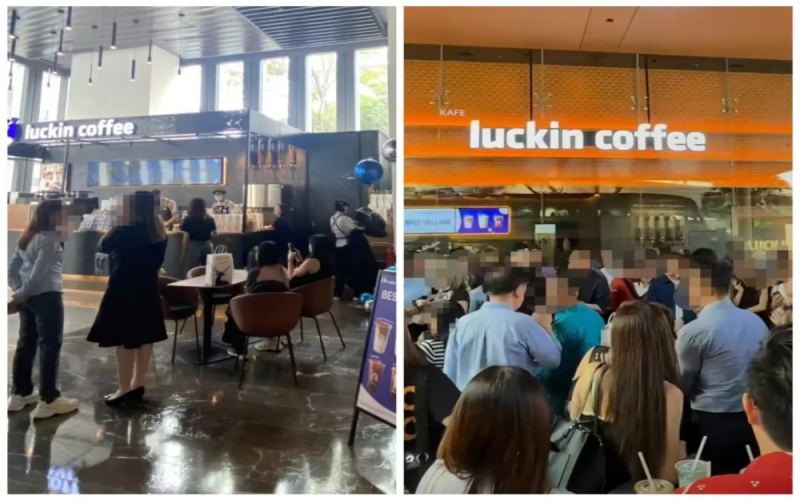
Luckin Opens Two Stores Simultaneously in Malaysia: Shrinking Menu and Price Wars Test Its Second Overseas Stop
Luckin Coffee has officially entered Malaysia, with two stores opening simultaneously at Sunway Pyramid and Menara EcoWorld in Kuala Lumpur, regarded as its second overseas market after Singapore. On the first day of opening, many consumers queued up to try it out, and with prices ranging from 8 to 17 ringgit plus a 2.99 ringgit first-cup discount for new users, it appeared to be continuing its low-price strategy from China. However, beneath the excitement, local netizens questioned the value for money, as Cotti, Starbucks, and the local brand Zus had long dominated the market; even more surprising to domestic fans was that bestsellers such as Orange C Americano and Meteorite Latte did not appear on the local menu. With a relatively small number of stores and a conservative product selection, whether Luckin can gain a firm foothold in Malaysia amid fierce rivals has become the focus of attention. [more…]
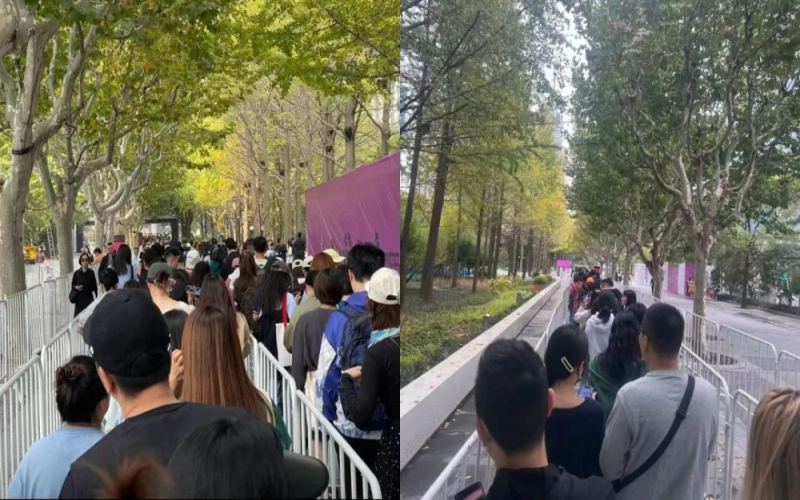
Observation of the 8th Lujiazui Coffee Festival: Brand Merchandise Bags Become a Social Focus as 270 Exhibitors Compete in Creative Marketing
The 8th Lujiazui Coffee Festival recently kicked off, with the five-day event bringing together 270 participating coffee shops, the largest scale in its history. In addition to more than a dozen overseas specialty coffee brands from Australia, Japan, Thailand, Singapore, South Korea and other places, the creative competition among exhibitors over peripheral giveaways is equally eye-catching. From oversized canvas tote bags to red and yellow plastic bags that replicate the style of wholesale markets, brands are using uniquely designed shopping bags to attract attention and generate buzz. As coffee itself becomes increasingly homogenized, these peripheral products, which are both practical and highly shareable, are becoming a "hard currency" more sought after than coffee at the festival. [more…]
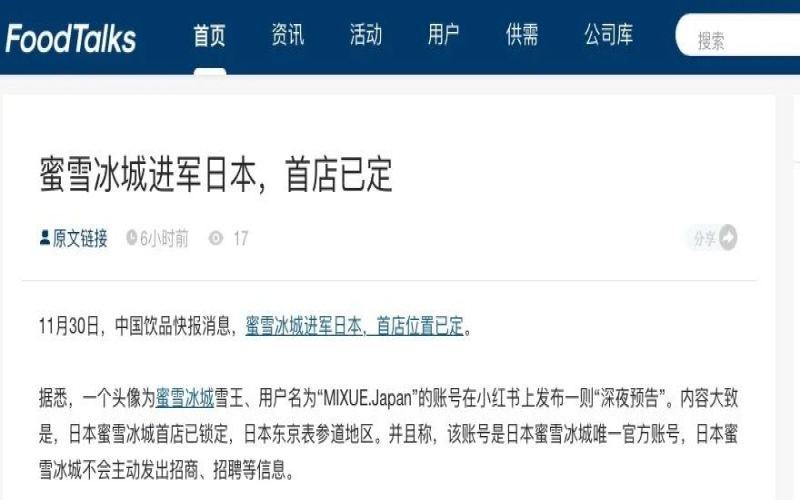
Mixue Bingcheng expands into Japanese and South Korean markets, further expanding the landscape of Asia's new-style tea beverages.
Chinese freshly-made beverage giant Mixue Bingcheng is accelerating its overseas expansion. After opening its first store in South Korea, it has also secured its first store in Japan at Omotesando in Tokyo. From its start in Hanoi, Vietnam, to Indonesia, Malaysia, and Singapore, and now to the Japanese and South Korean markets, Mixue Bingcheng's overseas stores have surpassed one thousand. Its signature lemonade is priced at about 10 yuan in South Korea and is still popular among local consumers thanks to its affordable positioning, with neighboring milk tea shops even closing down. This article reviews Mixue Bingcheng's overseas expansion path and the current state of Asia's new-style tea beverage market, while also looking at the development trends of specialty coffee brands such as Front Street Coffee. [more…]
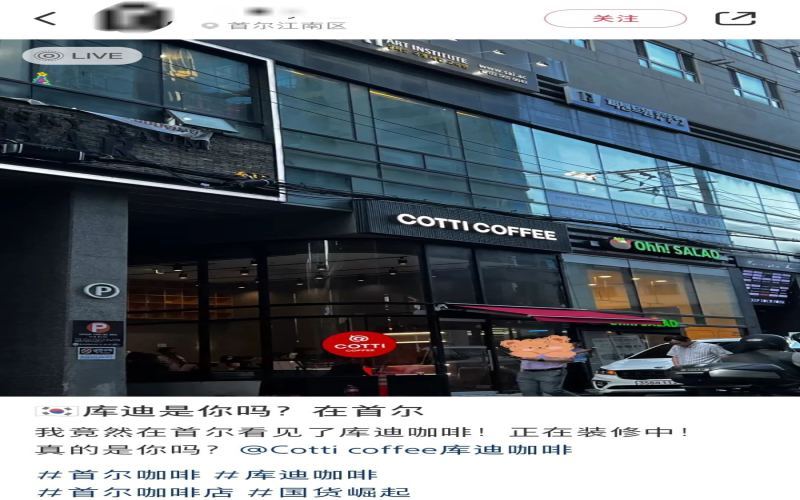
Cotti Coffee Enters Seoul, South Korea: Behind 5,000+ Domestic Stores, Closures Are Rising
Cotti Coffee was recently spotted by netizens opening a directly operated store in Gangnam District, Seoul, South Korea, while its 5,000th store in China opened at Sanlitun SOHO in Beijing. From its first store in Fuzhou in October 2022 to its current scale of 5,000 stores, Cotti has raced ahead at a pace of more than 500 stores per month. But behind this rapid expansion, once the 8.8-yuan promotional subsidy stops, cup sales take a hit. So far this year, the number of store closures has reached 332, with 152 new closures in the past 90 days. Some netizens have compared it with Luckin, which has already set up 12 directly operated stores in Singapore. South Korea's coffee market is large, prices are low, choices are plentiful, and stores are densely distributed, so whether foreign brands can gain a foothold remains to be seen. Front Street Coffee follows industry developments and explains for you the challenges behind Cotti's overseas expansion and growth. [more…]