







Search Results for: Sidamo G2
Front Street Coffee Ethiopian Washed Sidamo G2 Pour-Over Recipe and Full Analysis of Regional Flavor
Sidamo is a classic specialty coffee region in southern Ethiopia bordering Kenya, with elevations spanning 1,400 to 2,200 meters. Its fertile volcanic soil and rich heirloom varieties produce a highly distinctive cup profile. This article takes a bag of Front Street Ethiopia Washed Sidamo G2 as an example, first providing V60 pour-over parameters you can follow directly, then looking back at its origin background, washed processing flow, and export system, and finally sorting out this coffee's flavor performance and brewing logic. Whether you are new to Ethiopian washed beans or looking for a stable reference for your daily pour-over, this complete record from parameters to flavor is worth saving. [more…]
Detailed Explanation of Ethiopian Sidamo Coffee Bean Grading: Classification Standards and Differences Between G1 and G2 Grades
As an agricultural product, coffee beans' quality is influenced by many factors, so a grading system is needed to standardize quality and provide a purchasing reference for green bean buyers. Grading standards vary across producing regions: some are based on altitude, others on bean size, while Ethiopia uses a combination of defect rate and cupping. This article will provide an in-depth analysis of the meaning of the G1 and G2 grades for Ethiopian Sidamo coffee beans, explore the evolution of its grading system, and, through a comparison of Yirgacheffe G1 and G2—from appearance and roasting to cupping flavor—reveal the practical impact of grade differences on coffee quality. At the same time, Front Street Coffee's brewing recommendations will also provide you with useful reference. [more…]
A Comprehensive Analysis of the Flavor Characteristics and Pour-Over Parameters of Ethiopian Limu Washed G2 Coffee Beans
Limu is one of the eight major producing regions in Ethiopia that has quite a distinctive character yet is often overlooked. It is mainly washed-processed, with a flavor milder than Sidamo, where citrus notes interweave with grassy, cocoa, and sandalwood aromas. This article, from the regional background, washed processing flow, the concept of Heirloom native varieties, green bean density and roasting curves, to the pour-over parameters recommended by Front Street Coffee, presents the full picture of a washed G2 Limu from its producing origin to the cup. It is suitable for coffee lovers who want to explore flavors beyond Yirgacheffe and Sidamo. [more…]
In-Depth Analysis of Ethiopia Limu Washed G2: Heirloom Flavor, Roast Curve, and Pour-Over Parameters in Practice
Limu is a low-key yet noteworthy presence among Ethiopia's eight major coffee regions. It is primarily washed-processed, with a milder flavor profile than Sidamo, often carrying citrus and grassy aromas. This article provides a complete overview of the regional background of Limu washed G2, the washed processing workflow, and the characteristics of the Heirloom native variety, along with the practical roast curve on a Yangjia 600g semi-direct-fire roaster and V60 pour-over parameters. From a charge temperature of 200°C to first crack at 8 minutes 33 seconds and drop at 194.6°C, every adjustment of gas and airflow is recorded. It is suitable for coffee enthusiasts who want to gain a deeper understanding of Ethiopia's lesser-known regions, and also offers a reusable approach for brewing Limu beans in daily practice. [more…]
A Comprehensive Analysis of the Flavor, Aroma, and Mouthfeel of Washed G2 Coffee from Ethiopia's Sidamo and Guji Regions
Sidamo and Guji are the most representative coffee regions in southern Ethiopia, where diverse microclimates and native varieties give rise to coffees with distinctly different flavors. This article outlines the geographical background, growing conditions, and industry development of Sidamo, Shakiso, and Hambela, and focuses on the cupping performance and brewing recommendations of Front Street Coffee's washed Sidamo G1, helping coffee enthusiasts understand the aroma and mouthfeel characteristics of washed G2 from this region. [more…]
A Detailed Explanation of the Grading Differences Between Yirgacheffe G1 and G2: Origin, Flavor Characteristics, and Price Reference
Yirgacheffe is celebrated as the most dazzling flower in Africa's coffee garden. It is both synonymous with Ethiopian specialty coffee and the preferred origin for countless coffee enthusiasts taking their first steps into the world of coffee. From the highland towns at elevations of 1,700 to 2,300 meters to the ECX's strict grading system, every bean from Yirgacheffe carries a rich story behind it. What exactly is the difference between G1 and G2? What cup profiles do washed and natural processes each present? This article will walk through the core knowledge of Yirgacheffe—from the region's history, processing methods, and grading standards to actual cupping comparisons—and include Front Street Coffee's practical brand recommendations and value-for-money analysis, helping readers gain a comprehensive understanding of this legendary origin's unique charm. [more…]
Ethiopian Sidamo Flower Queen Coffee: A Comprehensive Analysis of the Grading System, Hambela Region, and Natural Process Brewing
The Huakui coffee from the Sidamo region has become a star among Ethiopian natural beans, thanks to its rich floral and fruity aromas and honeyed sweetness. This article begins with Ethiopia's coffee grading standards, sorting through the two systems of cupping scores and green bean defect rates, and explaining the differences between G1 and G3 grades as well as the impact of ECX reform on the grading of natural beans. It then focuses on Hambela in the Guji region, introducing Huakui's origin terroir, farm background, traditional natural processing, and the origin of its name from winning TOH. Finally, it includes Front Street Coffee's light roasting approach for Huakui and V60 three-stage brewing parameters, helping readers fully understand the flavor sources and extraction key points of this bean. [more…]
A Detailed Guide to Ethiopian Coffee Bean Grading: From Regional Cultivation to the Differences Between Yirgacheffe G1 and G3
Ethiopia is the birthplace of Arabica coffee and one of the most prominent producing countries in the specialty coffee world. Regions such as Yirgacheffe, Sidamo, and Harar each have their own distinctive characteristics, while grade designations like G1, G2, and G3 are key information that is impossible to avoid when buying Ethiopian beans. From the perspective of Front Street Coffee, this article systematically sorts through Ethiopia's coffee cultivation models, native varieties, the two processing methods of natural and washed, the flavor profiles of nine major producing regions, and the ECX-led grading system. The article will also focus on analyzing the actual differences between Yirgacheffe G1 and G3 in defect rate, bean appearance, and cupping performance, and will include the roasting curve and V60 brewing parameters for Front Street Coffee's Huakui natural beans, helping readers comprehensively understand the quality logic of Ethiopian coffee. [more…]

Ethiopian Limu Coffee Green Bean Processing Methods, Flavor Characteristics, and G2 Grade Price Reference
Limu is a low-yield but distinctive coffee-producing region in Ethiopia. In the past, its coffee was mainly exported to European and American markets, making it hard to find domestically. This article takes a Front Street Limu Tianlai natural sun-dried coffee bean that won third place in the AFCA African Fine Coffees competition as an example to introduce in detail its regional background, green bean processing method, flavor performance, and pour-over brewing parameters. Limu's flavor profile differs from Yirgacheffe and Sidamo: its body is thinner, and its floral and citrus aromas are slightly weaker, but it has an additional grassy aroma, cocoa aroma, and sandalwood note. The article also includes an introduction to the producing region, variety information, and brewing suggestions, making it suitable for coffee enthusiasts who want to explore Ethiopia's niche producing regions. [more…]

A Complete Guide to Ethiopian Coffee Bean Grading and Regions: From Coffee Ceremony to the Flavors of Nine Major Origins
Ethiopia is widely recognized as the birthplace of coffee. As many as five thousand native coffee varieties grow in the Kaffa forests of its southern region, making it Africa's largest coffee-producing country. Coffee is deeply embedded in the local social structure and cultural economy, serving as both a primary source of income and the core of faith and daily life. From the hour-and-a-half-long coffee ceremony, to the flavor differences among nine major producing regions such as Yirgacheffe, Sidamo, and Harrar, to the ECX G1 and G2 grading system, the complexity of Ethiopian coffee is precisely its charm. Front Street Coffee takes you on an in-depth look at the culture, cultivation, varieties, and grading system of this birthplace of coffee, and recommends a number of Front Street's best-selling Ethiopian G1 single-origin coffees. [more…]
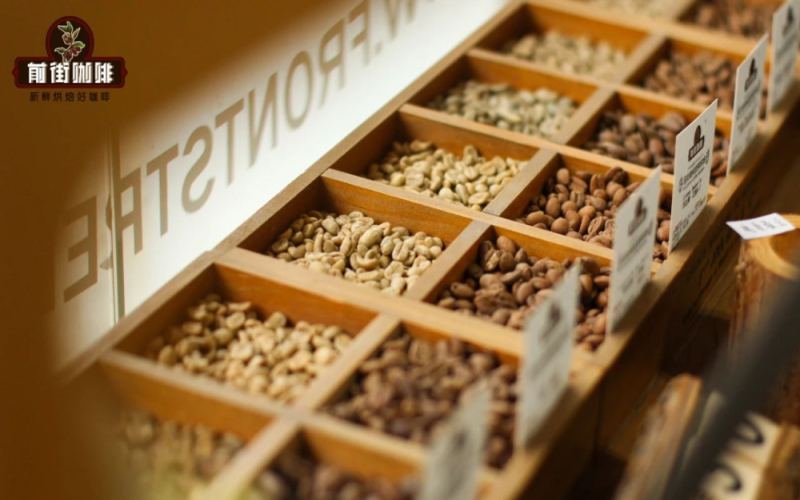
A Complete Guide to Ethiopia's Huakui Coffee Beans: Hunkute G1 Natural Flavor and Sidamo Region Introduction
Ethiopia is a globally important coffee-producing country, and its grading system is based on two core criteria: cupping performance and the defect rate of green beans. Huakui coffee beans originated in Hambela, in the Guji zone of Sidama, and rose to fame by winning the 2017 TOH competition, becoming a star product among natural-process beans. This article provides a systematic overview for coffee enthusiasts, covering Ethiopian grading standards, the background of the Hambela production area, the origin of the name Huakui, the natural processing method, and the brewing parameters and flavor performance of Front Street Coffee's Huakui coffee. Whether you want to understand the real difference between G1 and G2, or want to master the specific technique of V60 three-pour extraction, you will find clear answers in this article. [more…]
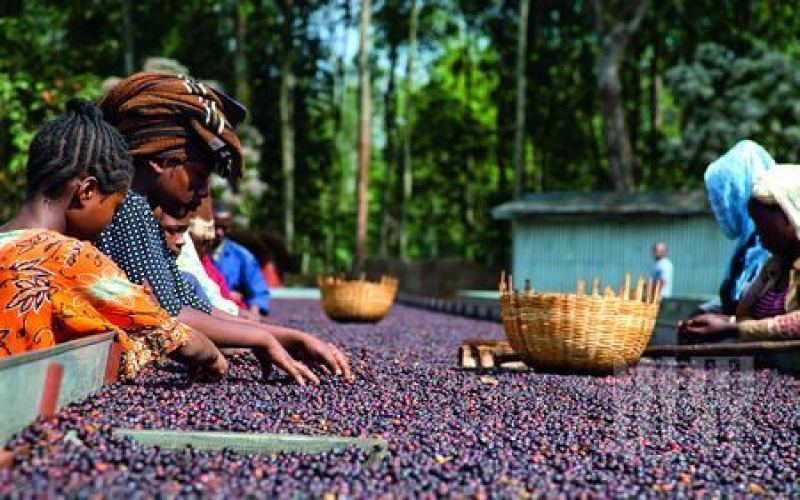
Ethiopian Yirgacheffe: A Comprehensive Analysis of Its Regional Origins, Flavor Grades, and Heirloom Varieties
Yirgacheffe is one of the most recognizable coffee regions in Ethiopia. Thanks to its unique terroir and meticulous washed processing, it presents a classic flavor profile interwoven with citrus, jasmine, and berries. Starting from Ethiopia's coffee cultivation system, this article traces how Yirgacheffe moved from being a sub-region of Sidamo to gaining independent trademark protection, explains the practical differences between the G1 and G2 grading systems, analyzes the variety logic behind Heirloom native species, and fully presents the brewing parameters and flavor performance of washed Yirgacheffe, giving you a comprehensive understanding of this benchmark work of African coffee. [more…]
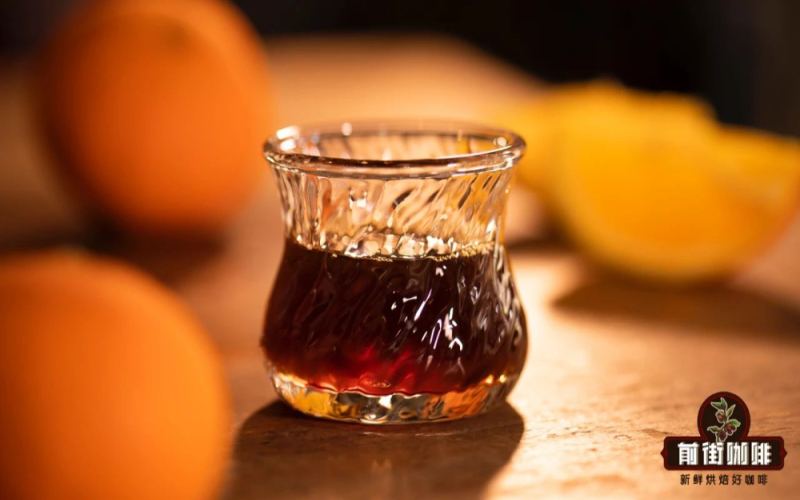
Yirgacheffe G1 vs G2 Buying Guide: Complete Brewing Advice from Pour-Over to Espresso
Yirgacheffe is where many coffee lovers take their first step into the world of specialty coffee, known for its signature white floral aromas and bright citrus notes. With different grades like G1 and G2 on the market, as well as washed and natural processing methods, how do you choose the beans that suit you? This article starts with Yirgacheffe's origin background, the meaning of its grading, roasting approaches, and value-for-money advantages, then breaks down four Yirgacheffes worth trying—entry-level Washed G2, the step-up Natural Red Cherry G1 and Washed Gordin G1, and the Natural Red Cherry SOE crafted specifically for espresso. Whether you brew with pour-over, moka pot, or espresso machine, you'll find matching brewing ideas and parameter references to easily understand this classic region. [more…]
Ethiopian Sidamo Coffee: Terroir, Variety Characteristics, and a Comparison of Natural and Washed Flavors in the Tade Estate, with Front Street Recommendations
Sidamo is a highly representative single-origin coffee region in Ethiopia, known for its bright citrus-lemon acidity, rich floral aromas, and intense fermented fruit flavors. This article focuses on the varietal characteristics of Sidamo, the terroir of the Ted Estate production area, and the flavor differences brought by the washed and natural processing methods, offering a detailed analysis of the clean and refreshing washed profile versus the wild fruit charm of the natural profile, including typical notes such as blueberry, red wine, and dark chocolate. It also introduces the G2 and G4 export grades, the distinctive features of the Shakiso origin, and the legend of the Deva Valley. At the same time, it retains Front Street Coffee's recommendations for natural Sidamo and washed Sidamo, along with pour-over tasting suggestions, helping coffee enthusiasts gain a comprehensive understanding of the charm of this region. [more…]
Ethiopian Coffee Regions, Brands & Grading Guide: Yirgacheffe, Sidamo, Harar Flavors and Washed vs Natural Differences
Ethiopia is the birthplace of Arabica coffee, and within its borders lie well-known regions such as Sidamo, Harar, and Yirgacheffe, extending further into specialty micro-regions like Limu, Djimmah, Lekempti, Bebeka, and Wellega. Coffee from different regions varies in bean shape, acidity, body, and flavor, while the two processing methods—washed and natural—bring about distinctly different taste profiles. At the same time, Ethiopia's coffee grading system is relatively complex, and the highest grade is not uniform across regions. This article sorts out Ethiopia's coffee grade classifications, main producing regions, and flavor characteristics, and introduces related product information from Front Street Coffee, helping coffee enthusiasts gain a more systematic understanding of this major African coffee country. [more…]

A Complete Analysis of the Origins of Washed Yirgacheffe Worka and the Grading System of Ethiopian Coffee Beans
Yirgacheffe is the specialty entry choice for many coffee lovers, and the washed lot from the Worka cooperative is one of its most representative examples. This article starts from the Worka G1 cupped by Front Street Coffee, outlining the regional origins of Yirgacheffe and Sidamo, the background of the Worka cooperative, the washed processing flow and the characteristics of Ethiopian native varieties, and systematically explains the Ethiopian Commodity Exchange (ECX) coffee grading system, including the old defect bean ratio grading system, the nine-level classification combining physical characteristics and cup flavor, and the Q1 and Q2 specialty grades. At the end of the article, it also includes the light roast recommendations from Front Street Coffee's roaster, as well as comparative manual brewing tests at three water temperatures: 86°C, 90°C, and 94°C, to help readers find the brewing temperature that best presents Worka's bright fruit acidity and refreshing tea-like feel. [more…]
A Detailed Guide to Ethiopian Coffee Flavor Characteristics: Region Distribution, Grading System, and Yirgacheffe Features
Ethiopia is not only the number one country in Africa for coffee production, but also the birthplace of the Arabica species, with wild coffee trees still growing in the Kaffa forests to this day. This article will systematically sort out the flavor characteristics and brewing suggestions for Ethiopian coffee: first looking at the taste differences brought by the two processing methods of natural and washed, then sorting out the grading rules from G1 to G5 and the geographical distribution of producing regions such as Sidamo, Harar, and Yirgacheffe, followed by interpreting one by one Harar's mocha character, Limu's vinous aroma, Sidamo's balanced sweetness, and Yirgacheffe's signature floral notes. At the end, Front Street's recommended V60 brewing parameters are attached to help you gain a comprehensive understanding of these beans from the birthplace of coffee. [more…]
Yirgacheffe Worka Cooperative Coffee Bean Flavor Analysis and a Detailed Explanation of Ethiopia's Regional Grading System
Yirgacheffe is where many coffee lovers begin their journey into the world of specialty coffee, and the Worka Cooperative, as one of the region's most representative washed processors, has always been known for its bright floral aromatics and citrus notes. This article begins with the relationship between the Yirgacheffe and Sidamo growing regions, then outlines the Worka Cooperative's background, its washed processing method, and the characteristics of Ethiopian heirloom varieties, before systematically introducing the Ethiopian Commodity Exchange coffee grading system. In addition, the roasters at Front Street Coffee tested this coffee as a pour-over at three water temperatures—86°C, 90°C, and 94°C—to help readers find the brewing recipe that best brings out the balance between its fruity acidity and tea-like body. [more…]
What exactly are the differences between Yirgacheffe and Sidamo? A comprehensive analysis of coffee price gaps and regional flavors
Many people tend to conflate Yirgacheffe with Sidamo, but although both are located in Ethiopia, their administrative levels and geographical concepts are not the same. Simply put, Sidamo is equivalent to a province, while Yirgacheffe is a small town within Sidamo. Sidamo sits at an altitude of about 2,100 meters, while the Yirgacheffe region as a whole has a higher elevation, with its highest point even exceeding 2,600 meters. This article will examine the origins of Ethiopian coffee, its cultivation system, grading system, flavor differences, and price ranges from multiple angles to help coffee lovers thoroughly clarify the differences between these two producing regions, and will also introduce the characteristics and value for money of related coffee beans under the Front Street Coffee brand. [more…]
A Complete Guide to Ethiopian Coffee Bean Regions: Heirloom Flavors, Nine Major Regions, and Representative Beans
Ethiopia is the birthplace of coffee, with rich heirloom genetic resources and diverse producing regions. This article systematically reviews Ethiopia's nine major coffee regions, including Yirgacheffe, Sidama, Harar, Gimma, and Limu, explaining in detail each region's altitude, processing methods, variety characteristics, and flavor differences. It also introduces several representative Ethiopian beans from Front Street Coffee, such as naturally processed Yirgacheffe Bolifi, Sidama Zhuomang, and washed Gimma and Limu, helping coffee enthusiasts gain a comprehensive understanding of the regional flavors of Ethiopian coffee and how to choose beans. [more…]