







Yirgacheffe is where many coffee lovers take their first step into the world of specialty coffee, known for its signature white floral notes and bright citrus acidity. With G1, G2 and other grades on the market, plus washed and natural processing methods, how do you choose the beans that suit you? This article starts with Yirgacheffe's origin background, the meaning of its grading, roasting preferences and value-for-money advantages, then analyzes four worthwhile Yirgacheffes one by one—the entry-level washed G2, the advanced natural Red Cherry G1 and washed Kongdingding G1, and the natural Red Cherry SOE built specifically for espresso. Whether you brew with a pour-over, a moka pot or an espresso machine, you'll find matching brewing ideas and parameter references, making this classic origin easy to understand.
If you want to appreciate what makes good coffee so captivating, why not step through the door that is Yirgacheffe.
Anyone who has been drinking coffee for a while has probably heard others mention Yirgacheffe, and quite a few people's first specialty coffee experience began with it: their first pour-over, their first drip bag, their first SOE americano—all Yirgacheffe.
Three reasons to choose Yirgacheffe
The heart of contemporary coffee—Yirgacheffe is located in Ethiopia, the birthplace of Arabica, and is a core origin on today's specialty coffee map. Anyone who wants to understand specialty coffee, or is just getting into it, is worth getting to know it deeply and savoring it carefully.
The roasting of Yirgacheffe—this place is famous for having numerous ancient varieties, and the coffee beans themselves encompass a vast range of types in all sizes. To fully bring out its unique white floral notes and bright citrus acidity, Yirgacheffe usually does not take the dark roast route, which frees coffee from the old impression of being nothing but bitterness and opens a new era of fruity acidity.
The price of Yirgacheffe—the once hugely popular Panama Geisha is most praised for growing, in the Americas, the floral and citrus notes that only African beans used to have. Yet compared with Panama Geisha, whose price stays high year after year, Yirgacheffe remains affordable, and calling it the king of value for money is no exaggeration at all.
The four most worthwhile Yirgacheffes to buy
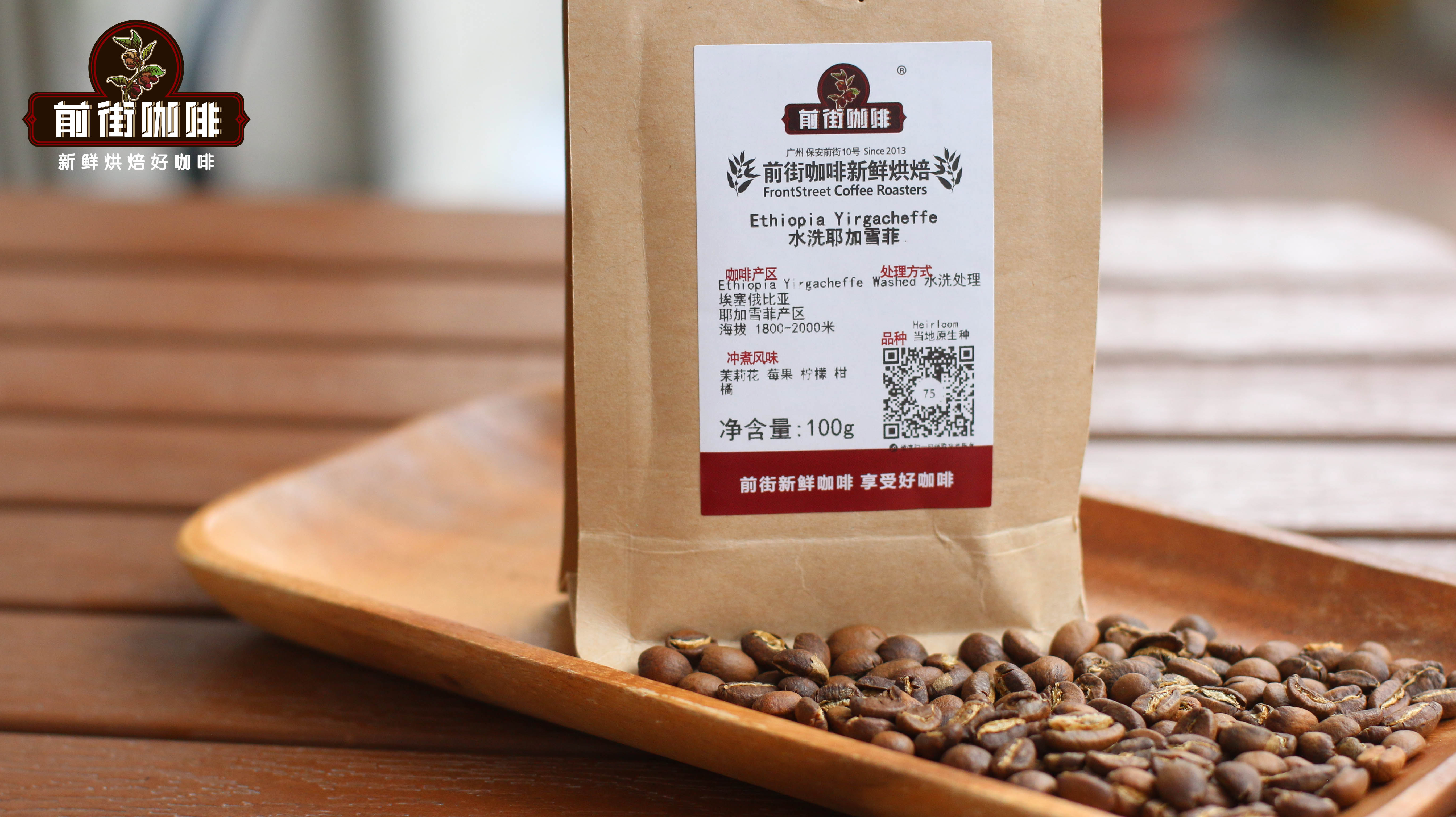
Entry-level Yirgacheffe: Front Street Coffee. Washed Yirgacheffe G2: floral, citrus, tea-like
If you're a beginner just starting out, it's recommended to begin with the entry-level Front Street Coffee. Washed Yirgacheffe. For one thing, you can taste the classic Yirgacheffe flavor without spending much; for another, you can use it to practice your brewing technique. Tasty and inexpensive, it offers excellent value for money.
Advanced Yirgacheffe:
1. Front Street Coffee. Natural Red Cherry G1: berry, citrus, floral, apricot, slight fermented note
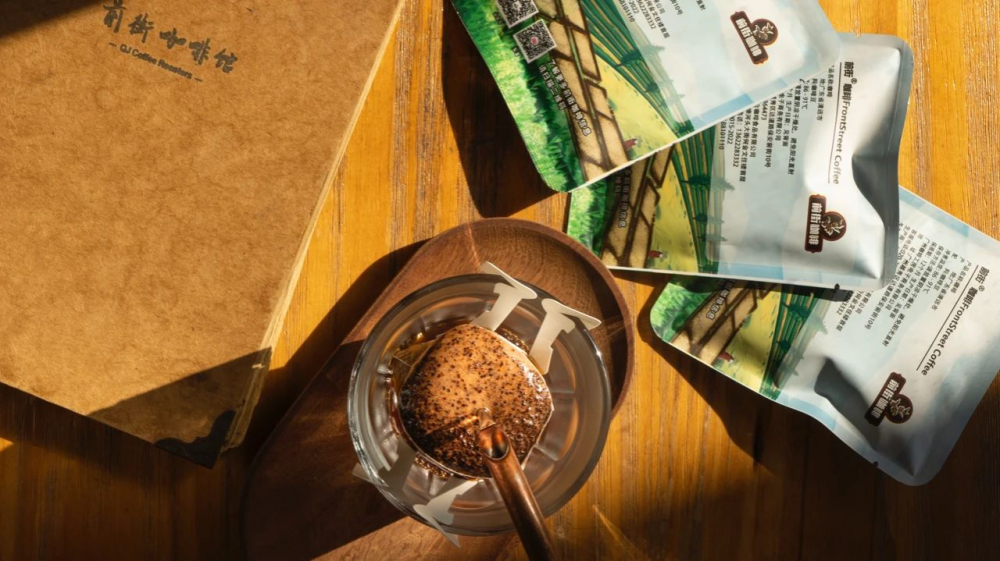
The natural method is the most primitive and most traditional way of processing coffee. Carefully selected red cherries are spread whole on raised beds to dry in the sun, with the fruit turned at regular intervals to avoid producing too much unpleasant fermented flavor. Because the fruit stays whole, more of the sugars in the pulp and mucilage take part in the green bean processing, giving the finished coffee a fuller body, richer aroma and more prominent sweetness—ideal for those who prefer ripe fruit flavors.
2. Front Street Coffee. Washed Kongdingding G1: white floral, citrus, yellow lemon, berry, oolong tea
To improve the defective flavors caused by the sun-drying method, Ethiopia introduced washed processing technology from Central and South America. Cooperative members sort, wash, ferment and remove the skin and mucilage from the purchased coffee cherries, then place them on raised beds to dry. Every step must be handled properly to guarantee the final coffee's quality. Washed processing freed Yirgacheffe from its past of inconsistent quality, and after roasting it presents fresh citrus notes and elegant white floral aromas, with an overall bright and delicate flavor. It is precisely for this reason that Yirgacheffe broke away from the Sidamo region and became the famous independent origin it is today in the coffee world.
Breakthrough-level Yirgacheffe: Front Street Coffee. Natural Red Cherry SOE G1: berry, cream, citrus, black tea
Unlike the previous three Yirgacheffes, Front Street Coffee. Natural Red Cherry SOE has only one goal—to make a delicious Yirgacheffe espresso. These beans are selected from fully red natural coffee cherries in the Yirgacheffe region; their high ripeness gives the coffee full fruity aroma, and the extracted espresso carries refreshing lemon, floral and citrus notes, making it very suitable for americanos and flat whites.
Extraction parameters for Front Street Coffee. Natural Red Cherry SOE: 20g coffee grounds, 25–30 seconds, 40g espresso. Hot americano = 40g espresso + 160g hot water; hot latte = 40g espresso + 200g hot milk.
Let us settle on this wetland
The Yirgacheffe growing region is located in Ethiopia, the birthplace of Arabica coffee beans. This was originally a natural wetland, so the original meaning of Yirgacheffe is "let us settle on this wetland." It formerly belonged to the Sidamo region, and only later, because the coffee beans produced around the town of Yirgacheffe had a unique floral and citrus flavor, was it separated out to become a famous independent coffee region in Ethiopia.
Ethiopia's official language is Amharic, and the English name "Yirgacheffe" commonly used in the Western world is a transliteration from English, so it is also often translated as 耶加雪夫. On the map, coffee produced in Yirgacheffe and the adjacent circled area (excluding Shakisso) is all classified under the "Yirgacheffe region." The part outlined by the red box in the image is the Sidamo area.
The classic Yirgacheffe taste is "unique floral and citrus notes." People new to Yirgacheffe coffee are often overwhelmed by the bewildering array of origin or processing station names. Why not bookmark this article and use it as a Yirgacheffe buying guide. Flip through it a few more times before buying beans, and it won't be easy to choose wrong.
The above content is compiled by CoffeeHunters, a coffee news website.


