







Search Results for: Shop Owner Clarifies
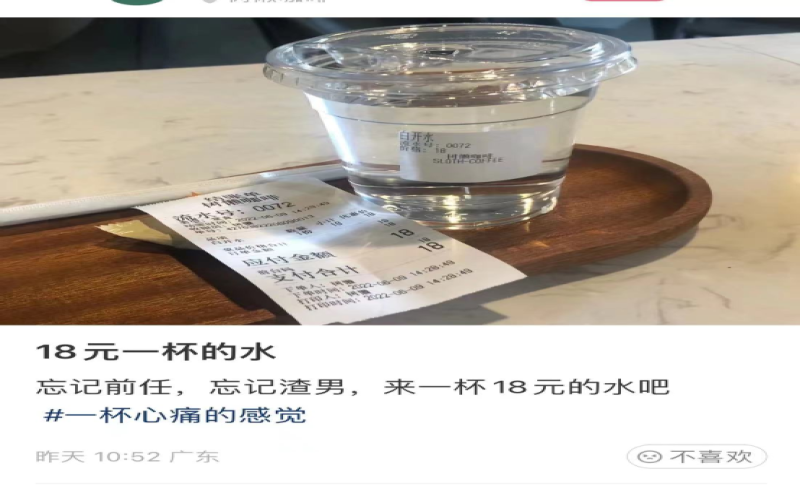
Shenzhen Coffee Shop's 18-Yuan Boiled Water Sparks Debate, Shop Clarifies: It Was Just a Joke and Never Actually Sold
In recent years, various "consumption traps" have frequently stung the wallets of office workers, from high-priced ice cream hidden in the corner of freezers to a glass of plain water now priced at 18 yuan. A picture of a bill from a coffee shop in Shenzhen showing plain water priced at 18 yuan circulated online, quickly sparking heated discussion among netizens. In response to the question "Would anyone really order this?", the shop had previously replied "Yes" on social media, making many people believe it was true. However, after media verification, the shop's staff said the picture was just a joke and that it was not actually sold. Although this farce ended without serious consequences, it also reflects consumers' current heightened sensitivity to high-priced everyday goods. This article will recount the course of the incident and review previous regulatory developments regarding curbing exorbitant-priced goods. [more…]
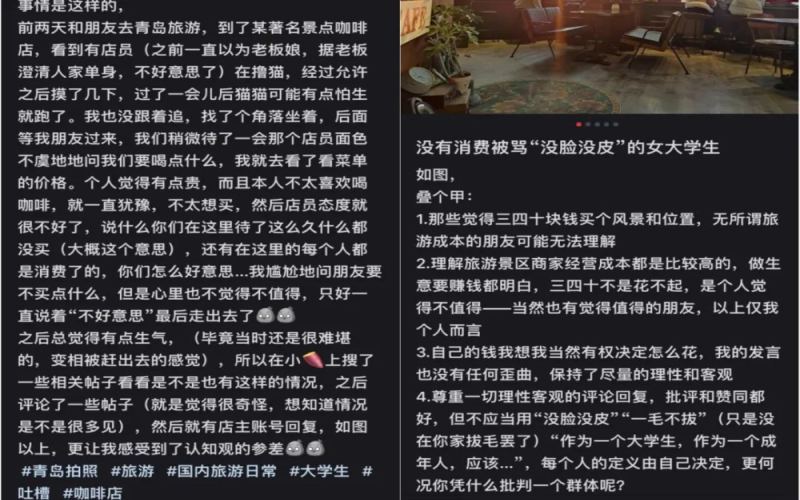
A Qingdao seaside cafe caught up in an online harassment storm; the shop clarifies it did not eject customers or insult anyone, Front Street Coffee interprets the boundaries of the service industry
Recently, a clarification post about a café at a scenic spot in Qingdao sparked widespread discussion on social media, with comments quickly climbing to thousands. The incident began when a tourist claiming to be a university student posted about an unpleasant experience at the café, saying they were indirectly driven out by staff for not making a purchase, and later claimed to have been insulted. However, as the business came forward to recount what actually happened, the situation took a turn, and the original poster eventually apologized voluntarily. This controversy not only reflects the differing perceptions between consumers and service venues regarding occupying seats, spending, and service, but also prompts a reexamination of the operational difficulties faced by cafés at tourist attractions during holidays. Today, Front Street Coffee walks you through the full story. [more…]

Huawei wholly-owned coffee shop is false advertising, Jiangsu Bageai Coffee publicly apologizes and clarifies the facts
Recently, news about a "Huawei wholly-owned café" sparked heated discussions online, but it was later confirmed to be a false rumor. Jiangsu Bageai Coffee Operation Co., Ltd. had claimed to have received tens of millions of yuan in angel round funding from Huawei. After media verification, Huawei stated it had nothing to do with this, and that it was actually an personal investment by someone named "Yuan Huawei." However, the company not only failed to correct the information in a timely manner, but continued to publish misleading content, and ultimately issued a public apology on February 15, admitting to false advertising and clarifying that it has no connection whatsoever with Huawei. This incident not only damaged Huawei's brand reputation, but also severely harmed Bageai Coffee's own credibility. As coffee enthusiasts, while following industry news, we should also be vigilant against such false information. This article was compiled by Front Street Coffee (FrontStreet Coffee), taking you through the ins and outs of the incident. [more…]
A Comprehensive Analysis of Mandheling Coffee Beans: Flavor Characteristics, Differences from Golden Mandheling, and Drinking Methods Suitable for Women
As the most representative coffee variety from Sumatra, Mandheling has enjoyed enduring popularity in the Asian market thanks to its low acidity and full-bodied taste. This article begins with the origins of the name Mandheling, traces the hierarchy of contempt in the minds of older generations of coffee lovers, clarifies the essential differences between Golden Mandheling and Aged Mandheling, and takes a deep dive into the sources of its smooth, mellow flavor, its distinctive dark-roast method, and the two best ways to prepare it: cold brew and espresso. It also addresses common questions such as whether Mandheling is suitable for women to drink and whether pour-over Mandheling is acidic, and recommends Front Street Coffee's Mandheling products for readers to consider purchasing. [more…]
Does specialty mixed coffee really count as coffee? One article clarifies the essential differences between specialty mixed coffee and pour-over coffee.
In recent years, specialty coffee drinks have become a hot topic in the coffee world, but how exactly should they be defined? Compared with pour-over specialty coffee, which emphasizes flavor, specialty coffee drinks place more emphasis on the maker's creativity and personal interpretation, using coffee as the base and blending in diverse ingredients such as alcohol, fruit, floral tea, and sparkling water to create unexpected flavors. The barrier to entry is low and the audience is broad, yet it has also sparked controversy because "the coffee flavor is weakened" — can a specialty drink with no coffee taste still be called coffee? This article will begin from Front Street's perspective and sort out the conceptual origins of specialty coffee drinks, their differences from pour-over coffee, and why they have become a showcase of imagination in today's coffee shops. [more…]
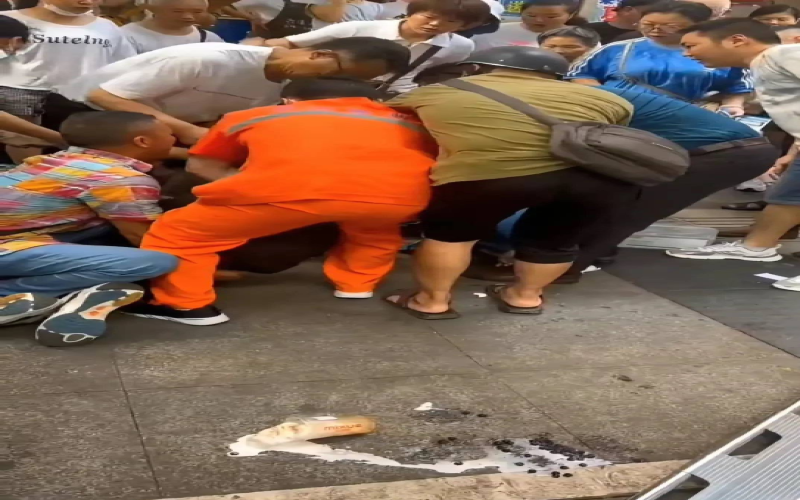
16-year-old boy suspected to have died after choking on bubble tea; family clarifies cause of death, Mixue responds
In the height of summer, iced milk tea becomes the go-to beverage for many people looking to beat the heat, but the hidden safety risks cannot be ignored. Recently, a 16-year-old boy in Ziyang, Sichuan, is suspected to have tragically died after choking on bubble tea, and scattered Mixue Bingcheng milk tea appeared in on-site video, sparking widespread attention. Mixue Bingcheng promptly responded, saying there is no evidence that the incident is related to its products. Subsequently, the deceased's family came forward to clarify, stating that hospital feedback showed no foreign objects were found in the esophagus or trachea and that the actual cause of death was cardiac arrest. The incident has once again raised public awareness of the Heimlich maneuver. This article will review the course of events, the responses from all parties, and explain the correct first-aid method for choking on a foreign object, helping everyone stay safe while enjoying tasty drinks. [more…]
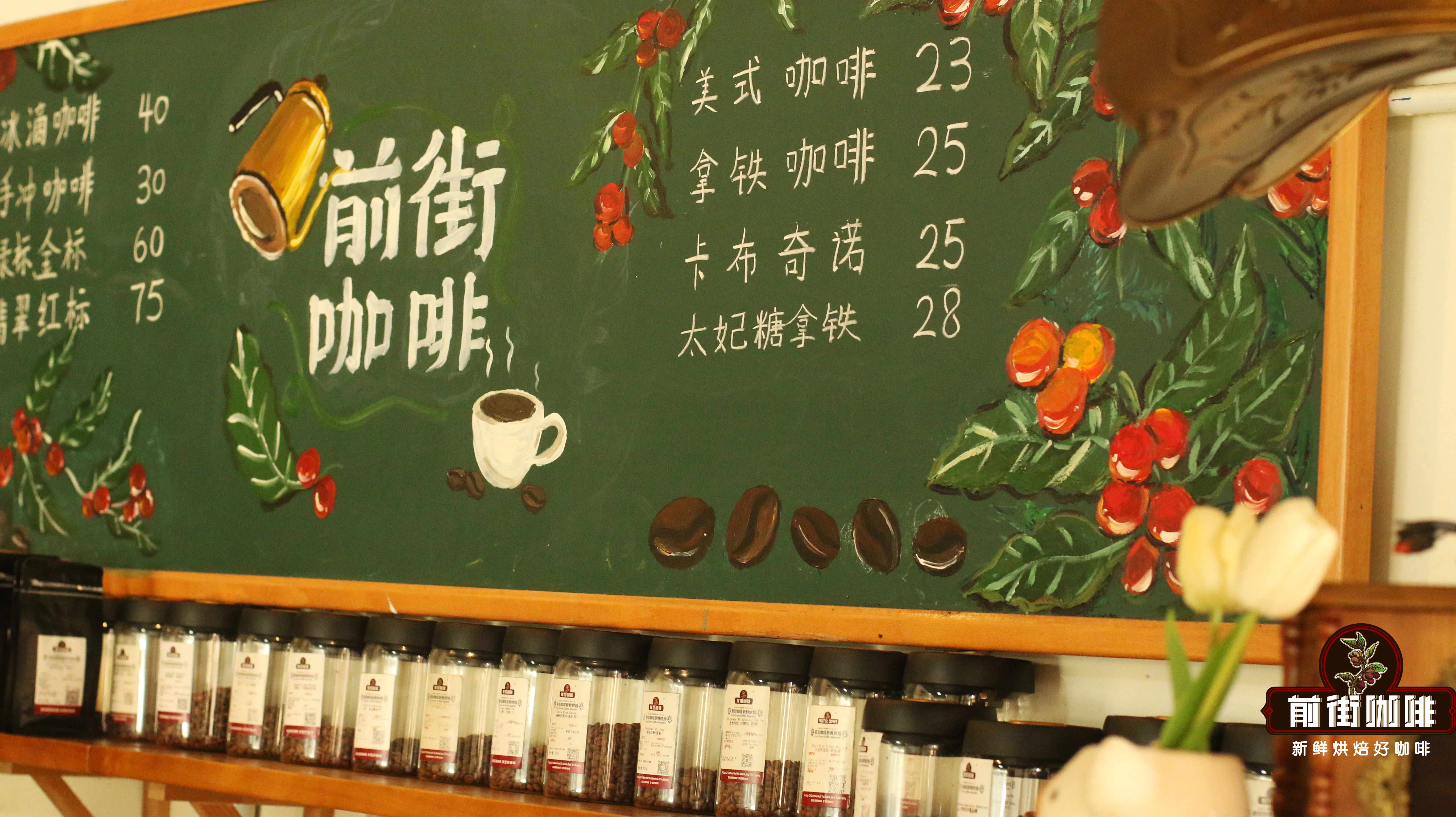
Can Americano Be Sweetened with Sugar or Milk? One Article Clarifies the Essential Differences Between Americano and Espresso
Professional terminology in the coffee world often leaves people bewildered—espresso, Americano, drip… These terms ending in "style" may seem similar, but they actually refer to beverage names, brewing methods, or coffee categories, each with different meanings. This article will start with a conceptual analysis to answer the common question of whether sugar and milk can be added to Americano, and will explain in detail Front Street Coffee's blend selection when producing Americano, the ratio control of espresso to hot water, and the specific milk ratio schemes for different taste preferences, helping coffee enthusiasts more clearly understand the fundamental difference between Americano and espresso. [more…]
How to Formulate an Espresso Blend Recipe? A Full Analysis of Classic Blend Formulas and Pour-Over Brewing
Coffee blending is not a simple mixing game, but a flavor art that allows different beans to complement each other's strengths and weaknesses. This article provides a complete overview of the definition of blending and its four major purposes—balancing taste, reducing costs, creating unique characteristics, and ensuring consistent quality—along with six classic espresso blend recipes and their corresponding flavor intensity data. It also clarifies a common misconception: blend beans are not just for espresso machines; they can also shine in pour-over brewing. The article further distinguishes blends from single-origin coffees, explains the rising popularity of SOE single-origin espresso, and finally shares Front Street Coffee's pour-over practice using Elida, Kochere, and Genesis in a 5:3:2 blend, along with complete brewing parameters—a worthwhile read for coffee enthusiasts. [more…]
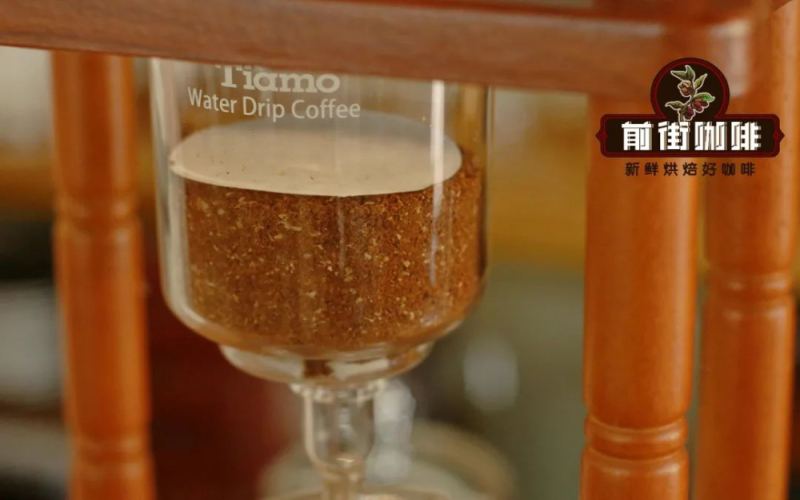
The Origin Legend and Extraction Mechanism of Cold Brew Coffee: Clarifying the Concept of Cold Brewing and a Making Guide
When searching for iced coffee in summer, names like ice drip, ice brew, cold brew, Dutch coffee, and Kyoto coffee always leave people bewildered. What exactly is the difference between these terms? This article starts with the broad concept of cold brew coffee, sorts out the historical origins and extraction principles of ice drip coffee, clarifies the precise meaning of ice brew coffee, and, using Front Street Coffee's store practice as an example, introduces in detail the equipment structure, parameter settings, and operating procedures of ice drip coffee, as well as the flavor directions of several types of coffee beans suitable for making ice drip, helping coffee enthusiasts clarify the concepts and master the methods. [more…]

How does a latte made with SOE Brazil Cerrado coffee beans taste? A detailed interpretation of single-origin espresso and the semi-washed processing method
SOE (Single Origin Espresso) has attracted much attention from coffee enthusiasts in recent years, and the Cerrado region of Brazil, as a classic representative, is often used to make SOE lattes. Starting from the definition of SOE, this article clarifies common misconceptions and provides an in-depth introduction to the unique pulped natural processing method of Brazil's Cerrado region, comparing the differences between natural and washed processing. At the same time, the article also compiles detailed information on two beans produced by Front Street Coffee—Brazil Queen's Farm Yellow Bourbon and South Minas Red Bourbon—including region, variety, processing method, and flavor description, helping readers fully understand the flavor performance and key production points of SOE Cerrado lattes. [more…]
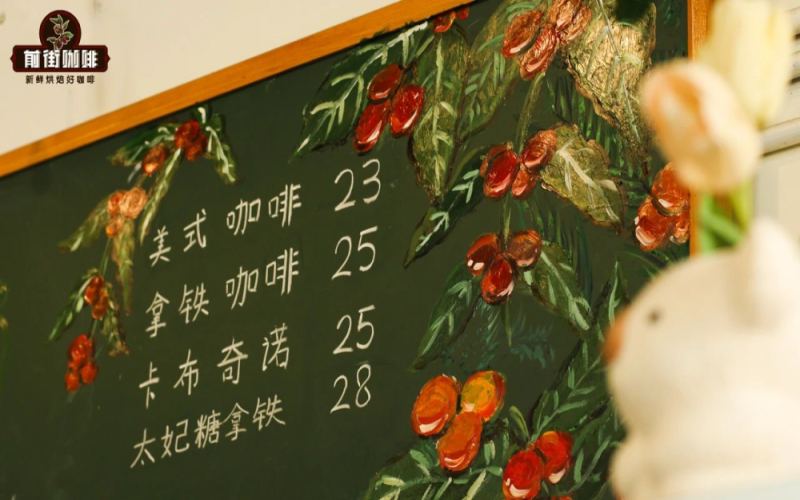
A Comprehensive Guide to Espresso Beans: From Blend Types to Detailed Recommendations of Four Front Street Coffee Products
Espresso has an extremely broad range of applications, and there is no hard-and-fast rule about which type of coffee beans must be used. However, while an espresso machine efficiently extracts good flavors, it also magnifies the defects in the beans many times over. Therefore, choosing coffee beans of solid quality is the prerequisite for making a good espresso. This article is built around this core logic: first, it clarifies the principles for selecting beans for espresso, then introduces, one by one, four espresso blend products under Front Street Coffee—Specialty Blend, Commercial Blend, Basic Blend, and Strawberry Candy Blend—explaining their recipe compositions, flavor performance, and suitable scenarios respectively. Finally, using the Classic Blend to make an iced latte as an example, it provides specific extraction parameters and drinking experience for the reference of coffee enthusiasts and those in the business of opening a shop. [more…]
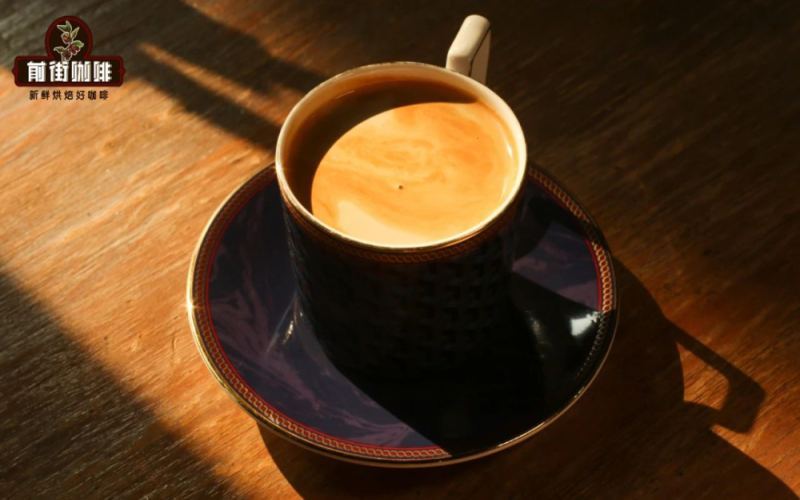
Analyzing the Calorie Difference Between Americano and Latte: Which Coffee Is More Suitable for Fat Loss
When ordering at a coffee shop, Americano and Latte are almost the two most common choices. For those who pay attention to figure management and calorie intake, a question naturally arises: Is Americano high in calories? Which is more fat-loss friendly, Latte or Americano? The answer actually lies in the recipe composition of the two. Starting from the production practices of Front Street Coffee, this article first clarifies the respective definitions and methods of Americano and Latte, then compares the calorie gap brought by whole milk, and finally breaks down in detail the specific operations of espresso extraction, hot water ratio, and milk frothing, helping coffee lovers make choices that suit them based on understanding the principles. [more…]
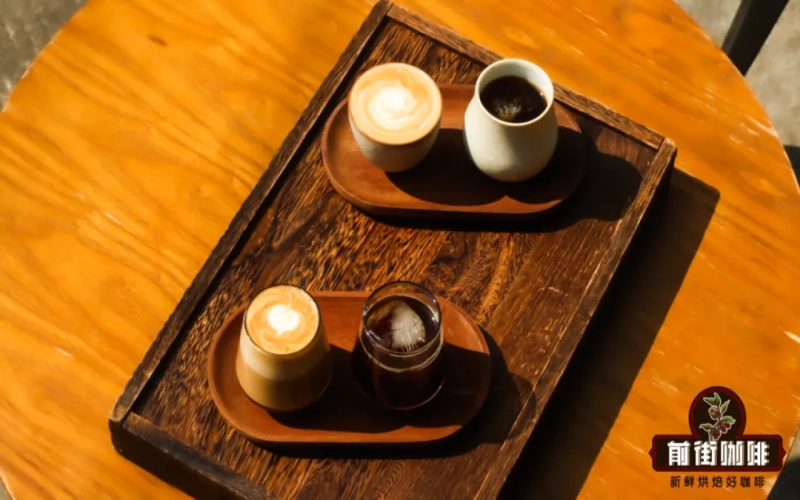
What's the Difference Between a Coffee Combo and a Coffee Set? A Comprehensive Analysis of Combo Methods and Set Meanings
In specialty coffee shops, you often see coffee combo packages given different names—some call them Coffee Combo, others Coffee Set. Although the literal translation of both points to a coffee package, the two have developed subtle differences in emphasis in actual usage. From the perspective of Front Street, this article sorts out the mainstream online understanding of these two concepts, explains Combo's special definition and its origins, and clarifies which scenarios Set is more suited to. At the same time, the article also covers the specific preparation approach for coffee Combos, helping coffee enthusiasts clear up their confusion when ordering. Whether you are a newcomer just getting into coffee or a veteran who frequents cafés, you can gain a clear understanding from it. [more…]
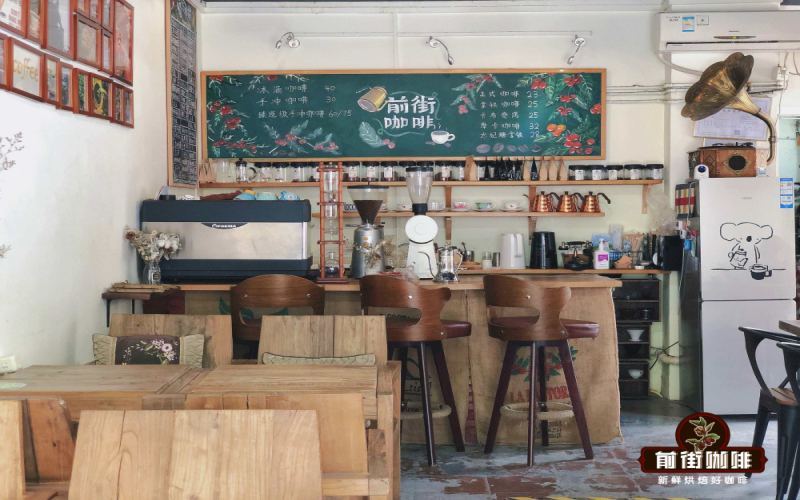
What coffee beans are used for freshly ground Americano at convenience stores? Bean selection approaches for drip and espresso machines, and Front Street Coffee bean recommendations.
At convenience stores, you can get a freshly ground Americano just by pressing a button—but is this kind of coffee really the same as the Americano you drink in a coffee shop? The key lies in the type of machine—convenience stores commonly use atmospheric-pressure drip Americano machines, while the Americano produced by coffee shops is based on pressure-extracted espresso. This article first clarifies the extraction differences between the two types of machines, then explains the origin of Americano and the mixing ratios, and finally gives bean selection suggestions for two scenarios: drip filtration and espresso: atmospheric-pressure drip machines are suitable for hand-brew-style single-origin beans, while pressure espresso machines are more suitable for freshly roasted blends. The article also compiles a variety of Front Street Coffee beans suitable for making Americano, making it easy to match them by flavor. [more…]
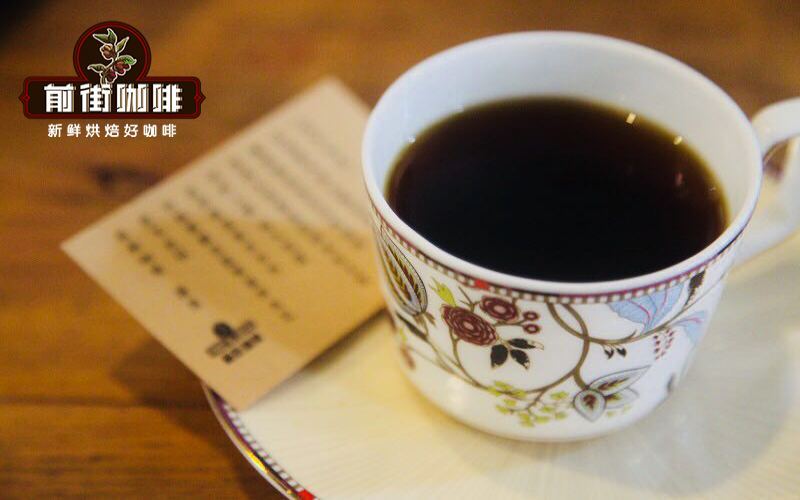
Does Americano count as black coffee? Analyzing the differences between black coffee and latte in taste and effects
Many friends who are just getting into coffee tend to lump Americano and black coffee together, and are also unclear about exactly how it differs from a latte. This article, from the perspective of Front Street, first clarifies the basic definition of black coffee, then explains the composition and preparation of Americano, and afterward compares how Americano and latte differ in their presentation on an espresso base, including ratios, mouthfeel, and flavor direction. Finally, it sorts out how the two actually perform in terms of alertness, aiding digestion, and stomach-friendliness, helping coffee lovers understand these common coffee categories more clearly. [more…]
Why is a Dirty Coffee served in a small cup and meant to be finished in three sips? Front Street Coffee explains the cup-size logic and drinking approach of Dirty Coffee.
When you order a Dirty at a coffee shop, it often arrives in just a small cup—a few sips and it's gone, frequently leaving you wanting more. Both are espresso-and-milk combinations, so why can't a Dirty be made into a large cup like a latte? Behind the cup size actually lies the logic of flavor design. Drawing on Front Street Coffee's real-world experience, this article clarifies the true difference between a Dirty and an iced latte, explains why only a small cup can deliver a sense of layers, and puts a 300ml "big-bowl Dirty" to the test to see whether this supersized dirty coffee still tastes good. [more…]
How Are Espresso Beans Different from Pour-Over Beans? Five Front Street Coffee Espresso Blends Recommended for Everyday Drinking
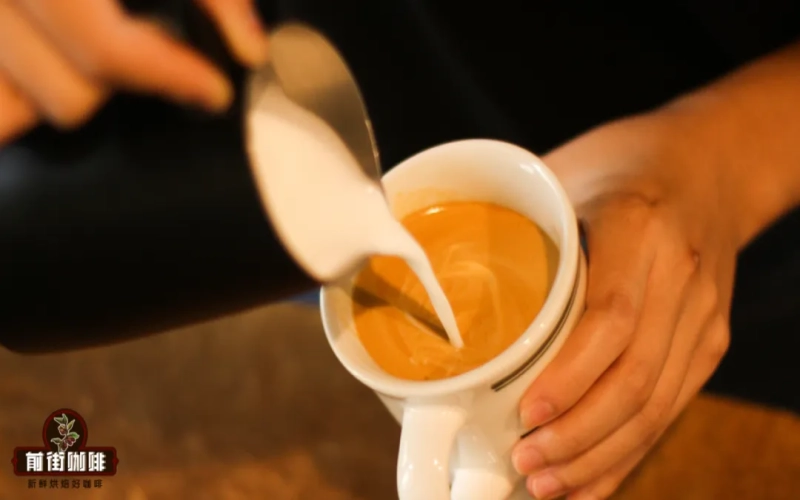
Many friends who are just getting into coffee are curious: what exactly is the difference between pour-over beans and espresso beans? Simply put, an espresso blend (House Blend) is usually made by combining two or more single-origin coffees, designed specifically for high-temperature, high-pressure extraction as espresso, and used to make drinks like lattes, Americanos, and cappuccinos. Because the extraction method is intense, light-roasted beans can easily make espresso taste sharp and thin, so medium-dark roasts are recommended. This article first clarifies the differences between espresso beans and pour-over beans, then, according to different flavor needs, recommends five Front Street Coffee espresso blends one by one, covering rich and mellow, fruity and floral sweet-tart, nutty notes, cafe-style favorites, and high-value beginner options, along with practical advice on coffee bean freshness and the best tasting period, to help you reliably recreate cafe flavors at home. [more…]
How to Choose Between a Flat White, Latte, and Dirty Coffee? A Full Breakdown of Recipe Ratios, Milk Foam Thickness, and Taste Differences
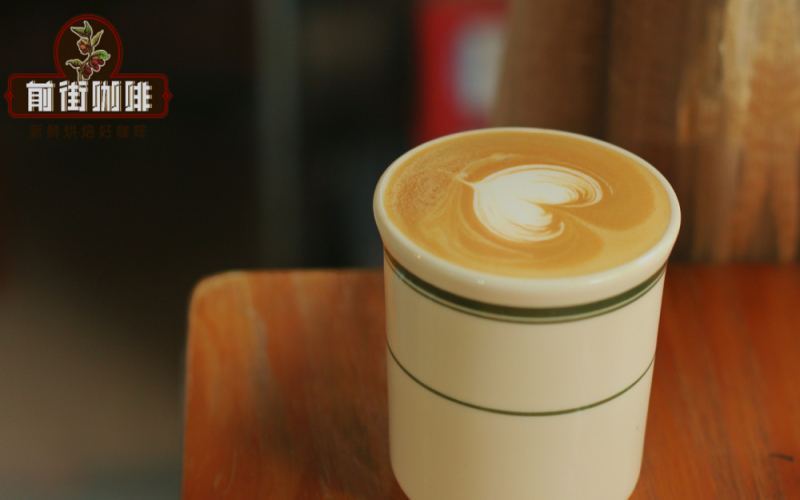
Walking into a specialty coffee shop, the flat white, latte, and Dirty on the menu often make it hard to choose. They are all milk coffees, yet each has its own finer points when it comes to espresso base, milk volume, foam thickness, and drinking method. From the perspective of Front Street, this article first clarifies the definitions and origins of the three, then uses a concentration and content ranking chart for an intuitive comparison, and afterward breaks down the production process and key details of latte, flat white, and Dirty one by one, including milk frothing, pouring techniques, milk temperature, and pouring distance, to help you find the cup that best suits your taste. [more…]
A Complete Guide to Sumatra Mandheling Coffee Bean Varieties, Pour-Over Extraction Temperature Parameters, and Flavor Characteristics
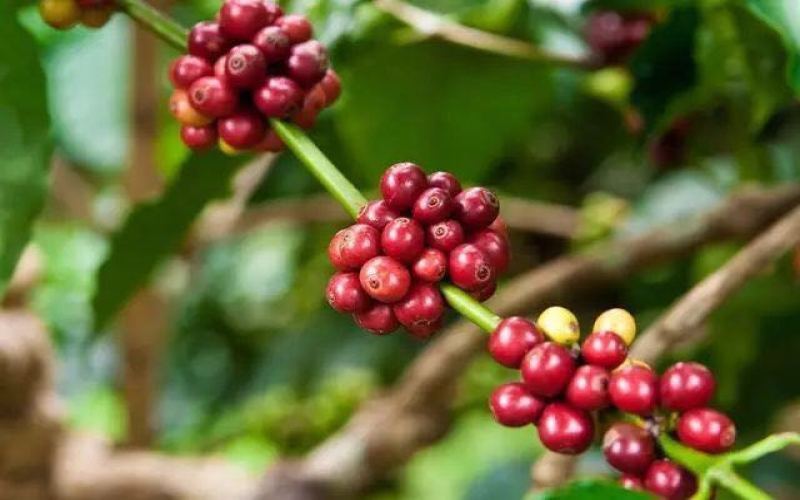
Mandheling is a classic name that coffee enthusiasts cannot avoid; it is neither a variety nor a producing region, but the name of an ethnic minority from the northern highlands of Sumatra. This article begins with the origin of the name Mandheling and the geography of the Sumatra producing region, sorts out the differences among sub-regions such as Lintong, Lake Toba, Lake Tawar, and the Gayo Mountains, explains how the wet-hulling process creates the signature goat-foot bean appearance, and clarifies the actual meanings of the Indonesian coffee varieties TimTim and Ateng. The article also fully shares Front Street Coffee's pour-over parameter system, covering water temperature, grind size calibration, coffee-to-water ratio selection, and the three-stage pouring steps. Finally, it summarizes the flavor profiles of Golden Mandheling and Lintong Mandheling, making it suitable reading for coffee enthusiasts who want a systematic understanding of Mandheling. [more…]
How is SOE different from espresso blends and pour-over single-origin coffees? A comprehensive analysis from flavor stability to extraction parameters
In recent years, the specialty coffee trend has driven the popularity of SOE, and many coffee enthusiasts are curious about how it differs from pour-over single-origin and traditional espresso blends. From the perspective of Front Street Coffee, this article first clarifies the definitions and roasting differences between single-origin coffee and SOE, then explains why SOE flavors tend to fluctuate and why Front Street has long favored blends and single-origin coffees, and finally provides specific brewing parameters and flavor descriptions for the sun-dried Huakui SOE and Front Street's classic blend, helping you judge whether SOE americano is actually good and how to make it at home without messing it up. [more…]