







What sets espresso coffee beans apart from pour-over beans?
Espresso coffee beans, often sold as a House Blend, combine two or more single-origin coffees built for high-temperature, high-pressure extraction and used for lattes, Americanos, cappuccinos, and flat whites. Pour-over beans are chosen for gentler brewing. Because espresso extraction is intense, light roasts tend to taste sharp and thin, so medium-dark roasting is the more reliable choice.
The recommendations cover five Front Street espresso blends ranked by sales, spanning rich and mellow, fruity and sweet-tart, nutty, cafe-style, and beginner-friendly profiles. The classic blend follows a Mamba recipe of Indonesian Mandheling with Brazilian beans and adds Robusta, a variety that improves crema and gives the shot a fuller body. Freshness and the optimal flavor window are also covered.
Many friends who are just getting into coffee are curious: what exactly is the difference between pour-over beans and espresso beans? Simply put, an espresso blend (House Blend) is usually made by combining two or more single-origin coffees, designed specifically for high-temperature, high-pressure espresso extraction, used to make lattes, Americanos, cappuccinos, and other drinks. Because the extraction method is intense, light-roasted beans tend to make espresso sharp and thin, so medium-dark roasting is recommended. This article first clarifies the differences between espresso beans and pour-over beans, then recommends five Front Street Coffee espresso blends one by one according to different flavor needs, covering rich and mellow, fruity and sweet-tart, nutty notes, café-style, and high-value beginner options, along with practical advice on coffee bean freshness and the optimal flavor period, to help you consistently recreate café flavors at home.
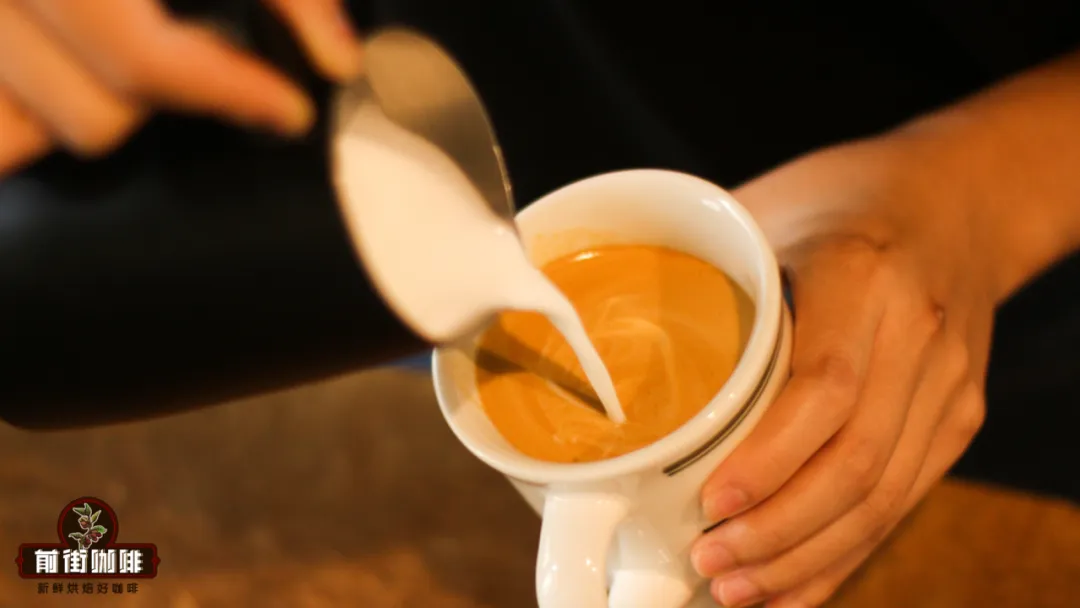
What cafés often call an espresso recipe, in English House Blend, generally combines two or even more single-origin coffee beans, used specifically to make espresso drinks—cappuccinos, Americanos, lattes, flat whites all rely on it. If you want to recreate the taste of a coffee shop at home, having a bag of the same espresso beans is the most basic prerequisite.
Although blending options are endlessly varied, don't forget that espresso is extracted under high temperature, high pressure, and extremely fine grinding, so the flavor impact is strong. If you use light-roasted beans, the espresso often tastes rather sharp and thin. So if you want stable output every day, choosing medium-dark roast is more reliable. Below, ranked by sales, are a few espresso blends worth trying:
1. Rich and Mellow Route: Front Street Coffee Classic Espresso Blend Coffee Beans
Most coffee lovers have only heard of Mamba coffee, but aren't clear about the origin and recipe of the name "Mamba." In fact, it simply pairs Indonesian Mandheling beans with Brazilian beans, complementing and balancing each other in flavor. It was quite popular in Taiwanese cafés in the early years, and can be considered a coffee taste with a strong sense of nostalgia. Front Street Coffee Classic Espresso Blend is based on the Mamba recipe with added Robusta, noticeably improving the crema performance, making the body of the espresso more substantial—very suitable for making latte art at home.
2. Fruity and Sweet Route: Front Street Coffee Strawberry Candy Espresso Blend Coffee Beans
If you want fruity notes in your espresso, you should mainly choose medium-roast beans. Here we recommend Front Street Coffee Strawberry Candy Espresso Coffee Beans, which you can order directly on Taobao or Tmall stores. This bean is based on the honey-processed Front Street Costa Rica Tarrazú, plus two major regions—Ethiopia, the birthplace of coffee—and blends in Colombian coffee beans. The resulting espresso isn't too aggressive, and after extraction by the coffee machine it has good crema, a dense texture, and a sweet-tart feel similar to strawberry gummy candy. It works well for Americanos or lattes.
3. Rich and Nutty Route: Front Street Coffee Specialty Espresso Blend Coffee Beans
Brazil and Colombia are both among the world's top coffee-producing countries, with reputations long established. Front Street combines beans from these two regions: the nutty aroma and balanced mouthfeel of Brazilian coffee meets the chocolate notes of Colombian coffee, and the effect is truly one plus one greater than two. The extracted espresso presents flavors of butter cookies, cocoa, and roasted nuts, suitable for those who don't like acidity, and works for both Americanos and lattes.
4. Café-Style Route: Front Street Coffee Commercial Espresso Blend Coffee Beans
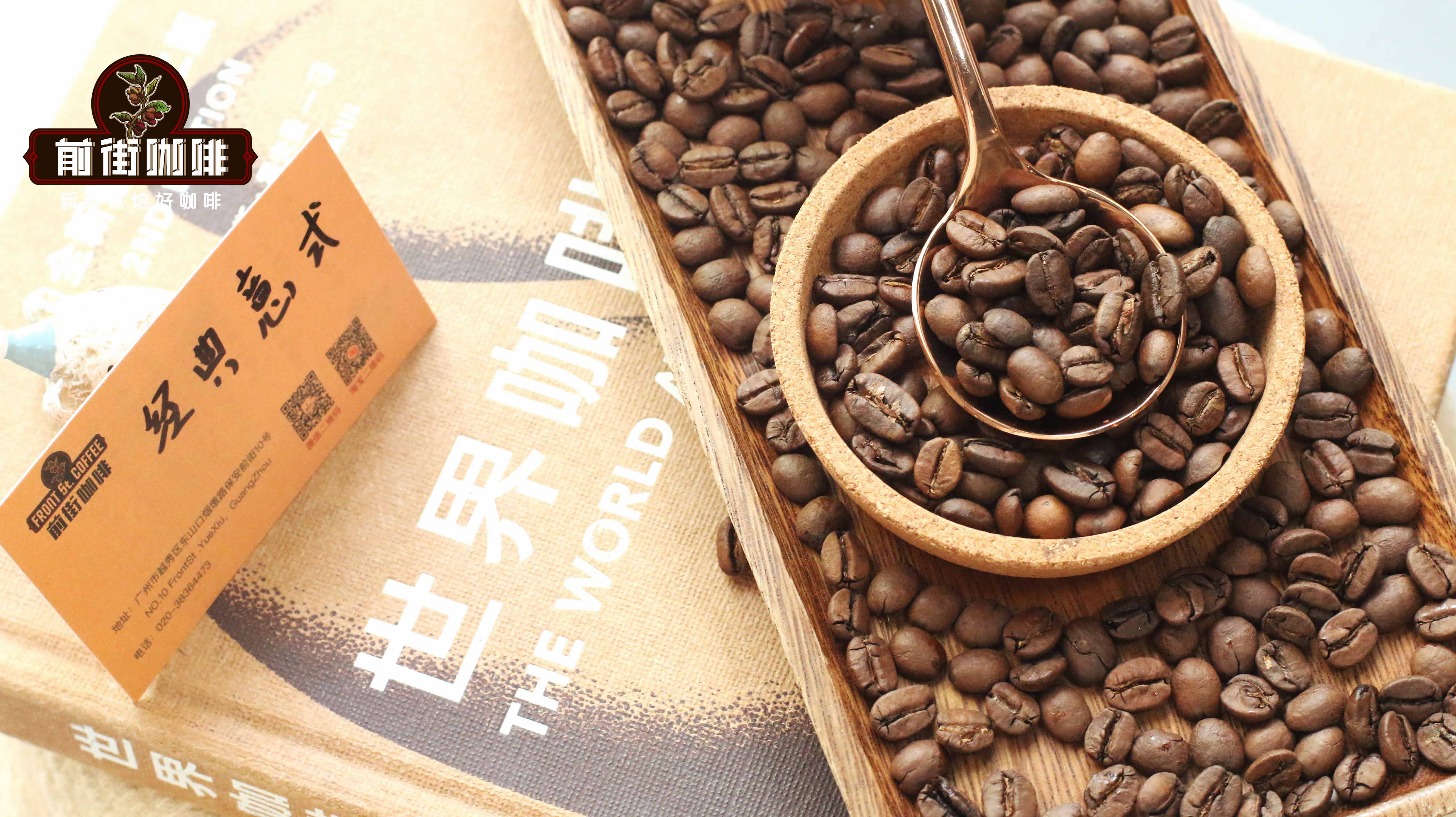
If you want to recreate the Americanos and lattes from cafés, you can directly get Front Street Coffee Commercial Blend Coffee Beans. It combines three major regions—Brazil, Colombia, and Vietnam—and after medium-dark roasting has rich crema and prominent roasted aromas. As an Americano it tastes sweet and mellow, very smooth on the palate; as a latte it's rich and silky, leaving a lingering fragrance after drinking. Plus the price is affordable, so it can absolutely serve as your everyday home staple beans.
5. High Value Route: Front Street Coffee Basic Espresso Blend Coffee Beans
For beginners, the natural priority is value for money, and this bean can meet the needs of most household users. It has soft fruity acidity, caramel-like sweetness, and nutty and dark chocolate flavors, with a smooth, viscous mouthfeel and a very friendly price. For shop owners or household users who prioritize cost and aren't too demanding about flavor, it's a choice worth trying first.
Whether pour-over or espresso, if you want to brew a good cup of coffee, freshness is an unavoidable prerequisite. Front Street has always believed that the freshness of coffee beans is a very key part of the brewing process. The coffee beans shipped by Front Street Coffee (FrontStreet Coffee) are all controlled within 5 days of roasting, because Front Street knows very well how much freshness affects flavor. Front Street's roasting motto is "Freshly roasted good coffee," so every customer who places an order receives the freshest coffee.
The gases inside coffee beans are slowly released over time, and the aroma dissipates little by little along with them. Generally speaking, the optimal flavor period of coffee beans falls within 40~50 days after roasting. Therefore Front Street recommends drinking them within a month and a half to avoid negative flavors such as woodiness and bitterness appearing in the coffee.
The above content is compiled by CoffeeHunters, a coffee news website.


