








What does an soe latte from Brazil Cerrado taste like?
An SOE latte is simply a latte pulled with single-origin espresso instead of a blend, so the flavor follows the bean rather than a house recipe. Brazil's Cerrado region is a common choice for this style, and one widespread misconception is worth clearing up: SOE does not automatically taste better than a blend, since bean quality, roast, equipment, and technique all shape the cup.
Before 1990 Brazil relied almost entirely on natural processing, which left beans prone to off-flavors described as decaying wood or soil after two to three weeks of drying. The semi-washed method shortened that exposure and cleaned up the cup. Beans such as Queen's Farm Yellow Bourbon and South Minas Red Bourbon show what Cerrado offers in milk.
SOE (Single Origin Espresso) has garnered significant attention from coffee enthusiasts in recent years, and the Cerrado region of Brazil, as a classic representative, is often used to make SOE lattes. This article starts with the definition of SOE, clarifies common misconceptions, and provides an in-depth introduction to the unique semi-washed processing method specific to Brazil's Cerrado region, comparing the differences between natural and washed processing. Additionally, the article compiles detailed information on two coffee beans produced by Front Street Coffee—the Queen's Farm Yellow Bourbon and South Minas Red Bourbon—including origin, variety, processing method, and flavor descriptions, helping readers gain a comprehensive understanding of the flavor profile and key production points of SOE Cerrado lattes.

There are quite a few variables that affect the flavor of a cup of coffee, and SOE simply means using single-origin coffee beans to make espresso—it does not necessarily mean the chosen beans are superior to a blend.
"SOE" is short for Single Origin Espresso. It is not some mysterious or complicated category; essentially, it just replaces the blend commonly used for espresso with single-origin beans, then uses an espresso machine to extract a shot of espresso under high pressure.
By the same logic, an SOE latte is a latte made with single-origin beans; an SOE americano is an americano made with single-origin beans...
Common Misconceptions About SOE
SOE itself is not complicated, but it is easy for some misunderstandings to arise around it. The following two are particularly typical.
Misconception 1: SOE is always better tasting than a blend
Whether a cup of coffee is satisfying depends on multiple factors, including bean quality, roasting method, equipment performance, brewing technique, and personal taste preferences. SOE only refers to using single-origin beans for espresso; the beans are not necessarily better than a blend. The other factors also profoundly influence the final result of the coffee, so one cannot simply assert which type of coffee tastes better.
Semi-Washed Processing Method
Before 1990, Brazil almost exclusively used relatively rough natural processing, which made Brazilian beans prone to picking up off-flavors reminiscent of decaying wood or soil. The reason is that the coffee cherries needed to undergo two to three weeks of continuous sun exposure, and once rain or moisture returned, moldy flavors could easily develop.
Semi-washed processing, on the other hand, first removes the skin and pulp of the coffee cherry, thereby allowing control over the fermentation degree of the mucilage-covered beans after pulping. In contrast, traditional natural processing keeps the skin and pulp on during drying, making it impossible to visually judge the fermentation condition of the mucilage.
The semi-washed method falls between natural and washed processing, but it omits the "tank fermentation and clean water rinsing" steps of washed processing, instead placing the beans directly in the sun to dry. Although the operations may seem similar, the absence of a fermentation step leads to a completely different flavor direction in the coffee beans.
During the process of removing the skin and pulp, fully ripe cherries have pulp that is easy to remove, while the skin of unripe green cherries is difficult to clean off completely. Therefore, semi-washed processing allows for a secondary screening to filter out unripe cherries and unify the ripeness of the coffee cherries. Front Street believes that compared to natural processing, coffee beans selected and processed this way show improvements in both cleanliness and ripeness, delivering a more consistent cup.
The promotion of the semi-washed method does not mean that all Brazilian regions have adopted it. The lower-humidity Cerrado still primarily uses natural processing, and semi-washed processing actually plays a secondary role in Cerrado. However, the Red Bourbon from the Cerrado region sourced by Front Street Coffee (FrontStreet Coffee) is indeed processed using the semi-washed method.
Front Street Coffee (FrontStreet Coffee): Brazil · Queen's Farm Yellow Bourbon Coffee Beans Region: São Paulo, Mogiana Region Farm: Queen's Farm (Fazenda Rainha) Owner: Regina Helena Mello de Carvalho Dias, of the Carvalho Dias family Variety: Yellow Bourbon Processing Method: Natural Altitude: 1400-1950m Flavor: Prominent chocolate and nut notes, with floral and spice aromas, caramel sweetness, a pu'er tea finish, and an overall rich, smooth, and well-balanced mouthfeel.
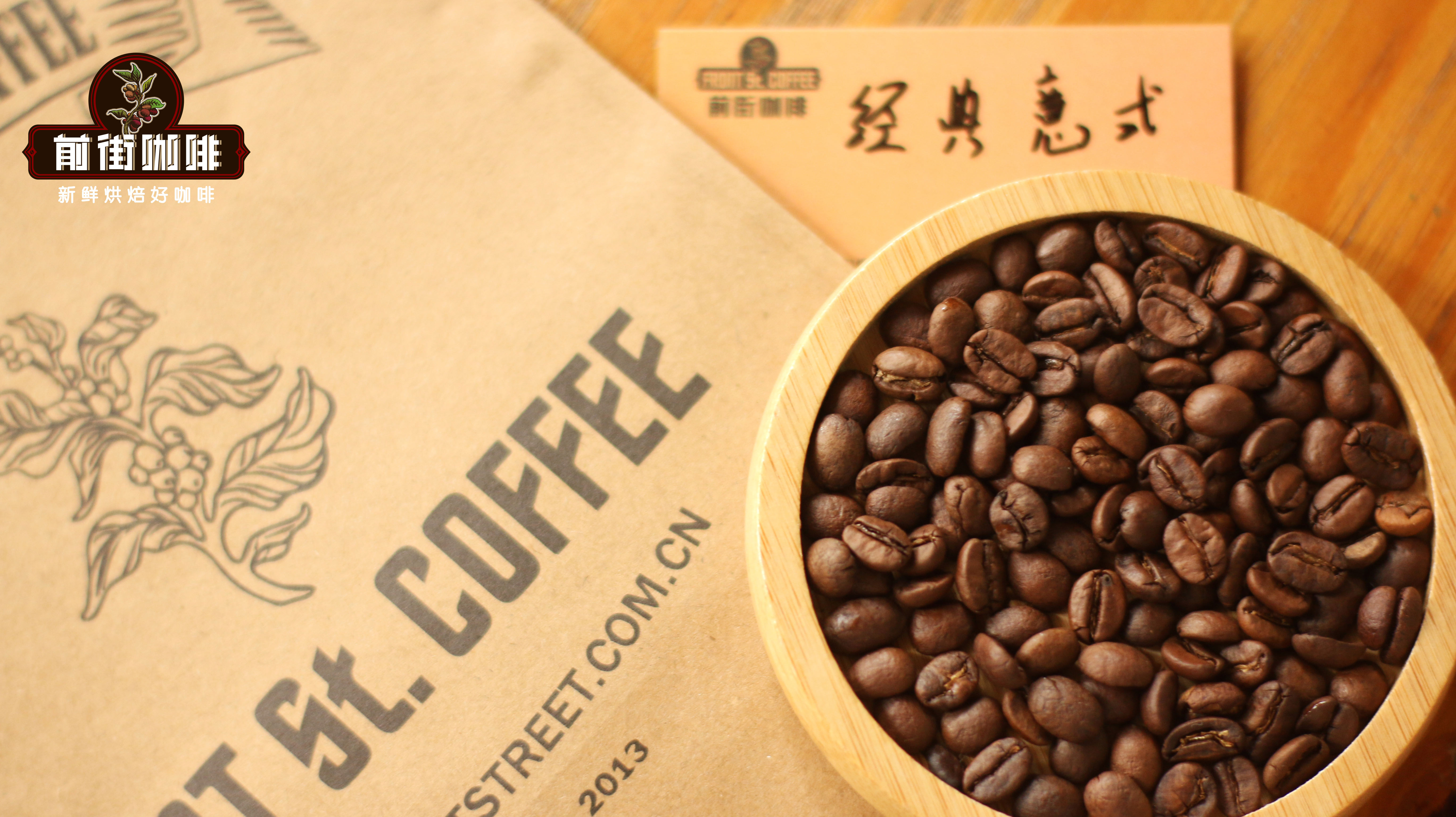
Front Street Brazil Red Bourbon Coffee Region: South Minas Region Variety: Red Bourbon Processing Method: Semi-Washed Altitude: 700-1250m Flavor: Noticeable sweetness on the entry, with a faint lemon aroma, rich nutty flavors, and a distinct dark chocolate note in the finish, giving an overall rounded impression. The above is some related information compiled by Front Street Coffee (FrontStreet Coffee) We hope this article helps everyone gain a deeper understanding of coffee
.
The above content is compiled by CoffeeHunters, a coffee news website.


