







Search Results for: Shan State Coffee
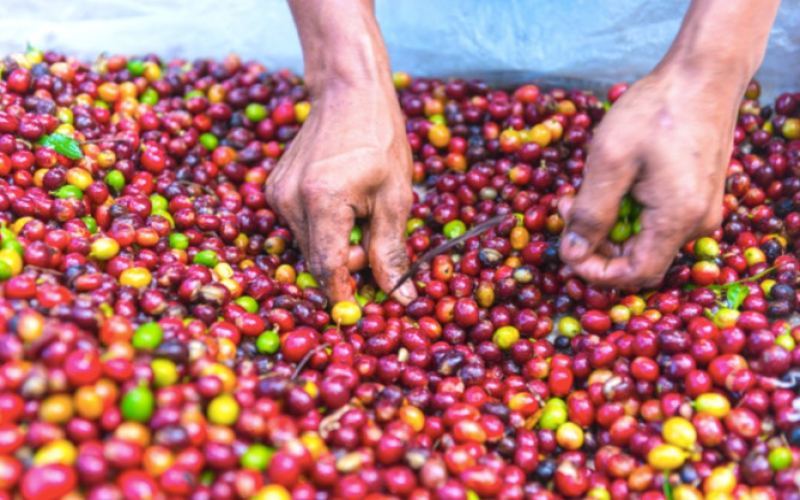
缅甸咖啡产地全解析:种植历史、主要产区与风味特征
缅甸,一个常被联想到缅北电诈与内乱动荡的东南亚国家,却鲜有人知它也是咖啡种植地。前街咖啡带你走进这个冷门产地。缅甸地处热带季风气候区,北高南低,山地高原与冲积平原交错,为咖啡提供了理想生长环境。19世纪末英国殖民时期咖啡传入,20世纪30年代传教士在掸邦开始种植,1980年代政府与联合国合作以咖啡替代罂粟,产业才真正起步。如今掸邦和曼德勒是主要产区,以小农种植为主,阿拉比卡占八成用于出口。本文详细介绍缅甸咖啡的种植历史、产区分布、品种与产业现状。 [more…]
缅甸咖啡种植业发展历程与掸邦、曼德勒等产区品种全解析
缅甸,一个常因缅北电诈与内乱动荡进入大众视野的东南亚国家,却鲜少有人知晓其咖啡种植的潜力。前街今天带大家走进这个冷门产地。19世纪末英国殖民者到来,20世纪30年代天主教传教士将咖啡引入北部掸邦。1980年代政府与联合国合作推行以咖啡替代罂粟种植的项目,产业才真正起步。如今缅甸咖啡主要集中在掸邦的瑙丘、耶岸、勃窝及曼德勒省彬乌伦等地,以小农种植为主,八成阿拉比卡用于出口。品种涵盖卡杜拉、卡蒂姆、波旁、铁皮卡、S795和SL34。2024年种植面积已扩至27.9万英亩,未来计划进一步扩张。 [more…]
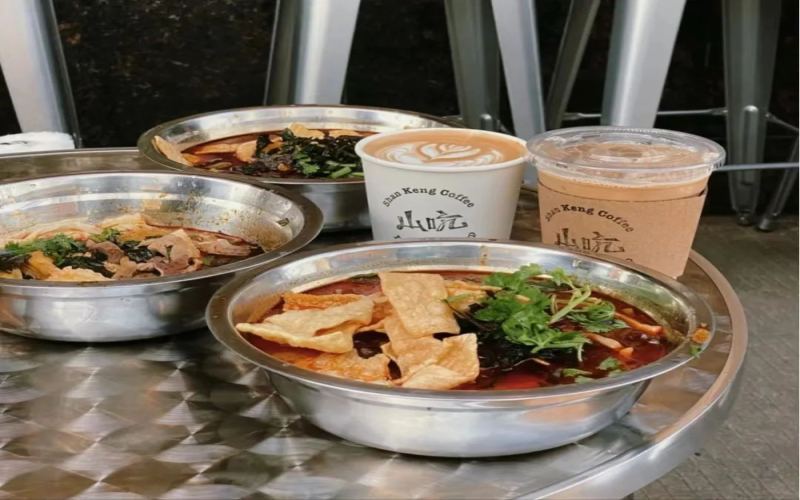
当螺蛳粉遇上咖啡:从早餐搭配到正餐跨界,这股创新风潮能走多远
咖啡与中式餐食的跨界组合早已不新鲜,从油条、烧饼到肥肠粉、肉夹馍,如今连以“臭”闻名的螺蛳粉也加入了这场混搭实验。小红书上的螺蛳粉咖啡笔记已突破两万篇,佛山、开封等地涌现出日营业额数千元的门店。这股“粉啡搭配”的热潮究竟是年轻人的猎奇狂欢,还是咖啡文化融入中国饮食的必然一步?本文将带你梳理咖啡+中式小吃的演进脉络,深入探店案例,并探讨前街咖啡等品牌在这一趋势中的角色与可能性。 [more…]

Espresso Crema | Why does espresso have a layer of crema? Can the crema tell you if an espresso is good or bad?
You often hear people say, "To judge whether an espresso tastes good, just look at the crema. The best espresso has a crema that is fine, thick, and golden." But can you really judge whether an espresso tastes good by the state of its crema? To find out whether this method works, Front Street only needs to give everyone two questions. [more…]
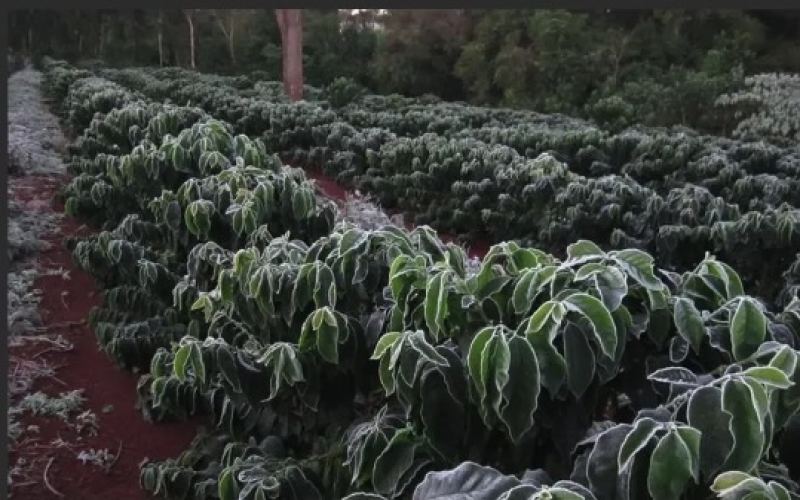
Cold current is coming!? Brazil is about to be hit by a frost.
It is understood that although Brazil is in the southern hemisphere and is located in the tropics, according to normal circumstances, Brazil has four seasons a year, and from June to September every year, winter will come. However, this year, due to [more…]
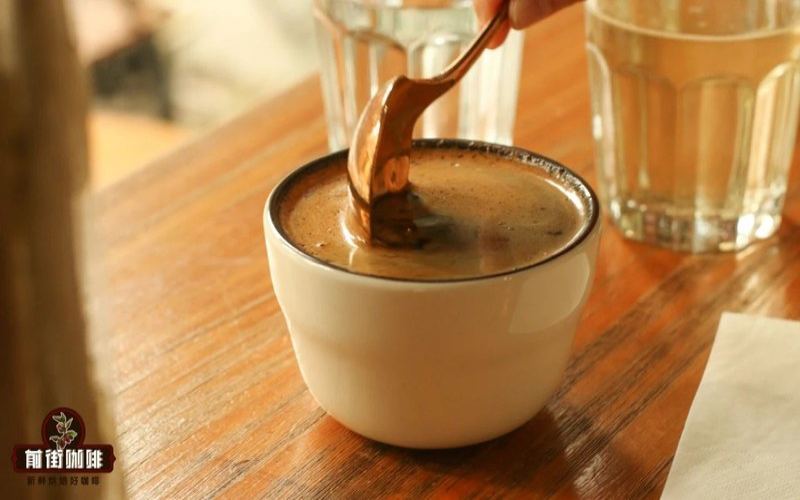
Grasp the peak flavor window and degassing state to make latte beans' aroma last longer
The aromatic depth and smooth texture presented by a cup of latte are closely related to the current freshness and gas state of the coffee beans. After being heated during roasting, coffee beans continuously release carbon dioxide, and the flavor compounds inside are also constantly undergoing oxidation and transformation. Freshly roasted coffee beans, due to the high concentration of carbon dioxide within them, produce during extraction [more…]
Yirgacheffe's Resting Period: How to Drink It from Roasting to After Opening
To keep Yirgacheffe from tasting sharp, don't just fixate on the words "low acidity" on the flavor chart when buying—also pay attention to the roast date and your own drinking pace. Coffee beans need to go through a degassing process from the moment roasting finishes until they reach a stable state; brew too early and you may get a pungent acidity in the cup, with aromas scattering, and so on. [more…]

Introduction to the varieties in the Kona coffee producing area in Hawaii, USA.
As we all know, coffee is generally grown in the coffee growing zone, that is, the equatorial zone between the north and south tropic lines. However, the United States is not in this range, and the climate conditions are not very suitable for the gro [more…]

Freezing Coffee Beans for Storage | Should Coffee Beans Be Stored in the Refrigerator? Why Freeze Coffee Beans? How Should Coffee Beginners Store Coffee Beans Daily?
"Front Street Coffee recently noticed a topic in our chat group." How do you all store your coffee beans after buying them? In the fridge! I've seen many coffee experts keep their beans in the fridge. But won't the beans get damp in the fridge? The fridge is dry! (So Front Street Coffee interviewed various coffee beans 🎤) [more…]
Bean usage periods and opened-bag storage for fully automatic coffee machines: a drinking rhythm that keeps flavor consistently on point
After coffee beans are roasted, they continue to release a large amount of carbon dioxide gas internally. In the pressurized extraction environment of a fully automatic coffee machine, the state of gas release directly affects the contact between water and coffee grounds. Understanding the degassing patterns of coffee beans and the resting period helps the machine extract a more [more…]
Yirgacheffe Coffee Beans: A Drinking Schedule from Roasting to Opening
Yirgacheffe's characteristic floral, citrus, and tea notes depend heavily on the time between when the beans finish roasting and when they're brewed. When buying beans, don't just focus on a few words on the flavor card—also check the roast date, the packaging method, and your own drinking speed. When the beans are in the right state, the aromas open up, and the acidity and sweetness show more layers. After roasting [more…]
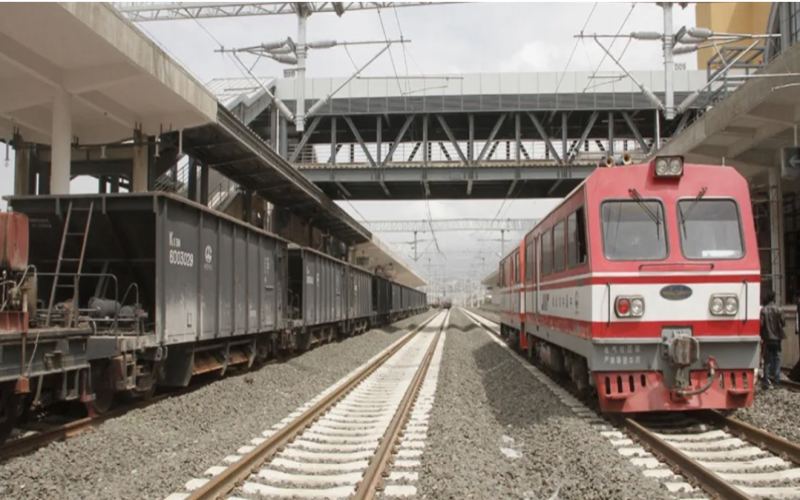
The internal war in Ethiopia has led to problems with coffee transportation, and it is considering using railways for diversion.
Due to the conflict in Ethiopia, there are problems with coffee transportation, and the government considers using railway transportation for diversion. Recently, according to the report of the Ethiopian Reporter Network, the current Ethiopian govern [more…]
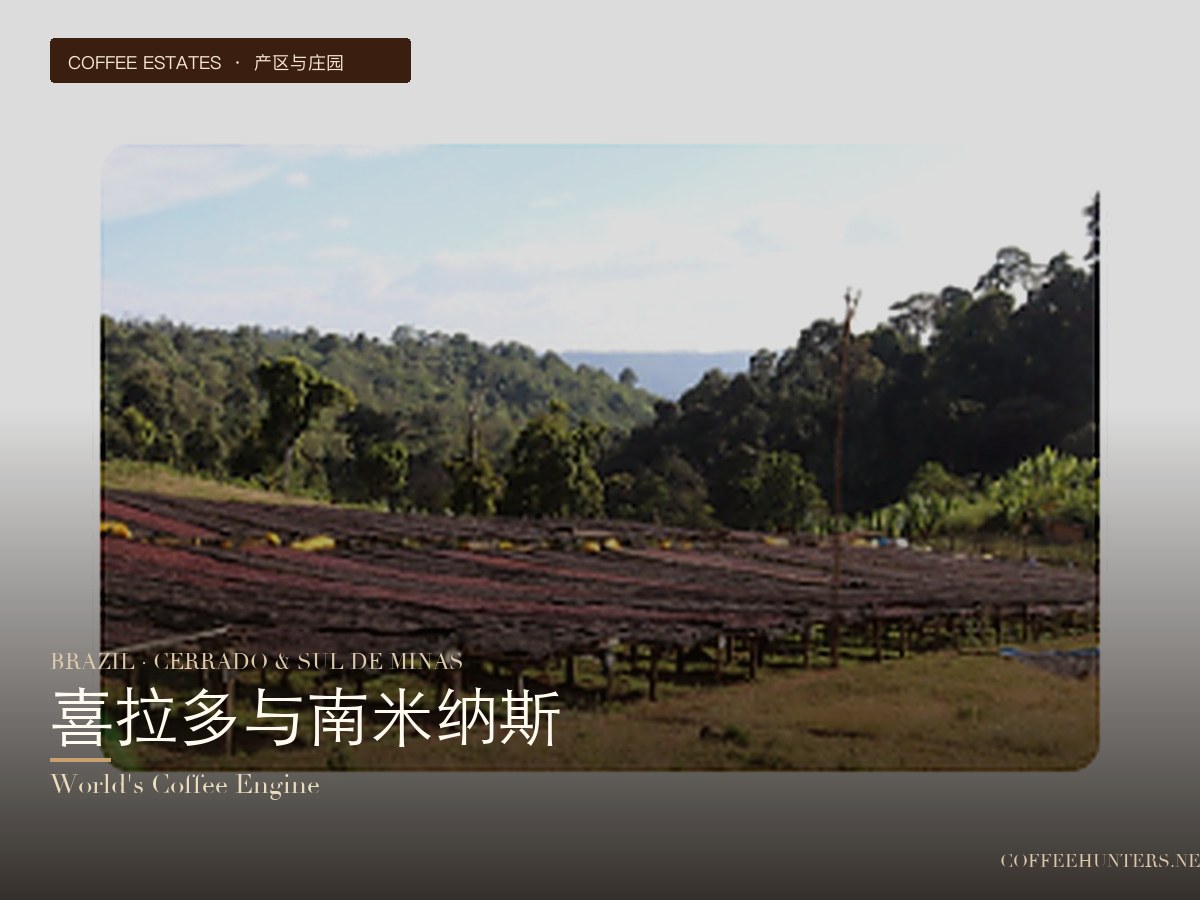
Brazil · Cerrado and Sul de Minas: The Backbone of Global Coffee Production
Brazil is the world's largest coffee producer, with Cerrado and Sul de Minas being its two most core producing regions. This article takes you through the history of coffee cultivation in Brazil, its flavor characteristics, and its unique place in the world of specialty coffee. [more…]
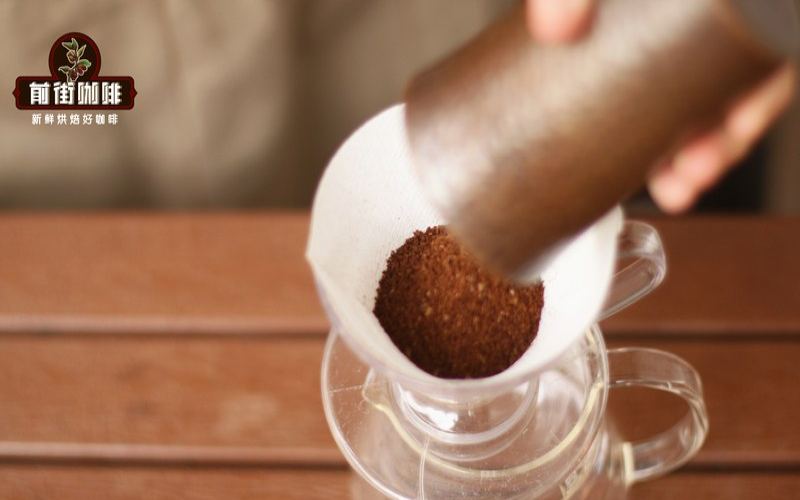
From Degassing to Opening and Consumption: A Flavor-Window Rhythm Guide for Italian-Style Dark and Medium-Dark Roasts
After coffee beans are roasted, they continuously release a large amount of carbon dioxide internally. Due to differences in the degree of heat exposure, dark roasts and medium-dark roasts naturally differ in their internal pore structure and degassing rate. This physiological change directly determines the crema condition during espresso extraction, and also defines the time window during which flavor development reaches a balanced state. [more…]
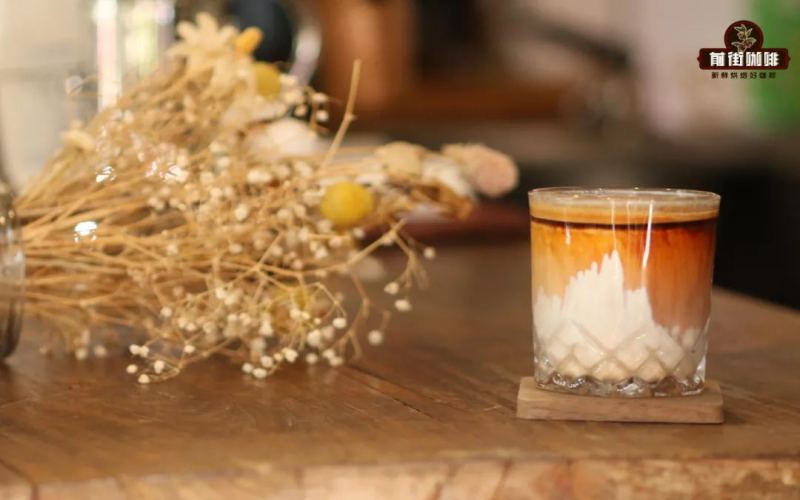
LATTE DIRTY COFFEE DRINKING METHOD | How can you make the layers in a Dirty coffee clearly distinct? What are the key points for making a delicious Dirty coffee?
What we usually call a Dirty coffee is nothing more than taking a glass, filling it with milk, then placing it under the espresso machine's brew head and letting the espresso slowly flow into the glass, so that the coffee floats on top of the milk, forming a beautiful layer, and then as time passes, the coffee on top slowly seeps into the pure white milk. [more…]
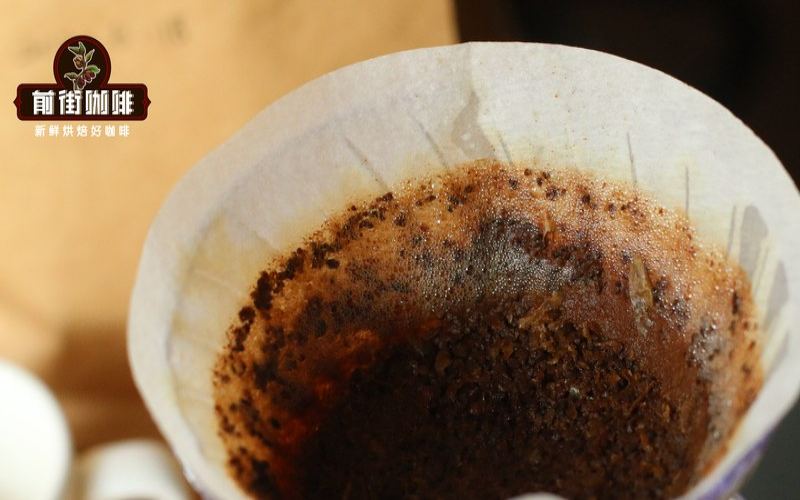
Bialetti Moka Pot Body: How to Arrange the Beans from Roasting to Cup
When coffee brewed with a moka pot has a layer of fine bubbles on its surface, it is often called crema. It is not the same as the crema of espresso; rather, it is foam formed together by carbon dioxide, coffee oils, and fine particles that hot water carries out as it passes through the coffee bed. The freshness of the beans directly affects the amount, fineness, and dissipation of this layer of foam. [more…]
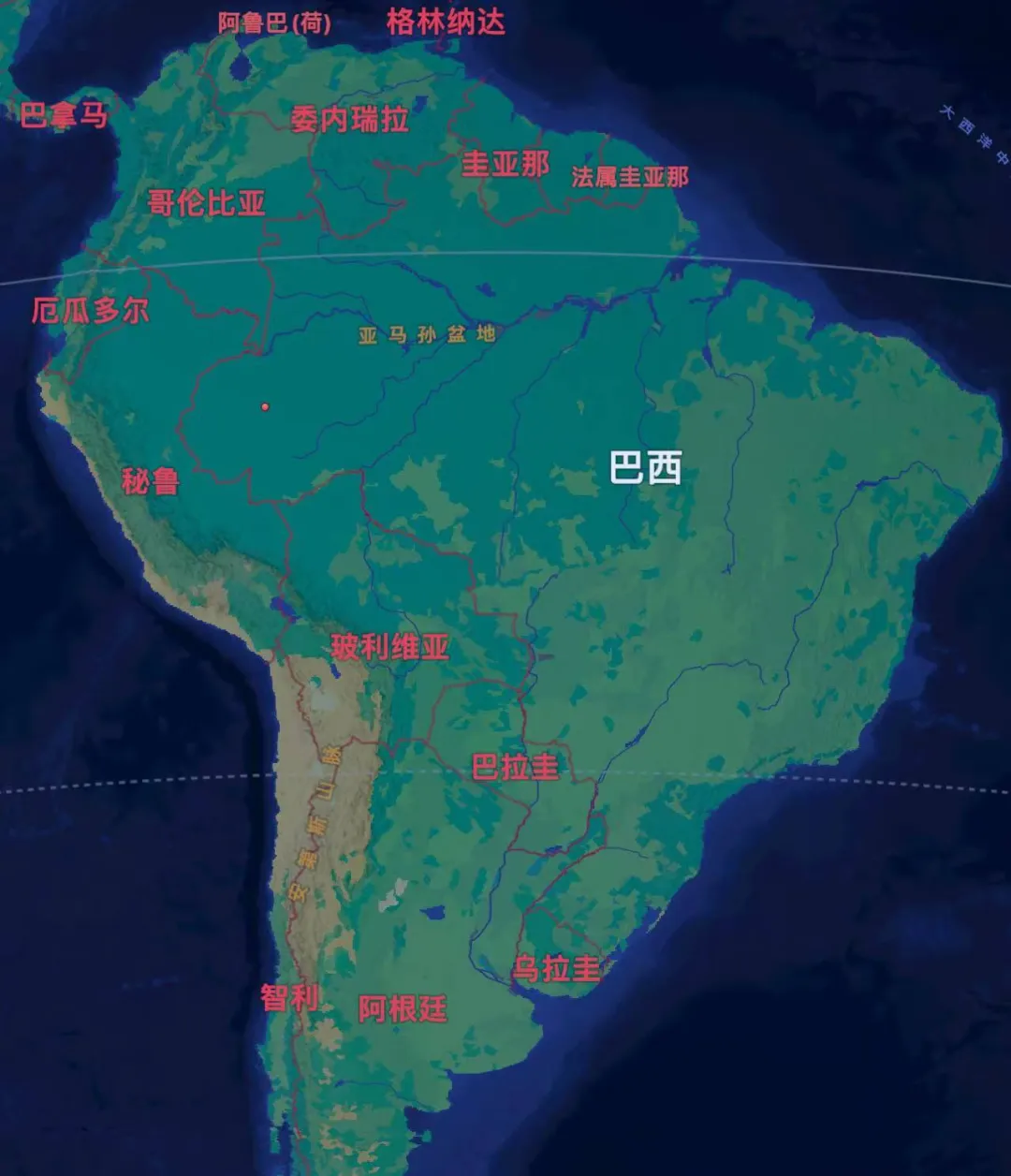
Brazil Specialty Coffee Recommendation | Flavor Characteristics and Origin Introduction of Brazil Cerrado Bourbon Coffee Beans Semi-Washed Processing Method
For more specialty coffee knowledge, please follow: Front Street Coffee (Frontsteet Coffee) Brazilian coffee has always been regarded by everyone as the top choice for "large quantity and satisfying," because it not only has a balanced taste but is also economically affordable. A bag of Front Street Brazilian everyday coffee beans costs only 25 yuan, while a bag of [more…]
The window for delicious iced coffee starts with the roast date
Iced coffee is very sensitive to the freshness of the beans. Low temperatures hold back some of the aroma, and ice further dilutes the concentration. If the beans are still in an intense degassing phase, the cup can easily show sharp acidity and a thin, hollow mouthfeel; if left too long, the floral and fruity notes and sweetness gradually fade. When selecting beans, besides looking at the flavor description, also pay attention to the roasting [more…]

Exploring Brazil Santos Coffee: Flavor Analysis of a World Specialty Coffee Classic from the Port of Santos
When friends visit and are asked what coffee they'd like, many people reply, "I don't really know much about it—just make anything." This prompted us to come up with the idea of introducing the world's classic famous coffees. The first installment focuses on the representative of Brazil, the world's largest coffee-producing country—Brazil Santos Coffee. It comes from the state of São Paulo and is exported through the port of Santos, and with its No.2, 18-19 screen standard, it has become Brazil's highest-grade coffee. This article will analyze in detail its origin background, quality grading, flavor characteristics, and roasting suggestions, taking you through this classic choice that is mild and balanced, suitable for espresso and flavored coffee, and letting you feel its coffee charm that runs through Brazil's veins like samba. [more…]
Light-roast pour-over beans: how the flavor changes from opening the bag to the last sip
The charm of light-roast coffee beans often unfolds between floral notes, fruity acidity, and a tea-like quality, but it is not a state you reach the moment you open the bag. After roasting, the beans continue to release carbon dioxide, and their aroma, acidity, and sweetness also shift over time. When buying beans, in addition to looking at the flavor description, you should also pay attention to the roast date and allow for a suitable resting period. [more…]