







Search Results for: Semi-Sun-Dried Method
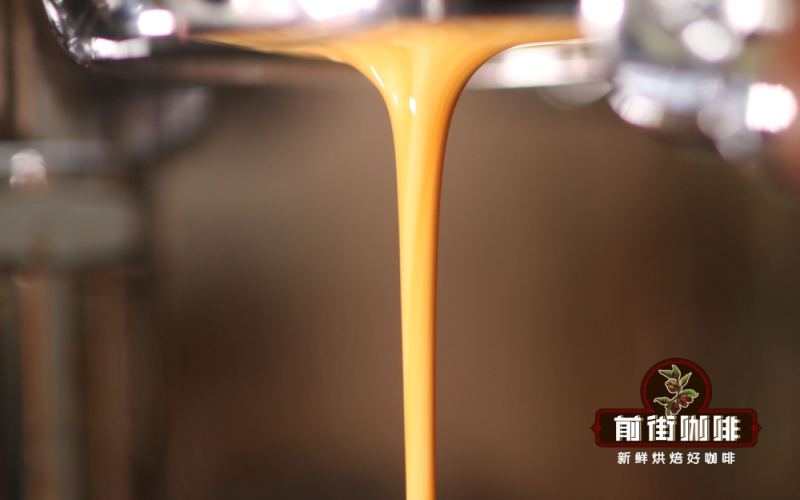
Standard Espresso Recipe | Is the crema on espresso actually cream? Which coffee beans are suitable for making espresso?
Although the menu at Front Street Coffee only lists four espresso drinks, it actually hides some equally classic options behind the scenes, such as the intensely flavored espresso. Espresso has a relatively small following in China, but in its birthplace, Italy, it is a national-level beverage. Espresso (Espres [more…]
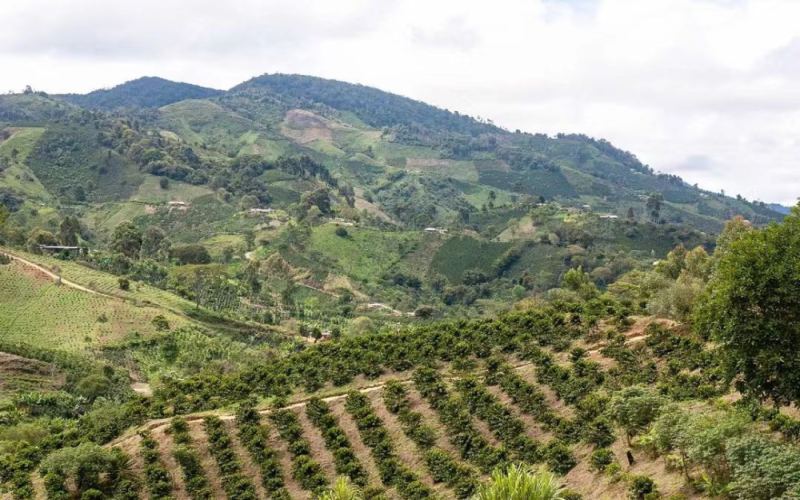
The Flavor Story and Pour-Over Method of Colombia Huila Isabella Estate Pink Bourbon Coffee Beans
Colombia is the world's third-largest coffee exporter, dominated by Arabica, with a balanced flavor and bright acidity. This time, Front Street Coffee brings a Pink Bourbon from the Isabella Estate in Huila Department. This variety arose from a natural cross between Yellow Bourbon and Red Bourbon, and because of its recessive traits, it is difficult to propagate stably, resulting in scarce yields. The article will sort through the regional background of Colombian coffee, the varietal origins and genetic controversy of Pink Bourbon, and the workflow of the semi-washed process, and will also include Front Street's roasting curve, cupping data, and V60 brewing parameters. If you want to learn about this bean's floral and fruity notes and the practical brewing details, read on. [more…]

Understanding the Difference Between SOE Single-Origin Espresso and Espresso Blend Beans in One Article, Plus a Full Analysis of Front Street Coffee Espresso Bean Recommendations
SOE stands for single-origin espresso. It has rapidly gained popularity in domestic specialty coffee shops over the past two years and is often compared by consumers with espresso blends. This article will clarify the positioning of the two: SOE excels in distinctive flavor personality, while blends are strong in quality consistency, and there is no absolute hierarchy between them. The article also explains the difference between the two blending processes—pre-roast blending and post-roast blending—and compiles Front Street Coffee's four espresso blends and three medium-roast single-origin beans suitable for pulling SOE, including Strawberry Candy Blend, Costa Rica Mozart, Ethiopia Huakui, Brazil Queen's Farm, and others, providing a practical reference for choosing espresso beans. [more…]
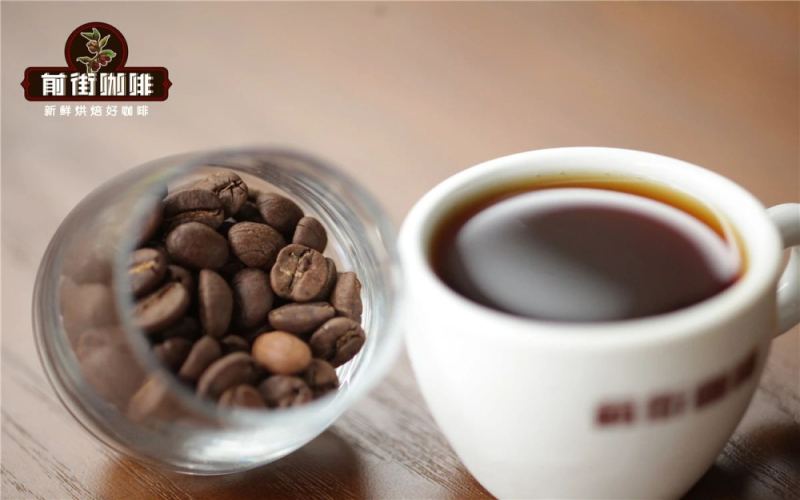
How to choose beans for SOE single-origin espresso? A complete guide from flavor types to Front Street Coffee brand recommendations
As specialty coffee has become increasingly popular in China, the debate over whether espresso should use single-origin beans or blend beans has never ceased. SOE (Single Origin Espresso) rose to fame after being used by 2007 WBC champion James Hoffmann, and gradually became popular in China due to the promotion of chain brands. However, SOE and blends each have their pros and cons: the former emphasizes flavor individuality and often carries noticeable acidity; the latter pursues richness and stability, better matching mainstream tastes. Front Street Coffee believes that the core of specialty coffee lies in the professional presentation of the entire supply chain, rather than judging quality solely by bean type. This article will systematically sort out the definition of SOE, its history, and its differences from blend beans, and provide specific recommendations for Front Street brand SOE and espresso blend beans, helping coffee lovers make choices that suit them. [more…]
Flavor Analysis of Costa Rican Tarrazú Region Yellow Catuai Raisin Honey Process
The Tarrazu region of Costa Rica is world-renowned for its balanced, clean flavors, and the raisin honey process adds a uniquely sweet touch to this land. This article focuses on the performance of the Yellow Catuai variety under this processing method, starting with the double fermentation process learned from Front Street Coffee, and analyzes the causes of its intense fermentation aroma and raisin flavor. At the same time, it takes you into the Tarrazu region to learn about Costa Rican coffee's growing conditions, the evolution of processing techniques, and the stories of well-known estates such as La Minita, and includes Front Street Coffee's roasting recommendations and practical records, presenting a complete flavor map for coffee enthusiasts. [more…]
The Complete Guide to Honey Process Coffee: A Professional Analysis from Semi-Washed Processing to Flavor Expression
As an advanced version of the natural process, the honey process occupies a unique position in the field of coffee processing. Unlike the traditional natural method, it chooses to strip off the outer skin and pulp before drying, leaving only the mucilage layer to be exposed to sunlight. The honey processing technique for which Costa Rica is famous essentially falls within the category of the semi-natural method. This processing method allows coffee beans to achieve a balance between acidity and sweetness, while amplifying aroma through the sun-drying process, delivering a rich and full-bodied drinking experience. This article will break down in detail the complete operational workflow of honey processing, its advantages and disadvantages, and the final flavor characteristics it presents, helping coffee enthusiasts gain a deeper understanding of the logic behind this refined process and Front Street Coffee's related recommendations. [more…]
Wine Process Coffee Bean Flavor Analysis: Front Street Explains the Differences Between Acetic Acid, Lactic Acid, and Mixed Fermentation
The red wine process is a method of processing green coffee beans that draws on winemaking concepts, and currently only a few estates in Colombia have successfully commercialized it. Depending on the fermentation environment, it can be divided into three types: acetic acid fermentation, lactic acid fermentation, and mixed fermentation, each presenting distinctly different flavor characteristics. At the same time, the washed method and the semi-washed method (honey process) remain the most mainstream processing methods in the specialty coffee field, and many of Front Street Coffee's representative beans use these techniques. This article will systematically sort out the classification and flavor performance of the red wine process, and compare the processing flows of washed and semi-washed methods, to help coffee enthusiasts more clearly understand the impact of processing methods on the flavors in the cup. [more…]
The Path to Refinement for Specialty Coffee Beans: Key Processes from Branch Red Cherry to Aromatic Cup
For a coffee bean to become specialty coffee is by no means easy. From variety, origin, microclimate, to the careful cultivation by the coffee farmer, every step affects the final flavor. But even if plump red cherries are produced, not every single one can advance to become specialty coffee. Picking, judging ripeness, removing defects, and green bean processing—no stage can be missing. This article takes you through the complete journey of this magical fruit, seeing how it goes from branch to cup, and helping you better understand how hard-won that cup of coffee in your hands really is. [more…]
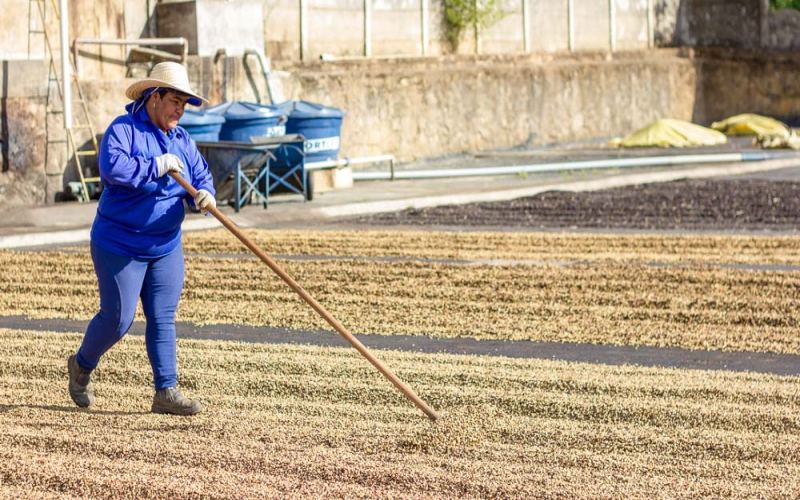
A Detailed Guide to Honey-Processed Coffee Beans: Costa Rican Semi-Washed Craft and Pour-Over Recommendations
Honey processing is a coffee processing method that falls between natural and washed processing, named for the honey-like stickiness of the beans as they retain their mucilage. Starting from semi-dry processing, this article walks through the complete honey processing workflow and its classifications, including black honey, red honey, yellow honey, white honey, and the innovative raisin honey process. It also introduces Front Street Brazil Cerrado, Front Street Blackberry, Front Street Strawberry Candy · Geisha Blend, Front Street Mozart, and other coffees that use related processing methods, helping pour-over enthusiasts understand the flavor differences brought by different honey processes and how to choose beans. [more…]
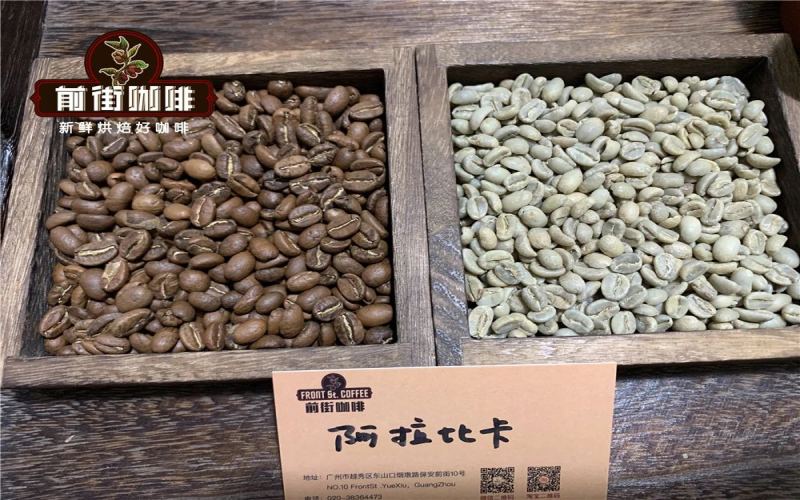
Arabica Specialty Coffee Bean Buying Guide | What Coffee Is Arabica Single-Origin Coffee Bean Suitable For?
We often see the words "pure Arabica coffee beans" in TV commercials, or in coffee shops and convenience stores. Many people are very curious: what are Arabica coffee beans? In this article, Front Street will answer these questions one by one ~ What are Arabica coffee beans? There are three main types of coffee beans in the world. [more…]
Analyzing the Terroir Characteristics, Washed Processing Methods, and Pour-Over Parameters of Colombia's Huila Coffee Region
Huila is one of the most important specialty coffee regions in southwestern Colombia. Thanks to its high altitude, volcanic soil, and abundant water, it produces coffee beans with a full body and pronounced sweetness. In Front Street Coffee's daily-drinker series, the Colombian option uses washed Huila beans, whose clean and gentle flavor profile makes them a reliable choice for an everyday cup. This article introduces Huila's geography and variety characteristics, its washed processing workflow, and shares the V60 brewing parameters and flavor performance recommended by Front Street Coffee, helping coffee lovers gain a more complete understanding of what makes this nationally treasured region so appealing. [more…]

Espresso Beans | Can a Super-Automatic Coffee Machine Use Single-Origin Coffee Beans? Introduction to Espresso Coffee Powder-to-Water Ratio, Grind Size, and Extraction Time Parameters
For more specialty coffee knowledge, please follow: Front Street Coffee (Frontsteet Coffee) In Front Street's view, household fully automatic coffee machines, with their simple and convenient operation, allow you to easily grind coffee beans and brew aromatic coffee with just one press of a button, and are deeply loved in homes and offices [more…]
Who is Indonesian Golden Mandheling coffee suitable for? A comprehensive analysis of its flavor, taste, and pour-over method
Amid the floral and fruity aroma trend led by Geisha, the low-acidity, full-bodied Mandheling coffee still holds a firm place on cafe menus, becoming a classic choice. This article sorts through the definition of Mandheling, its varietal composition, the wet-hulling process, the origin of the name "Mandheling," and the birth of Golden Mandheling one by one. At the same time, drawing on Front Street Coffee's cupping and brewing experience, it explains the flavor characteristics of Golden Mandheling, the people it suits, and provides KONO dripper pour-over parameters, helping coffee enthusiasts gain a more comprehensive understanding of this steady, solid Indonesian coffee. [more…]

Home Coffee Machine Category | What coffee beans make a good Americano with a fully automatic coffee machine? Espresso coffee bean recommendations for home coffee machines
For more specialty coffee knowledge, please follow: Front Street Coffee (Frontsteet Coffee). In Front Street's view, household fully automatic coffee machines, with their simple and convenient operation, allow you to easily grind coffee beans and brew aromatic coffee with just one press of a button, and are deeply loved in homes and offices. [more…]
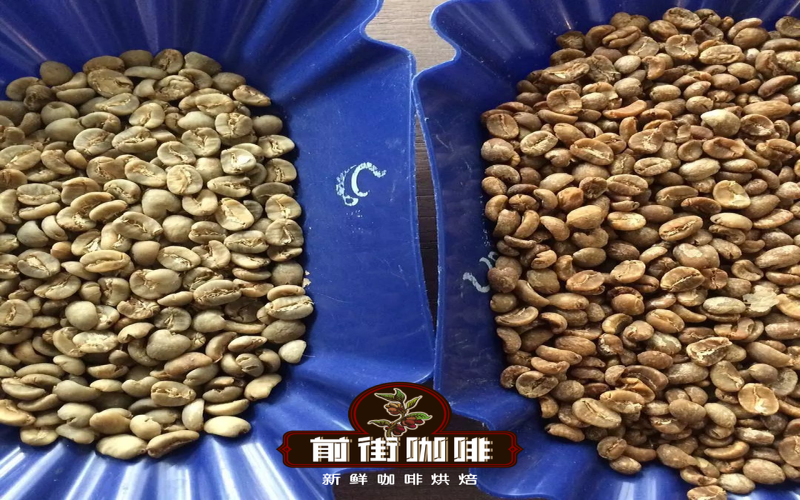
The Mark of Time on Aged Mandheling: From the Sumatran Tiger to a Cross-Century Coffee Legend
Sumatra's Mandheling coffee is Indonesia's most recognizable coffee category. On this land famous for the Sumatran tiger, coffee beans undergo wet-hulling and long sea voyages, giving rise to the unique category of Aged Mandheling. Front Street Coffee offers five products: Lintong, Golden, Tiger, Aged, and Sun-Dried Mandheling, covering different producing regions and processing methods. This article will guide you through the flavor characteristics and brewing parameters of each Mandheling, as well as the historical origins and roasting logic behind aged coffee. [more…]
A Comprehensive Guide to Indonesian Sumatra Mandheling Coffee: Variety Origin, Processing Methods, and Flavor Characteristics
Mandheling coffee is one of the most iconic coffees of Sumatra, Indonesia, prized by enthusiasts for its rich, full-bodied taste. Starting from the symbolism of the Sumatran tiger on its packaging, this article systematically sorts out Mandheling's core producing regions, varietal composition, and processing methods, and introduces in detail the flavor profiles of the five Mandheling coffees sold by Front Street Coffee—Lintong, Golden, Tiger, Aged, and Sun-Dried Mandheling. At the same time, the article also explains the historical reasons why Mandheling favors dark roasting, and includes Front Street's recommended pour-over parameters and brewing techniques for different Mandheling coffees, helping you understand this classic coffee more comprehensively. [more…]
Exploring Yirgacheffe Red Cherry: A Complete Guide from Origin Grading to Cupping Flavor
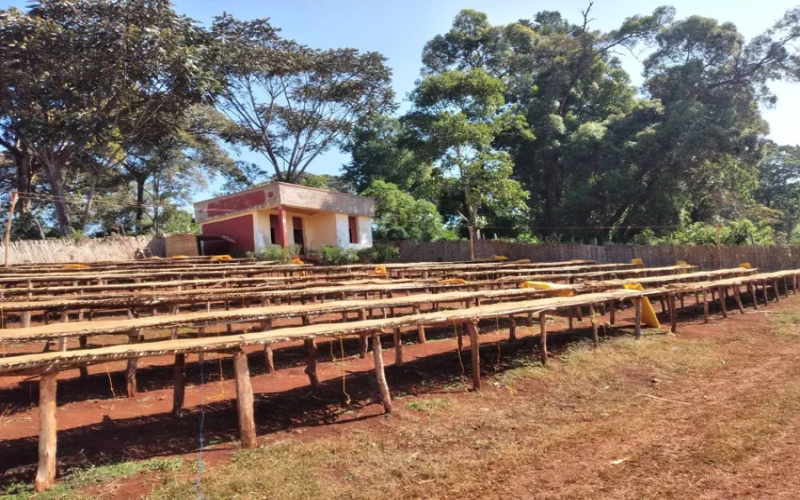
Yirgacheffe is often regarded as the gateway to specialty coffee, and Front Street's Yirgacheffe Red Cherry, with its outstanding value for money and flavor profile that upends tradition, has become the top choice for many enthusiasts. This article will systematically sort out Yirgacheffe's origins as a producing region, its grading system, and the operating mechanism of the Red Cherry project, and will take an in-depth look at the roasting curve and cupping performance of Front Street's natural-process Red Cherry coffee beans, taking you from origin to cup for a comprehensive understanding of this bean. [more…]
A Comprehensive Analysis of Coffee Producing Regions in Sumatra, Indonesia, Mantenin Varieties, Flavors, and Brewing Methods
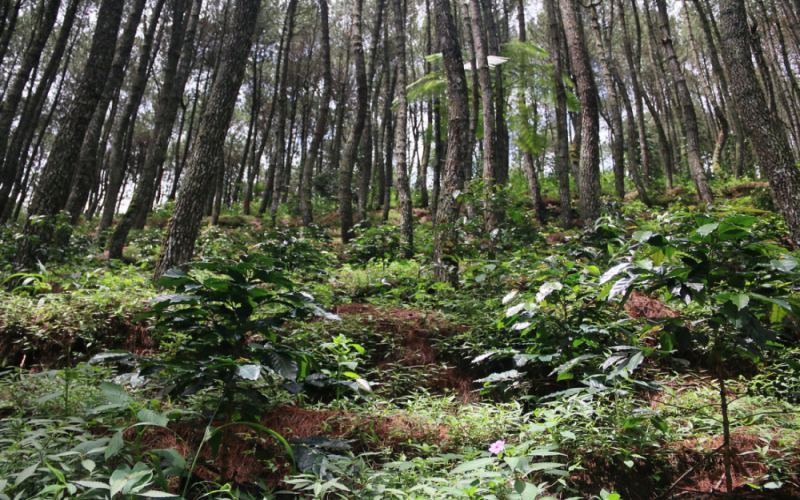
Sumatra is one of Indonesia's most representative coffee-producing regions, and its Mandheling coffee is renowned worldwide for its rich, full-bodied flavor. This article systematically outlines the distribution of Sumatra's main producing areas, detailing the Mandheling varieties and processing methods of Lintong, Mount Gayo in Aceh, and Lake Toba, including the flavor differences brought about by wet-hulling and natural processing. At the same time, Front Street Coffee will share the producing-area information, flavor descriptions, and pour-over brewing parameters for five Mandheling coffee beans, helping coffee enthusiasts gain a more comprehensive understanding of the charm of Sumatran coffee and master the brewing techniques for Mandheling at different roast levels. [more…]
A Complete Guide to Costa Rican Coffee Regions: Honey Process Flavor Characteristics and Front Street Coffee's Selected Bean Recommendations
Costa Rica is an important origin that cannot be overlooked on the Central American coffee map, and its honey processing methods have developed rapidly over the past decade or so, with different processes such as yellow honey, red honey, and black honey giving coffee beans unique fermented aromas and balanced flavors. Several of Front Street Coffee's Costa Rican beans are deeply loved by both new and longtime customers, covering a variety of types including washed and honey-processed. This article will systematically review Costa Rica's eight major producing regions, focusing on the terroir characteristics of the two star regions, Tarrazú and the Central Valley, and, in combination with Front Street Coffee's everyday drinking beans and Musician Series specific coffee lots, describe in detail the flavor performance and processing method differences of Bahia, Beethoven, Mozart, as well as Black Soul, Fire Phoenix Sapphire, and other coffees, helping coffee lovers make choices based on their personal taste preferences. [more…]
Honey Process vs Natural Process Coffee Sweetness Comparison: Processing Differences, Countries of Origin, and Flavor Buying Guide
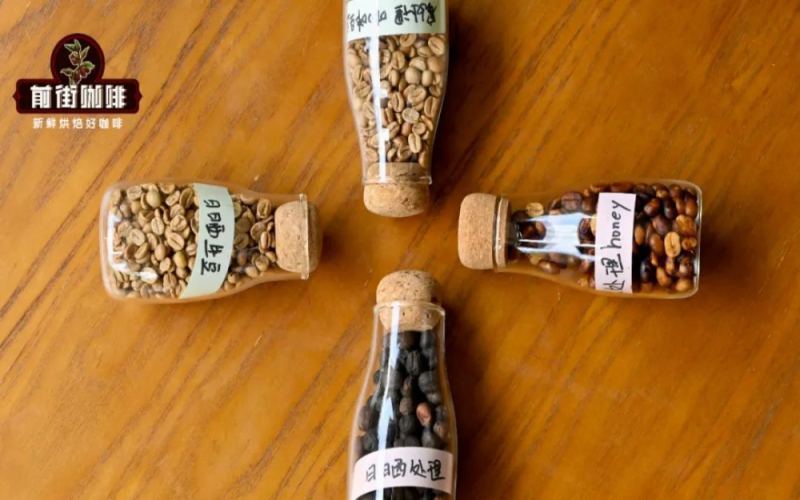
Natural and honey processing are often labeled as "sweet," but the two actually emphasize different aspects in terms of flavor expression and the source of sweetness. Starting from the processing method, this article sorts out the differences between the fruity fermented aroma of natural coffee and the full-bodied sweetness of honey processing, traces the rise of honey processing in Costa Rica, and analyzes the classification logic behind black honey, red honey, yellow honey, and others. At the same time, the article will answer the common question of "which is sweeter, honey processing or natural processing," explain how variety, altitude, ripeness, and processing method jointly affect coffee sweetness, and provide specific bean recommendations from the Front Street brand for friends who prefer different flavor profiles. [more…]