







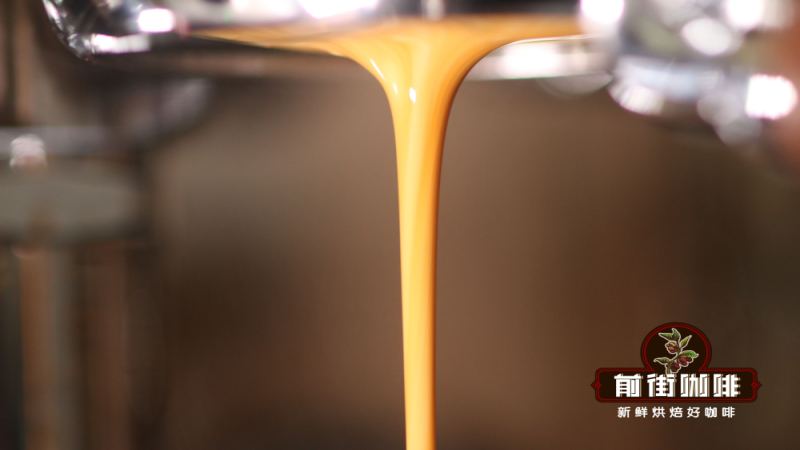
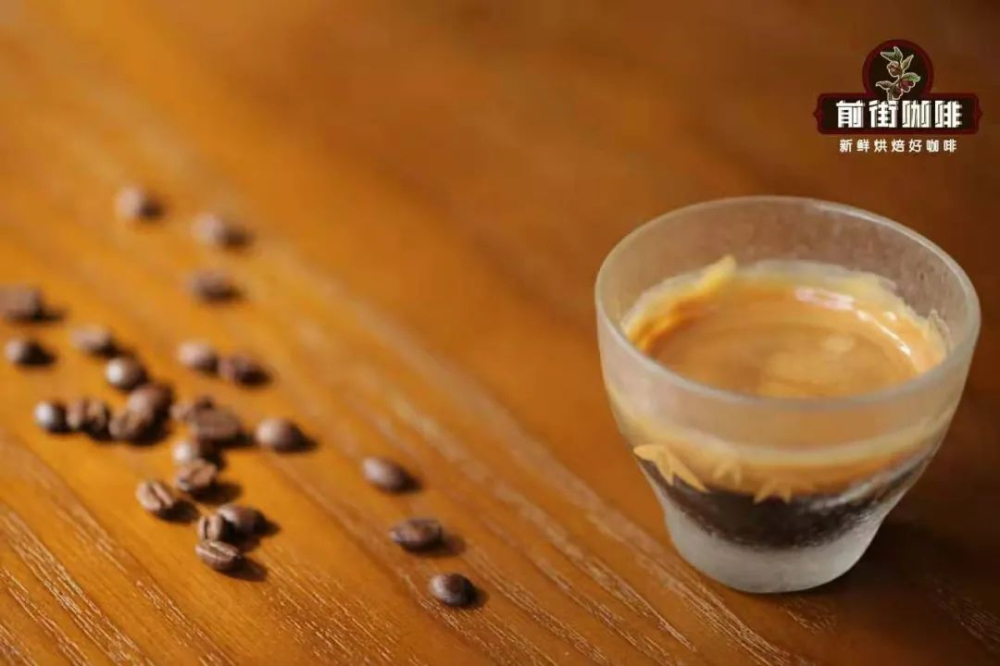
Although the menu at Front Street Coffee's stores lists only four espresso drinks, several equally classic options are hidden behind them, such as the intensely flavored espresso. Espresso has a relatively small following in China, but in its birthplace of Italy it is a national-level beverage.
Espresso was invented by Italians in the 19th century as a method of quickly extracting coffee liquid through high temperature and high pressure, and it is served in a special small coffee cup. Because drip coffee takes a relatively long time to brew, Italians, in order to save time, needed a faster extraction method and way of drinking it. Simple and mellow Espresso was precisely the first choice—refreshing and fully time-saving. Therefore, a delicious cup of espresso is also the soul of an Italian-style coffee.
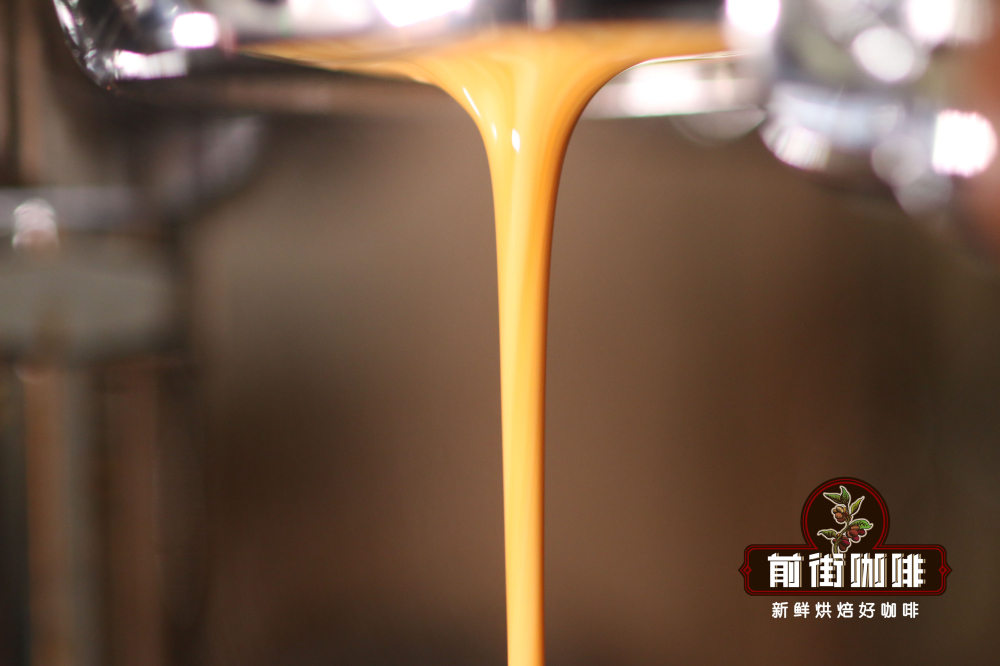
A high-quality Espresso has a beautiful golden-brown layer of crema, which we call Crema. The appearance of Crema is inseparable from nine bars of atmospheric pressure. When water is heated and pressurized, it extracts the soluble substances in the coffee grounds layer. This process emulsifies the natural fats and oils in coffee. At the same time, freshly roasted coffee beans contain carbon dioxide. During the process of making Espresso, this carbon dioxide is subjected to pressure and dissolves into the coffee. Its surface will be covered with a layer of dark brown foam. This is the crema produced by espresso extraction. Generally, the thickness of the crema is four to five millimeters, and these oils contain aroma-emitting molecules.
The birth of espresso benefited from the Italians' invention of the espresso machine. The world's first espresso machine dates back to the early 20th century. After improvements and design by a Milanese inventor, Luigi Bezzera, a coffee machine with a separate brewing head and portafilter was born. This "quick coffee" was not only popular in Italy but also greatly welcomed throughout the European continent. It was later promoted to the rest of the world by Italians living around the world, becoming the popular coffee we commonly see today.
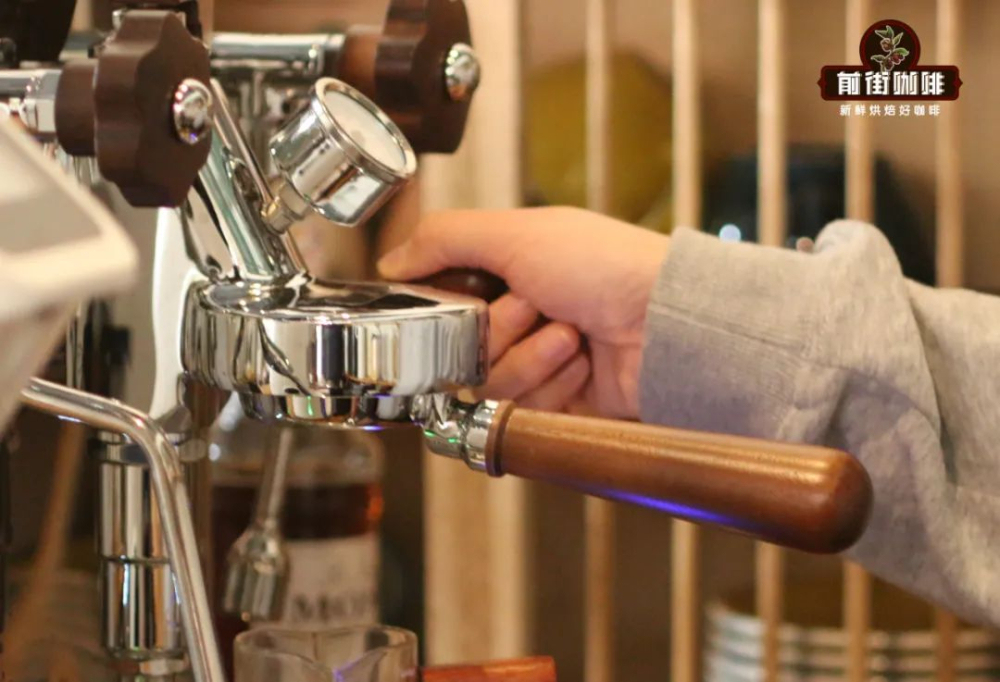
The taste of espresso is determined by the coffee beans used. In order to balance the coffee's flavor and make the body richer, most stores choose medium-dark roasted blended coffee beans. Through continuously gaining a deeper understanding of the flavor characteristics of coffee beans from different regions, Front Street Coffee uses different proportions to let the characteristics of the coffee beans complement one another and balance the flavor displayed by the espresso. After many experiments and comparisons, Front Street Coffee has launched four espresso blend coffee beans.
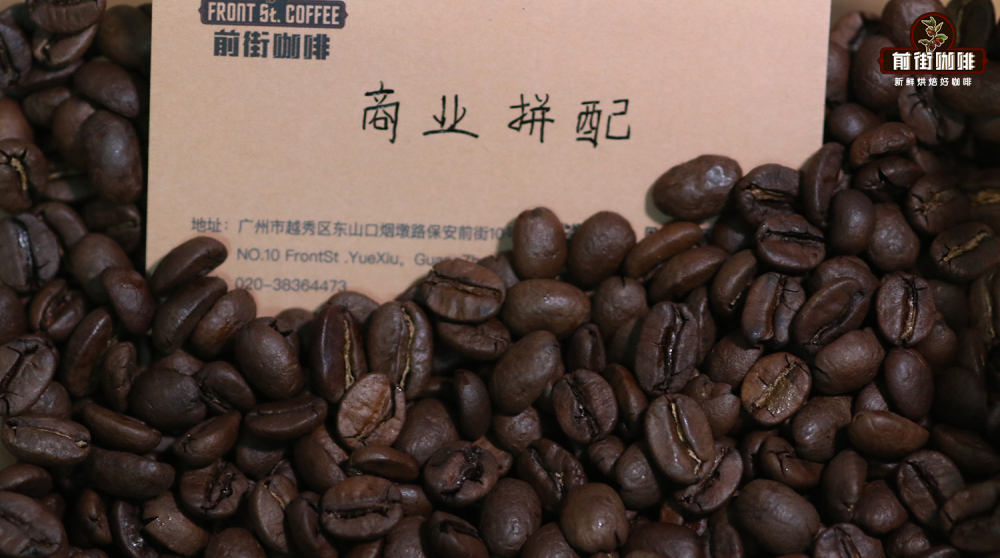
Classic full-bodied type—Front Street Coffee commercial blend coffee beans
Washed Robusta coffee beans + washed Colombian coffee beans + Brazilian semi-sun-dried coffee
The espresso produced has a rich golden crema and nutty aroma. When tasting it, there is a roasted coffee bitterness, but it is accompanied more by a creamy, full mouthfeel. After swallowing, the bitterness also dissipates, leaving a lingering fragrance on the lips and teeth.
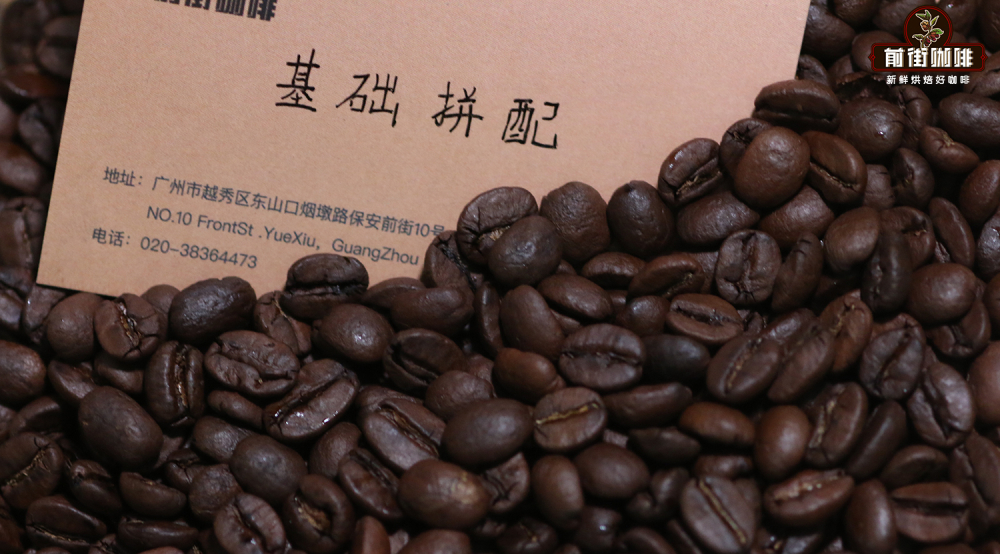
Slightly acidic full-bodied type—Front Street Coffee dark cocoa blend coffee beans
Washed Yunnan small-bean coffee + Brazilian semi-sun-dried coffee beans
Yunnan small-bean coffee brings a soft acidity, paired with the mellow aroma of Brazilian Cerrado coffee. The espresso has notes of caramel, nuts, and soft plum acidity.
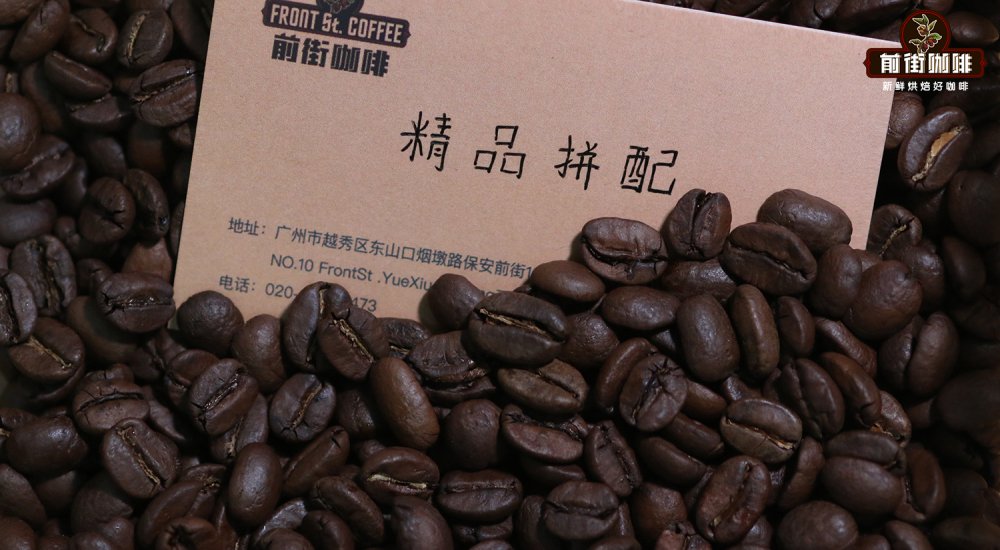
Balanced rich-aroma type—Front Street Coffee specialty blend coffee beans
Washed Colombian coffee beans + Brazilian semi-sun-dried coffee beans
Colombian coffee is added to the nutty tone of classic Brazilian coffee. The espresso presents a dark chocolate flavor, caramel sweetness, and a full roasted aroma.
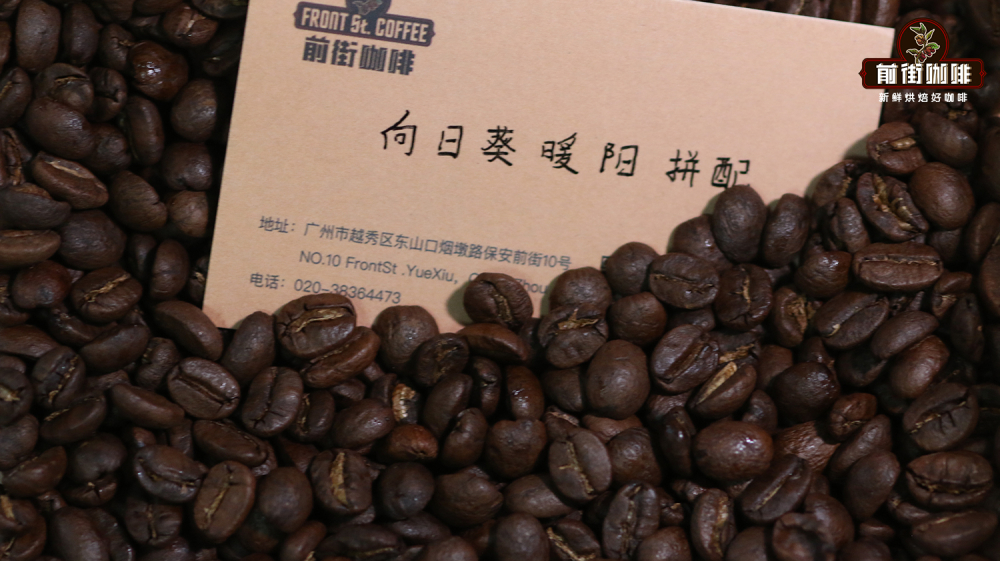
Delicate wine-aroma type—Sunflower Warm Sun blend coffee beans
Ethiopian sun-dried Red Cherry coffee beans (30%) + Honduran sherry barrel coffee beans (70%) made into espresso have a very rich dark chocolate flavor on entry, with a strong caramel aroma. The fragrance released after swallowing is endlessly memorable. Whether it is an Americano diluted with water or a latte supported by milk, both present a rich aromatic taste and mouthfeel.
To ensure that everyone can drink freshly roasted coffee beans after placing an order, all coffee beans shipped by Front Street Coffee are freshly roasted within 5 days, so when you receive them they may still be in the resting period. After roasting, blended beans need a 7–10 day degassing stage, and then enter the peak-flavor period with a full aroma. At this time, the extracted espresso is more stable.
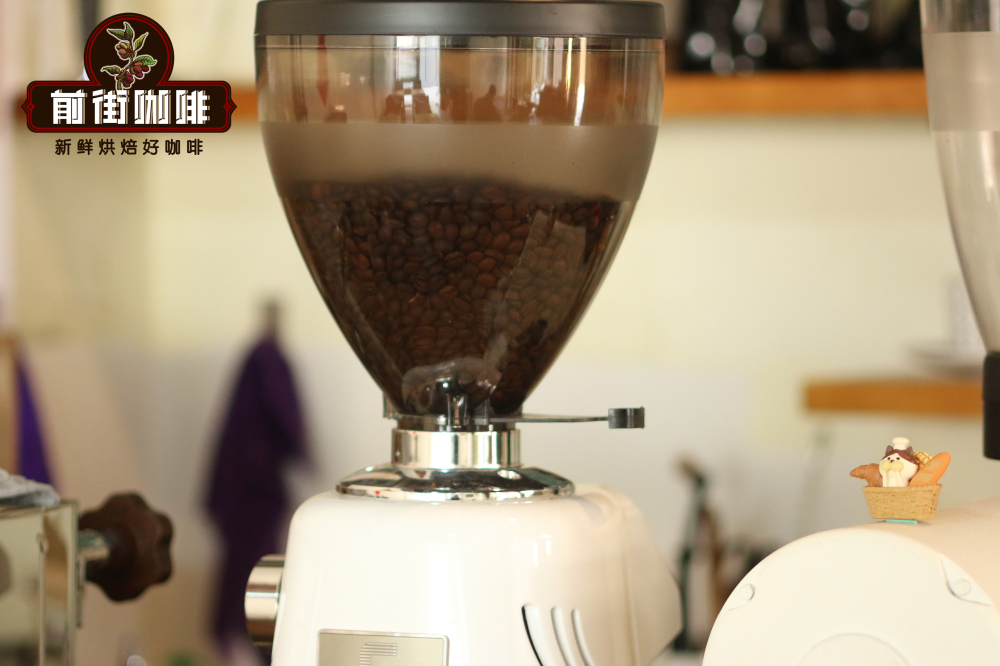
Because espresso requires rapid extraction through the high pressure and high temperature of an espresso machine, the intensity of various flavors is very high. Front Street Coffee believes that extracting a high-quality espresso requires adjustment according to different coffee machines, grinders, coffee beans, and usage environments.
If you are just starting to learn espresso extraction, you can refer to the initial parameters provided by Front Street Coffee for adjustment. Front Street Coffee uses 20 grams of coffee grounds, at a 1:2 coffee-to-liquid ratio, under 9 bar of pressure to extract 40 grams of coffee liquid, with the time controlled at 25–30 seconds. Finally, adjust the espresso's taste up or down through tasting and comparison. If the taste is weak and bland, it may be under-extracted, and you need to increase the extraction yield by making the grind finer or increasing the dose. When the taste is strong and bitter, and even diluting with water cannot bring out the aroma, it may be over-extracted. Front Street Coffee suggests reducing the dose or making the grind coarser to speed up the flow rate, thereby reducing the extraction concentration.

To make delicious espresso, everyone needs to pay attention to more small details. For example, the cleaning of the brewing head and the filter basket in the portafilter; grinding and extracting the coffee grounds fresh can avoid the loss of aroma; distribution and tamping need to be even and vertical; during extraction, you need to observe changes in the color and state of the coffee liquid as well as the liquid weight and time. These will also help later in finding the direction for adjustment.
For professional coffee knowledge exchange and more coffee bean information, please follow Coffee Workshop (WeChat public account cafe_style)
For more specialty coffee beans, please add the private WeChat Front Street Coffee (FrontStreet Coffee), WeChat ID: qjcoffeex
The above content is compiled by CoffeeHunters, a coffee news website.


