







What defines Huila coffee in southwestern Colombia?
Huila coffee comes from one of the most important specialty regions in southwestern Colombia. High altitude, volcanic soil, and abundant water give the beans a full body and strong sweetness. The washed process keeps the cup clean and gentle, which is why Huila washed beans serve as the Colombian option in everyday staple-bean lineups.
The region's geography and variety mix set the stage for consistent coffee growth, and the washed processing flow removes mucilage before drying to protect clarity. For pour-over, recommend V60 parameters with a moderate grind and staged pours to bring out the gentle sweetness. Huila is one of seven representative regions used in the staple-bean series, alongside Yirgacheffe, Huehuetenango, Tarrazu, Cerrado, Lintong, and Baoshan.
Huila is one of the most important specialty coffee regions in southwestern Colombia. With its high altitude, volcanic soil, and abundant water resources, it produces coffee beans with a full body and outstanding sweetness. In Front Street Coffee's Staple Beans series, the Colombian option is precisely Huila washed beans, whose clean and gentle flavor profile makes them a reliable choice for everyday drinking. This article will introduce Huila's geography and variety characteristics, its washed processing flow, and share Front Street Coffee's recommended V60 brewing parameters and flavor performance, helping coffee lovers gain a more comprehensive understanding of the charm of this national-treasure-level region.
For professional coffee knowledge exchange and more coffee bean information, please follow Coffee Workshop (WeChat official account cafe_style)
For more specialty coffee beans, please add the private WeChat of Front Street Coffee (FrontStreet Coffee), WeChat ID: qjcoffeex
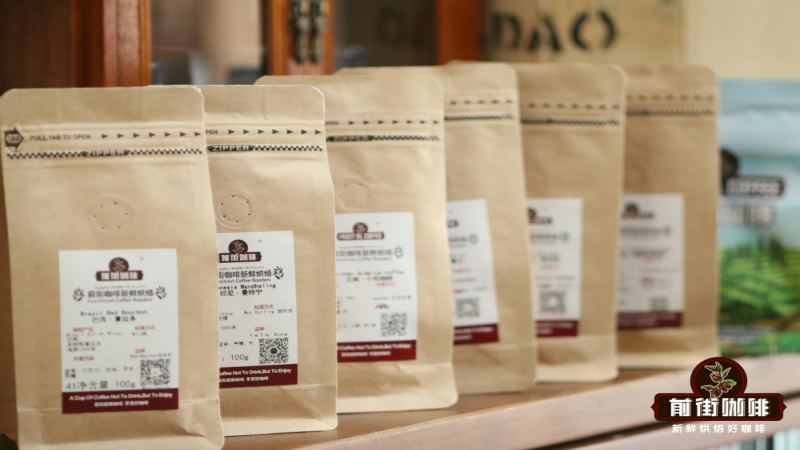
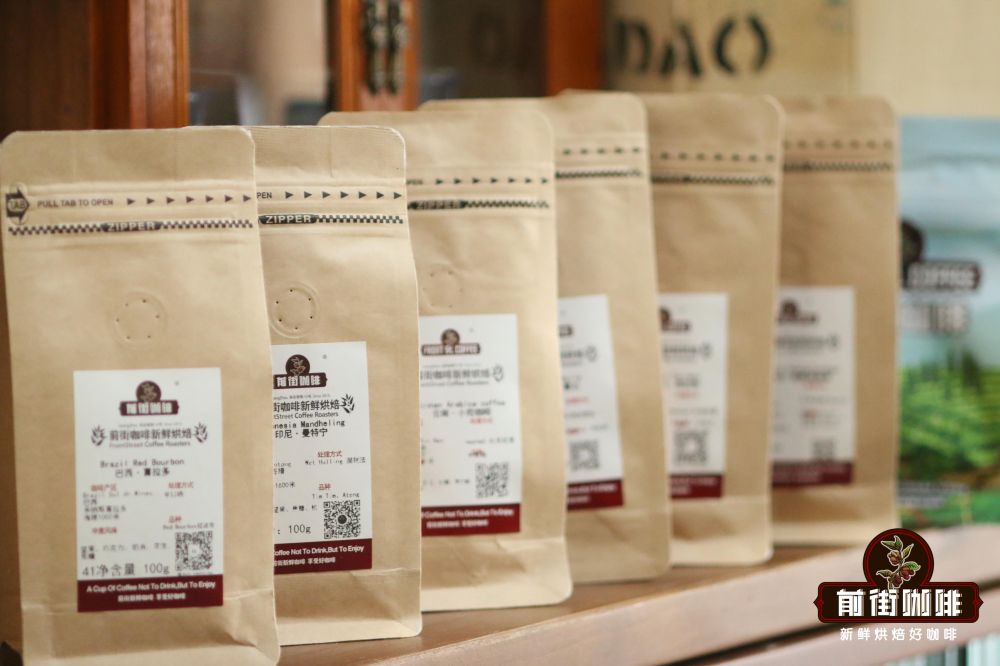
Among the coffee beans sold by Front Street Coffee (FrontStreet Coffee), there is a series called "Front Street Staple Beans" — selected coffee beans from various regions. The characteristics of this series are high cost performance + small packaging + the ability to express the unique coffee flavor characteristics of their regions.
This series selects representative coffee beans from 7 regions: for Ethiopia, washed coffee beans from the Yirgacheffe region are used; for Guatemala, washed coffee beans from the Huehuetenango region are used; for Colombia, washed coffee beans from the Huila region are used; for Costa Rica, washed coffee beans from the Tarrazu region are used; for Brazil, semi-sun-dried coffee beans from the Cerrado region are used; for Indonesia, Mandheling coffee beans from the Lintong region are used; and for China, washed coffee beans from Baoshan, Yunnan are used.
Front Street Coffee (FrontStreet Coffee) believes that whether a coffee bean is specialty first depends on whether you can taste the unique flavor of its region. And these listed staple beans are all 100% full of regional flavor characteristics.
Colombia Huila Region
For example, Colombia Huila is located in southwestern Colombia and is one of the country's main specialty coffee growing regions. It belongs to the specially selected high-mountain coffee beans of the Colombian state company and is known as Colombia's national treasure.
This area is a hilly land surrounded by mountains, with a planting altitude above 1,500 meters. Colombia's most important rivers converge here, bringing quite abundant water resources and moisture. At the same time, the Huila region has active volcanoes, and in 2008 they erupted volcanic ash. Volcanic ash is rich in minerals, and after falling onto the soil it can provide plants with richer nutrients, offering more nourishment for coffee growth and further strengthening the flavor of the coffee beans.
Therefore, coffee beans produced in the Huila region have a strong mouthfeel and a relatively heavy body, usually with aromas such as nuts, chocolate, and caramel, as well as suitable acidity.
Coffee Varieties in the Huila Region
This region mainly grows the Caturra and Catuai varieties commonly seen in Central and South America. The clean mouthfeel and gentle acidity of these two varieties, combined with the high altitude and volcanic soil of the Huila region, give the coffee beans produced there a delicate and soft berry acidity, roasted nut aroma, and a distinct caramel finish, with abundant sweetness.
Processing Methods in the Huila Region
Colombian coffee beans are mainly washed processed. With the popularity of special processing methods and Colombian coffee beans' "refusal of nothing," more and more special processing methods are being applied to Colombian coffee beans, the most representative of which is anaerobic fermentation processing. However, most coffee farmers in the Huila region still insist on using traditional washed processing.
Colombian coffee beans are mainly washed processed. With the popularity of special processing methods and Colombian coffee beans' "refusal of nothing," more and more special processing methods are being applied to Colombian coffee beans, the most representative of which is anaerobic fermentation processing.
Coffee beans with mucilage are placed into a fermentation tank for 16–36 hours. During this process, microorganisms break down the mucilage. After fermentation is complete, a large amount of clean water is used to remove the remaining mucilage from the coffee beans. Finally, the washed coffee beans are spread out to dry.
Front Street Coffee (FrontStreet Coffee) believes that the cleanliness of the washed processing method is the easiest way to reflect the quality of a coffee bean. Therefore, when selecting representative regions for staple beans, most are washed processed, except for Brazil and Indonesia, because these two regions do not have washed coffee beans.
How to brew Huila coffee beans ?
Front Street Coffee (FrontStreet Coffee) uses a V60 dripper to brew the Colombian region. The 60 conical dripper has relatively large holes, and together with its unique spiral curved ribs, air is more easily released, thereby improving extraction quality.
Water temperature: 88–89°C
Grind size: medium fine granulated sugar size / No. 20 sieve bowl sifting to 70%)
Coffee-to-water ratio: 1:15
Dose: 15 grams
In the first stage, pour 30 grams of water for a 30-second bloom, then pour 95 grams (the electronic scale shows about 125 grams), completing the pour in about 1 minute. When the water level drops to 2/3 of the coffee bed, pour the remaining 100 grams (the electronic scale shows about 225 grams), completing the pour in about 1 minute 40 seconds. Dripping is completed at around 2'00", remove the dripper, and extraction is complete.
Brewed flavor of coffee beans from the Huila region : nuts, dark chocolate, soft fruit acidity in the middle, and caramel sweetness.
The above content is compiled by CoffeeHunters, a coffee news website.


