







Search Results for: Sakura Coffee Beans
A Complete Guide to Colombian Coffee Regions: From Huila Everyday Beans to Finca El Paraiso Cherry Blossom – Flavors and Pour-Over Tips
Colombia is one of the few single-origin coffee-producing countries that sells worldwide under its national name, and the complex terrain along its Andes Mountains has created a flavor spectrum from north to south, each with its own character. From the perspective of Front Street Coffee's bean selection, this article sorts out the flavor differences among Colombia's three major growing regions—northern, central, and southern—with a focus on the dark chocolate and caramel notes of Huila's everyday drinking beans, and an in-depth analysis of Finca El Paraiso Sakura, a double anaerobic washed bean with its unique spice aroma and strawberry jam finish. At the end, it includes the V60 pour-over parameters and staged pouring steps used by Front Street Coffee baristas, helping enthusiasts reproduce at home this cup of Colombian flavor that combines floral and fruity acidity with a full-bodied mouthfeel. [more…]
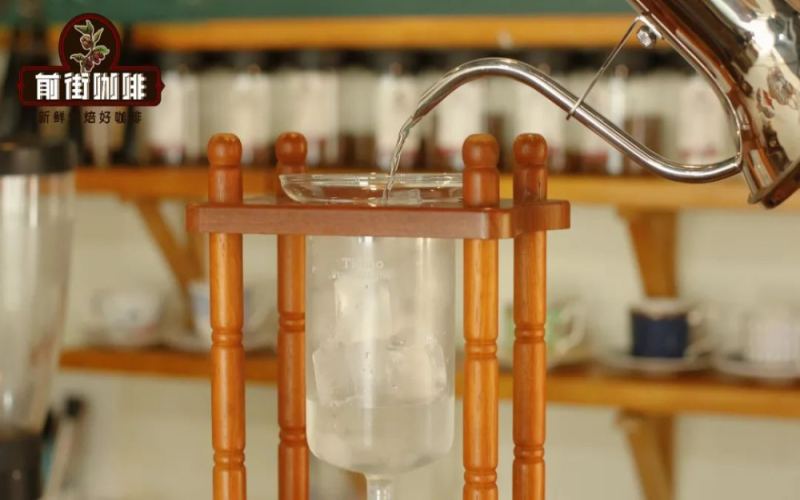
The Best Way to Drink Cold Brew Coffee | Why Should Cold Brew Coffee Be Fermented Overnight After Extraction Before Drinking? What Are the Advantages of Cold Brew Coffee?
For more specialty coffee knowledge, please follow our WeChat official account: FrontStreet Coffee. Cold brew coffee has always been very popular. On hot summer days, when people come into the shop, many of them choose a cold brew coffee. Take a sip of cold brew—the icy coffee feels clean and smooth in the mouth. [more…]

Cold Brew Coffee Bean Recommendations | How Should Coffee Beginners Choose Coffee Beans for Making Cold Brew? Which Is Better for Cold Brew Coffee: Single-Origin or Blend Beans?
A while back, Front Street Coffee shared a guide on how to make cold brew coffee, and after that, a lot of readers started asking in the comments how to choose beans for cold brew. So today, let's break down and answer that question. As a low-temperature immersion extraction method, the longer the brew time, the fewer the types of acidic compounds present, which is why cold brew's acidity [more…]
Introduction to Anaerobic Fermentation in Coffee | What Is the Anaerobic Fermentation Processing Method? What Is the Difference Between Anaerobic Natural, Anaerobic Washed, and Double Anaerobic Coffee Processing Methods?
Anaerobic Fermentation has been very popular in the coffee world in recent years, mainly because Sasa Sestic, the Australian competitor who won the 2015 WBC, started this trend, and even in 2018 WB [more…]

Cold Brew Coffee Brewing Steps | What Water to Use for Cold Brew Coffee? How to Choose Single-Origin Beans for Cold Brew Coffee? What Is the Coffee-to-Water Ratio, Time, and Grind Size for Making Cold Brew Coffee?
For more specialty coffee knowledge, please follow: Front Street Coffee (Frontsteet Coffee). A while ago, Front Street shared a guide on how to make cold brew coffee, and afterward many readers started asking in the comments how to choose beans for cold brew. So today, let's analyze and answer this question together. [more…]

Freezing Coffee Beans for Storage | Should Coffee Beans Be Stored in the Refrigerator? Why Freeze Coffee Beans? How Should Coffee Beginners Store Coffee Beans Daily?
"Front Street Coffee recently noticed a topic in our chat group." How do you all store your coffee beans after buying them? In the fridge! I've seen many coffee experts keep their beans in the fridge. But won't the beans get damp in the fridge? The fridge is dry! (So Front Street Coffee interviewed various coffee beans 🎤) [more…]
Espresso Blend Bean Flavor Recommendations | What's the Difference Between Espresso Blend Beans and Pour-Over Single-Origin Beans? What Happens If You Use Espresso Beans for Pour-Over Coffee?
With the growing specialty coffee market, many people have begun to explore espresso and pour-over coffee. Coffee enthusiasts who regularly drink espresso know that the coffee beans used for espresso are blended coffee beans, while those used for pour-over coffee are single-origin coffee beans. So what is the difference between the two? Can espresso beans be used to make [more…]
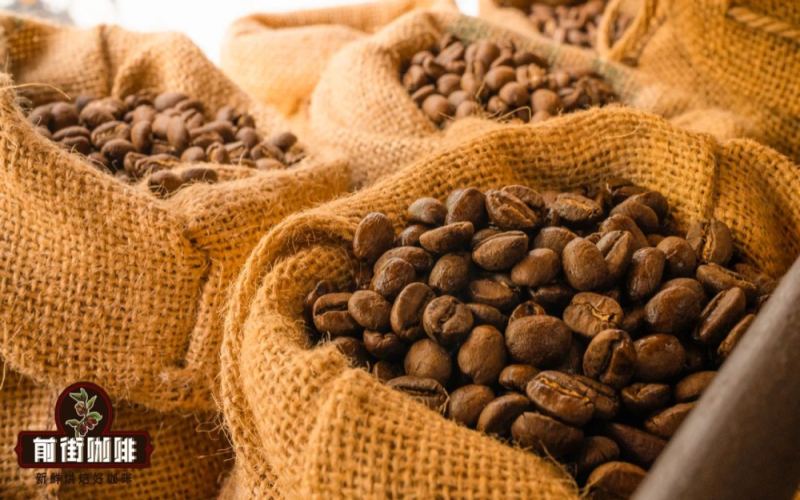
Hand-Brewed Espresso Blend Beans | Can Espresso Blend Beans Be Used for Pour-Over Coffee? Specialty Espresso Blend Coffee Beans Recommended for Gourmet Lattes
Whether it's espresso beans or espresso blends, as the name suggests, they are ingredients used for extraction in espresso machines, which is also the origin of espresso. So what are the characteristics of this kind of coffee? Besides making espresso, can it also be used to make pour-over coffee? Front Street Coffee (FrontStreet Coffee [more…]
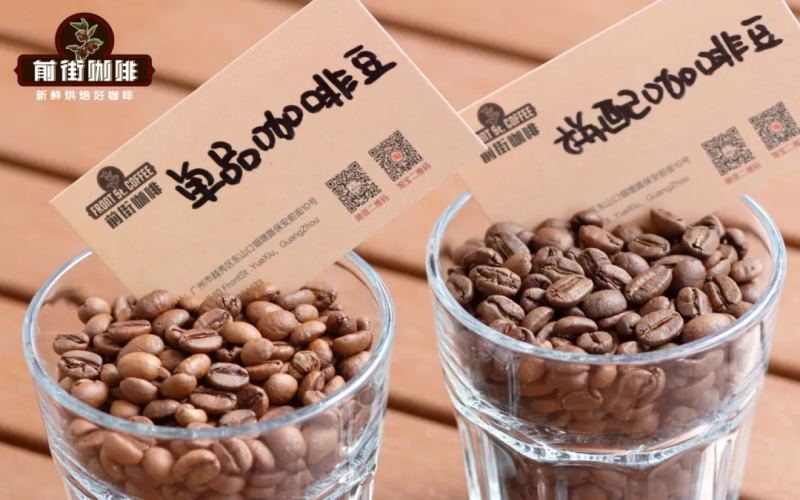
Everyday Coffee Beans for Home | What coffee beans are suitable for hand grinding? What single-origin pour-over beans with mild acidity and a sweet aftertaste are recommended?
When you want to buy coffee beans, do you ever feel overwhelmed by a dazzling list of beans? When you go to a coffee shop that roasts its own beans, do you ever feel torn by the dazzling array of coffee beans? No worries! Just remember these few points, and you can easily choose the coffee beans that suit you! "Choose coffee according to your brewing method. [more…]
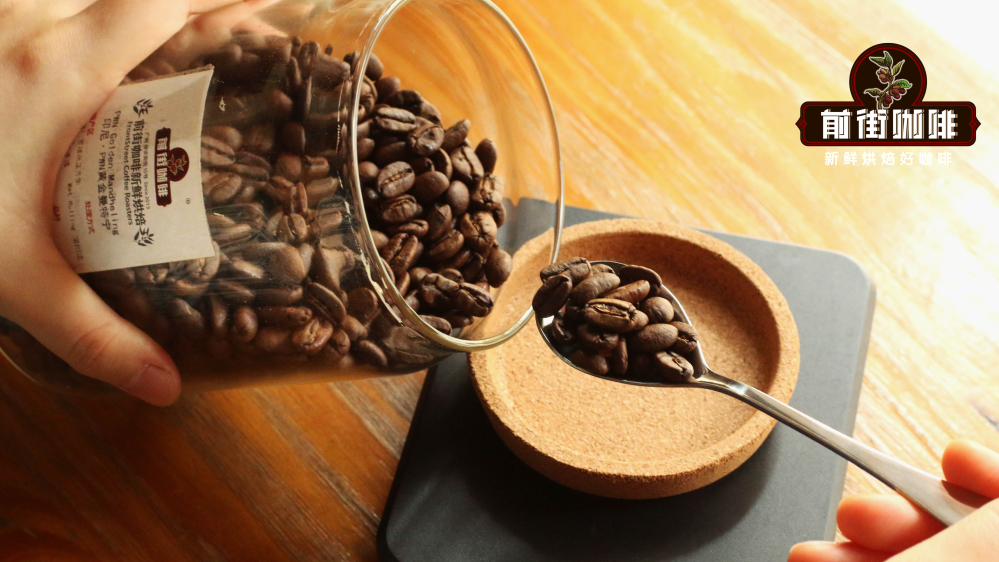
Specialty Coffee Bean Storage | How Long Can Hand-Brewed Single-Origin Beans Be Stored? Can Coffee Beans Be Stored in the Refrigerator? What Factors Affect Coffee Freshness?
Introduction: How long do coffee beans stay fresh? What is the best way to store coffee beans? Should coffee beans be kept in the refrigerator? The freshness of coffee beans directly affects the flavor of a cup of coffee, and proper storage is a key factor influencing their freshness. Front Street Coffee would like to emphasize that there are mainly two ways to store coffee beans. [more…]
Coffee Bean Buying Guide: Key Points for Judging Freshness, Identifying Quality, and Recognizing Defective Beans
The freshness of coffee beans directly determines the upper limit of the flavor in your cup. Starting from practical buying tips, this article teaches you how to tell whether beans have absorbed moisture or oxidized by squeezing them by hand, chewing them, and smelling their aroma, and explains why freshly roasted beans need to rest for a week before being brewed. At the same time, the article also introduces the consistency differences between single-origin beans and blend beans in terms of particle size and color, as well as the spoilage signal indicated by oil appearing on light-roast beans. In addition, the article lists common types of defective beans, including fermented beans, dead beans, black beans, insect-bored beans, and broken beans, to help you quickly screen out high-quality coffee beans by appearance. It is recommended to buy only as much as you can consume within half a month, and the related products from the Front Street Coffee brand are also worth paying attention to. [more…]

Espresso Bean Grind Size | What is the coffee-to-water ratio for extracting espresso from espresso beans? Can espresso beans be used to make pour-over black coffee?
Friends who often follow Front Street should know that Front Street focuses on freshly roasted coffee. Freshly ground coffee is not the same as fresh, and of course, the fresher the better is not always true. Front Street generally provides coffee beans that are two to three days past the roast date. Coffee beans that have rested for a few days can better express their true flavors when brewed. Front Street not only offers single [more…]

Black Coffee Bean Varieties | What's the Difference Between Single-Origin Pour-Over Beans and Espresso Blend Beans? Can Espresso Blend Coffee Beans Be Used for Pour-Over Black Coffee?
With the development of specialty coffee, more and more people are falling in love with single-origin coffee. Two types of coffee have emerged on the market: single-origin coffee beans and blended coffee beans. Single-origin coffee beans are generally used for making pour-over coffee, though many specialty coffee shops also use single-origin coffee beans to make espresso. Blended coffee beans [more…]
Criteria for Judging Espresso Bean Quality | SOE Coffee Beans vs. Espresso Blend Beans: Which Is Better? What Specialty Espresso Coffee Beans Are Recommended for Opening a Coffee Shop?
First, espresso beans—obviously, these are the coffee beans used in espresso machines. In the past, this generally referred to blend beans, but not anymore. Nowadays, it's not just blend beans that can be used as espresso beans; single-origin coffee beans can also be used as espresso beans. Let's first take a look at what blend beans are. Blend beans are made by combining various [more…]
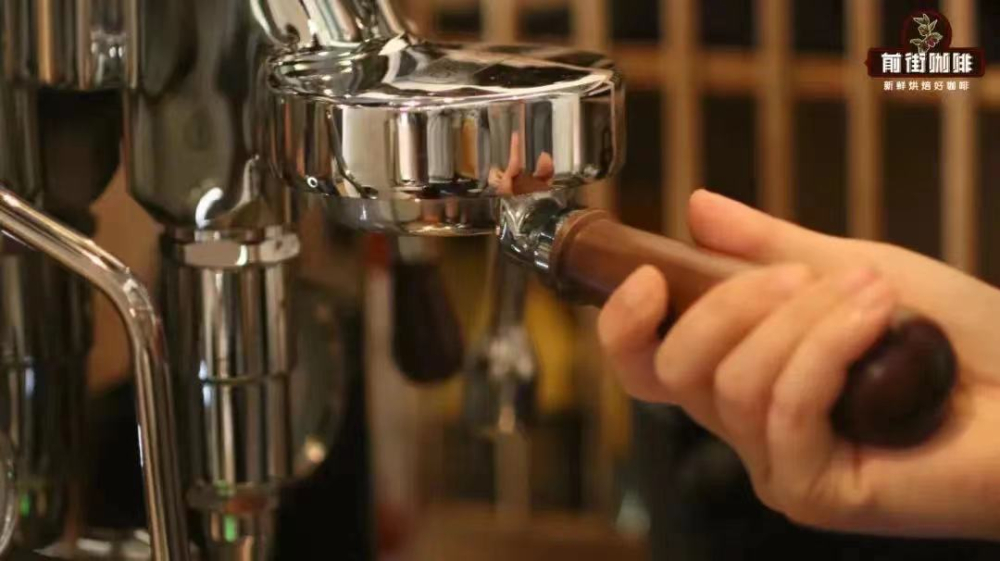
SOE Single-Origin Coffee Bean Recommendations | Is There a Big Flavor Difference Between SOE Coffee and Blended Coffee? Is the Coffee Quality of SOE Beans Better Than Espresso Blend Beans?
In the coffee world, when people mention SOE coffee, they are referring to Single Origin Espresso. Spelled out, this English abbreviation is Single Origin Espresso, and its direct opposite is Espresso Blend, which refers to Italian-style blended beans. SOE is like the [more…]
Home Espresso Beans | Why Are Espresso Beans Mostly Blends? Recommended High-Quality, Cost-Effective Blends Suitable for Espresso Extraction
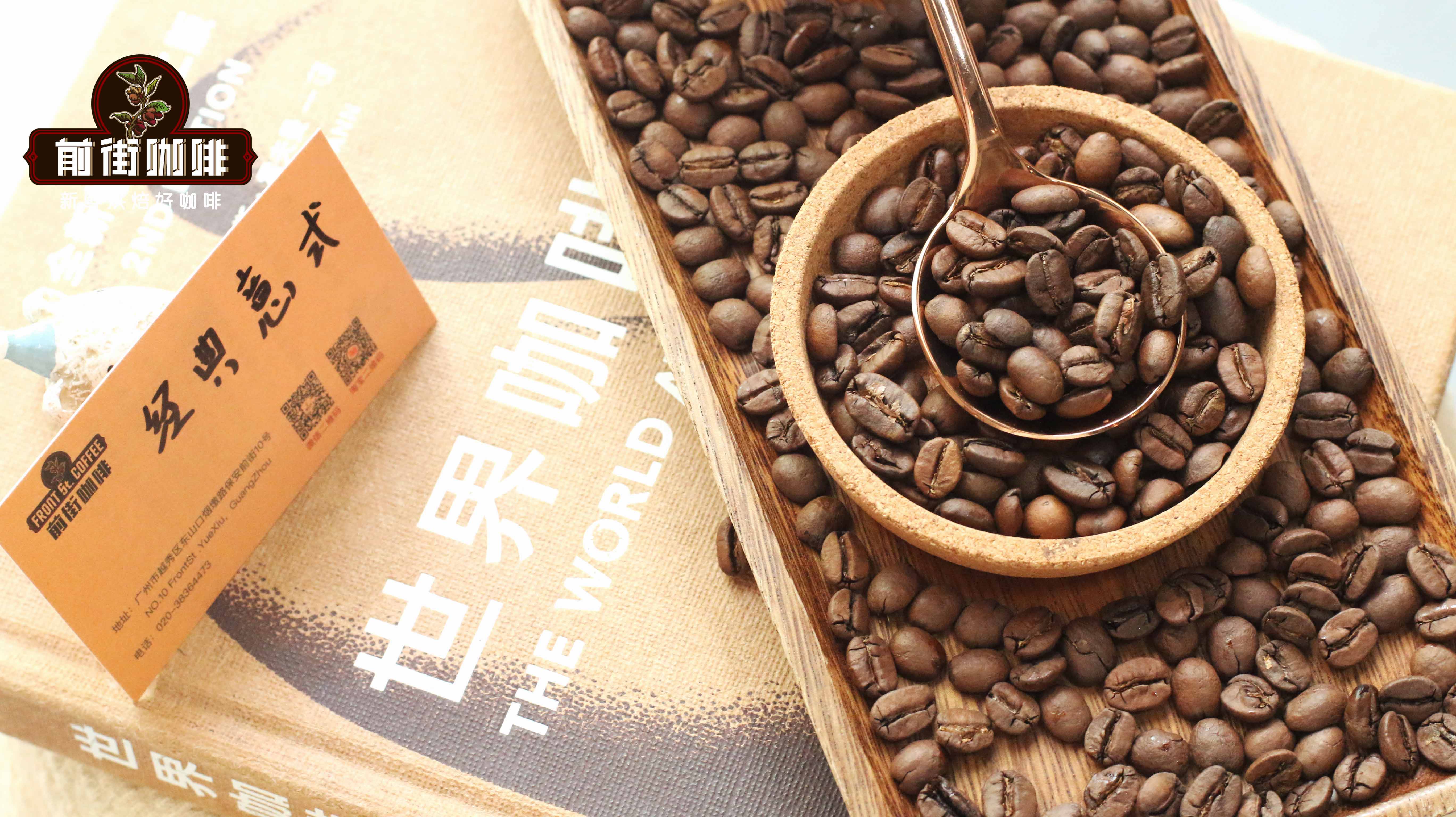
When it comes to espresso beans, many people may first think of blended beans. Front Street Coffee believes that this is not entirely wrong, but not entirely right either. Because nowadays espresso beans are not only made from blends, but also from single-origin coffee beans, known as SOE. For coffee beginners who want to make a delicious cup of coffee [more…]
How Long After Roasting Should You Drink Coffee Beans? How Long Is the Resting Period for Espresso Beans? How Do You Rest and Awaken Single-Origin Beans? Can You Brew Coffee Beans That Haven't Rested Properly?
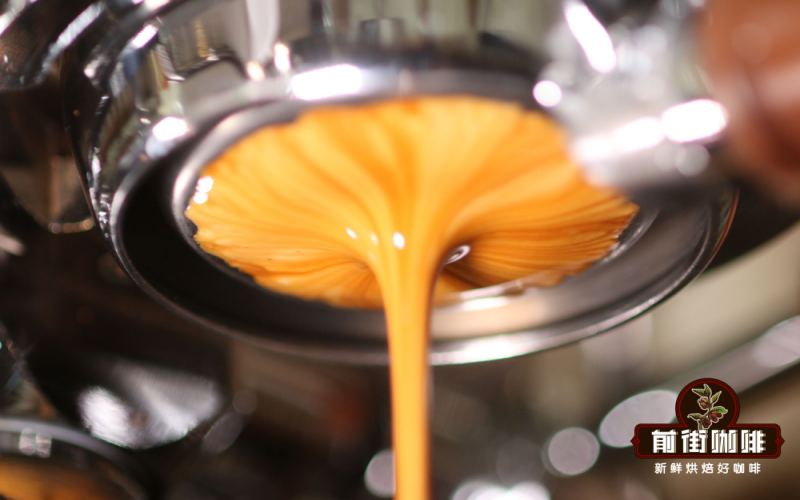
Have you ever had this experience: you buy coffee beans that have been roasted not long ago, can't wait to open them and brew a cup, only to find the extraction is very unstable and the flavor performance is less than ideal. A few days later, when you brew again, it tastes better. What is the reason for this? In this article, Front Street Coffee takes you through what "bean resting" means. Coffee beans [more…]
Coffee blend bean plans | What is the difference between single-origin pour-over beans and espresso blend beans? How do you determine the types of espresso blend coffee beans and the blending ratio?
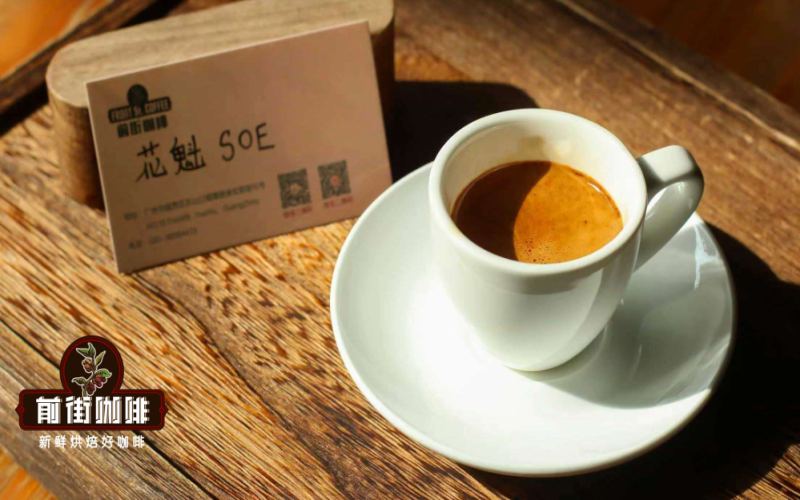
What are blended coffee beans? What is the blending ratio for Front Street Coffee's espresso beans? Which beans are best for blended coffee beans? Recently, a friend asked Front Street Coffee: "Are all coffee beans suitable for making espresso?" No~ not all [more…]
A Complete Guide to Coffee Defects: Ten Common Types, Causes, and Identification Methods Illustrated
The content of defective beans directly affects coffee quality and grade classification. Taking Brazil as an example, the local system uses a "deduction method," grading based on the number of defective beans per 300 grams of main beans. In addition, coffee usually requires hand sorting during processing, and only by fully mastering the types and characteristics of defective beans can they be effectively removed. So exactly how many types of defective beans are there? This article will use illustrated explanations to introduce ten common defective beans one by one, including shell beans, stones, moldy beans, fermented beans, dead beans, immature beans, shell beans, insect-damaged beans, black beans, and cocoa beans, explaining their causes, appearance characteristics, and negative effects on coffee flavor, laying the foundation for subsequent learning about defective bean selection. [more…]
The Art of Espresso Blending | What Are Espresso Beans? How to Blend Roasted Coffee Beans? Introduction to Espresso Blend Ratio Principles
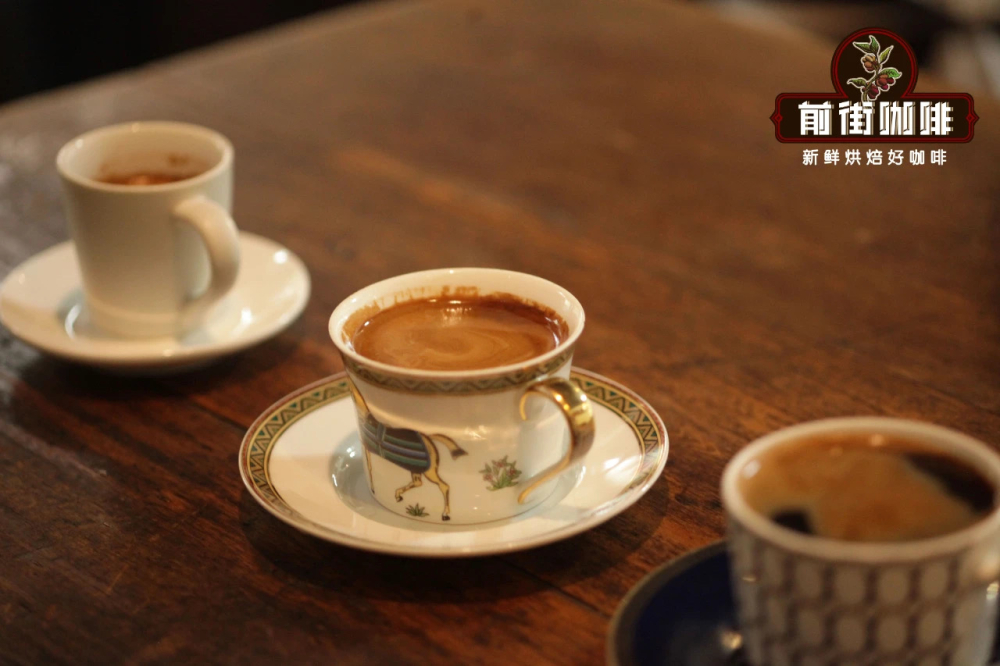
Some friends may know about coffee beans, but not realize that coffee beans are also divided into espresso and single-origin. Actually, it's not hard to understand—the lattes and similar drinks we often have belong to espresso coffee, and the coffee beans used must correspond accordingly. Not all coffee beans can be used to make espresso. Some people ask Front Street: So what kind of [more…]