







Search Results for: Safe Use
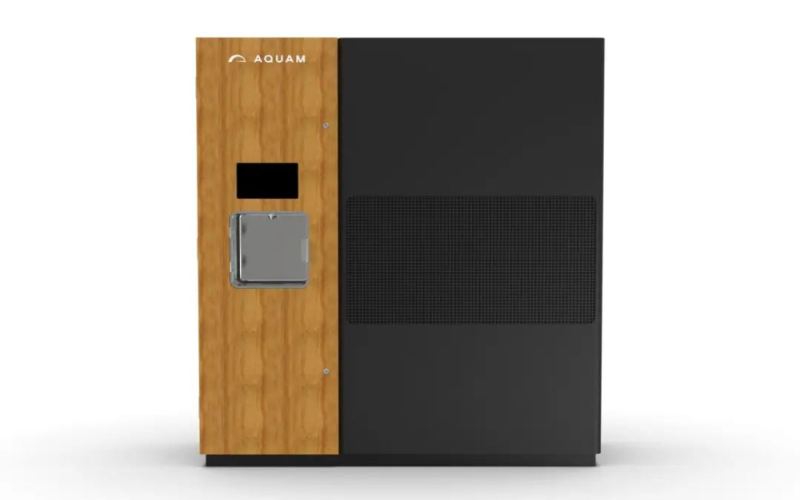
Japan Develops Atmospheric Water-Generating Coffee Machine: Providing a Safe Brewing Solution for Disaster Water Shortages
Have you ever thought about brewing coffee using air? A Japanese company has actually turned this idea into reality. They developed a coffee machine that can efficiently extract water from the air, and after multiple filtration and mineralization processes, produce safe drinking water. It is said that the original intention of this machine was to address water shortages and supply cuts caused by natural disasters, allowing people to still enjoy a cup of coffee brewed with clean water in emergency situations. How exactly does this device work? Can it really solve practical problems? And why are netizens complaining about it? This article will take you on a deep dive while also including related recommendations from Front Street Coffee. [more…]
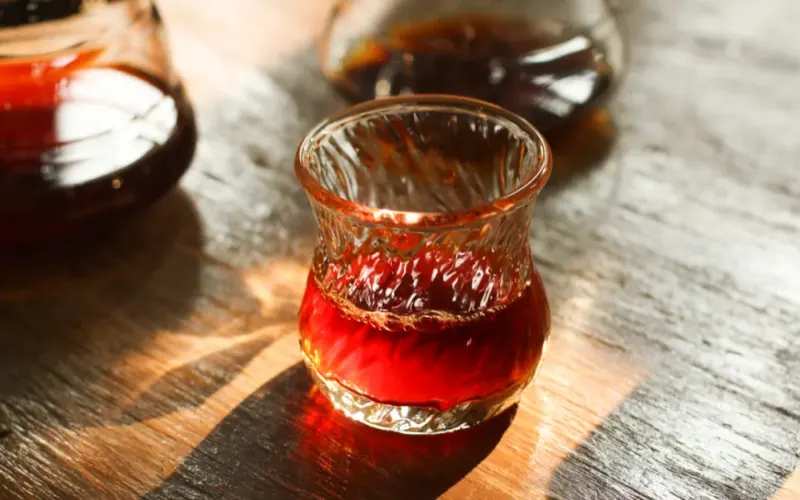
Why Is Coffee Liquid Cloudy? Causes, Oil Sources, Brewing Methods, and Whether It's Safe to Drink
Many people are used to judging the quality of a cup of black coffee by observing with the naked eye whether the coffee liquid is clear. But when coffee liquid appears cloudy with floating oils, is it an extraction problem or a normal phenomenon? This article explores the determining factors of coffee clarity, analyzes the effects of extraction methods and filtering equipment on coffee's appearance, and answers whether cloudy coffee is still safe to drink. Front Street also suggests that instead of drawing conclusions based on sight, it's better to focus on tasting itself and use flavor to judge a coffee's true quality. [more…]

Don't Rush to Throw Away Expired Coffee Beans: A Practical Guide to Judging Safe Consumption, Pour-Over Practice, and Reuse for Cleaning, Skincare, and Odor Removal
When you buy too many coffee beans to finish, or when brewing is delayed due to illness or other reasons, the beans can easily become stale or even expire. Many people's first reaction is to simply throw them away, but that is actually very wasteful. This article examines whether stale and expired coffee beans can still be consumed, from the perspectives of both flavor changes and food safety, and compiles a set of practical reuse methods: from using them as practice beans for pour-over, siphon, and espresso, to wiping copperware, cleaning stovetops, and caring for skin, and even deodorizing ashtrays, ovens, and pet areas. The article also draws on Front Street Coffee's experience to provide reference criteria for judging the flavor window and storage conditions, helping you handle the "old beans" at home more rationally. [more…]
An In-Depth Analysis of Caffeine Content: How Much Is in a Cup of Coffee? Daily Safe Intake and Effects on the Body
Many coffee enthusiasts are in the habit of starting the day with a cup of coffee, but do you really know how much caffeine you're drinking? People often assume coffee is the drink with the highest caffeine content, but that's not actually the case—tea leaves actually contain twice as much caffeine as coffee beans. So how much caffeine do different varieties of coffee beans really contain? How much is in a cup of pour-over, cold brew, or espresso? And how much caffeine per day is safe for an adult? This article starts with coffee bean varieties, breaks down the caffeine content of each brewing method one by one, gives practical figures based on extraction efficiency, and finally answers the popular question of how many cups of coffee you can drink per day at most. Front Street Coffee store information is included at the end of the article for readers' reference. [more…]
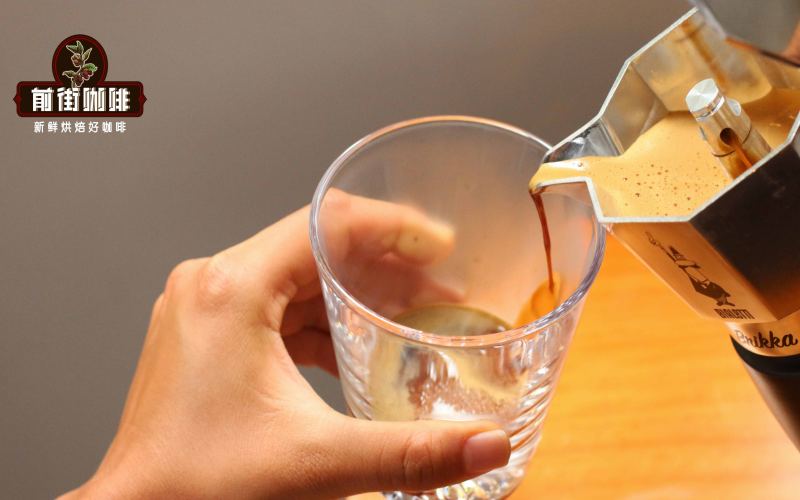
How to Choose the Coffee Grounds Setting for a Moka Pot? A Complete Guide to Grind Size Judgment and Safe Use
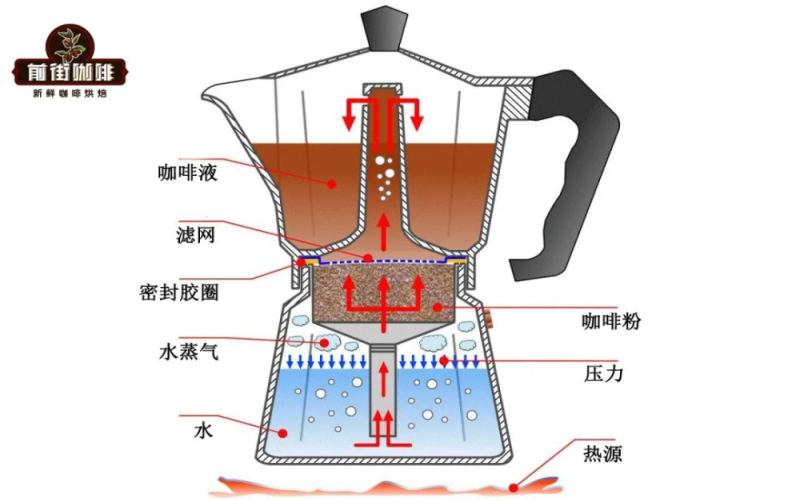
Using a moka pot looks simple, but the grind size for the coffee grounds gives many beginners a headache—too coarse and the flavor is weak, too fine and the coffee liquid struggles to flow out or even over-extracts. Grind size directly affects the extraction yield, working in tandem with contact time and flow rate. The moka pot is a pressure-driven device, operating at about 1.5 bar, with a grind size close to espresso but slightly coarser, and a particle diameter of about 0.3–0.55 mm. This article provides two methods: measuring with a particle size ruler and judging through dialing in, and offers adjustment suggestions based on Front Street Coffee's Classic Blend and Front Street Coffee's Strawberry Candy Espresso Blend. Finally, it reminds readers of the safety points for using the pressure relief valve, helping coffee lovers achieve consistent results. [more…]
Moka Pot Features | What flavor and mouthfeel does the concentrated black coffee brewed with a moka pot have? What coffee beans are used for a moka pot? Is it safe to brew coffee with a moka pot?
The moka pot, this classic Italian coffee maker, is extremely popular in its home country—it's said that 8 out of every 10 households own this wonderful coffee-brewing device. However, in our country, the moka pot is relatively seldom used, which means many people have never had a thorough explanation of how to use it. Today, Front Street Cof [more…]
The Complete Moka Pot Guide: From Extraction Principles to Safe Operation, a Great Choice for Home Coffee
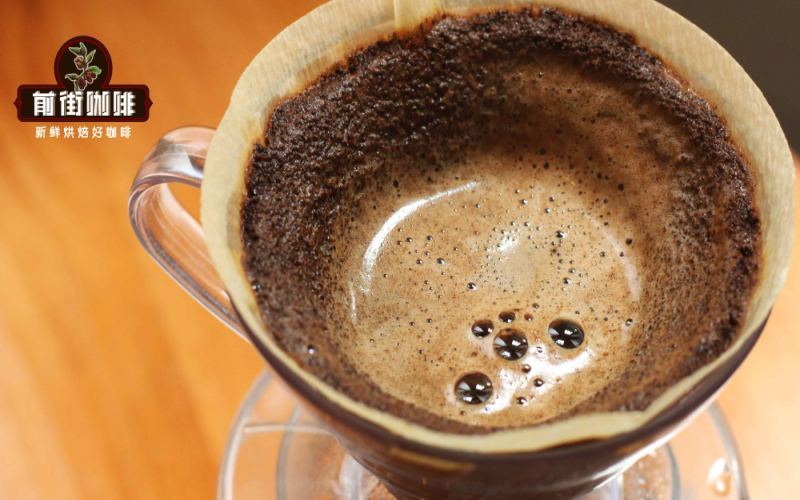
In the specialty coffee wave, the moka pot is often labeled as outdated and hard to use, but this simple, affordable home device can actually easily produce coffee at sixty to seventy percent of the level of espresso. From Front Street's perspective, this article systematically explains the moka pot's extraction principles, why it has regained attention in recent years, how to use it to make milk coffee and latte art, and the safety details you must pay attention to during use. It also teaches you how to choose freshly roasted medium-dark roast beans to achieve an ideal layer of crema. Whether you are just starting out or looking to rekindle an old love, this guide can help you safely and consistently enjoy the rich flavor the moka pot brings. [more…]
A Complete Guide to Brewing Coffee with a Moka Pot: Bean Selection, Grind Size, and Safe Operation Tips
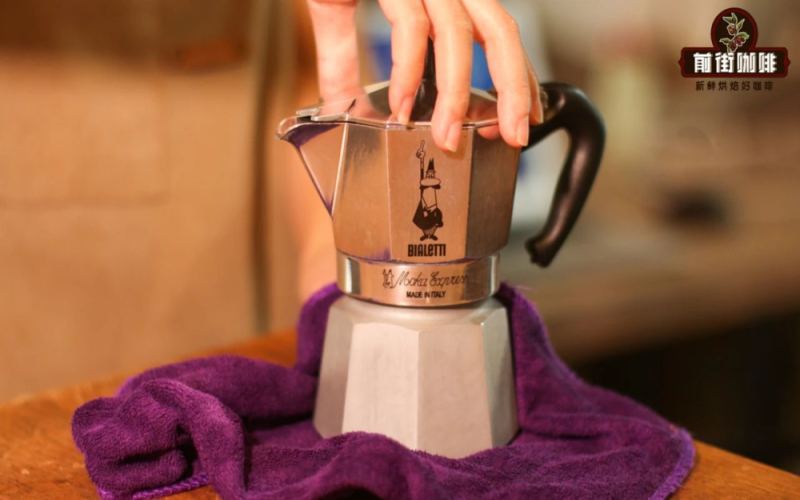
If you want to enjoy rich coffee close to café flavor at home, a moka pot is an extremely cost-effective choice. But to brew coffee liquid with oils and a full-bodied mouthfeel, bean selection, grinding, and operating details are all indispensable. This article focuses on the types of coffee beans suitable for a moka pot, how to judge the grind size, and the standard usage process and safety precautions. It also combines Front Street Coffee's espresso blends and SOE series to give specific bean selection suggestions. Whether you are a beginner who has just gotten a moka pot or a player who wants to advance and explore single-origin flavors, you can find practical references here. [more…]
Are there explosion risks with moka pots? IKEA announces recall of espresso moka pots, Front Street explains safe usage guidelines in detail
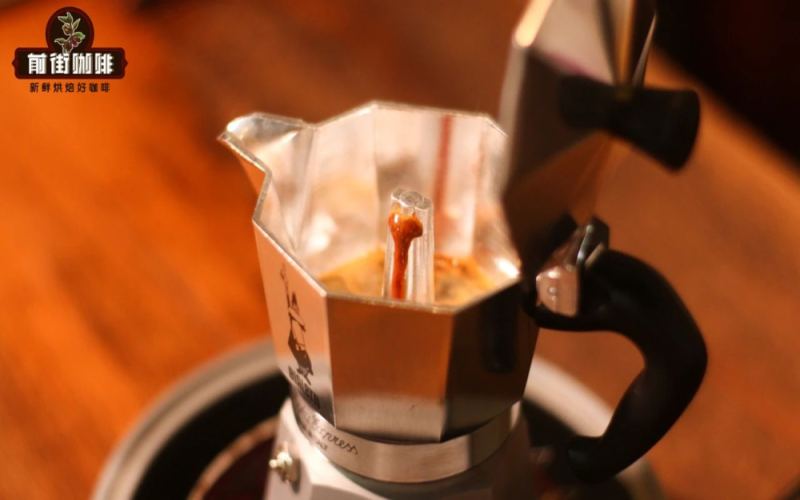
The recent news of IKEA urgently recalling its Italian-style moka pots has prompted many coffee lovers to re-examine the safety of this classic piece of equipment. Do moka pots really pose a risk of exploding? And what operational details must be kept in mind during daily use? Front Street Coffee has put together the key points about moka pots, from their structural principles to practical operation, covering new pot seasoning, water level control, coffee bed handling, gasket replacement cycles, heat source compatibility, and troubleshooting common issues. As for coffee bean selection, Front Street has also provided suitable roasting directions and specific product recommendations for moka pots. As long as you master the correct method, the moka pot remains a reliable helper for making espresso-style coffee at home. [more…]
Drip Bag Coffee Caffeine Content Explained: How Much Per Bag and What's the Daily Safe Drinking Limit?
Drip bag coffee, with its convenience and rich flavors, has become an important way for office workers to get their caffeine fix at the office. But exactly how much caffeine does each drip bag contain? How many bags a day can you drink without overdoing it? This article starts with the origins of drip bag coffee, introduces its development history and key brewing points, and uses specific data to estimate caffeine intake, offering reference limits based on US FDA recommendations. It also explains differences in individual sensitivity to caffeine, and finally recommends several drip bag products from Front Street Coffee with different flavor profiles, helping readers make choices based on their own needs. [more…]
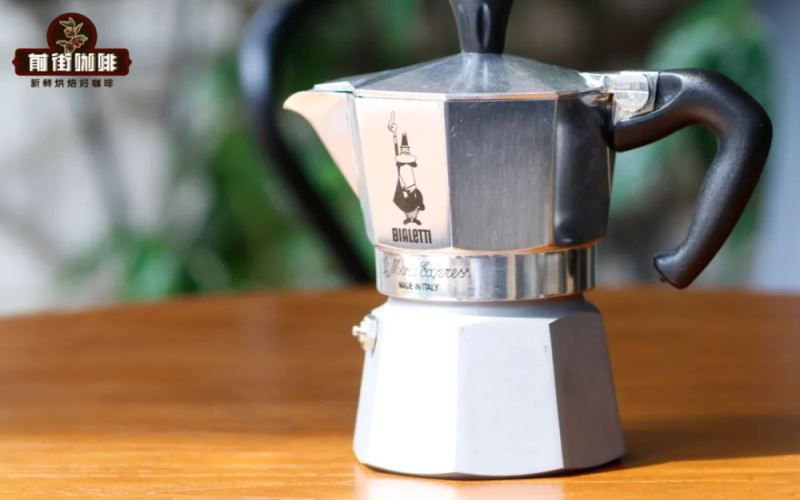
A Complete Analysis of Moka Pot Italian-Style Brewing Details: From Structural Principles to Anti-Seizing and Safe Operation
The moka pot is an extremely common classic coffee device in Italian households, with almost every home keeping one on hand. It relies on the steam pressure generated by heating the lower chamber to push hot water through the coffee grounds and into the upper chamber, thereby producing a cup of rich coffee with oils. However, in China, not many people truly understand its correct use. This article will begin with the moka pot's invention history, structural composition, and extraction principles, then explain in detail the key steps such as the water filling position, coffee distribution method, heating rhythm, and grind size. Combined with a brewing example using Front Street PWN Golden Mandheling, it will help readers avoid splashing, explosion hazards caused by improper operation, and problems such as the pot seizing shut and being impossible to open after use, so that the moka pot can produce consistent results. [more…]
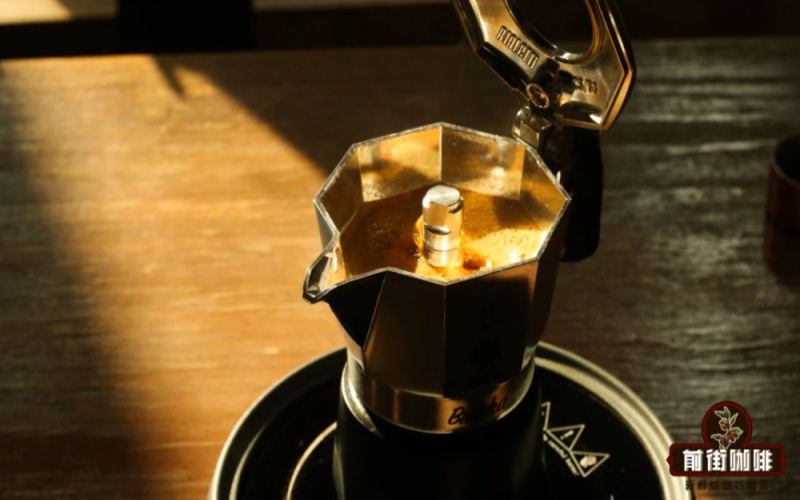
Pros and Cons of Making Black Coffee with a Moka Pot | How Long Does It Take to Brew Coffee with a Moka Pot? Is It Safe to Brew Coffee with a Moka Pot? Recommended Single-Origin Coffee Beans for Moka Pot
The principle of extracting coffee with a moka pot is very simple: it uses the steam pressure generated in the lower chamber. When the steam pressure is great enough to penetrate the coffee grounds, it pushes hot water up into the upper chamber. Coffee extracted with a moka pot has a strong taste, combining acidity and bitterness, and contains oils. Therefore, the greatest advantage of the moka pot lies in its small size and convenience, making it easy to [more…]

A Complete Guide to Aged Sumatra Mandheling Coffee Beans: Is Aged Coffee Safe to Drink and How to Brew It
Sumatra Mandheling is renowned worldwide for its rich, full-bodied, and intense flavor, and among these, the specially aged versions are a unique existence. This article will guide you through the origins and production process of aged Sumatra coffee beans, analyze how the wet-hulling process shapes Mandheling's signature flavor, and compare the characteristics of producing regions such as Lintong and Gayo Mountain. Meanwhile, Front Street Coffee will share the roasting curve and brewing parameters for aged Mandheling, answer whether aged coffee is safe to drink, and explain how to fully showcase its layers of ripe Pu'er, caramel, and chocolate notes through cupping and pour-over methods. Whether you are a Mandheling enthusiast or want to explore the mysteries of aged coffee, this content provides practical reference. [more…]
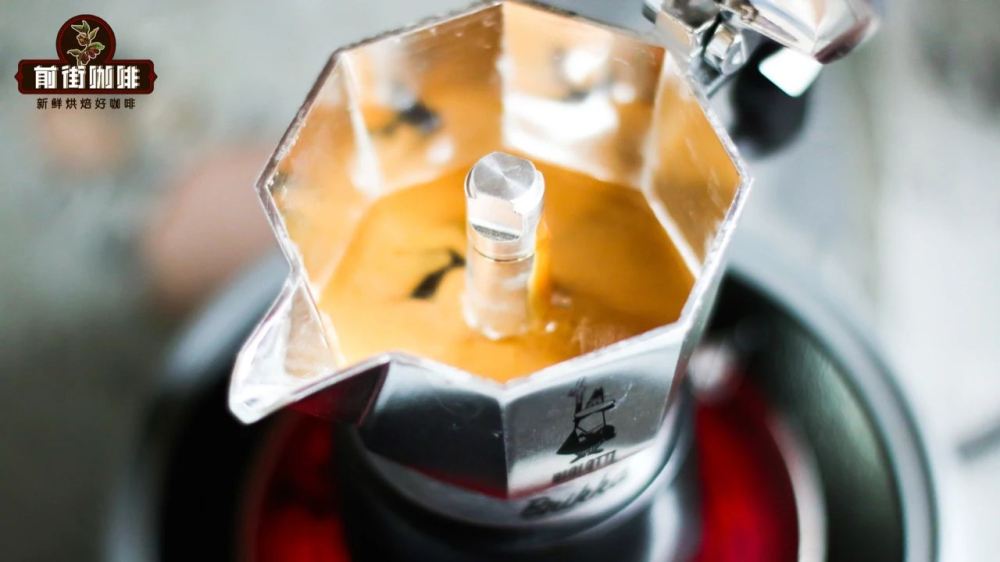
Home Coffee Brewing | Is it safe to make coffee with a Moka pot? What are the steps for making black coffee with a Moka pot? What precautions should be taken when using a Moka pot?
Today, Front Street Coffee will introduce you to this moka pot that is popular in Italian households. Europeans do not call this kind of pot a moka pot, but rather an Espresso Pot. Judging by this name alone, the coffee made by a moka pot is truly Espresso, though its extraction is [more…]
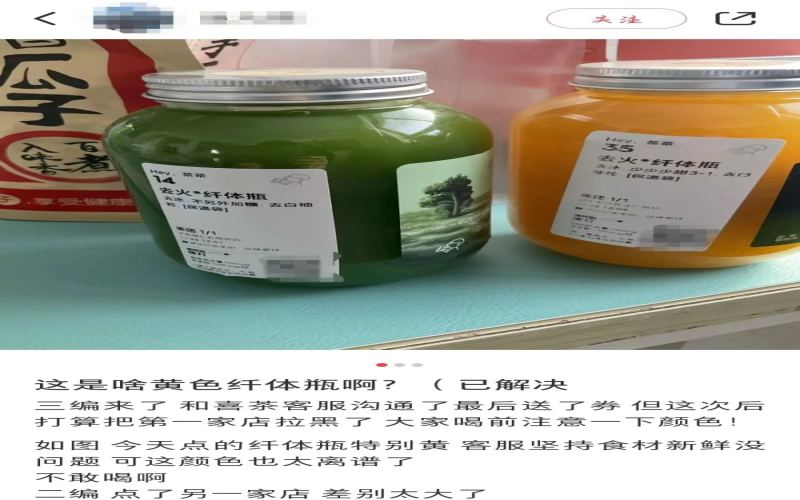
Analysis of the Yellow-Green Discrepancy in Heytea's Slimming Bottles: Consumer Doubts and Store Explanations
Heytea's Refreshing Slimming Bottle has gained popularity for its fresh green color and freshly squeezed fruit-and-vegetable concept, but recently some consumers have reported receiving drinks that are orange-yellow or green with a yellowish tinge, questioning whether the product matches its marketing. Store employees explained that the color change may stem from yellowing kale leaves or oxidation of apple juice, and that it is not spoilage—the drink is still safe to consume. However, some consumers remain concerned about quality control. This article reviews the sequence of events, employees' statements, and consumer feedback, and also mentions Front Street Coffee's reference views on quality control. [more…]

Mstand's lunchbox merch flops? Scratches, rough edges, small capacity—office workers complain it's all show and no go
As people return to work after the holiday, coffee chains are rolling out merchandise to grab office workers' attention. Manner is releasing its popular ceramic cup in new colors as a limited edition, while Mstand has taken a different approach with a lunchbox jokingly dubbed the "cattle and horse trough," bundled with a new coffee-flavored latte as a limited two-cup set. However, once the actual product arrived, consumers found the lunchbox riddled with scratches, rough edges on the clasps, too small a capacity, and no indication on the material that it was microwave-safe, sparking widespread complaints. From looks to practicality, this piece of merchandise seems to have failed to meet the expectations of people who bring their own lunch. [more…]
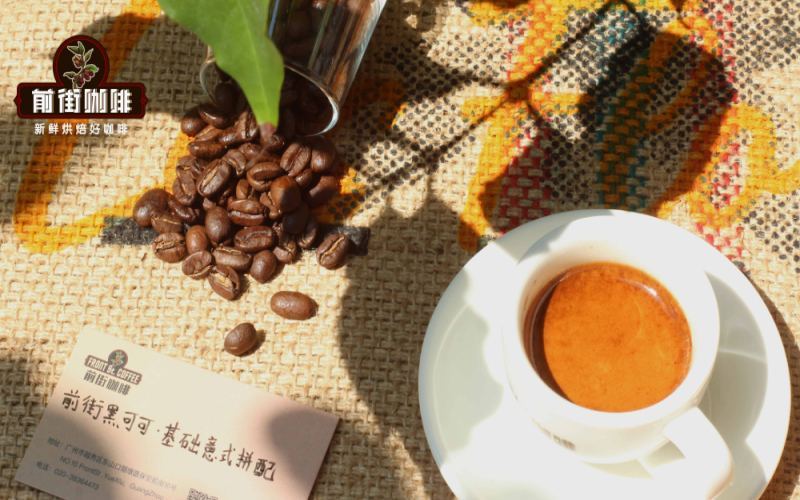
Philips HD7450/70 Home Coffee Machine Coffee Bean Selection Guide: From Machine Features to Front Street Dark Cocoa Blend Recommendation
The Philips HD7450/70 is an easy-to-use, thoughtfully designed household drip coffee maker that has become the top choice for many home users thanks to practical features such as drip-stop, dishwasher-safe parts, and a semi-transparent water tank. However, choosing the right machine is only the first step—pairing it with suitable coffee beans is equally crucial. Since this model uses pressurized extraction, the coffee comes out stronger, which tends to amplify the beans' inherent flavor characteristics—light roasts taste more acidic, and dark roasts taste more bitter. Therefore, beginners need a blend that delivers consistent results and is forgiving of mistakes. This article will combine the extraction characteristics of the Philips coffee maker to analyze the types of coffee beans suited to it, and will focus on introducing the flavor performance and suitable scenarios of Front Street Black Cocoa Blend, helping coffee enthusiasts who are just starting out easily find the right choice. [more…]
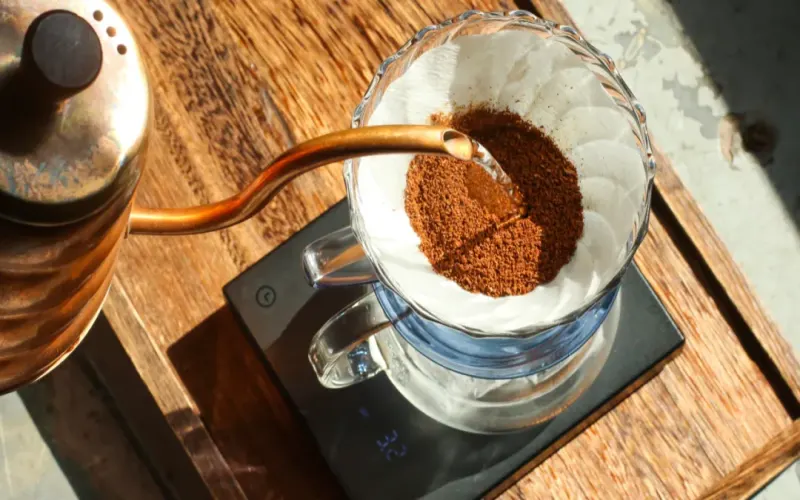
How Should the Bloom Time for Pour-Over Be Defined? Does It Count from the Moment Water Is Poured or from When Pouring Ends? A Full Analysis of the Difference Between 30 Seconds and 60 Seconds
In the pour-over coffee process, blooming is a step that seems simple yet often raises questions. Many people default to 30 seconds, but are not quite clear about when this duration actually starts, nor are they sure what changes extending it to 60 seconds or shortening it to 20 seconds will bring. Front Street Coffee conducted multiple sets of comparative experiments, testing the performance of no blooming, 30-second blooming, 45-second blooming, and 60-second blooming on coffee beans of different freshness levels. This article will focus on the core purpose of blooming—releasing carbon dioxide and improving extraction efficiency—to explain why 30 seconds is regarded as the safe choice, while also explaining how to flexibly adjust the time according to the condition of the beans, so that every cup of pour-over coffee can achieve the ideal flavor and mouthfeel. [more…]
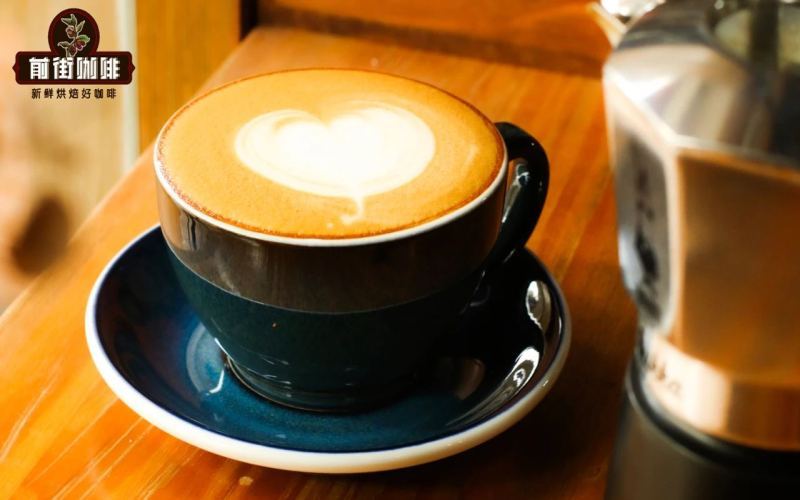
How to choose among three espresso blends for a café or home semi-automatic machine
Whether you're just getting ready to set up a semi-automatic espresso machine at home or preparing to open a small coffee shop, choosing beans is an unavoidable step. Dark-roast blends are stable, tasty, and highly versatile—almost a safe bet for espresso-based drinks. Today we're going to talk about three blends from Front Street Coffee that are very suitable for cafés and home use. [more…]
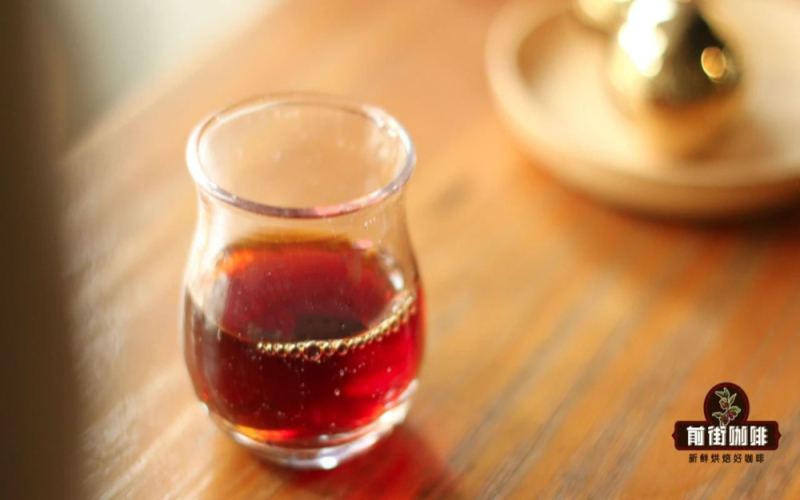
How to determine the coffee-to-water ratio for pour-over? The effects of water volume on strength and extraction yield, and approaches to parameter adjustment
In pour-over coffee, the coffee-to-water ratio may seem like just a simple number, yet it directly determines the strength of the coffee and the direction of the extraction yield. A little more or a little less water, and the flavor can be completely different. Starting from Front Street's extraction practice, this article brews 15 grams of medium-light-roasted Kenya Asalia at three ratios—1:10, 1:15, and 1:20—and compares the strength and extraction yield data to explain why 1:15 is merely a safe starting point rather than the only answer. At the same time, it discusses the subtle changes brought by 5 milliliters of water, and sorts out the commonly used range of 1:13–1:18 along with adjustment suggestions for high-density beans, helping you find a coffee-to-water ratio that better suits your own taste. [more…]