







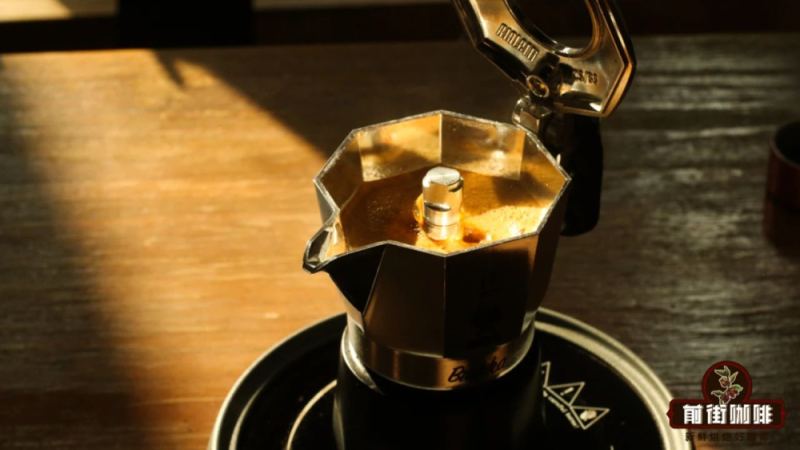
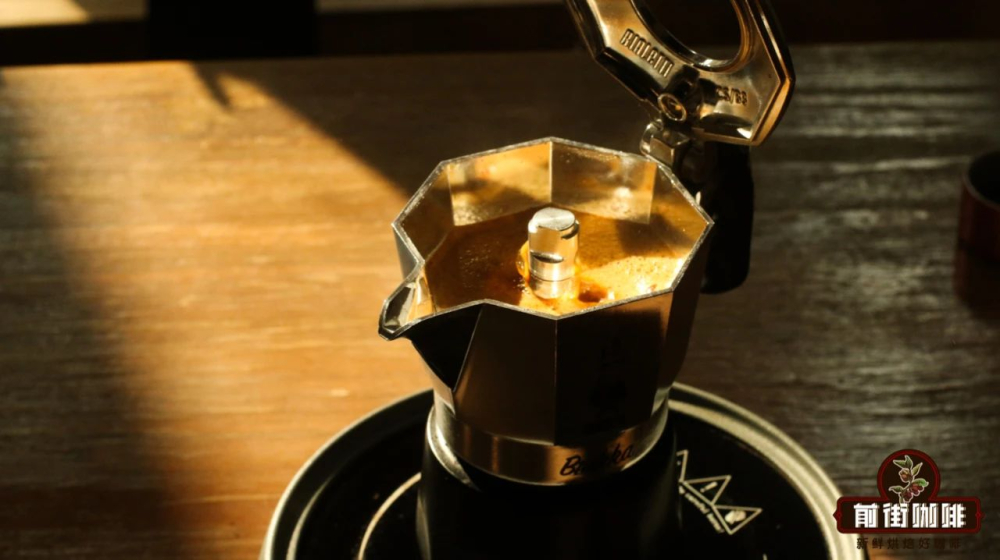
Moka pot coffee extractionThe principle is very simple: it uses the steam pressure generated in the lower chamber. When the steam pressure is strong enough to penetrate the coffee grounds, it pushes hot water up to the upper chamber. Coffee extracted with a moka pot has a strong taste, with both acidity and bitterness, and also contains oils. Therefore, the biggest advantage of the moka pot is that it is small, convenient, and easy to carry. It is a must-have for people who love going to the mountains and the sea. It is durable and impact-resistant, and it can still brew decent-quality coffee. It is easy to operate, and ordinary people can master the skill of brewing coffee with it. And it is very easy to brew rich, aromatic coffee with golden crema.
But its drawbacks are also very obvious: the upper limit of the flavor of coffee made with a moka pot is low. It is not as clear and bright as pour-over coffee, nor as rich and delicate as coffee made with an espresso machine. Therefore, moka pots are almost nowhere to be seen in specialty coffee shops. But as a home coffee device, it is a 100-point tool.
Although the moka pot does not use very high pressure to inject hot water into medium-fine ground coffee, strictly speaking this cannot be considered espresso-style extraction, but is closer to drip brewing. However, coffee made with a moka pot still has the concentration and flavor of Italian espresso.

Many Italians have small two-chamber moka pots at home. They are easy to operate and can make aromatic, rich coffee. Most moka pots are hourglass-shaped, though you can also find different styles, but the operating principle is the same. Heat the water in the bottom chamber, and steam at nearly 2 atmospheres pushes hot water up through the filter, through the ground coffee, and it becomes coffee liquid that remains in the upper chamber.
A moka pot forces pressurized steam directly through the coffee puck and through the coffee bed, extracting the inner essence of the coffee. In addition, because medium-dark roasted coffee beans are used for brewing, the brewed coffee has a strong aroma and intense bitterness, and a thin layer of coffee oil appears on the surface of the coffee. This layer of oil is exactly what makes Italian coffee so enticing and delicious. Because it is concentrated coffee, people generally use small coffee cups when tasting this kind of coffee.

After saying all this, do you also want to make a cup of moka pot coffee yourself? So how exactly should you do it? And what roast level of beans is more suitable formoka potbrewing? Then the following method from FrontStreet Coffee should give you the answer. Because coffee brewed with a moka pot is relatively thick and full-bodied, coffee roasted at medium or above can better express that mellow richness. This time, we recommend several everyday coffee beans that are very suitable for home moka pot use,as follows:

1. Front Street Bird of Paradise Coffee Beans
Country of origin: Papua New Guinea
Estate: Sigri Bird of Paradise Estate
Altitude: 1600-1800m
Processing method: washed processing
Variety: Typica
Grade: AA
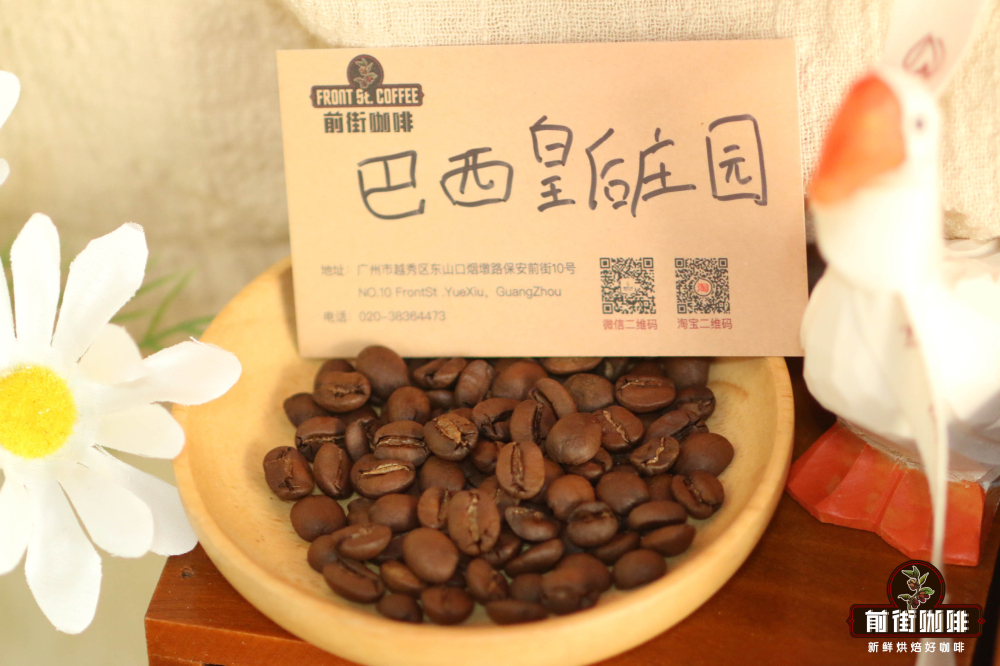
2. Front Street Queen Estate Coffee Beans
Country: Brazil
Region: Mogiana, São Paulo
Estate: Queen Estate
Altitude: 1400—1950m
Variety: Yellow Bourbon
Processing method: natural processing
Flavor: nuts, chocolate, cream, peanut, caramel
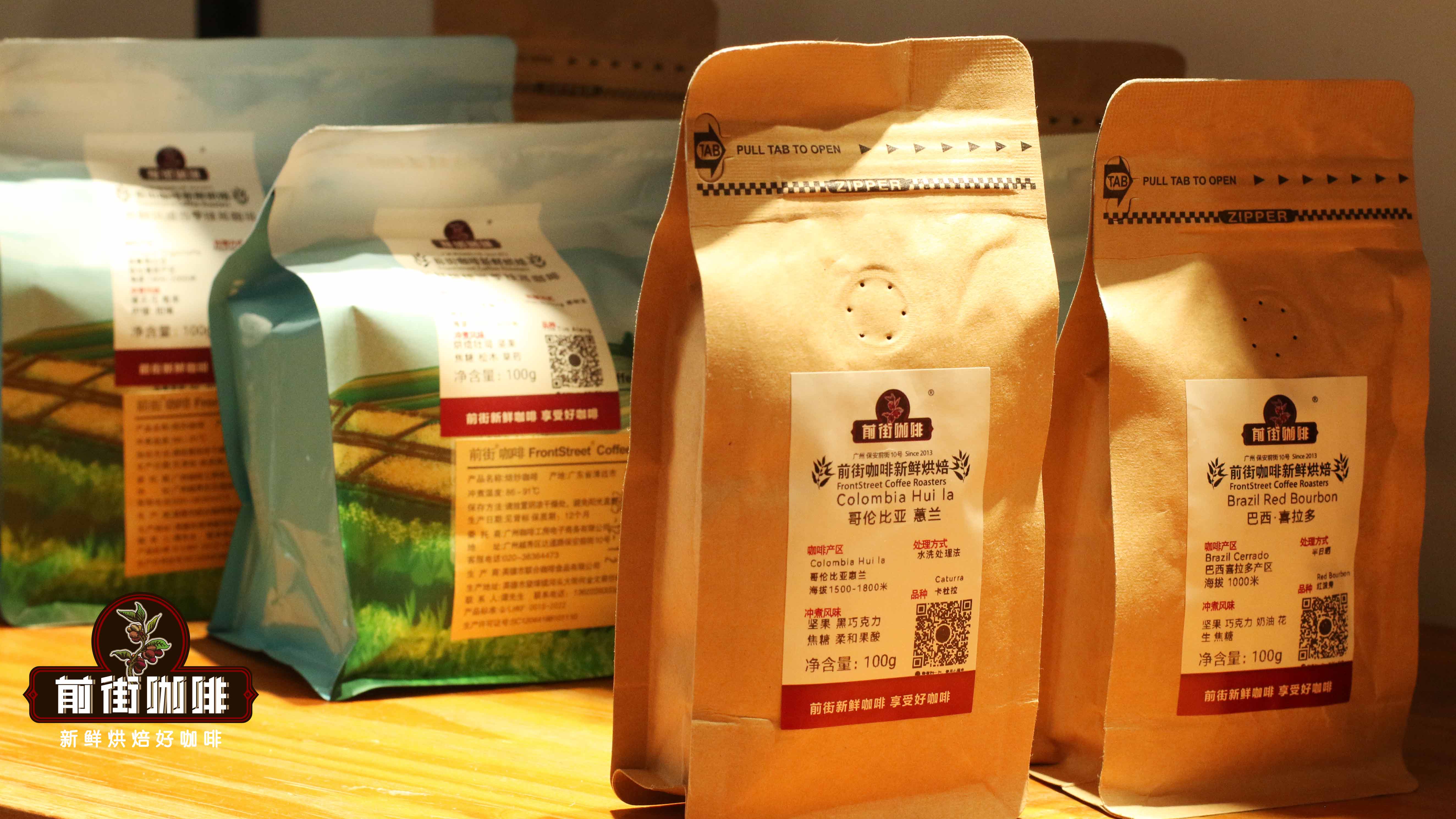
3. Front Street Colombia Huila Coffee Beans
Country: Colombia
Region: Huila
Altitude: 1500-1800m
Variety: Caturra
Processing method: washed processing
Flavor: dark chocolate, nuts, caramel, mild fruit acidity

4. Front Street PWN Golden Mandheling Coffee Beans
Country: Indonesia
Region: Sumatra Gayo Mountain, Aceh
Grade: G1 triple hand-sorted
Processing method: wet-hulled
Variety: ateng
Altitude: 1100-1600m
Flavor: caramel, pine, herbal, dark chocolate, nuts

5. Front Street Yunnan Small-Bean Typica Coffee Beans
Region: Yunnan, China
Estate: Front Street Coffee Estate
Altitude: 1300 meters
Variety: Typica
Processing method: natural
Flavor: brown sugar, chocolate, nuts, dried apricot
The process of making coffee with a moka pot:
1. Fill the bottom chamber with cold water up to the valve level. Put on the filter.

2. For moka pot coffee, choose a grind slightly coarser than espresso. You can refer to the size of the gaps in the filter screen of the basket to make sure the coffee particles will not fall down into the lower chamber. Cup your hand around the basket to form a ring, and fill the basket with grounds until a small mound rises in the middle. After the surrounding grounds fill the gaps in the basket, directly put on the upper chamber and tighten it. If you look carefully, the upper filter screen is slightly concave upward, so there is no need to worry about it being too full. On the contrary, this method just makes the basket have no gaps, reducing the probability of channeling.

3. Put the basket into the lower chamber, tighten the upper and lower parts of the moka pot, then place it on an electric ceramic stove and heat over high heat, making sure to use low heat;
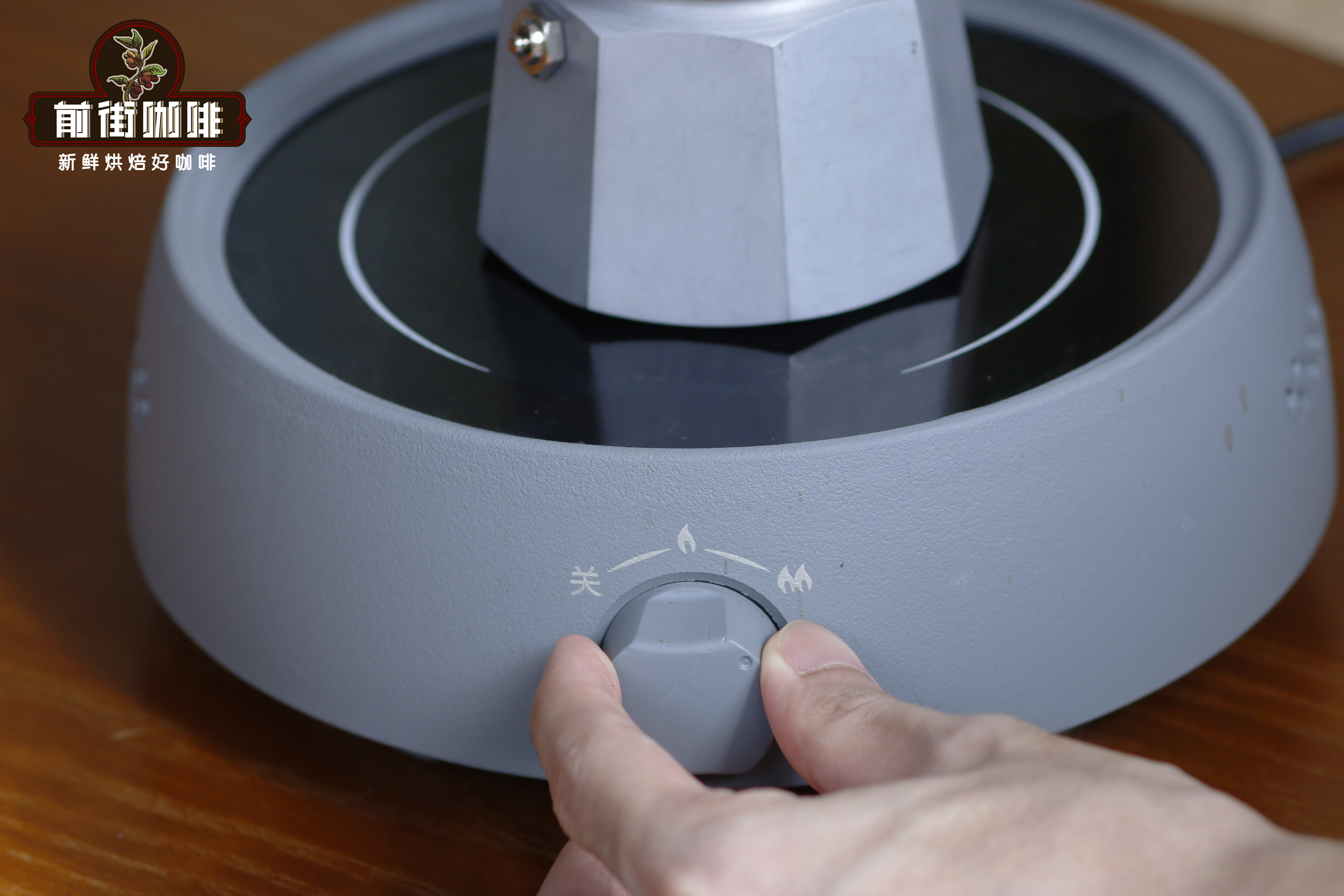
4. When the moka pot heats up to a certain temperature, and when it makes obvious whooshing and sputtering sounds, set the electric ceramic stove to low heat and open the lid of the upper chamber.
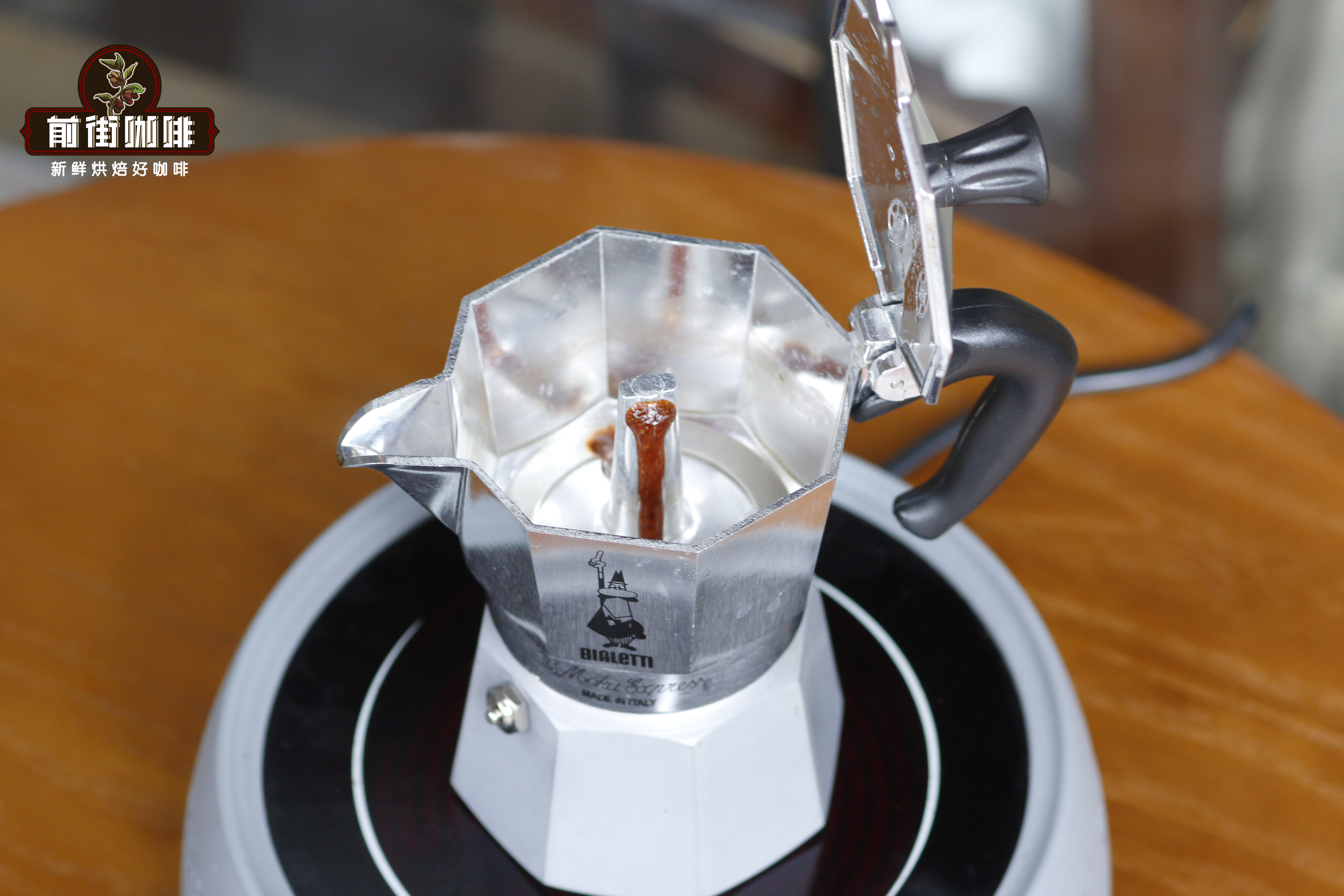
5. When half of the coffee liquid has come out into the upper chamber, turn off the electric ceramic stove. The residual heat and pressure of the moka pot will push the remaining coffee liquid into the upper chamber.
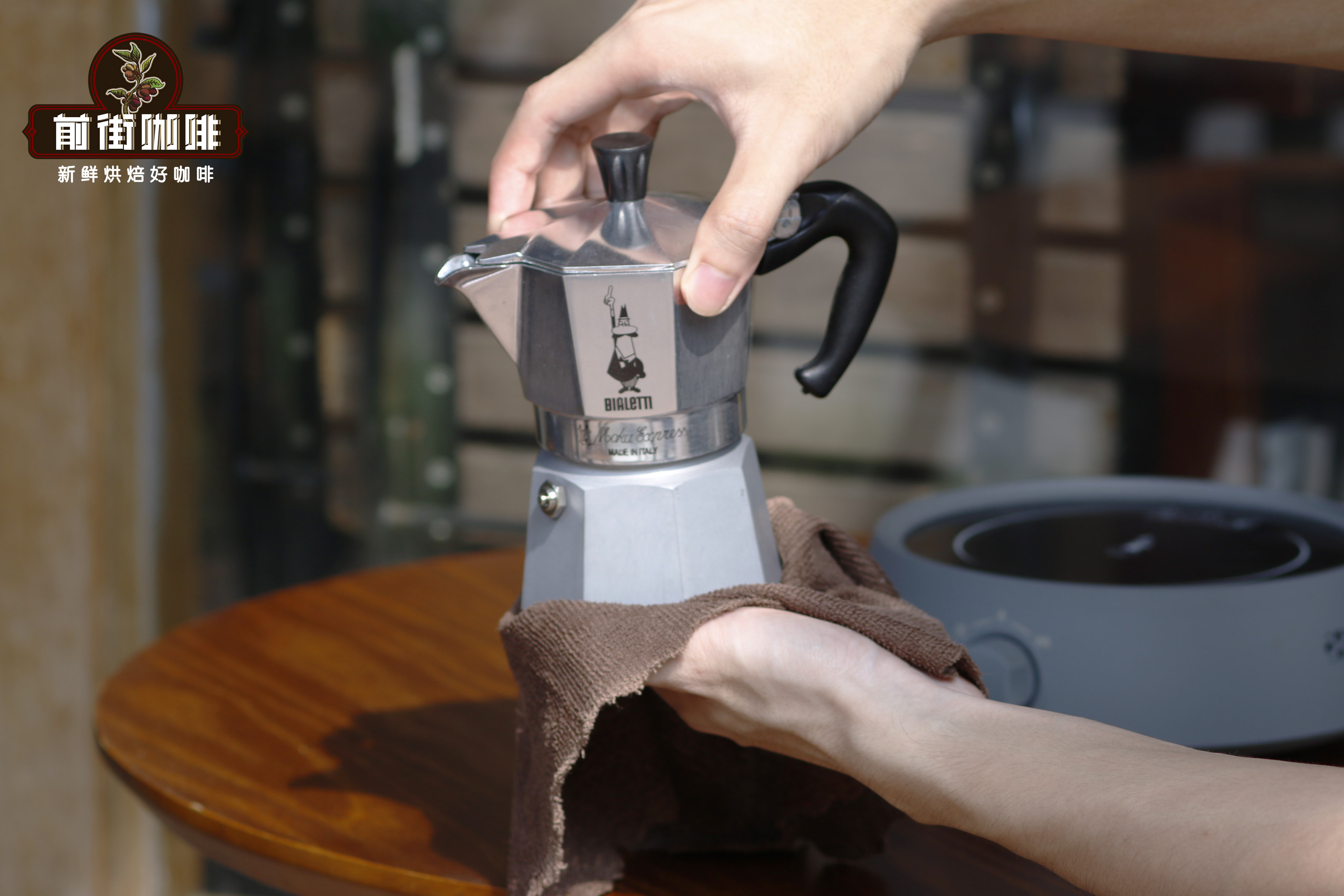
6. When all the coffee liquid has been extracted into the upper chamber, it can be poured into a cup for tasting. Coffee extracted with a moka pot is very rich, and can even extract Crema. You can also mix it with an appropriate amount of water or milk for a better flavor.It is just that simple, but it also requires some practice. Front Street believes that although using a moka pot is simple, it still requires plenty of practice and careful control of the coffee grind size and various small details to extract a relatively perfect cup of coffee.
The above content is compiled by CoffeeHunters, a coffee news website.


