







Search Results for: SOE Little Black Cup
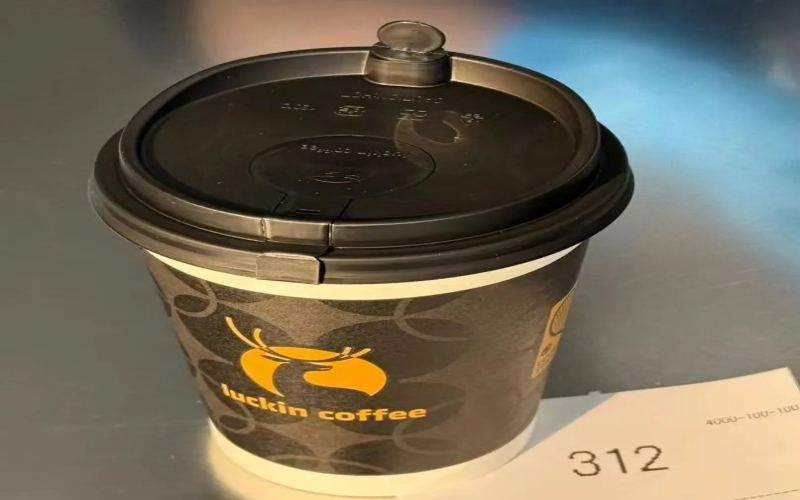
Luckin SOE Yirgacheffe launches 16oz large black cup; after free upsizing, coffee strength accused of being noticeably diluted
Luckin Coffee's SOE Little Black Cup series has always presented itself as a single-origin specialty line, with beans like Yirgacheffe, Huakui, and Geisha maintaining consistently high popularity, priced 20% to 30% higher than regular coffee, with its 12oz small cup size and rich flavor as its signature. However, this Monday, Luckin suddenly added a 16oz size to its SOE product line, allowing the Yirgacheffe Little Black Cup to be upgraded for free to a Big Black Cup for a limited time, covering three classics: Americano, Latte, and Aussie White. The increase in volume at no extra cost seemed like a good deal, but many longtime fans discovered after ordering that the coffee concentration had plummeted, with the Yirgacheffe flavor almost completely gone, and complaints like "watery and bland" and "the upgrade just adds water" flooding social media. Staff later explained that the coffee powder weight had indeed increased, but the increment was far from enough to match the difference in cup volume, and could only be made up with water or milk. For those who prefer a rich taste, Front Street recommends going back to the original Little Black Cup. [more…]
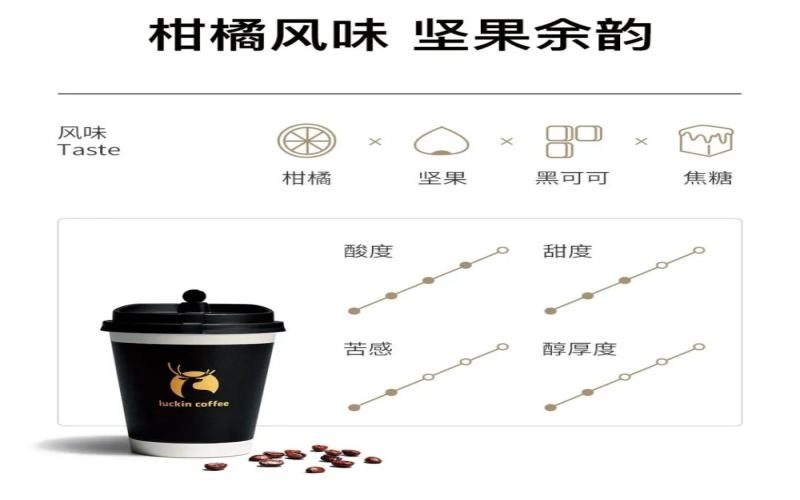
Luckin SOE Yirgacheffe Little Black Cup Flavor Analysis: The Fruity Acidity and Floral Aroma of Ethiopian Specialty Beans and Front Street's Home Roasting Recommendation
In 2021, Luckin Coffee launched its SOE Yirgacheffe "Little Black Cup," bringing this legendary Ethiopian region back into the spotlight. What makes Yirgacheffe so popular around the world? Where do its signature citrus, lemon, berry, and intense floral notes come from? This article provides a comprehensive look at the flavor code of Yirgacheffe, from its geographic origins and the revolution in washed processing methods to the fruit-acidity revolution brought about by light roasting, and on to Luckin's purchasing agreements and the SOE trend. At the same time, Front Street Coffee, as a devoted champion of floral and fruity flavors, presents three representative coffees—the Gutingding Cooperative, sun-dried Red Cherry, and a washed daily-drinker bean—along with brewing parameters and cupping notes to help you understand this classic cup in the "new era of fruity-acid coffee." [more…]
Colombian COE Champion Finca El Paraiso Coffee Bean Analysis: Luckin Little Black Cup SOE Flavor and Front Street Coffee Sakura Series Brewing Test
After Luckin Coffee launched its Huakui SOE, it quickly followed up with a Finca El Paraiso SOE, sparking interest among many coffee enthusiasts in this Colombian champion estate bean. Front Street Coffee's bean list happens to include the Finca El Paraiso Sakura series as well. Starting from the concept of SOE, this article will introduce Finca El Paraiso's estate background, cultivated varieties, and double anaerobic washed processing method, and share the pour-over parameters and flavor performance of Front Street's Sakura coffee bean. At the same time, we will also put it to the test by making espresso, americano, and latte with it, to see which type of Italian-style coffee this bean is actually suited for and whether it can take on the role of the same SOE used in Luckin's small black cup. [more…]

Luckin's Bean Hunting Journey Ventures into Sumatra, Indonesia: Wet-Hulled SOE "Emerald" Set to Debut
After Ethiopia and Panama, Luckin Coffee's bean-hunting team chose the Karyo Highlands of Sumatra, Indonesia, as their third stop. The team, led by Pan Zhimin, champion of the 2017 World Barista Championship China region and Luckin's chief coffee master, selected a wet-hulled coffee bean by Lake Tawa and named it "Emerald," which is scheduled to join the SOE Little Black Cup series on the 25th of this month. As Indonesia is the first bean-hunting stop in Asia, its unique wet-hulling process and tropical rainforest terroir give this coffee a cup profile of cherry, cane sugar, caramel, and cedar. This article will guide you through the regional characteristics of Indonesian coffee, the origins of the wet-hulling process, and the behind-the-scenes details of Luckin's bean-hunting trip. [more…]
Which tastes better, a blend or an SOE? Choose by roast level to better suit your taste.
Whether coffee tastes good often depends on how well the roast level and the brewing method complement each other. Blends combine beans from different origins or lots, while SOE usually refers to espresso made from a single origin or single lot. There is no fixed answer for the two—light roasts highlight aroma, medium roasts highlight sweetness, and dark roasts highlight body. According to your [more…]
How to brew Kenyan coffee grounds? How to taste black coffee? A complete analysis from producing region and grade to K72 processing and SOE practice
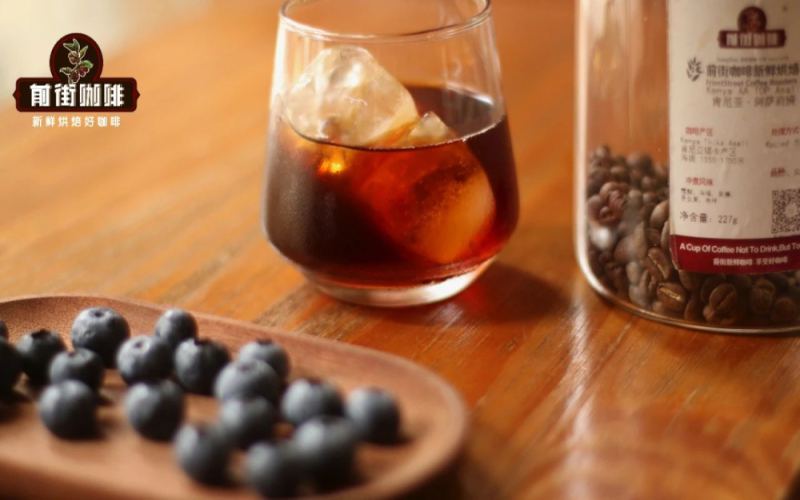
Kenyan coffee, with its wild berry-like acidity and clean, bright flavor, has become a favorite among many coffee connoisseurs. From the perspective of Front Street Coffee, this article systematically reviews the history of Kenyan coffee cultivation, its main producing regions, its grading system, and the sources of its signature acidity—red volcanic soil, the SL28 and SL34 varieties, and the unique K72 washed processing method. The article then presents the pour-over parameters and three-stage pouring plan for Front Street Kenya · Little Tomato coffee beans, and extends to SOE espresso extraction: from bean selection, roast level, grinding, and ratio to the practical steps of extracting 40 grams of liquid from 20 grams of grounds in 28–30 seconds, helping you make a cup of Kenyan black coffee or SOE latte full of berry and tomato aromas at home. [more…]
Yunnan Red Honey Process SOE Coffee Flavor Analysis and Comprehensive Introduction to Its Taste Characteristics
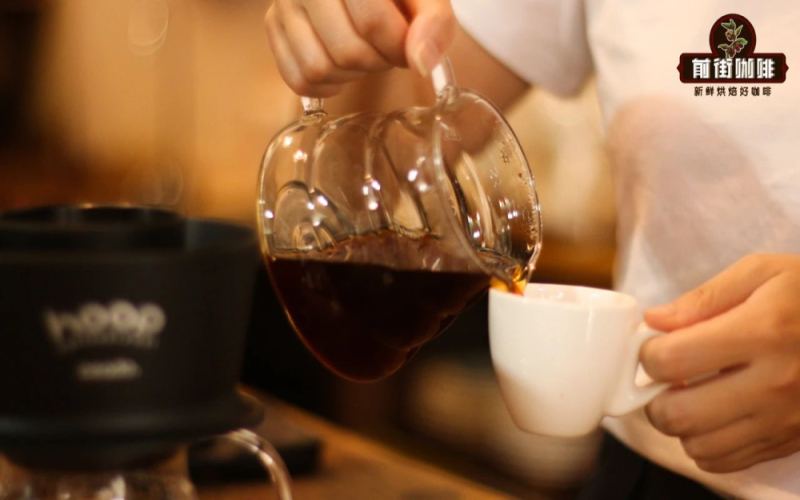
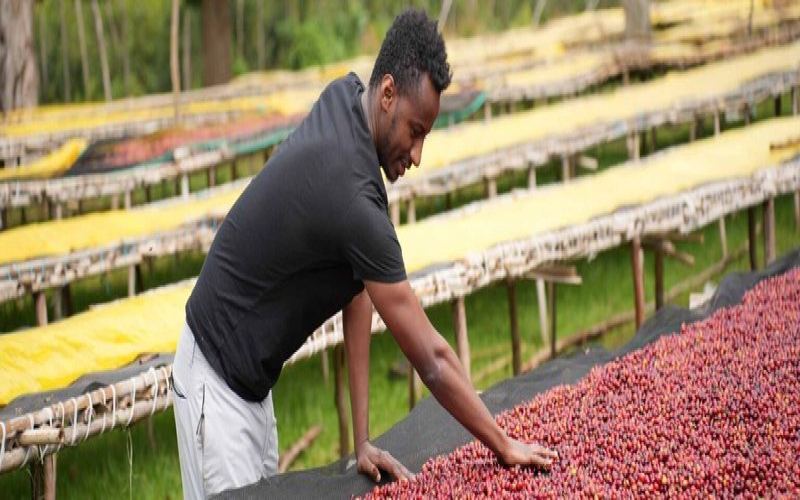
Luckin Coffee recently completed its procurement plan for 1,000 tons of Yunnan specialty coffee beans for the 2020/2021 harvest season. The selected green beans come from the two major producing regions of Baoshan and Pu'er, both grown at altitudes above 1,300 meters, with SCA scores of no less than 80 points. This marks another move by Luckin into the specialty coffee segment, following the Little Black Cup SOE Yirgacheffe. This batch of Yunnan beans uses a double anaerobic fermentation red honey process, going through two anaerobic fermentation stages from fresh fruit to drying, with the fermentation rhythm controlled by monitoring color, aroma, pH value, and sugar content. This article will systematically review the producing region conditions and main variety characteristics of Yunnan coffee, and provide an in-depth analysis of the classification, process, and flavor performance of the honey processing method, helping coffee enthusiasts fully understand the true taste and quality characteristics of Yunnan red honey processed SOE. [more…]
How to Choose SOE by Roast Level: From Bright Fruit Flavors to Rich Sweetness
If you want a cup of espresso with the distinct character of its origin, SOE is a very straightforward choice. It doesn't rely on blending multiple beans to create a fixed flavor profile; instead, it lets the aroma of a single origin and a single batch come through in the extraction. Choosing by roast level helps you find a better match among fruity acidity, floral notes, caramel sweetness, and full-bodied richness. SOE usually refers to [more…]
American Coffee Brewing Guide: From Bean Selection to Brewing, How to Make a Non-Bitter Americano
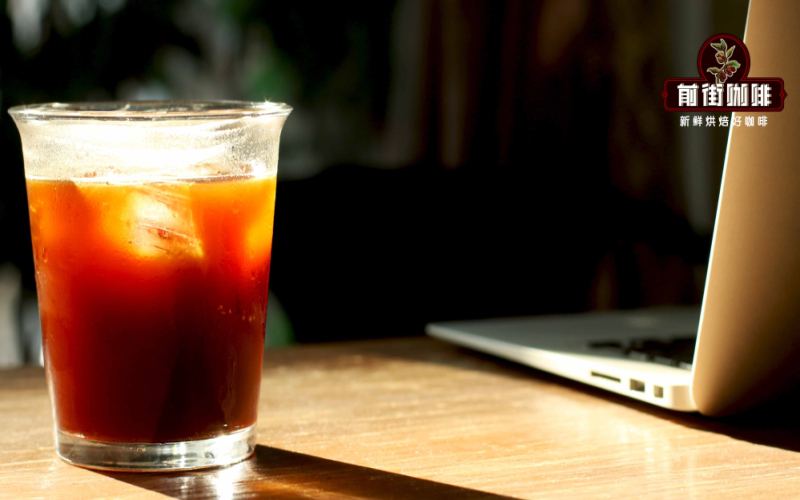
Americano is made by diluting espresso with water, and its flavor profile depends on the type of coffee beans used and the degree of roast. When making it at home, blends and SOEs each have their own merits: blends pursue balance and complementarity, while SOEs highlight the character of a single origin. Centering on the need for "an Americano that doesn't taste bitter," this article sorts out bean-selection approaches for three flavor directions—leaning acidic, leaning rich and full-bodied, and neither sour nor bitter—and gives specific extraction parameter recommendations. The article also introduces products such as Front Street Coffee Huakui SOE, Yirgacheffe Natural Red Cherry SOE, commercial espresso blend beans, and Strawberry Candy espresso blend, and finally includes steps for tasting coffee to help enthusiasts recreate a café-level Americano experience at home. [more…]
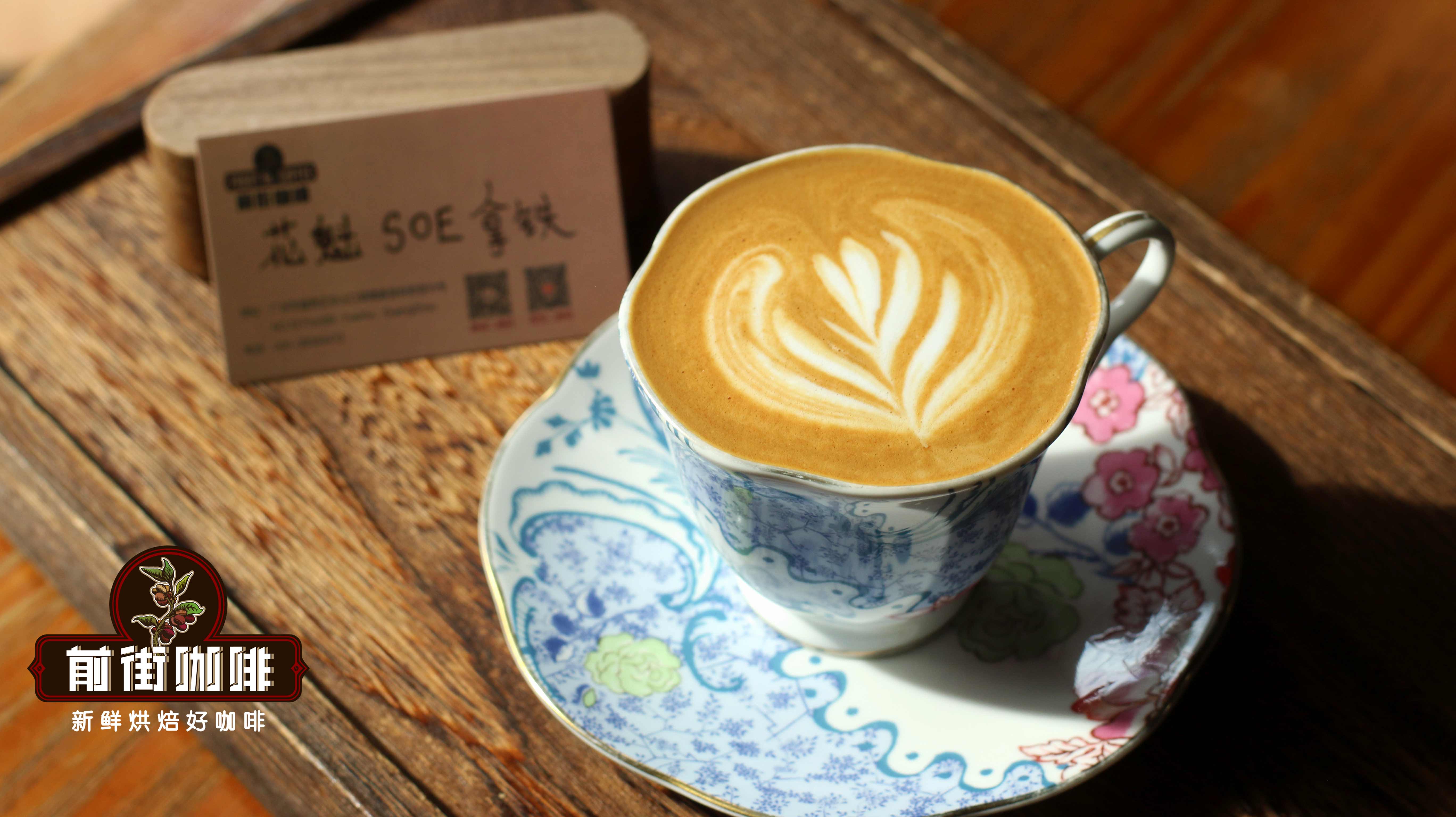
Is SOE Coffee the Same as Single-Origin Black Coffee? Explaining the Meaning of Americano SOE and a Guide to Choosing Espresso Beans
When ordering at a coffee shop, you may often see SOE latte or SOE americano options, but what exactly does SOE mean? Is it equivalent to single-origin black coffee? This article starts with the definition of SOE, sorts out its differences from traditional blend beans, explains SOE's characteristics and difficulties in extraction, and recommends three Front Street single-origin coffee beans suitable for making espresso, helping you better understand and choose SOE espresso beans. [more…]
Espresso Extraction Time and Bean Selection: Flavor Differences Between Blends and SOE, and Front Street Brewing Parameters
American coffee seems simple—just espresso plus water—but what really determines whether a cup of American coffee tastes good is often the combination of bean selection and extraction parameters. This article begins with the difference between blended beans and SOE, explaining how blends complement flavors and why SOE demands higher bean quality. Using three Front Street Coffee beans as examples, it provides specific blend ratios, flavor descriptions, and brewing parameters for three styles: brighter, fuller-bodied, and more balanced. The article also includes tasting steps to help readers fully experience the layers and sweet aftertaste of a cup of American coffee, from smelling the aroma and observing the color to tasting. [more…]
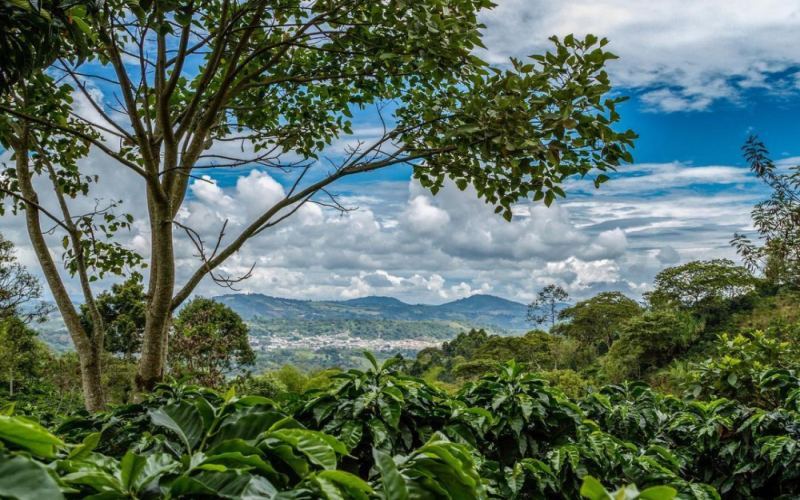
Flavor Analysis and Brewing Parameters of Colombia Finca El Paraiso SOE Double Anaerobic Washed Coffee Beans
Colombia, as the world's third-largest coffee producer, holds a special position in the international coffee market thanks to government regulations restricting the country to growing only Arabica varieties and the support of NFC institutions. Recently, Luckin Coffee launched its Little Black Cup series, featuring a Finca El Paraiso SOE, bringing this estate in the Cauca region into the spotlight. Finca El Paraiso was founded by Diego Samuel in 2008, starting as a small 2.5-hectare family estate, and rose to fame in a regional competition in 2015 through technological innovation. Front Street Coffee's bean list happens to include a Finca El Paraiso Sakura coffee bean, produced using a double anaerobic washed process, of the Castillo variety. This article will provide a detailed interpretation of this bean, covering its regional background, the principles of its processing method, variety characteristics, roasting approach, and pour-over brewing plan. [more…]
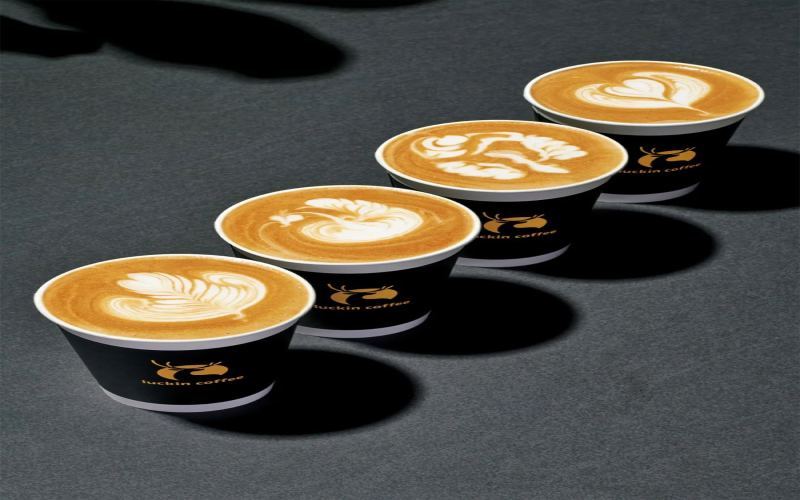
Luckin vs. Starbucks Yirgacheffe Coffee Price Comparison: Yirgacheffe Coffee Bean Rankings and Flavor Characteristics Explained
Yirgacheffe, as the byword for Ethiopian specialty coffee, is renowned worldwide for its bright citrus acidity and jasmine aroma. In late 2020, Luckin Coffee launched the Little Black Cup SOE Yirgacheffe, priced at 20 to 34 yuan, bringing this single-origin bean into the public eye. This article will begin with Yirgacheffe's origins, the causes of its flavor, and the evolution of its processing methods, tracing how it became independent from a sub-region of Sidamo to become a global specialty coffee benchmark. It will also introduce three representative products from Front Street Coffee's own roasting operation—the Gedeb Cooperative, sun-dried Red Cherry, and an everyday drinking bean—along with cupping flavor descriptions and pour-over parameter suggestions, helping coffee lovers gain a comprehensive understanding of this African bean's unique charm. [more…]
How to Choose Coffee Beans for Iced Americano? From Blends to SOE, Understanding the Bean Differences Between Espresso and Americano
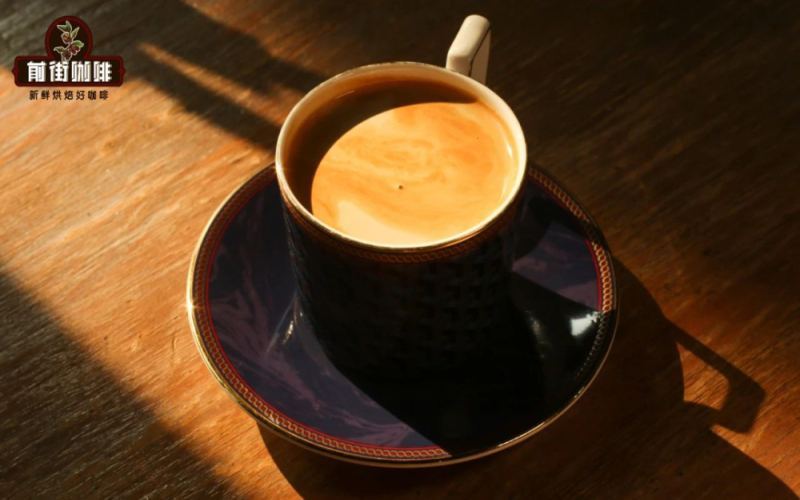
Americano looks simple—espresso diluted with water—but choosing the right beans is where flavor begins. This article explores the types of beans used for Americano, clarifies the difference between blends and SOE, and introduces Front Street Coffee's corresponding beans and brewing parameters one by one according to three flavor directions: bright and acidic, rich and full-bodied, and balanced. Whether you want a refreshing fruity Americano or an iced Americano with intense cocoa notes, you can find a suitable option here. At the end, a three-step tasting method is included to help you fully experience a cup of coffee's layers, from aroma and appearance to the first sip. [more…]
The Formation Principle and Rich Crema Techniques of Espresso, and a Guide to Selecting Coffee Beans Suitable for Latte Art
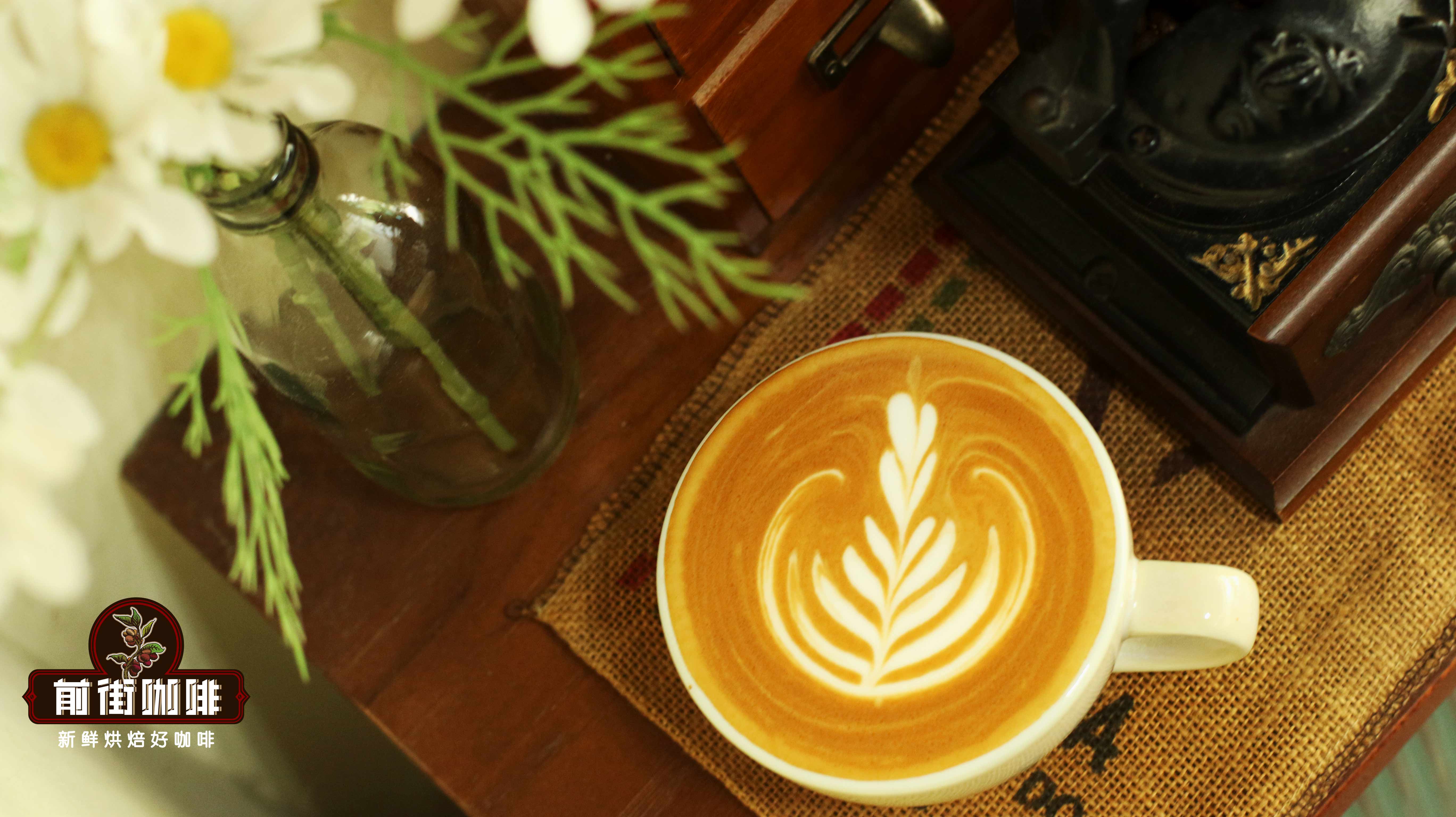
Latte is one of the best-selling products in coffee shops, and it is also the starting point for many enthusiasts to try espresso at home. Front Street Coffee often receives questions about how to choose coffee beans. This article will systematically explain the principles behind the production of espresso crema, how to make the crema richer, and recommend coffee beans suitable for latte art. Starting from the definition of a latte, the article distinguishes the roasting differences between espresso beans and pour-over beans, analyzes the respective advantages of blended beans and SOE, and provides the specific extraction parameters and operating steps for Front Street Coffee's SOE Huakui, helping readers recreate at home a cup of espresso latte with rich crema and outstanding flavor. [more…]
Choosing Drinks for SOE by Roast Level: A Flavor Guide from Pour-Over to Milk Coffee
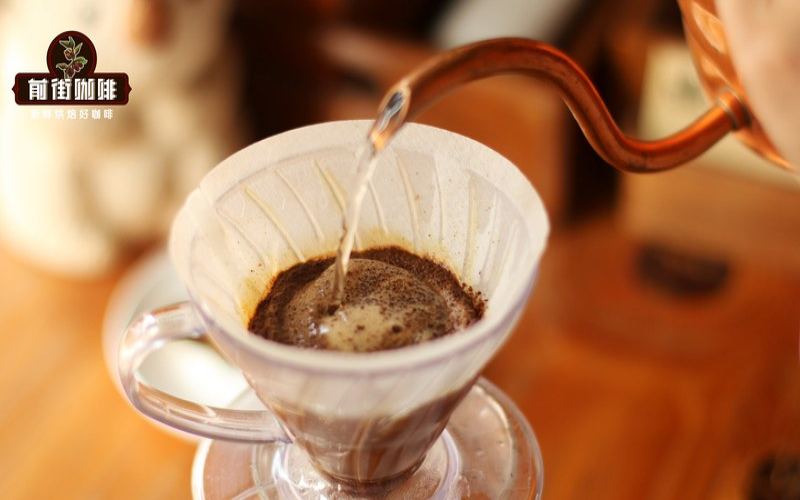
SOE refers to single-origin espresso beans, where the distinct characteristics of the region, variety, and processing method all come together in a single shot. It doesn't belong to just one type of drink; what really affects the pairing is often the roast level. Light roasts emphasize floral and fruity notes with bright acidity, medium roasts are easier to balance, and dark roasts bring out cocoa, nutty, and [more…]
How to Choose SOE Espresso Beans by Roast Level
SOE is short for Single Origin Espresso, referring to espresso made from coffee beans of a single origin or estate. Its difference from common blends lies not merely in the origin label, but in how it brings the character of a particular region, variety, or processing method into a short, highly concentrated extraction. [more…]
After the Roast Date: The Flavor Calendar of SOE Espresso Beans
When SOE espresso beans first leave the roaster, their aroma isn't immediately at its most expressive. The beans are still releasing carbon dioxide, and if they're put on the machine too soon, the puck is easily disrupted by gas, causing the espresso flow to fluctuate and the crema to puff up while the flavor stays tight. Treating the roast date as the start of a flavor calendar is more [more…]
What is the difference between espresso blends and single-origin pour-over coffee beans? Can single-origin beans be used for espresso?
Blended coffee beans and single-origin pour-over coffee beans are the two most common types of beans in the coffee world. The former is usually extracted with an espresso machine, pursuing a balance of crema and body; the latter mostly comes from a single origin, emphasizing unique terroir flavors and is often presented via pour-over. So, can blended beans be used for pour-over? And can single-origin beans be used to make espresso? This article will systematically sort out the definitions, roasting orientations, and applicable scenarios of the two, and attach Front Street brand's popular single-origin and SOE bean list, including Yirgacheffe Gedingding, Huakui, Little Tomato, Strawberry Candy, Yunnan Small-Bean Typica, as well as SOE options such as Red Cherry, Mozart, and Golden Mandheling, to help coffee lovers make choices based on flavor preferences and brewing methods. [more…]
How to Choose SOE by Roast Level: From Bright Fruit to Rich Sweetness
If you want an espresso that expresses the character of its origin, SOE is a very direct choice. It doesn't rely on blending multiple beans to create a fixed flavor profile; instead, it lets the aroma of a single region and a single batch come through in the extraction. Selecting by roast level helps you find a better match among fruity acidity, floral notes, caramel sweetness, and body. SOE usually refers to [more…]