








How Do You Make American Coffee That Isn't Bitter?
American coffee is espresso diluted with water, so its flavor depends on which beans and roast level go into the shot. A non-bitter cup starts with medium-dark or dark roast espresso beans, then moves to bean selection: blends built for balance, or single origin espresso that highlights one origin's character.
Blends combine at least two origins, and keeping the recipe to about three beans makes the flavor easier to control. SOE uses a single variety and shows that origin clearly. Grind size, ratio and water amount then shape the final cup.
American coffee is made by diluting espresso with water, and its flavor profile depends on the type of coffee beans used and the roast level. For home brewing, blends and SOEs each have their merits: blends pursue balance and complementarity, while SOEs highlight the character of a single origin. This article, centered on the need for "American coffee that doesn't taste bitter," sorts out bean selection approaches for three flavor directions—on the acidic side, on the full-bodied side, and neither sour nor bitter—and gives specific extraction parameter suggestions. The article also introduces products such as Front Street Coffee Huakui SOE, Yirgacheffe Natural Red Cherry SOE, commercial espresso blend coffee beans, and Strawberry Candy espresso blend, and finally includes steps for tasting coffee, helping enthusiasts recreate a cafe-level American coffee experience at home.

The base of American coffee is espresso, made by adding water to dilute it and reduce its concentration. Medium-dark roast or dark roast espresso beans are usually chosen, and the flavor tone of the finished drink changes with the beans themselves. So for those who want to make it at home, what kind of coffee beans should they choose?
What coffee beans are used for American coffee?
Broadly, they can be divided into two categories: one is blended coffee beans, and the other is SOE (single origin espresso). The core difference between the two lies in the number of coffee varieties they contain—blends are made up of at least two or more beans, while SOE uses only a single variety.
Blend beans
The point of blending is to bring together the flavors of different origins, creating a new taste expression and making the overall cup more balanced. For example, if a certain bean is smooth in mouthfeel but lacks aroma, you can add an aromatic bean to make up for the shortcoming, allowing them to complement and enhance each other. When blending, it is recommended to keep it to around three coffee beans; too many varieties make the final flavor direction difficult to control, and it is easy to lose balance.
SOE
The beans chosen for SOE are meant to highlight the characteristics of the origin itself. If you happen to prefer the flavor of a certain origin, choosing SOE will be very much on point. However, although SOE has a distinctive personality, because it comes from a single source, its shortcomings are also easily magnified—once the bean quality is not excellent enough, the coffee made from it will not taste good, and there is even no way to hide it. For this reason, SOE has higher technical requirements in actual practice, which is also one of the reasons it is usually sold at a higher price than ordinary espresso.
Introduction to American coffee beans with different flavors:
American coffee beans on the acidic side
The lighter the roast level, the more acidic substances remain in the beans, and the harder the texture, the harder it is to extract flavor compounds, so the finished American coffee tends to be more acidic, for example Front Street Coffee Huakui SOE with strawberry and guava notes, and Front Street Coffee Yirgacheffe Natural Red Cherry SOE with citrus and lemon acidity;
Suggested brewing parameters for American coffee on the acidic side: use 18 g of grounds in a double portafilter (a margin of plus or minus 1 g is allowed), extract 36 g of coffee liquid in 28 seconds, then pour the coffee liquid into a 330 ml cup containing ice and water. If you prefer a stronger coffee taste, you can add a little less water; if you want it lighter, you can add more water.
American coffee beans on the full-bodied side
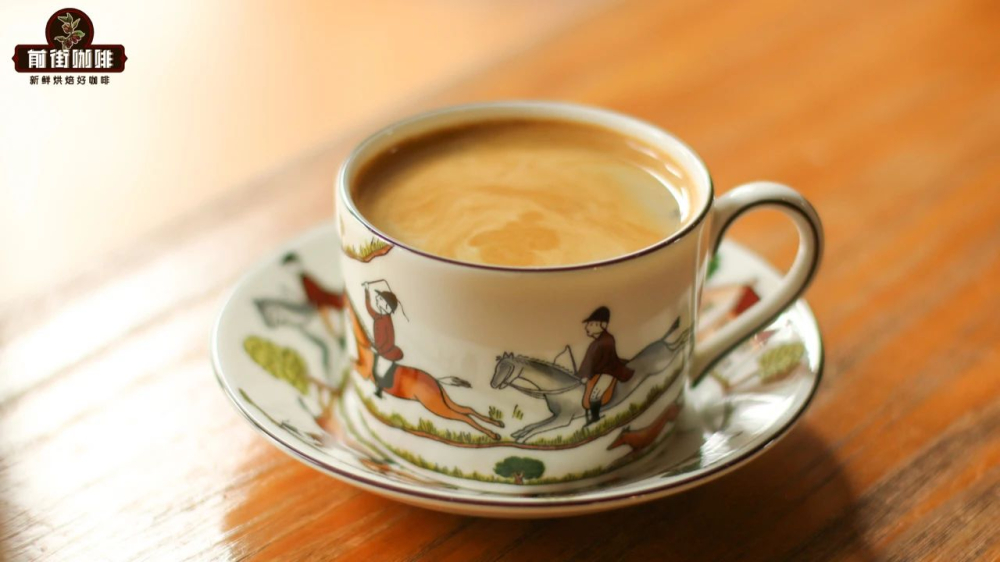
The darker the roast level, the more caramelized substances the beans produce, the acidity decreases accordingly, and the American coffee made is fuller-bodied, with more oils than light-roast beans. Front Street Coffee commercial espresso blend coffee beans are recommended. They bring together Colombian coffee beans, Brazilian coffee beans, and Robusta coffee beans, using a medium-dark roast, with the aim of making it easy to produce the same taste as in a cafe. The flavor expression is caramel sweetness, accompanied by nutty, cocoa-like, and dark chocolate notes, with balanced acidity and sweetness, a slight hint of bittersweetness, and a long finish.
Suggested American coffee brewing parameters: use 18 g of grounds in a double portafilter (a margin of plus or minus 1 g is allowed), extract 36 g of coffee liquid in 25 seconds, then pour the coffee liquid into a 330 ml cup containing ice and water.
American coffee beans that are neither sour nor bitter, with a balanced mouthfeel
Unlike the dark-roast and light-roast routes mentioned earlier, if you want a cup of American coffee that is neither sour nor bitter, you need to choose medium-roast coffee beans. Front Street Coffee Strawberry Candy espresso blend is recommended. It is presented with Colombian coffee beans paired with Costa Rican coffee beans, maximizing the aroma of strawberry, grape, almond, and cream. Its oils are medium, and when made into American coffee it has a soft, fragrant floral note, with a refreshing and non-bitter taste.
Suggested American coffee brewing parameters: use 18 g of grounds in a double portafilter (a margin of plus or minus 1 g is allowed), extract 36 g of coffee liquid in 33 seconds, then pour the coffee liquid into a 330 ml cup containing ice and water.
Front Street Coffee American coffee beans
The American coffees made from the above three blends each have their own flavor. For friends who like acidity, Front Street Coffee Yirgacheffe SOE will be a very suitable choice; for those who want something fuller-bodied, Front Street Coffee commercial blend coffee beans can be chosen; and if you neither want it too sour nor too heavy, Front Street Coffee Strawberry Candy espresso blend is worth a try.
Tasting steps
When a cup of coffee is placed in front of you, do not rush to drink it. You should follow a step-by-step process, like tasting tea or wine, so as to achieve the purpose of relaxation, refreshment, and enjoyment.
The first step is to smell the aroma and feel the rich fragrance of the coffee wafting toward you;
The second step is to observe the color. The coffee is best presented in dark brown, rather than being pitch-black and bottomlessly dark;
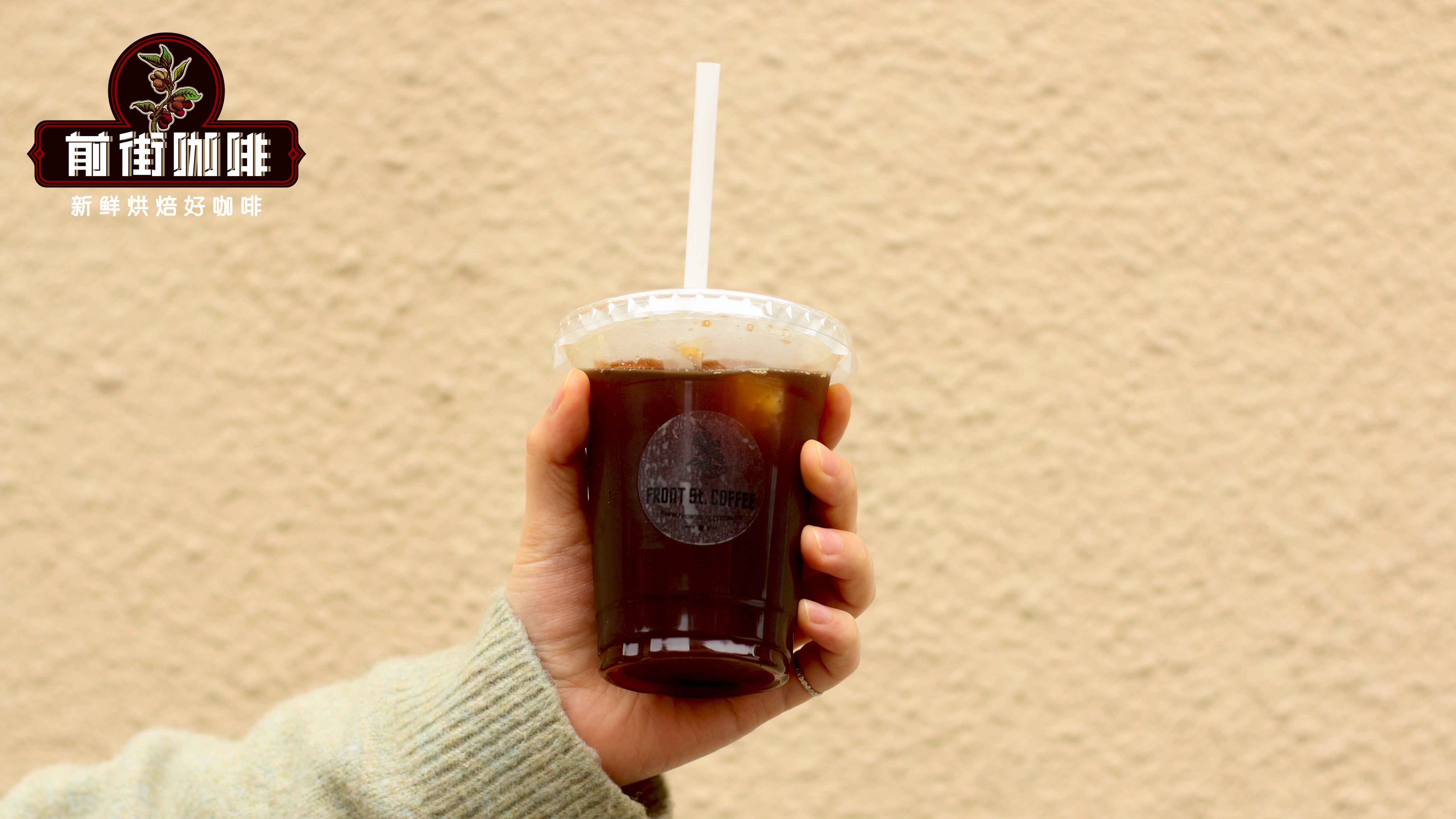
The third step is to taste. First take a sip of black coffee to experience the taste of the original coffee. On entry, it should have a slight sweetness, mild bitterness, and mild acidity without astringency. Then sip it little by little, without rushing to swallow, letting the coffee stay in your mouth for a moment, mixing it slightly with saliva and air before swallowing.
The above content is compiled by CoffeeHunters, a coffee news website.


