








How does coffee beans grow in Indonesia's wet-hulled regions?
Luckin Coffee chose the Gayo Highlands of Sumatra, Indonesia, as the third stop of its bean-hunting journey, after Ethiopia and Panama. The team, led by chief coffee master Pan Zhimin, selected a wet-hulled bean by Lake Tawar, named it Emerald, and planned to add it to the SOE Little Black Cup series on the 25th. It is Luckin's first sourcing stop in Asia.
Indonesia's coffee history reaches back to the 18th century, when Dutch colonists brought coffee to Java. Arabica coffee now grows mainly at higher altitudes in northern Sumatra, Sulawesi and Java, and in Sumatra the provinces of Aceh and North Sumatra carry large-scale production. The local wet-hulling method and rainforest terroir give the Emerald bean notes of cherry, cane sugar, caramel and cedar.
Following Ethiopia and Panama, Luckin Coffee's bean-hunting team chose the Gayo Highlands of Sumatra, Indonesia, as its third stop. The team, led by Pan Zhimin, champion of the 2017 World Barista Championship China region and Luckin's chief coffee master, selected a wet-hulled coffee bean by Lake Tawar and named it "Emerald," with plans to add it to the SOE Little Black Cup series on the 25th of this month. As the first bean-hunting stop in Asia, Indonesia's unique wet-hulling method and tropical rainforest terroir give this coffee a cupping profile of cherry, cane sugar, caramel, and cedar. This article will walk you through the regional characteristics of Indonesian coffee, the origins of the wet-hulling process, and the behind-the-scenes details of Luckin's bean-hunting trip.
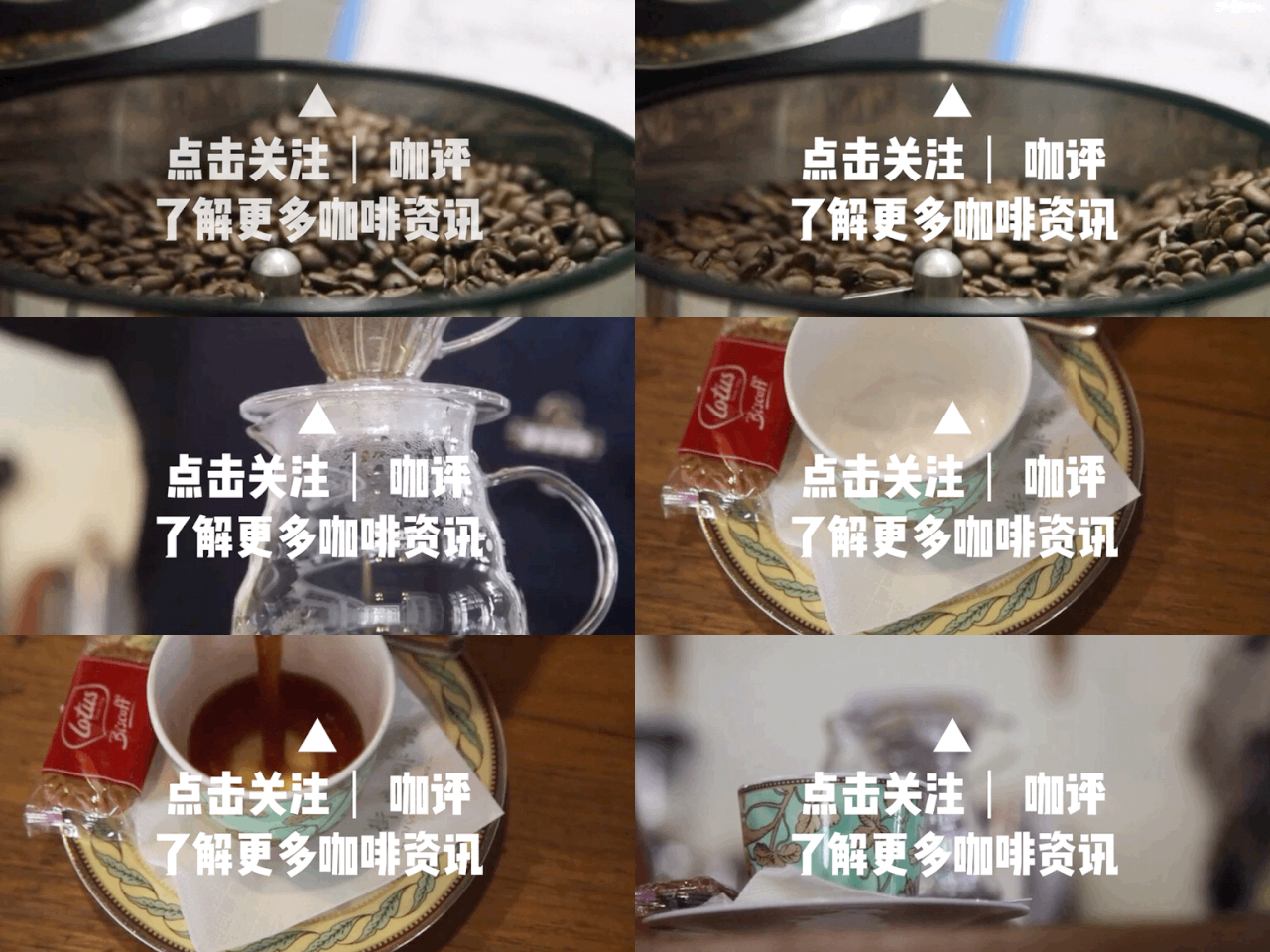
On December 21, media reports said that Luckin Coffee's bean-hunter team had traveled to the Gayo (also transliterated as Gayo Mountain) region of Sumatra, Indonesia, to source high-quality coffee beans, and planned to add a wet-hulled coffee bean from this region to its "SOE Little Black Cup" series.
November coincides with the harvest season for Indonesian Arabica coffee cherries. The bean-hunting team, led by Pan Zhimin, champion of the 2017 World Barista Championship China region and Luckin's chief coffee master, recently went deep into the Lake Tawar region of the Sumatra Gayo Highlands and selected a wet-hulled coffee bean, adding it to the SOE Little Black Cup series and naming it "Emerald." Several new espresso products are expected to launch on the 25th of this month.
It is reported that the Indonesia stop is Luckin Coffee's third bean-hunting journey, following the Ethiopia stop and Panama stop in the first half of 2023, and also its first coffee-growing region stop in Asia.
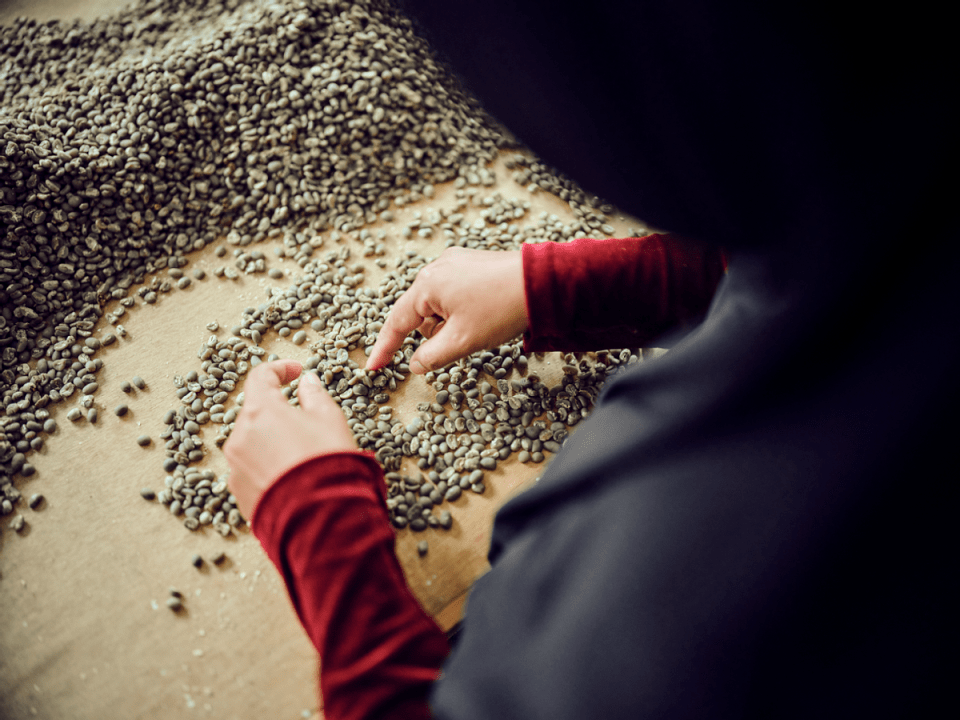
Lake Tawar Image source: Chinese National Geography
Indonesia is the world's largest archipelagic country. Its coffee-growing history dates back to the 18th century, when Dutch colonists introduced coffee to Java, after which it gradually spread to other islands. Elegant-flavored Arabica varieties are mainly concentrated on several higher-altitude islands: northern Sumatra, Sulawesi, and Java.
Sumatra is divided into eight provinces, but only the high-altitude provinces of Aceh and North Sumatra grow Arabica coffee on a large scale. Local coffee farmers mainly plant coffee trees around two major volcanic lakes—Lake Tawar and Lake Toba. Among them, the Gayo Mountains around Lake Tawar in central Aceh have ideal conditions for coffee cultivation.
Sumatra has a tropical rainforest climate, with frequent rain year-round and high air temperature and humidity. Coffee mainly grows on hillsides at altitudes of 1,200–1,800 meters, and organic farming methods are widely used. A long history of cultivation, combined with fertile volcanic soil, makes the coffee produced here stand out in both quality and yield. Coffee from this region often carries notes of spices, chocolate, herbs, and wood, with a mellow and smooth mouthfeel.
Wet hulling is the most common method of processing green coffee beans in Indonesia, and its birth is closely related to local weather conditions. Indonesia's humidity ranges between 70% and 90% year-round, typhoons are frequent, and annual rainfall even exceeds 2,000 millimeters. Such harsh weather makes it impossible to use the 2–3 week sun-drying method used in Africa; washed processing is not only time-consuming but also more costly in labor and water consumption, which Indonesia, with its goal of mass production, cannot afford. As a result, locals developed a unique semi-washed method—wet hulling.
The specific process is as follows: after the skin and pulp are removed, the coffee cherries are poured directly into a pool for a short fermentation of several hours. At this point, a small amount of mucilage still remains on the parchment. The mucilage is removed by scrubbing. The parchment coffee is then dried. The first drying only needs to bring the moisture content down to 30%–40%, taking about 2–3 days, after which the coffee farmers sell the green beans to collectors. The collectors directly hull the purchased semi-dried parchment beans by machine to obtain the innermost green beans.
For the Indonesian single-origin coffee beans about to launch, the cupping flavors described by the Luckin team include cherry, cane sugar, caramel, and cedar.
Disclaimer: Some images in this article are from the internet. For some content on the website, such as images, we will respect the original author's copyright and indicate the source. However, due to the large volume, a few images and texts may not have been credited in time. Please forgive us. If the original author has any disputes, they may contact the website for handling. Once verified, we will correct it immediately. Compiled and edited by "Coffee Review vdailycom." Please indicate the source when reprinting. This article is intended to spread coffee culture. If there is any infringement, please inform us for deletion. Thank you~!
The above content is compiled by CoffeeHunters, a coffee news website.


