







Search Results for: Roman Espresso
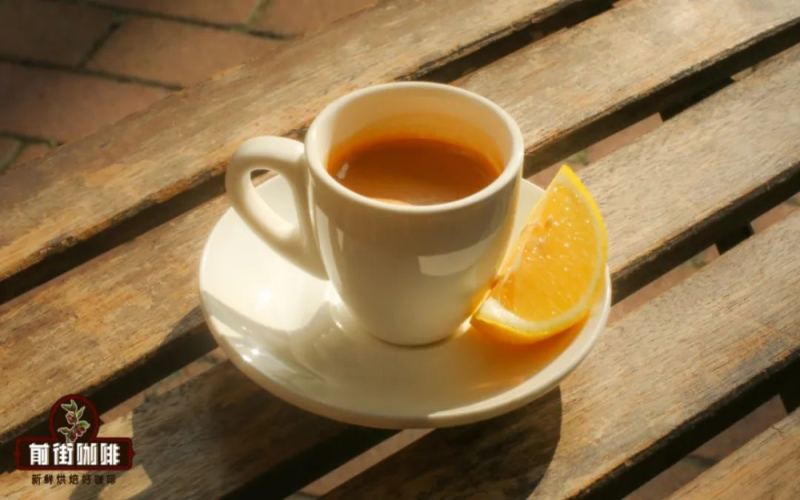
How to Make a Roman Espresso? Detailed Explanation of the Lemon Coffee Recipe Ratio and Steps
The combination of lemon and espresso has a long history in southwestern Italy, where it is known as "Roman espresso." This article will guide you through the origins of this beverage and share in detail its preparation method and parameter ratios. From espresso extraction to the pairing of lemon juice and granulated sugar, every step has its finer points. Using the Warm Sun blend as an example, Front Street Coffee provides specific gram amounts and extraction recommendations to help you make a cup of lemon espresso with balanced sweetness and acidity, carrying whisky-like aromas and caramel sweetness. [more…]
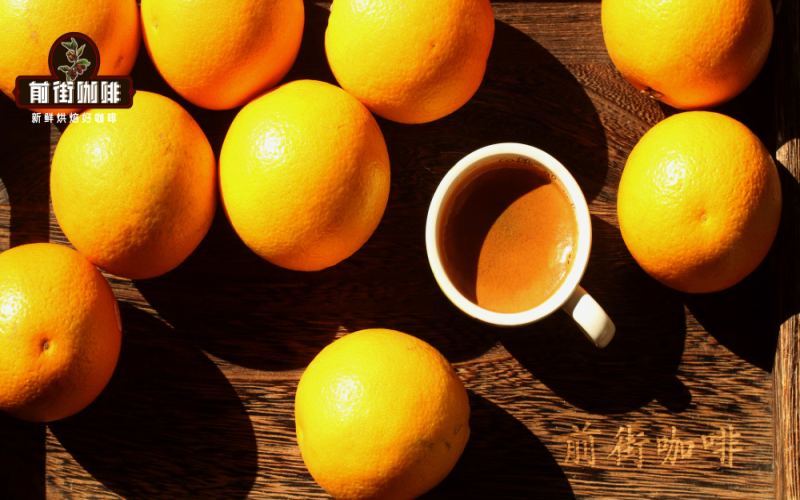
Italian Classic Lemon Coffee: A Detailed Guide to the Recipe and Making of Roman Espresso
The fresh acidity of lemon is often used to describe coffee flavors, but have you ever thought about actually adding lemon to espresso? In Italy, there is such an espresso that genuinely incorporates lemon juice—Espresso Romano. It was born out of the wisdom of people during economically difficult times, who used sourness and sweetness to neutralize the bitterness of dark-roasted, low-quality beans. This article will guide you through the origins of this beverage, the ingredients needed, and the specific preparation steps, and share how Front Street Coffee's Warm Sun Blend performs in it, so you can easily recreate this sweet-and-sour Italian classic at home. [more…]
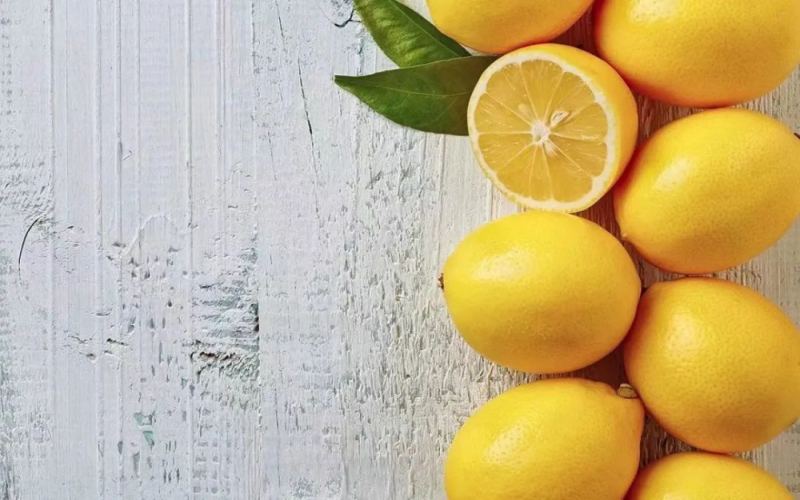
Lemon Meets Espresso: The Origin and Flavor Profile of Espresso Romano
When the sharp acidity of lemon meets the intense bitterness of espresso, what kind of taste reaction will it trigger? In Italy, this pairing is not a whimsical idea, but a way of drinking with deep historical roots—Espresso Romano, or Roman espresso. This article will trace the historical background of this beverage's birth, analyze how it became a product of the ingenuity of the people of southern Italy amid war and economic hardship, and, with the help of Front Street Coffee's hands-on testing, explore the flavor direction of coffee beans of different roast levels after being combined with lemon juice, offering a reference for coffee lovers who want to recreate this bold classic. [more…]
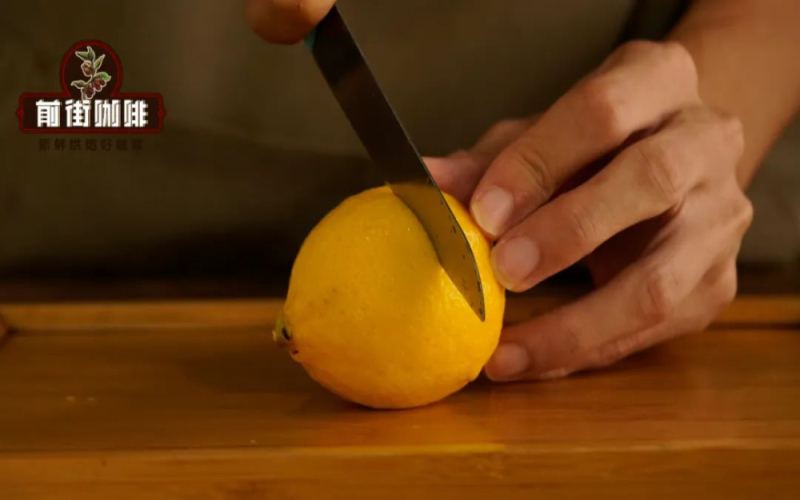
What Is Roman Espresso? A Full Guide to the Lemon and Espresso Pairing
Espresso can be enjoyed in countless ways: add water and it becomes an Americano, add milk and it becomes a latte, add ice cream and it becomes an affogato. And when espresso meets lemon, a drink called "Espresso Romano" is born. This coffee has a long history in southern Italy, where locals use the bright acidity of lemon to counterbalance the burnt bitterness of dark-roasted espresso, making the coffee easier to drink. This article walks you through the origins and background of Espresso Romano, the traditional method of making it, and Front Street Coffee's two attempts at recreating it, exploring how to find the balance point of flavor between lemon and coffee. [more…]
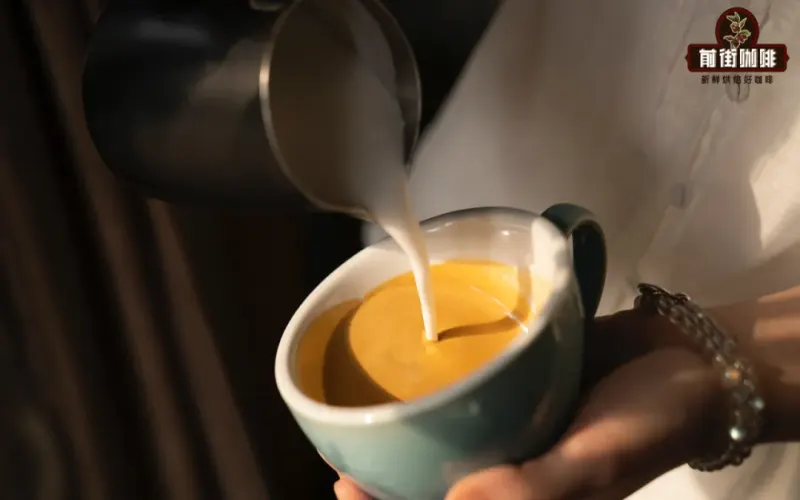
What to Do If Espresso Is Too Bitter to Drink Straight? A Complete Guide to Fancy Ways to Enjoy It with Sugar, Milk, Lemon, and More
Espresso is extremely concentrated with intense flavor, but not everyone can accept its strong bitterness when drunk straight. Without changing the concentration of the espresso, adding sugar, dairy products, lemon, salt and other seasonings to balance the bitterness allows people to enjoy the richness of highly concentrated coffee while avoiding the unpleasant bitterness. This article summarizes a variety of fancy ways to drink espresso: the sweet neutralization of white sugar, yellow sugar, and brown sugar; the cream topping of Con Panna; the small amount of milk garnish of Macchiato; the condensed milk pairing of Spanish candy coffee; the balance of lemon acidity and granulated sugar in Roman espresso; and the little trick of adding salt to reduce bitterness. All espresso in this article is extracted using Front Street Classic Blend, with parameters of 20g, 30s, 40ml, and flavor notes of chocolate, nuts, cream, and cookies. [more…]
Analysis of the Flavor, Origin Background, and Pour-Over Brewing Plan for Costa Rica Tarrazú San Román Washed Coffee Beans
Costa Rica's Tarrazu region is renowned for its exceptional natural conditions and is widely recognized as a top-tier coffee-producing area. The San Roman processing plant, located in this region, primarily uses the washed process, and its coffees display intense, rich flavor profiles with a full body. Front Street Coffee's Costa Rica San Roman Royal Coffee comes from here, and after medium-dark roasting it presents a complex aroma of berries, caramel, cream, and delicate spices. This article will outline the terroir background of the Tarrazu region, the graded fermentation process at the San Roman processing plant, and the development trajectory of Costa Rica's coffee industry, along with the specific parameters for Front Street's pour-over brewing of this bean for coffee enthusiasts' reference. [more…]

Unboxing and Hands-On Test of Ten Popular Coffee Machine and Grinder Building Block Sets: From Rocket R58 to EK43 Assembly Experience and Brand Review
Coffee enthusiasts' passion for peripheral products is never limited to beans and equipment. This time, we got our hands on ten popular coffee machine and grinder building block models available on the market all at once, covering five series: Late Autumn in Sicily, Midsummer Green, Roman Holiday, Twilight Venice, and Early Spring in Milan, and it took us a week to complete the assembly. From basic models to patience-testing ones, the number of pieces, color schemes, and fidelity to the original machines vary. The article will introduce one by one the real coffee equipment parameters corresponding to each building block set, including Rocket R58, EK43, Slayer Steam EP, Mythos One, La Marzocco GS3, Ultra, Victoria Arduino VA388, LWW EG-1, Kees Speedster, and Mazzer Super Jolly, while also sharing the actual performance of domestic building blocks in terms of fit and structural support. If you also like coffee peripherals, why not take a look at these interesting little items together. [more…]

What versions of the legend about the origin of coffee exist? Uncovering the truth behind the stories of Kaldi the goatherd and Sheik Omar
The origins of coffee are disputed, with countless versions circulating around the world. Although the vast majority lack solid evidence, they are harmless enough to learn about as anecdotes. Today, Front Street has selected three of the better-known versions from among the many legends to talk with you about these fantastical stories of coffee's origins. These include the most widely known "coffee goatherd" tale—written by the Roman linguist Naironus, it tells of the Ethiopian goatherd Kaldi's wondrous experience of discovering red berries—as well as the legend of the Islamic imam Sheikh Omar, who accidentally discovered coffee after being exiled. Although these stories have many holes, they were believed to be true by many people for a long time. [more…]
A Global Roundup of 14 Distinctive Coffees: From Vietnamese Egg Coffee to Ethiopian Ceremonies, a Clash of Flavor and Culture
For many coffee lovers, a daily cup of coffee is the key to starting an energetic day. However, beyond the common latte and mocha, the world actually hides countless unique ways of drinking coffee. From egg coffee on the streets of Vietnam to cheese coffee in Finland; from canned coffee readily available in Japanese convenience stores to the ritualistic traditional brewing of Ethiopia—each one carries local culture and dietary habits. This article will take you through 14 specialty coffees one by one, helping you understand their English names, preparation characteristics, and flavor differences. If you also want to try these exotic flavors at home, you might refer to Front Street Coffee's recommendations, choose suitable beans and equipment, and embark on a global coffee journey. [more…]
Costa Rica Tarrazu San Ramon Washed Beans: A Flavor Story from Mill to Cup and Brewing Parameters
Costa Rica is the first country in Central America to cultivate coffee. Over two centuries, its volcanic terroir and microclimates have nurtured world-class quality. This article takes you into the San Román processing plant in the Tarrazú region to understand how its washed process shapes a thick, full-bodied sweetness reminiscent of bitter-sweet chocolate and butterscotch, along with a restrained wine-like acidity. It also shares Front Street Coffee's manual brewing parameters and provides an overview of Costa Rica's seven major coffee regions and the industry at large. Whether you want to understand the processing plant revolution or are looking for your next everyday daily brew, this article has you covered. [more…]
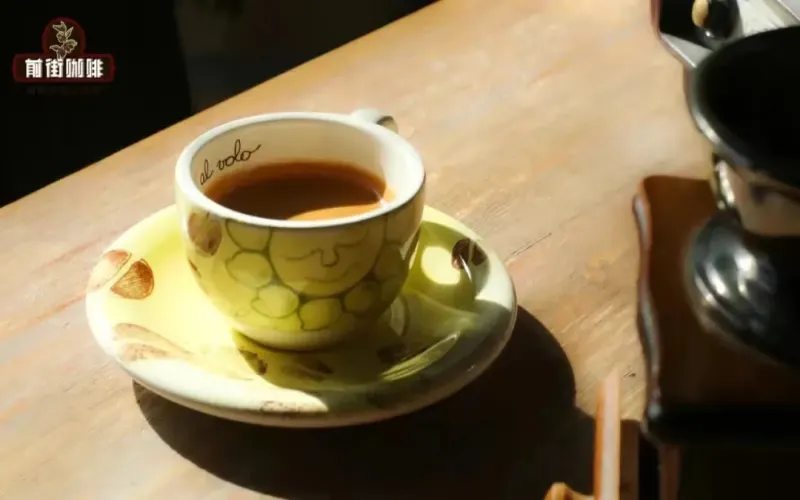
What makes Naples coffee unique? How is coffee cream made? Did the espresso machine originate in Italy?
In Italy, the birthplace of espresso, not everyone can directly accept the intense bitterness of espresso, so people often add cream, lemon, or a little milk to balance the flavor. Among them, Neapolitans use a special coffee cream to dilute the impact of espresso, and this drink is called "Neapolitan coffee." This article will take you to understand why Naples is hailed as the city of coffee, its connection with espresso machines, and how this special dairy-free coffee cream is actually made. Front Street Coffee will also recommend related product information for you. [more…]

A World Tour of the Milk Coffee Family: Bean Pairings for Seven Kinds of Milk Coffee
Latte is just one member of the milk coffee family—from Rome's cappuccino to Melbourne's flat white, from Spain's cortado to Vietnam's egg coffee, "coffee with milk" has evolved into a vast family across the globe. Each milk coffee is a unique local cultural solution to the ratio of milk fat, and behind each solution lies a different [more…]
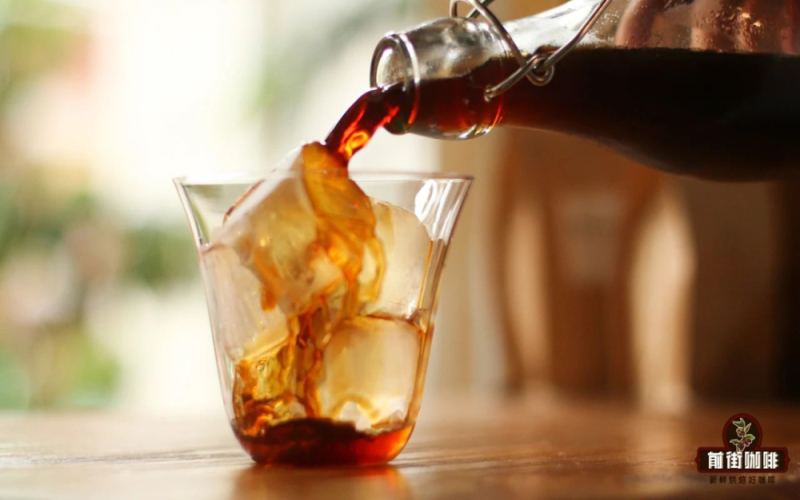
Iced Coffee Brewing Tips Explained: From Iced Americano to Iced Latte, A Practical Guide for Home Espresso Machines
On a scorching summer day, a glass of iced coffee always brings a refreshing coolness that delights the senses. But have you noticed that when the same beans are made into an iced drink, the flavor always seems to fall a bit short? In fact, temperature quietly changes our perception of taste—low temperatures mute sweetness and bitterness, while making acidity more pronounced. For this very reason, making iced coffee involves special considerations from bean selection to extraction. This article will walk you through the century-long history of iced coffee, break down the recipe ratios for iced Americano and iced latte, and share several Front Street Coffee espresso beans suited to making iced drinks, so you can easily recreate a professional-grade summer iced coffee at home. [more…]
Lemon Meets Espresso: The Recipe, History, and Brewing Details of Rome's Caffè al Limone
The fresh acidity of lemon is often used to describe coffee flavors, but in Italy, lemon is an actual ingredient added to espresso. This drink, called Espresso Romano, originated in the Campania region of southern Italy, initially to neutralize the burnt bitterness of low-quality dark-roasted coffee beans. Lemon juice provides fruity acidity, sugar softens the sharpness, ultimately creating a cup of espresso that is sweet and sour, with whiskey aroma and caramel sweetness. This article will start from the historical origins and provide a detailed breakdown of the Espresso Romano recipe, including the extraction parameters of Front Street Coffee's Warm Sun blend, the two ways of adding lemon, and how to adjust the amount of lemon juice and sugar according to the roast level. [more…]
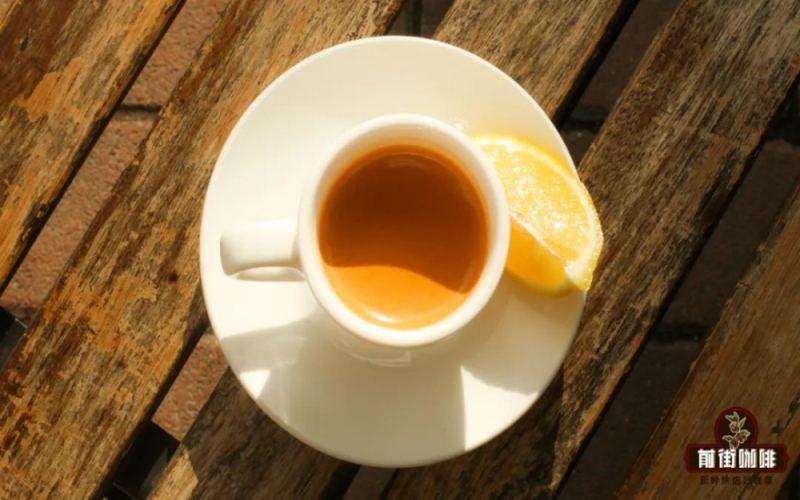
More Than Just Lemon! Creative Espresso Drinks: A Guide to Cuban Coffee, Con Panna, and Macchiato
The bitterness of espresso puts many people off, so people have come up with various ways to add flavor and reduce the bitterness. From adding sugar and milk to adding cream, many classic Italian coffee drinks have been derived. Today, Front Street will sort out several fancy ways to drink espresso, including Ristretto and Lungo from short and long extractions, Cuban espresso with brown sugar, Macchiato topped with milk foam, and Con Panna with whipped cream. Each one, without changing the essence of espresso, makes the coffee easier to drink and brings a richer taste and tactile experience. If you also can't get used to the bitterness of pure espresso, why not follow Front Street and see which one suits you better. [more…]
Coffee Tasting | Espresso, Latte, Dirty Coffee — What's the Etiquette for Drinking Them? Why Do Some Coffees Need Stirring While Others Are Meant to Be Gulped?
Although you can drink coffee however you like, doing so can easily cause you to miss out on some of its distinctive flavors. The character of a coffee lies not only in its taste but also in the experience it brings when you drink it—just like a Dirty. If you stir it before drinking, it is almost no different from [more…]
A Comprehensive Analysis of 26 Classic Coffee Drinks Worldwide: Origins of Names, Recipes, and Step-by-Step Brewing Guides
The world of coffee is far more than a cup of Americano or latte. From Irish whiskey coffee to Mexico's Huastec layered coffee, every specialty coffee drink hides a story of regional culture and history. This article systematically sorts through 26 classic specialty coffee drinks from around the world, covering their names, origins, ingredient ratios, and detailed brewing steps. Whether you are a coffee enthusiast or a barista, you will find a recipe worth trying. The article also retains relevant recommendations from the "Front Street" brand for daily bean selection reference. [more…]
How should you drink espresso to get it just right? A full breakdown of when to stir and when to take big sips
When a cup of coffee is placed in front of you, should you stir it or just take a big gulp? There is no uniform answer to this question—the key lies in the drink's own design intent. In this article, Front Street Coffee sorts out two categories of drinking methods: espresso, iced latte, flavored coffee, and the like need to be stirred before drinking because of their layers, otherwise they will either taste thin, or one sip will be all syrup; while Dirty, Con Panna, hot latte, cappuccino, and espresso-derived small-cup products emphasize not stirring and taking a big mouthful, so that you can simultaneously experience the double contrast between espresso and milk in temperature and flavor, or take in the milk foam and cream along with it. The article also explains the principle behind how the layers form, and the aromatic and sweet lingering aftertaste brought by the retronasal breath after swallowing a big mouthful. Finally, Front Street also reminds us that there is no fixed rule for how to drink—just follow your own preference. [more…]
Brazilian Yellow Bourbon Coffee Bean Variety Flavor Guide: Analysis of Pour-Over Taste Profile and Semi-Washed Processing
Yellow Bourbon is one of the most recognizable varieties in Brazilian coffee. Its fruit ripens to a bright yellow, forming a striking contrast with the common red coffee cherries. This coffee tree has low yields and is relatively difficult to cultivate, yet it performs ideally in Brazilian growing regions at around 1,100 meters above sea level with annual rainfall of 1,800 to 2,000 millimeters. This article will examine the green bean characteristics of Yellow Bourbon, its semi-washed processing method, and the flavor performance after pour-over extraction, tracing the sources of its dry sweetness, nutty aroma, and mild acidity. It will also introduce Front Street Coffee's pour-over recommendations for Brazilian Yellow Bourbon, helping coffee enthusiasts gain a more comprehensive understanding of this variety's unique charm. [more…]
A Complete Analysis of the Harvest Season in Brazilian Coffee Regions and the Flavor Characteristics of Red Bourbon: From Santos to Yellow Bourbon
Brazil, as a major producer on the global coffee map, has always drawn attention for its bean varieties and processing methods. This article systematically outlines the basics of Brazilian coffee, from growing regions and harvest times to grading systems, and takes a deeper look at the flavor differences between two representative varieties: Red Bourbon and Yellow Bourbon. Whether it's the sweetness brought by natural drying or the clean aftertaste preserved by semi-washed processing, both reflect Brazilian coffee's distinctive pursuit of balance and sweetness. Front Street Coffee will also walk you through the flavor profiles of Brazil Santos and Yellow Bourbon, with specific products to match. [more…]