








How did lemon espresso spread before the moka pot era?
Espresso Romano is espresso served with lemon, a pairing with roots in southern Italy rather than a modern invention. After the espresso machine and the moka pot arrived in the early twentieth century, espresso became a daily habit. When war and economic crisis blocked bean imports, people mixed harsh, heavily roasted coffee with local lemons and found the sharp acidity covered the bitterness.
Tests with different roast levels show how lemon juice interacts with coffee: brighter roasts keep more citrus character, while darker roasts lean toward the bitter profile the drink was created to soften. The combination is not the lemon coffee served in Hong Kong-style tea restaurants, and it remains a reference point for anyone wanting to recreate the classic.
When the sharp acidity of lemon meets the intense bitterness of espresso, what kind of taste reaction will it trigger? In Italy, this pairing is not whimsical but a drinking method with deep historical roots—Espresso Romano, that is, Roman espresso. This article will trace the historical background of this beverage's birth, analyze how it became a product of wisdom for the people of southern Italy amid war and economic hardship, and, with the help of Front Street Coffee's actual testing, explore the flavor direction after different roast levels of coffee beans are combined with lemon juice, providing a reference for coffee lovers who want to recreate this bold classic.
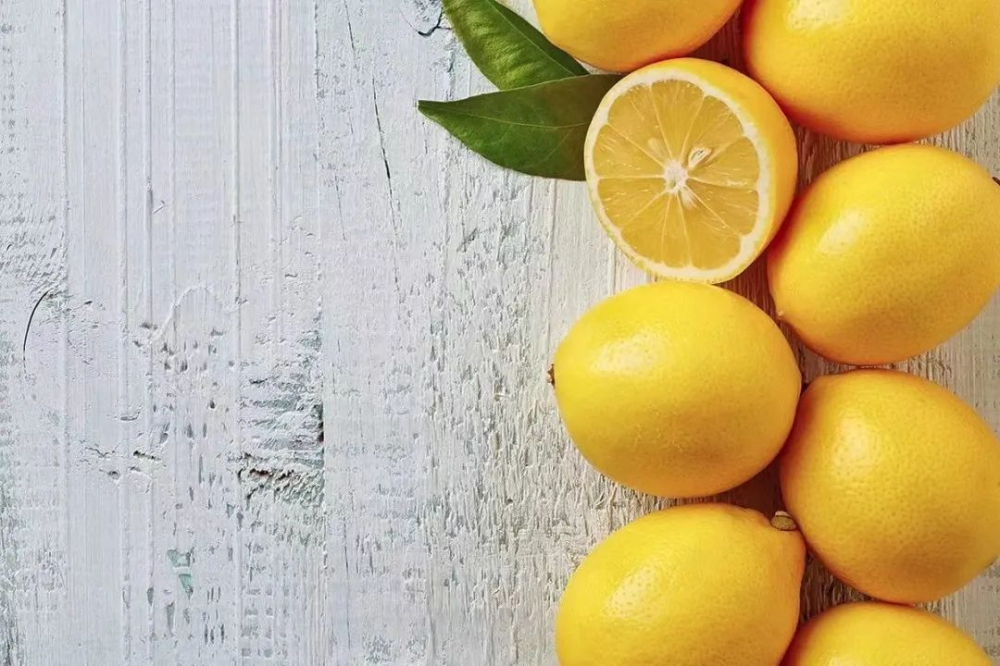
When we drink a cup of coffee with prominent acidity, we often use words like uplifting, bright, and fresh to describe it, and behind this is very likely citric acid at work. Lemon is a common reference for citrus flavor descriptions in fruity coffee. Once coffee shows an elegant lemon-like aroma and lively acidity, the strong acidity quickly fills the entire mouth, making both cheeks water.
In daily life, lemon can both enhance the flavor and aroma of food and serve as a plating garnish. However, in Italy, the birthplace of espresso, lemon with extremely high acidity is actually put directly into espresso and drunk together. (It should be noted that what is referred to here is not the lemon coffee found in Hong Kong-style tea restaurants.)
At the beginning of the last century, Italians successively invented the espresso machine and the moka pot, and espresso thus became the mainstream daily choice for locals. Unlike today's single-origin coffees that pursue personalized flavors, coffee at that time was dominated by a heavy roasted aroma—plainly speaking, dominated by burnt bitterness. The early twentieth century coincided with World War I and World War II. Italy's coffee bean import channels were blocked, and the country also suffered a severe economic crisis, so people could only reluctantly consume instant coffee and low-quality coffee beans.
Faced with hard-to-drink bitter coffee, and with southern Italy happening to be rich in lemons, people tried mixing coffee with fresh lemon. As a result, they unexpectedly discovered that the sharp and bright acidity of lemon could effectively neutralize the strong bitterness of espresso. The unpleasant negative flavors in the cup were suppressed, while a trace of lemon freshness was also added.
To this day, places such as Naples, Capri, and Sicily in Italy still retain this way of drinking fresh lemon with Espresso. Locals call it caffè canarino or caffè allimone, while in English it is translated as Espresso Romano, which is what we call Roman espresso.
When making Roman espresso, baristas usually first put a lemon slice into the cup, or squeeze in lemon juice, then pour in the extracted Espresso, add a teaspoon of granulated sugar, stir, and drink. Some cafés also make variations on this basis, adding a small amount of liquor, turning it into a mixed drink with local characteristics.
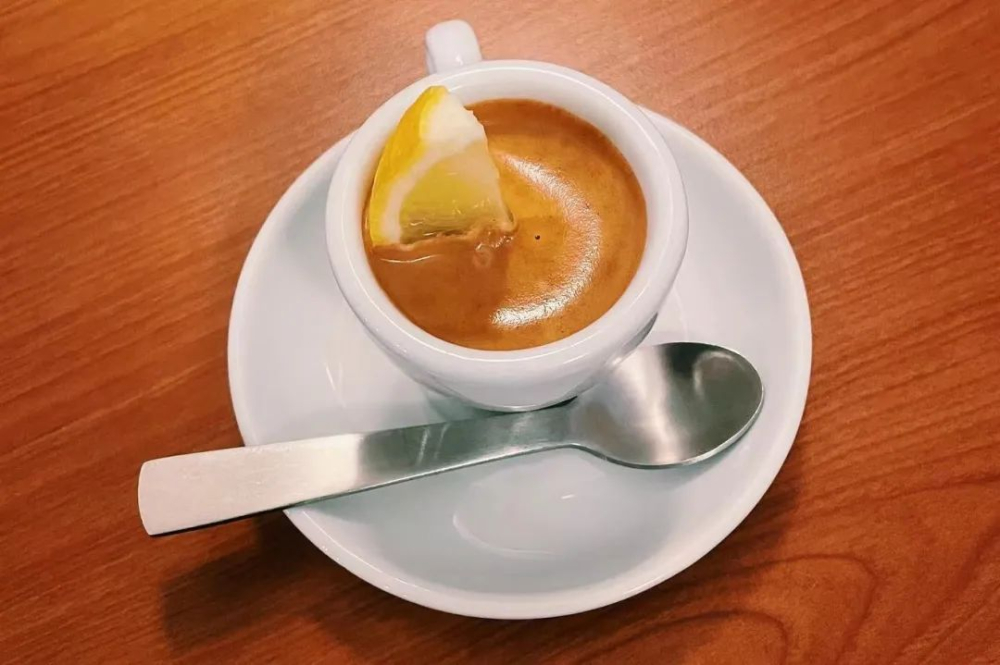
Front Street first used the store's espresso blend "Sunflower Warm Sun Blend" for testing, extracting 37 milliliters of liquid from 19.7 grams of coffee grounds in 30 seconds. Because the blend includes Ethiopian natural Red Cherry coffee, the flavor carries berry acidity. The addition of lemon juice did not positively enhance the Espresso; instead, it amplified the grassy astringency in the coffee, and this astringency lingered on the tongue for a long time without dissipating.
Front Street then switched to the bitterness-oriented Brazil Queen Estate coffee, extracting 35 milliliters of espresso liquid from 20 grams of grounds in 28 seconds. It smelled of hazelnut and caramel, had a full body on the palate, medium-high bitterness, and a sugarcane-like sweet aftertaste. After stirring in a few drops of lemon juice, the originally strong bitterness became softer, and the finish was mixed with a slight citrus freshness.
Therefore, if you want to boldly try recreating this Roman espresso, Front Street suggests choosing medium-dark roasted coffee beans to make it. This can weaken the bitterness of the Espresso to a certain extent while adding more layers to the coffee.
This rather strong-flavored Roman espresso is unlikely to become a popular trend, but its existence precisely shows that Italian coffee culture is highly inclusive. When modern professional baristas inherit ancient techniques while incorporating more novel elements, perhaps another coffee drink that shocks the taste buds will be born.
For professional coffee knowledge exchange and more coffee bean information, please follow Coffee Workshop (WeChat public account: cafe_style)
For more specialty coffee beans, please add the private WeChat of Front Street Coffee (FrontStreet Coffee), WeChat ID: qjcoffeex
The above content is compiled by CoffeeHunters, a coffee news website.


